

Plasma is not trying to be everything to everyone, and that is exactly why it feels different, because it is engineered around a single human need that most networks accidentally ignore, which is the need to feel certain the moment you press send, so the project focuses on fast and deterministic settlement with transaction finality described as around one second, meaning the chain is designed to reach a final state that does not depend on waiting for more blocks or praying nothing changes behind your back, and that matters because payments are not supposed to be suspenseful, payments are supposed to be finished, and when a system gives you deterministic finality it is basically telling you that the network is built to give you closure instead of anxiety.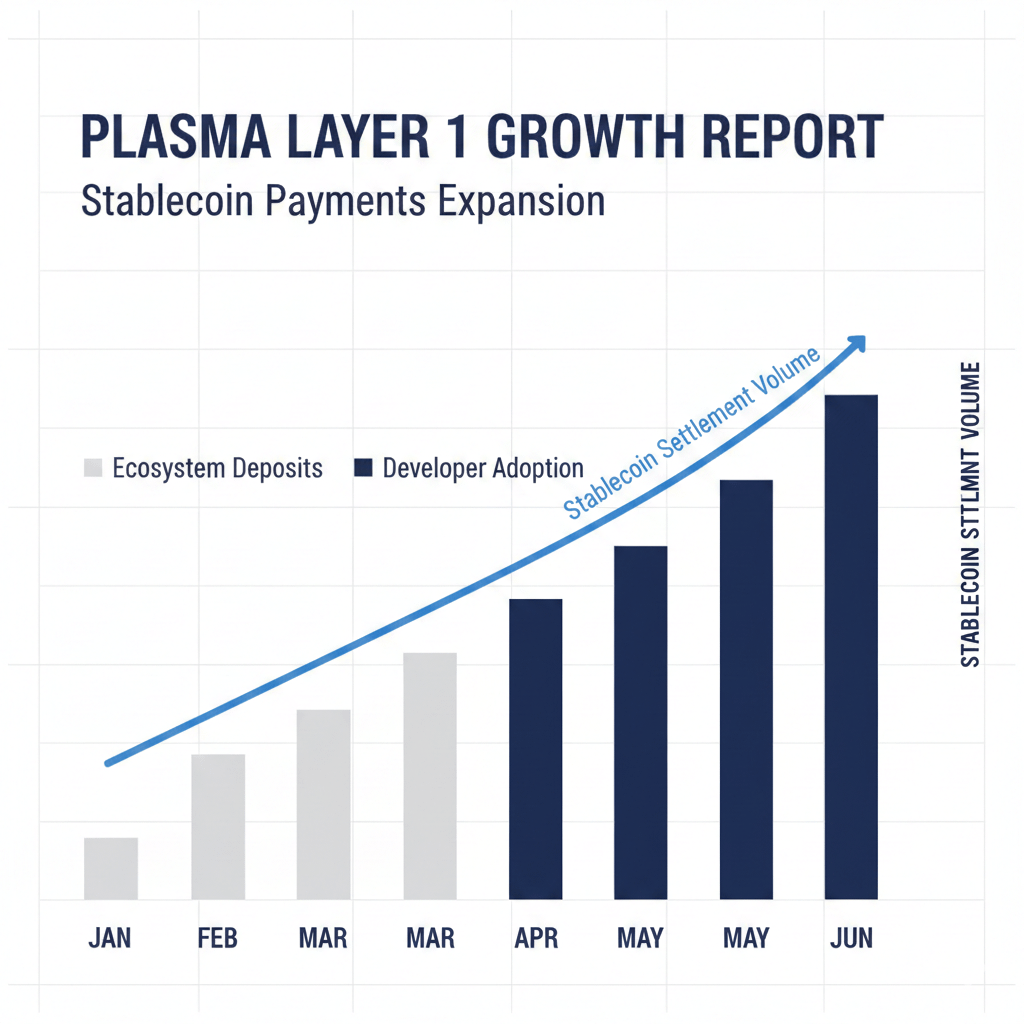
At the heart of Plasma is PlasmaBFT, which the official docs describe as a high performance implementation of Fast HotStuff written in Rust, and the reason this detail matters is not because people want to memorize consensus names, it matters because this is the mechanism that makes the one second feeling possible, because BFT style consensus is built to reach agreement quickly even when the environment is imperfect, and Plasma frames this as delivering low latency finality and deterministic guarantees that fit stablecoin scale applications, so instead of a user wondering whether a transaction is only probably safe, the protocol aims to produce a clear final answer fast enough that the experience feels like a receipt being stamped rather than a message floating in limbo.
Plasma’s architecture is designed so the chain does not only settle fast, it also feels familiar to builders who want to ship real products without rebuilding their entire world, so Plasma uses Ethereum’s EVM execution model and the docs state that execution is handled by a Reth based client, which is a modern Rust Ethereum execution engine, and the emotional meaning of this choice is simple, because the fastest chain in the world still fails if nobody can build on it, so EVM compatibility is the bridge between the promise of speed and the reality of adoption, letting developers deploy existing smart contracts with familiar tooling while the base layer focuses on making settlement predictable and calm.
Where Plasma becomes especially payment native is in how it treats stablecoin movement as the main event rather than a side activity, because the project documents stablecoin native contracts and mechanisms that aim to remove the friction that makes stablecoin payments feel awkward, and a clear example is the documented zero fee stablecoin transfer flow using an API managed relayer system, where the system sponsors gas for tightly scoped direct stablecoin transfers and includes identity aware controls to prevent abuse, and this is not just a feature for convenience, it is a deliberate attempt to protect the user from the moment where they come to send stable value and then get told they must first acquire and manage something else just to pay network fees, because for normal people that is where trust breaks and motivation dies.
If you want to understand why the team designed Plasma this way, you have to look at the category they are targeting, because stablecoin settlement is judged by certainty, predictability, and reliability under pressure, not by how flashy a chain looks on a quiet day, and Plasma’s own documentation emphasizes deterministic guarantees and stablecoin scale requirements, which signals that they are optimizing for the world where merchants must release goods without fear, where payroll flows must reconcile without delay, where treasury movement must feel like accounting rather than gambling, and in that world the value of one second finality is not speed for its own sake, it is the removal of doubt from the moment a payment matters.
The metrics that give real insight into Plasma are the ones that reveal whether it truly behaves like settlement infrastructure instead of a fast demo, so the first thing that matters is finality consistency rather than a single average number, because a payments rail cannot be judged by its best moments, it is judged by its slowest stressful moments, so what you watch is the distribution of finality times during heavy load and during network turbulence, because the moment finality becomes unpredictable, businesses and wallets are forced to add extra waiting logic, and the anxiety returns in a different form, while fee predictability is another truth metric because stablecoin payments become a habit only when users can trust that costs will not suddenly behave like weather, and the final category is liveness and recovery, because even BFT systems can face networking issues or validator instability, and what separates serious settlement rails from fragile systems is how cleanly they keep moving or how gracefully they recover when conditions get ugly.
The risks and failure modes are real, and naming them makes the analysis more honest rather than less supportive, because deterministic finality systems still live inside assumptions about network conditions and validator behavior, so severe partitions, targeted network disruption, or validator churn can pressure liveness and throughput even if safety remains protected, and a payment chain that stalls loses emotional trust faster than a general purpose chain because users feel the stall as personal inconvenience, while sponsorship style systems for gasless transfers introduce a different kind of risk because anything that covers fees becomes a target for spam and draining attempts, so the controls have to be strong enough to resist abuse but gentle enough to keep the experience smooth, and bridging or interoperability elements referenced in Plasma’s architecture can also concentrate risk because moving value across systems is historically one of the most attacked surfaces in crypto, which means security discipline and careful engineering are not optional if the chain wants to keep its promise of calm settlement.
What Plasma appears to do about these pressures is to push certainty down into the protocol layer and to scope user friendly features tightly so they are useful without becoming an open door for attackers, because PlasmaBFT is framed as delivering deterministic guarantees for stablecoin scale usage, the execution layer is integrated in a modular but tightly connected way with consensus, and the relayer based gas sponsorship is explicitly limited to direct stablecoin transfers with controls, which shows the design instinct of giving people what they want while refusing to pretend the world is friendly, and that instinct is exactly what a payments system needs, because a payments system has to be kind to users and ruthless with attack surfaces at the same time.
In the far future, If Plasma keeps its settlement promise under real load and real adversarial conditions, It becomes the kind of infrastructure people stop talking about because it simply works, and that is the highest compliment a payment rail can receive, because when stablecoin settlement becomes boring and instant, businesses can build global flows without carrying extra operational fear, families can move support across borders without waiting and second guessing, builders can ship applications that feel like everyday finance instead of niche crypto rituals, and We’re seeing the broader market increasingly treat stablecoins as a central tool for global money movement, so a chain that makes stable value feel final in about a second is not only chasing speed, it is chasing a new emotional baseline where a payment feels complete the moment it is sent.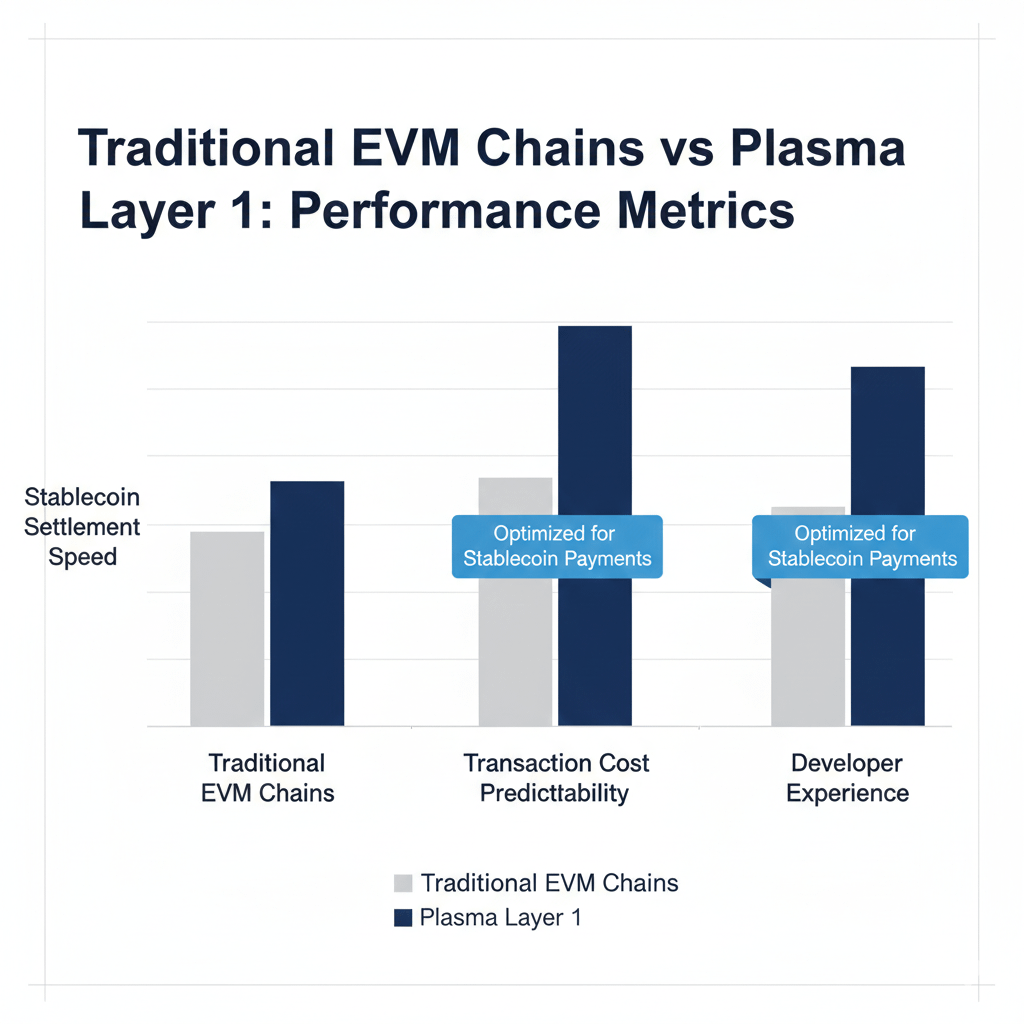
I’m not naming any social apps, and I’m not naming any exchanges because you told me not to, and the truth is Plasma does not need those names to explain its purpose, because the real story is that they’re building a chain where the user does not have to negotiate with uncertainty, and if they can keep delivering that one second feeling consistently, Plasma can become more than a project, it can become a quiet standard for how stable value should move, and the most inspiring part is that this kind of infrastructure does not just move numbers, it moves confidence, it moves commerce, it moves human life forward, and when you press send and feel peace instead of doubt, you realize the future was never only about speed, it was about trust becoming instant.

