

 The biggest mistake crypto infrastructure made in the last decade was assuming that users care about blockchains. Most people don’t. They care about outcomes. They care about whether money arrives, whether it arrives on time, whether the cost is predictable, and whether the process makes them feel confident instead of nervous. That’s why stablecoins became the most successful “real-world” crypto product. They removed price volatility. But they didn’t remove the second problem the psychological instability of actually moving money on-chain. Plasma’s real bet is that stablecoin settlement is not just an engineering challenge. It is a behavioral and psychological design problem.
If you have ever sent USDT on a typical chain, you know what “wallet anxiety” feels like. You press send, and immediately a quiet stress begins. Did I choose the right network? Do I have enough gas? Did the fee spike? Will it confirm quickly or sit in limbo? Did I accidentally send it to a contract? Even if the transaction succeeds, the user experience feels like walking across a bridge that looks structurally weak. The stablecoin may be stable, but the transfer experience is not. This is where most chains fail. They treat settlement as a technical function, while users experience it as a trust event.
Plasma seems to start from a different assumption: if stablecoins are going to act like money, then settlement needs to feel like money. That means the system must remove uncertainty, remove ritual, and remove preparation steps. The most revealing design choice is not PlasmaBFT or EVM compatibility. It is the line Plasma draws between “money movement” and “crypto participation.” A basic USDT transfer does not require the user to hold the chain’s native token. In many cases, it is gasless. That is not just cheaper. It is psychologically corrective. It eliminates the most common failure mode in crypto onboarding: the moment where someone has dollars in their wallet but cannot move them because they are missing a separate volatile asset.
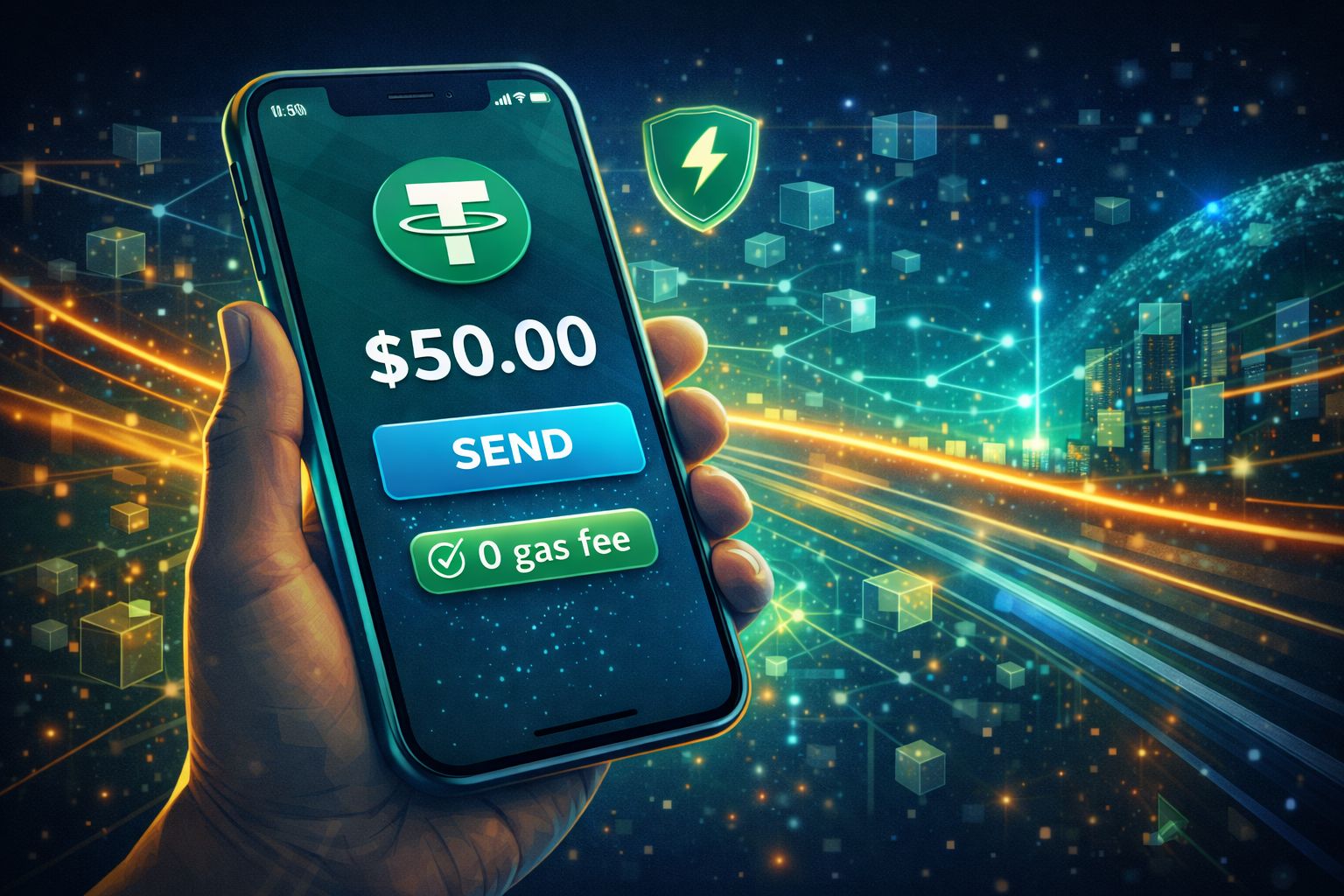 What makes Plasma feel like it is built by someone who has watched real users struggle. The gasless feature is not framed as utopian or infinite. It is scoped. It is intentional. Plasma is not saying everything should be free. It is saying the highest-frequency action in the stablecoin economy sending value from A to B should not feel like a side quest. That distinction matters because payment systems do not win by offering endless features. They win by eliminating unnecessary friction. A chain that makes stablecoin settlement easier does not just reduce cost; it increases trust density.
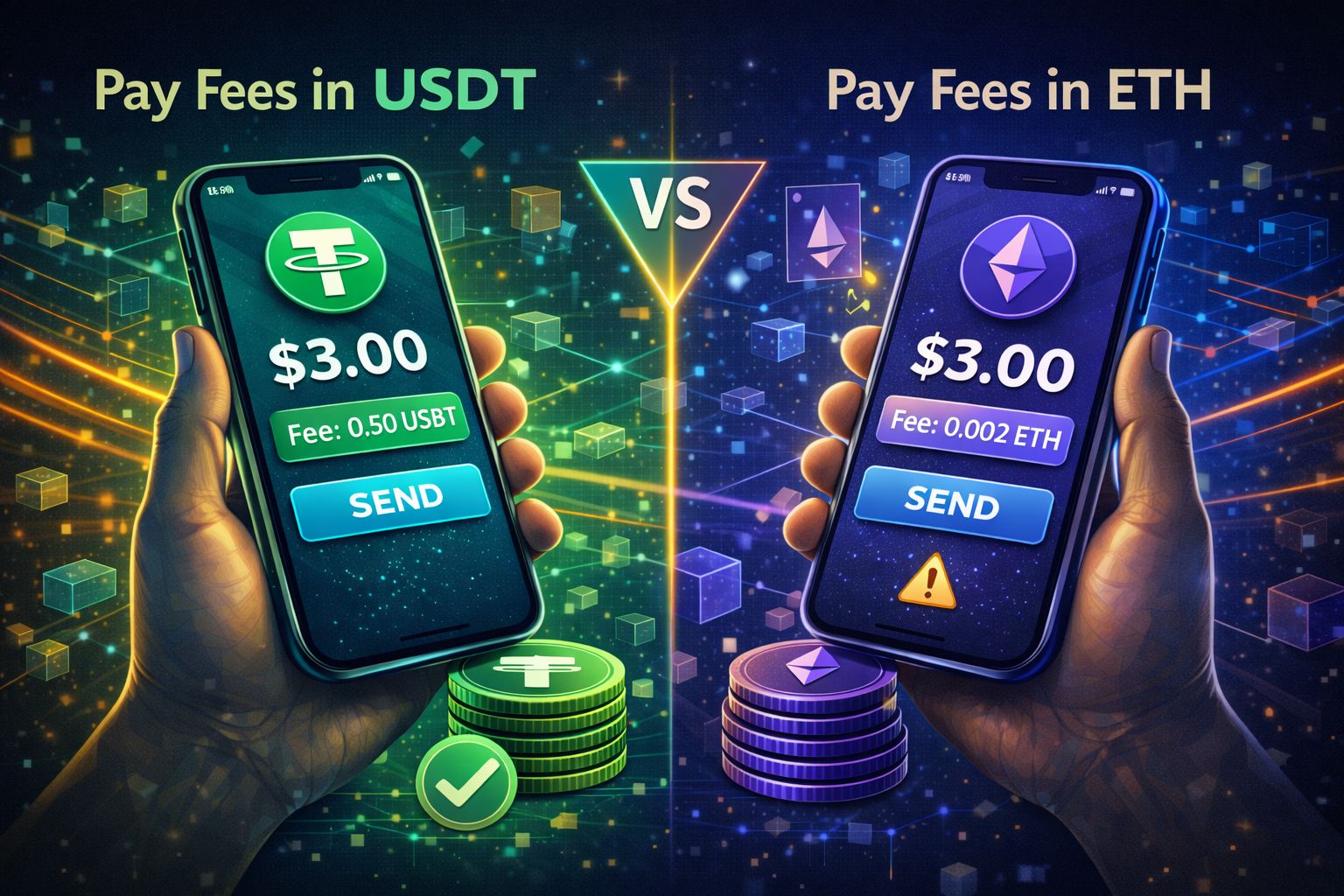
The stablecoin-first gas model continues the same philosophy. Even when fees are required, Plasma pushes the system toward letting users pay in the unit they already hold. This sounds like a small convenience until you understand what it removes. On most chains, users are forced into a second mental ledger: “How much ETH do I have? How much do I need? What if gas spikes?” This creates a hidden volatility layer that stablecoins were supposed to eliminate in the first place. Plasma tries to collapse that mental overhead. The chain becomes the backend. The stablecoin becomes the interface. That is how real financial infrastructure works: the user sees money, not machinery.
 Finality is where Plasma’s design becomes even more serious. Many chains market speed, but speed without certainty is still stress. Payments do not need fast block times; they need a clear moment where the payment becomes irreversible. Plasma’s approach to sub-second finality through PlasmaBFT is best understood as operational discipline rather than performance theater. The goal is not to win benchmarks. The goal is to reduce the window where doubt exists. When a transfer finalizes quickly, it changes behavior. Merchants can release goods sooner. Platforms can credit balances with confidence. Treasury systems can reconcile without waiting for probabilistic confirmations. Settlement becomes something that can be automated, not something that needs human oversight.
This is why Plasma’s philosophy is quietly institutional. Institutions do not fear crypto because it is slow. They fear it because it is ambiguous. Ambiguity creates operational risk. A payment that is “probably final” is not final enough for regulated finance. A network that can be socially rewritten, paused, or reversed under pressure creates governance uncertainty. Plasma’s focus on deterministic finality is a direct response to that reality. It is building a chain where the ledger is not just fast, but authoritative.
The Bitcoin anchoring narrative fits into this as well, but it should not be treated as marketing. The value of anchoring is not that Plasma magically becomes Bitcoin. The value is that the past becomes heavier. In financial systems, disputes are rarely about what you intended. They are about what the record says. Anchoring to Bitcoin is a way of giving settlement history an external gravity. It is a signal that Plasma wants to behave like infrastructure that cannot be casually rewritten, rather than like a flexible social database.
Another reason Plasma feels different is the way it positions its token. XPL is not framed as the star of the user experience. It is framed as infrastructure: security, validation incentives, and long-term network coordination. That is the correct posture for a stablecoin settlement layer. A payments network does not succeed by forcing everyone to speculate on its fuel. It succeeds by making its fuel invisible to end users while ensuring the operators remain incentivized. If Plasma’s system works, users will not care about XPL. Validators will. And that separation is a sign of maturity.Of course, the biggest question is sustainability. Gasless transfers are not free. They are sponsored, subsidized, or abstracted. Someone pays. But that is not a weakness it is a realistic model. In the real world, payment rails are always subsidized somewhere in the stack. Merchants pay. Platforms pay. Banks pay. Consumers rarely see the full cost. The only real test is whether the value created downstream is large enough to justify the subsidy upstream. Plasma’s bet is that stablecoin volume is the value engine, and reducing friction increases that volume.
If Plasma succeeds, it will not feel like a new crypto chain. It will feel like a missing layer of global finance quietly snapping into place. People will not talk about it the way they talk about ecosystems. They will talk about it the way they talk about sending money: casually, confidently, without explanation. That is the real death of wallet anxiety. Not when crypto becomes cheaper. But when it becomes psychologically safe enough to stop feeling like crypto at all.


