Hey fam,
I wanted to sit down and share with you something genuinely exciting and kind of underestimated in how transformative it could be for the future of digital finance. We’ve all watched blockchain evolve from wild experimentation to real-world financial systems. But today I want to talk about Plasma Finance, the XPL token, and the bigger vision they are building together. This isn’t just another crypto story. It’s a narrative about bridging real money with blockchain speed and efficiency and I’ll explain why that matters to every one of us who’s been in crypto for a while. 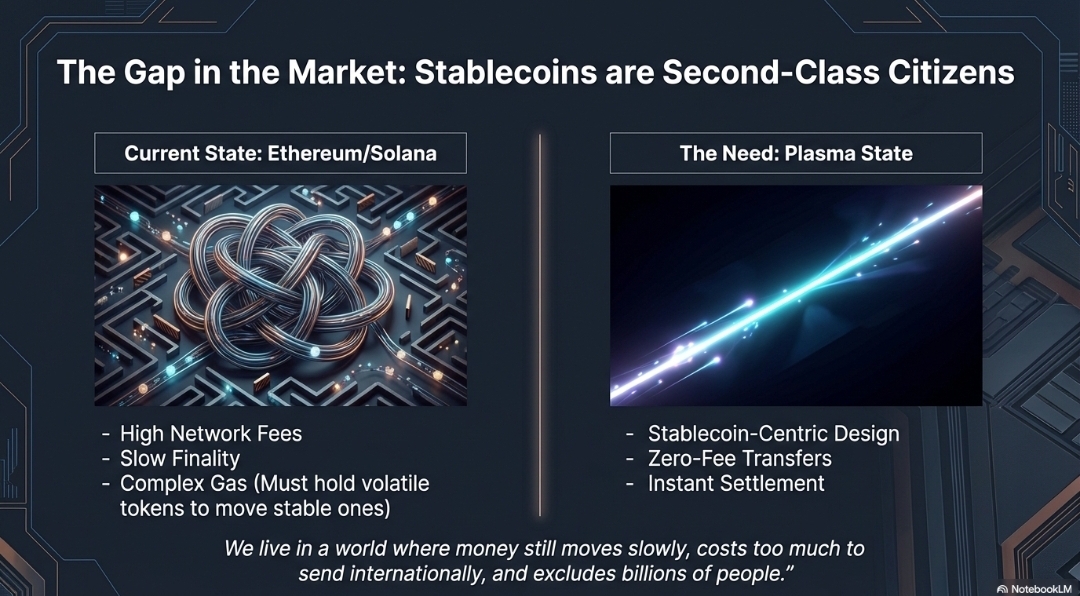
So let’s dive into what has actually been happening, where the project stands now, and why I think this journey matters.
A Quick Grounding on What Plasma Finance Is
Let’s get the basics out of the way before we get into the good stuff.
Plasma Finance is not just another layer one blockchain aiming to be a copy of something we’ve all seen before. It’s a purpose-built network a blockchain designed from the ground up specifically for stablecoin transactions and real-world financial utility. Its native token is XPL, and this token is central to everything that happens on the network from paying fees and securing the blockchain through staking to participating in governance.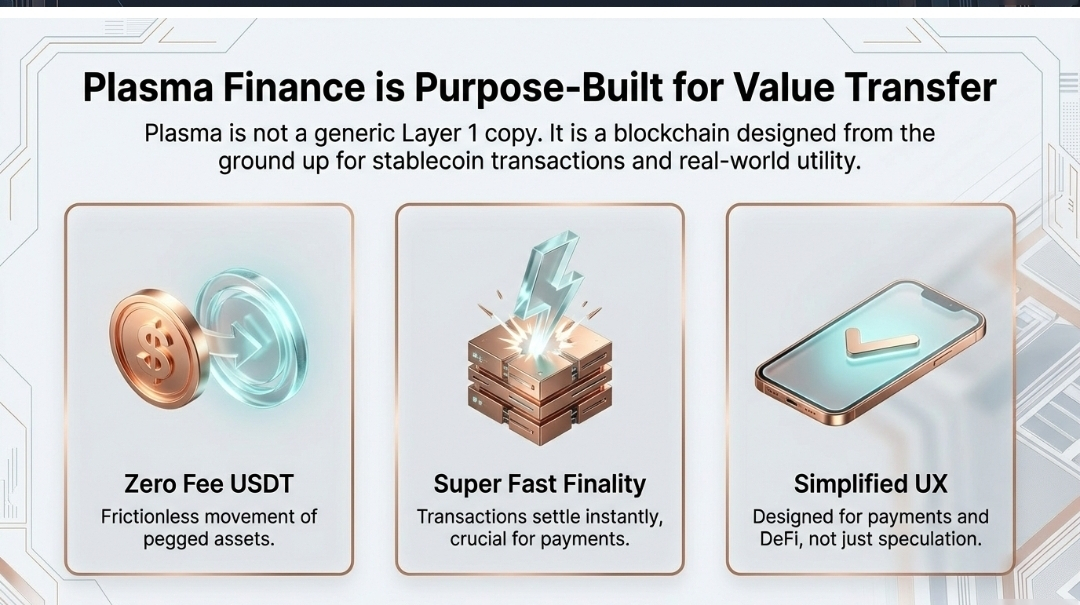
What really sets Plasma apart is that it puts stablecoins at the very center of its design, unlike Ethereum or other blockchains where stablecoins are just another asset type. Plasma is built to optimize them, which means zero fee USDT transfers, super fast finality, and a very smooth experience for payments and DeFi.
This isn’t a side-feature. It’s the core reason for the chain’s existence and why a lot of attention has started to shift its way.
The Road So Far: From Launch to Liquidity Mountains
Let’s rewind to when Plasma really began to make idents on the blockchain landscape.
In September 2025, Plasma launched its mainnet beta with a bang. The chain debuted with enormous stablecoin liquidity over two billion dollars worth locked into the network right from day one. That’s a level of traction most brands dream about.
And it wasn’t just liquidity for the sake of boasting numbers. Integrations with more than a hundred DeFi platforms like Aave, Ethena, Fluid, and Euler meant that the chain was instantly connected to the broader decentralized finance ecosystem lending, borrowing, analytics, all ready to go.
The approach here was clever. Instead of building tools after the network launched, Plasma made sure that liquidity and application support were already baked in. That’s how you give users real utility from day one.
And let’s talk about XPL’s public sale for a second. Back in July 2025, the Plasma team sold around 10% of the total supply in a public campaign that was wildly oversubscribed. People showed up because they understood what this network is trying to do: create infrastructure where traditional financial rails can eventually mingle comfortably with on-chain liquidity.
This wasn’t small-time interest folks recognized the ambition.
Tech That Actually Moves Real Value
What’s the tech under the hood here?
Plasma combines EVM compatibility meaning developers don’t have to learn something entirely new to build on it with a custom consensus called PlasmaBFT (a variant of Byzantine Fault Tolerance mechanisms) that enables super fast transaction finality and high throughput.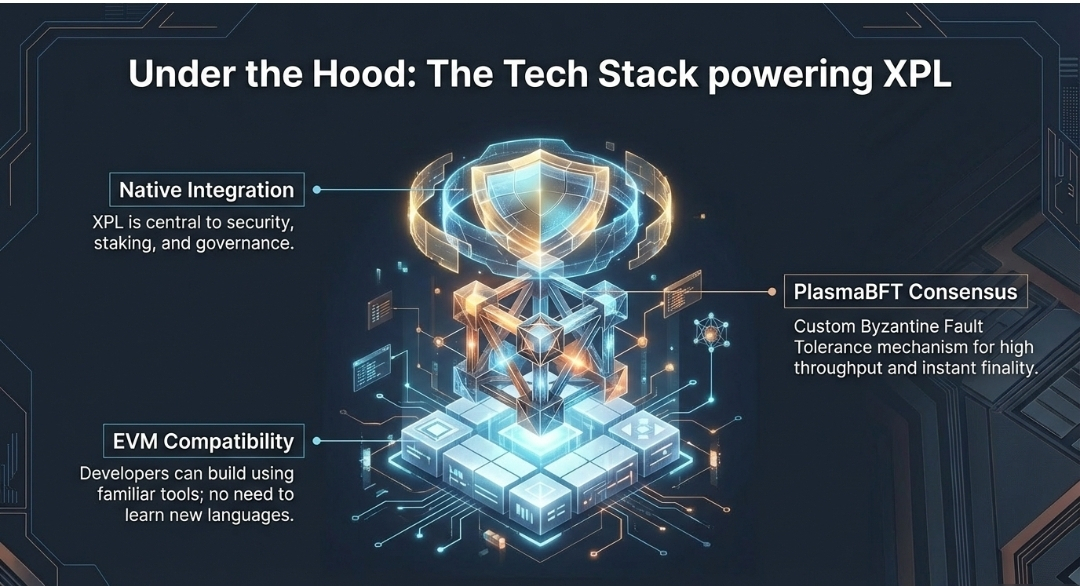
They also introduced what the community calls stablecoin-first gas meaning users can pay fees directly in stablecoins like USDT instead of needing to hold a native token just to move money. For everyday use cases real payments, remittances, merchant integrations that’s massive.
Speed, zero fees, native stablecoin support all of this is aimed toward making money as easy to move on blockchain as email is to send.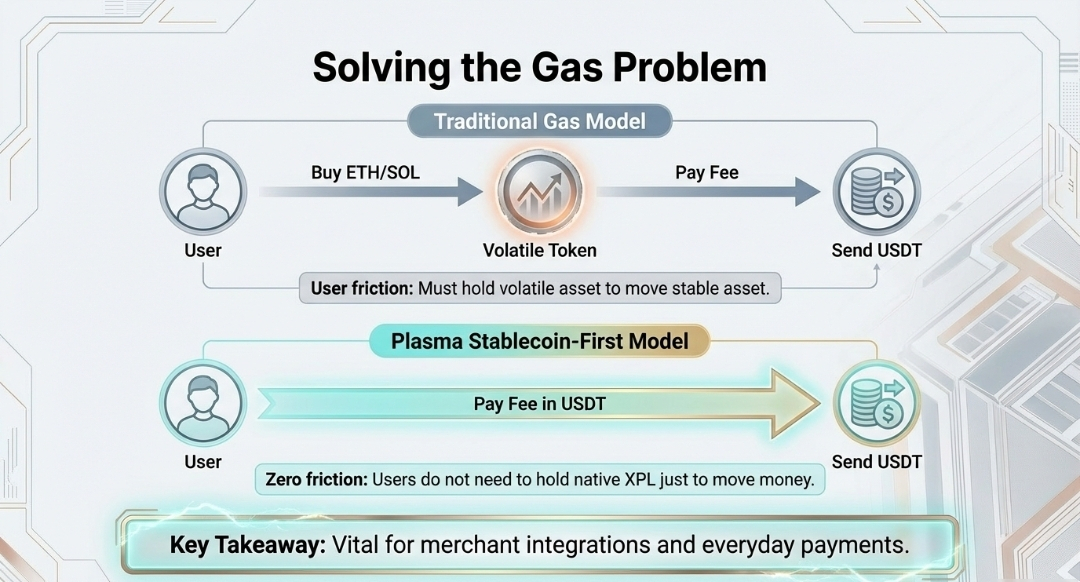
I don’t know about you, but that sounds a lot closer to real financial utility than “blockchain for fun.”
Peaks and Valleys: Price and Market Movements
Let’s be real with each other about something important the price volatility has been intense.
XPL went through some turbulent moments. There were periods where it lost significant value quickly, and that understandably rattled people. A combination of yield-farming unwind, token unlocks, and somewhat uneven day-to-day usage put pressure on price.
But that’s not the whole picture. When XPL first hit pre-market trading on a derivatives platform, it reached valuations over five billion in early interest, which tells you that markets saw the potential even before the network was fully live.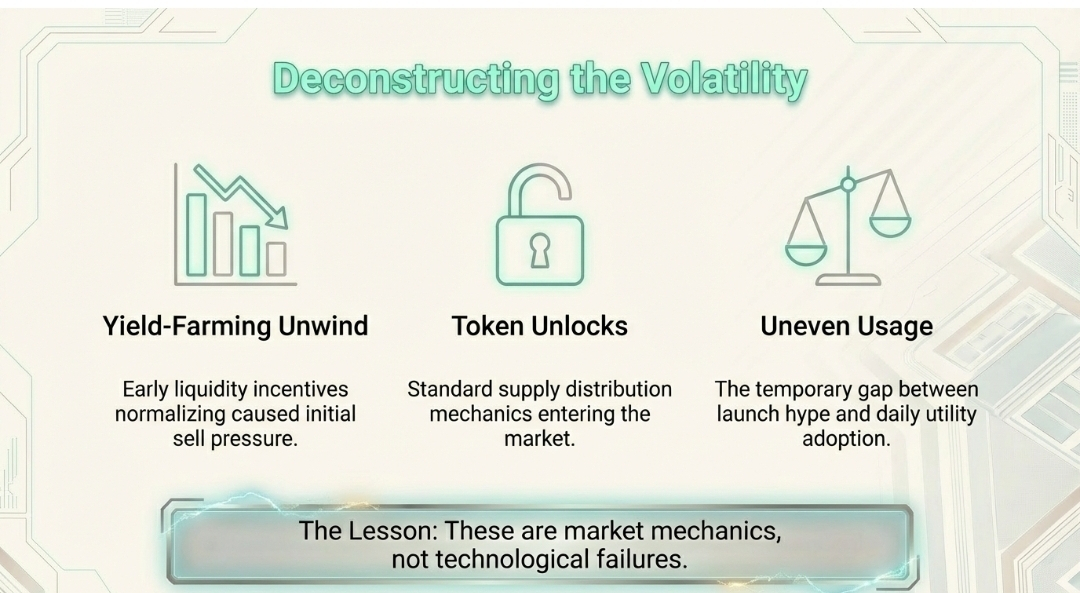
This is where we have to separate speculative volatility from fundamental progress. Just because a token offloads quickly doesn’t mean the technology or the mission is dead. Especially for a network designed to be utility-focused and long-term.
Remember, big tech networks don’t stabilize overnight. They go through growing pains. Plasma is no different.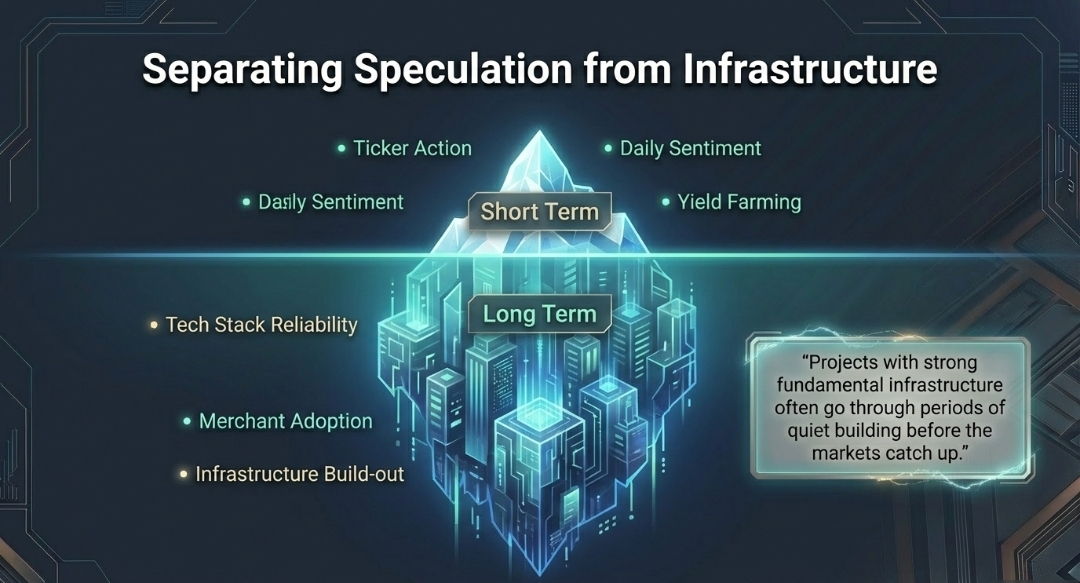
Real World Tools: More Than Just Numbers
One of the things that gets me genuinely excited is how Plasma is moving beyond just being a chain and is building usable products on top of it.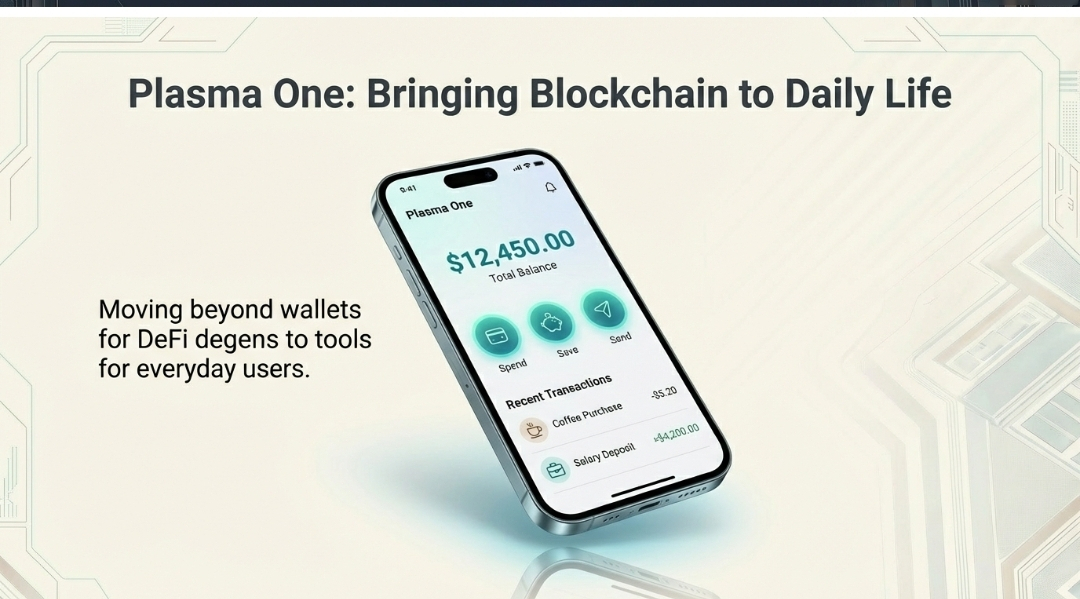
For everyday users, that means products like Plasma One a platform or app that combines multiple financial functions: payment cards, stablecoin savings, global remittances, yield opportunities all accessible through one interface. That kind of UX is what normal people need, not just traders and developers.
Features like cashback on spending, competitive savings yields, and global merchant acceptance are the kinds of things that bring blockchain into daily life, not just into wallets of DeFi degens.
This movement toward real usability is what separates projects that are interesting from projects that are transformative.
Where XPL Fits in the Broader Financial Picture
Another part of this story that I think doesn’t get enough attention is how Plasma positions itself with respect to the broader financial system.
Plasma’s ambition isn’t to be a niche token. The goal is to build infrastructure where money moves at internet speed. That means cross-border transfers, remittances, merchant payments, stable savings, all done with minimal friction. It’s about global money movement, not just crypto speculation.
There’s also talk increasingly about institutional adoption. Think legacy finance teams who see stablecoins as an on-chain representation of fiat. They don’t want every transaction to feel like it costs a fortune in fees or takes forever to settle. Plasma’s architecture speaks directly to those needs.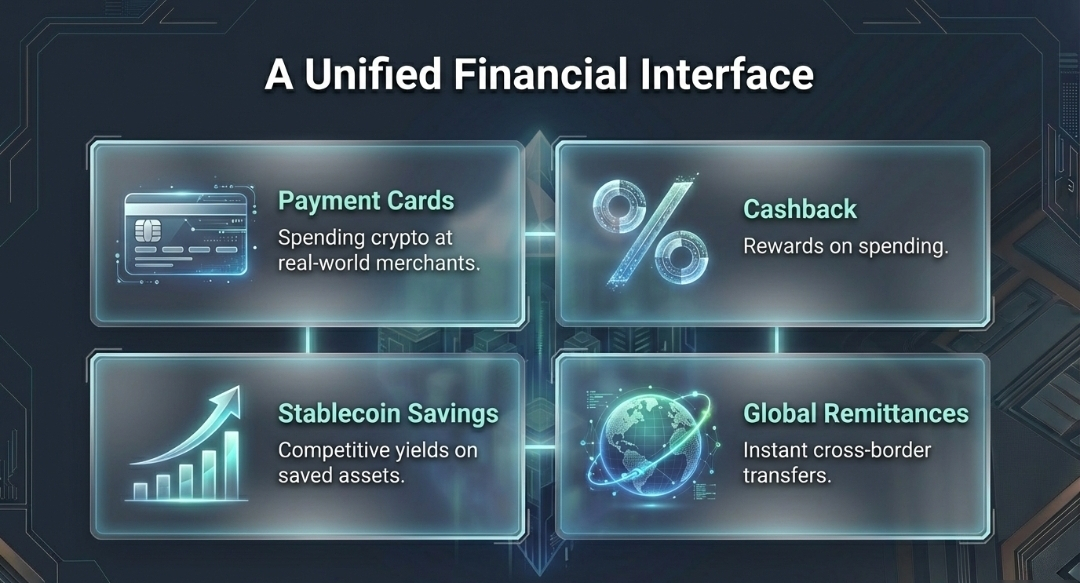
When I look at Plasma’s tech, it feels like a system built not for short-term trading but for sustainable global use.
Challenges and Real Talk
Nothing is perfect in this space. Plasma does face challenges from network adoption hurdles and competition with major players like Ethereum and Solana to the constant pressure of regulatory changes around stablecoins and token distributions.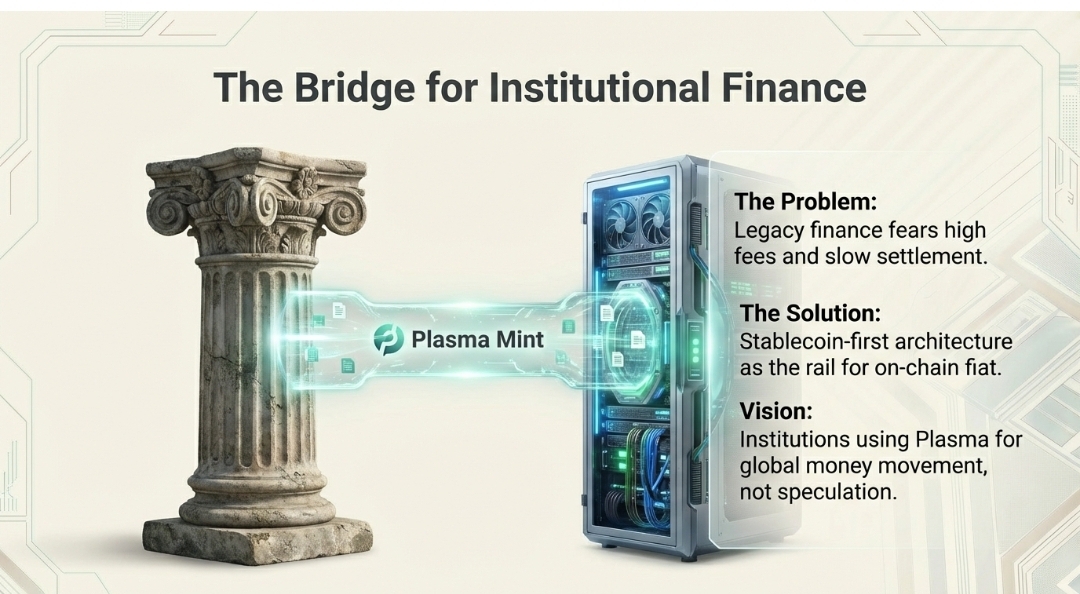
And yeah, price volatility is real. Anyone telling you otherwise isn’t living in the same market we are. But if you focus too much on the short-term ticker action and ignore the product and usage story, you miss the forest for the trees.
In fact, projects with strong fundamental infrastructure often go through periods of quiet building before the markets catch up.
So What Comes Next for Plasma and XPL?
As we move into 2026, here’s what I see shaping up:
1. Broader Ecosystem Growth
Developers will keep building on Plasma because the network is EVM compatible and offers features that make stablecoin apps smoother to run.
2. Usage Over Hype
Day-to-day actual transactions and real usage is what’s going to solidify Plasma’s position. It’s no longer about who can launch the flashiest token. It’s about who can deliver something people actually use.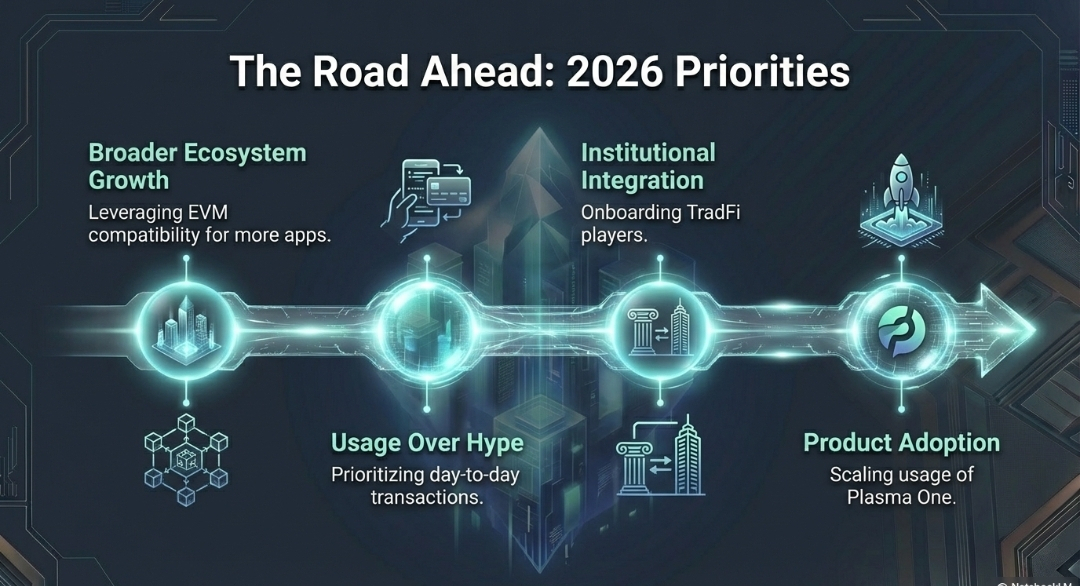
3. Institutional and TradFi Integration
The tools being built right now, stablecoin-first rails, fast settlement, low cost are attractive not just to crypto natives but to traditional players looking for on-chain utility.
4. Product Adoption like Plasma One
This isn’t a wallet or a DeFi appendage. It’s a platform that could bring blockchain experiences into everyday finance.
Final Thoughts
If there’s one takeaway I want you to have from all of this, it’s this:
Plasma and XPL are building something that looks less like today’s crypto playground and more like tomorrow’s financial infrastructure.
And that is way more important than price charts or weekly volatility. We live in a world where money still moves slowly, costs too much to send internationally, and excludes billions of people from fast financial services. Plasma is one of the systems actually trying to fix that.
So yeah, we can talk price, and we can talk charts, and we can debate daily sentiment, but if you step back and look at what this network is trying to be and build, it’s genuinely exciting.
Thanks for being part of this journey with me. The road ahead is going to be interesting.