
Arbitrage trading is a financial strategy that seeks to profit from price inefficiencies in various markets. Traders employing this method take advantage of price differences for the same asset or security across different exchanges, geographical regions, or financial instruments. Arbitrage trading has gained significant popularity in recent years due to advancements in technology and increased market globalization.
WHAT IS ARBITRAGE TRADING
Arbitrage trading is rooted in the concept of exploiting market discrepancies to generate risk-free profits. The practice relies on the efficient market hypothesis, which assumes that all available information is reflected in the market prices of assets. However, due to various factors such as geographical separation, time zone differences, or regulatory disparities, identical assets can be priced differently in different markets.
Common Arbitrage Strategies:
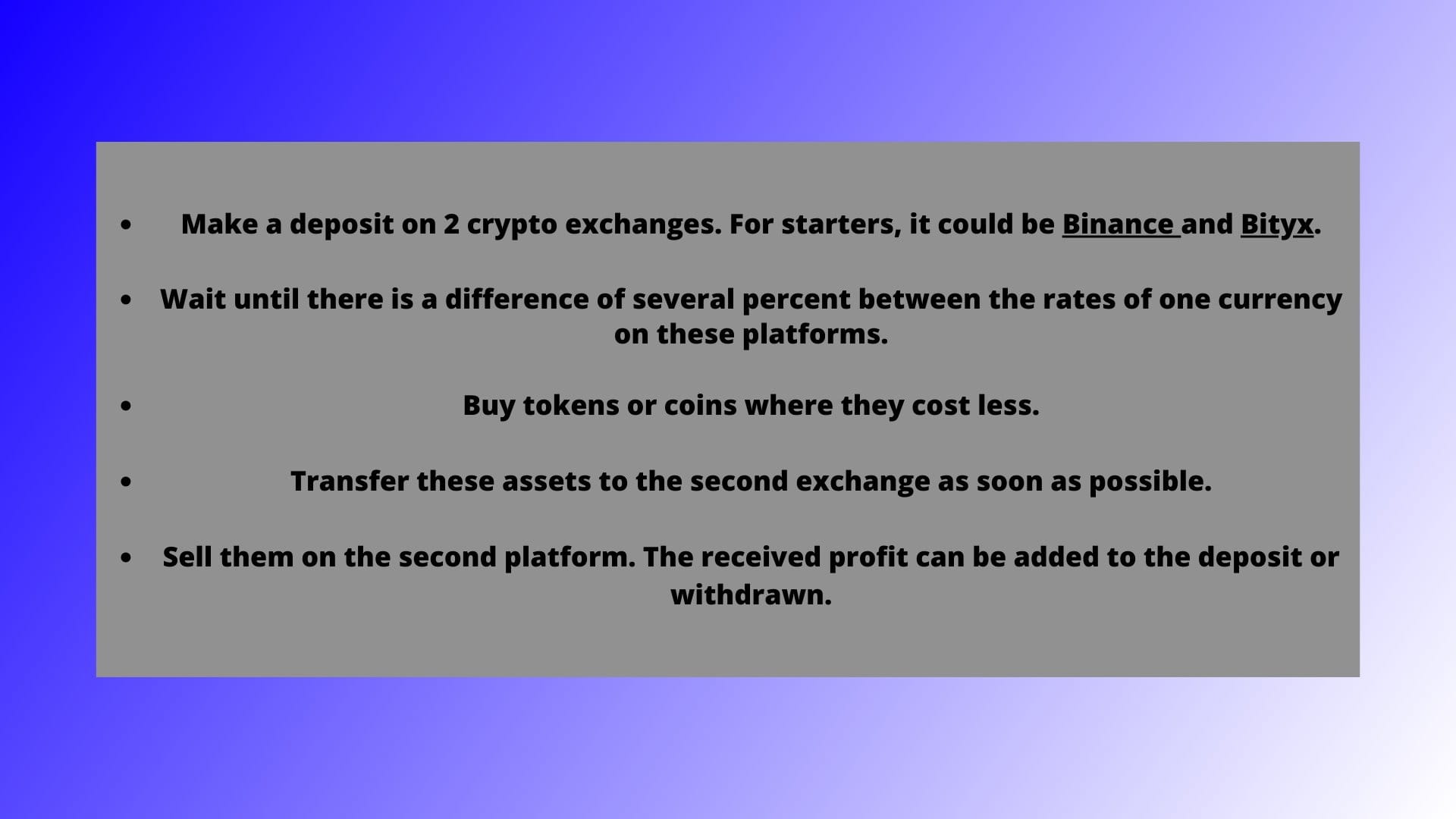
The idea is to buy where the price is low and sell where the price is high. The more volatile the market, the more opportunities there are.
Spatial Arbitrage: This strategy involves capitalizing on price differentials between different exchanges or geographical regions. Traders purchase an asset at a lower price in one market and simultaneously sell it at a higher price in another market, thereby profiting from the price imbalance.
This is the simplest strategy, which involves taking advantage of price differences between different DEXs. To keep it simple, this research is done manually. You can use dexscreener to manually scan prices and find differences between DEXs.
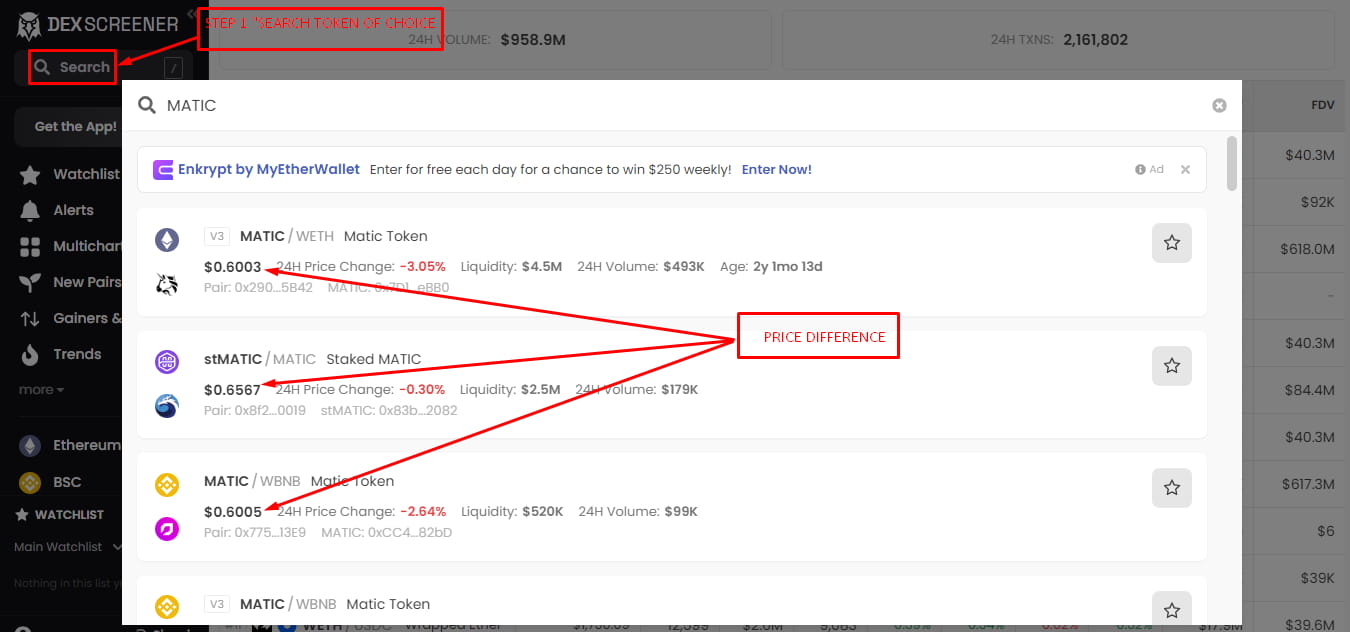
If the price difference is significant, you can buy for example $MATIC on DEX A and sell it on DEX B. You can even do it on different blockchains (buy #Ethereum on and sell on #Polygon). Be cautious of gas fees in this case.
Temporal Arbitrage: Also known as time-based arbitrage, this strategy exploits price variations that occur over time. Traders identify assets that experience price discrepancies due to time zone differences, market opening and closing times, or news events affecting different regions.
Under normal circumstances, you won't make profits with Spatial Arbitrage strategy because it is too manual but during times of volatility (significant price fluctuations, FUD, major issues, etc.), you can make gains with this simple strategy. I've done it before!
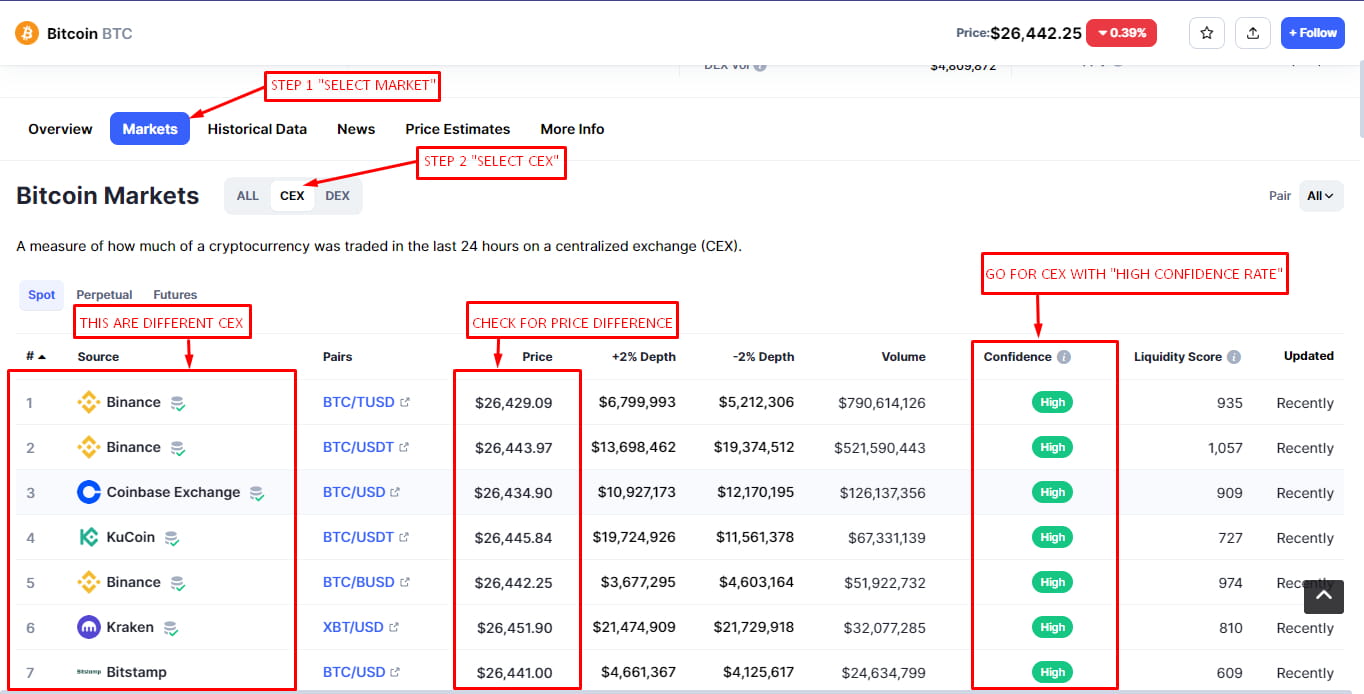
The second strategy is similar to the first one, you do it on CEXs. You can use CoinMarketCap to scan crypto prices on different Cex exchanges and find price differences. Interact only with CEXs that have a HIGH confidence level.
This image below explains how to go about it on Cex.
You will find more opportunities on CEXs than DEXs, but it's slightly riskier on CEXs. Many CEXs are scams and freeze users' funds. That's why you should only interact with CEXs marked as HIGH confidence on Coinmarketcap.
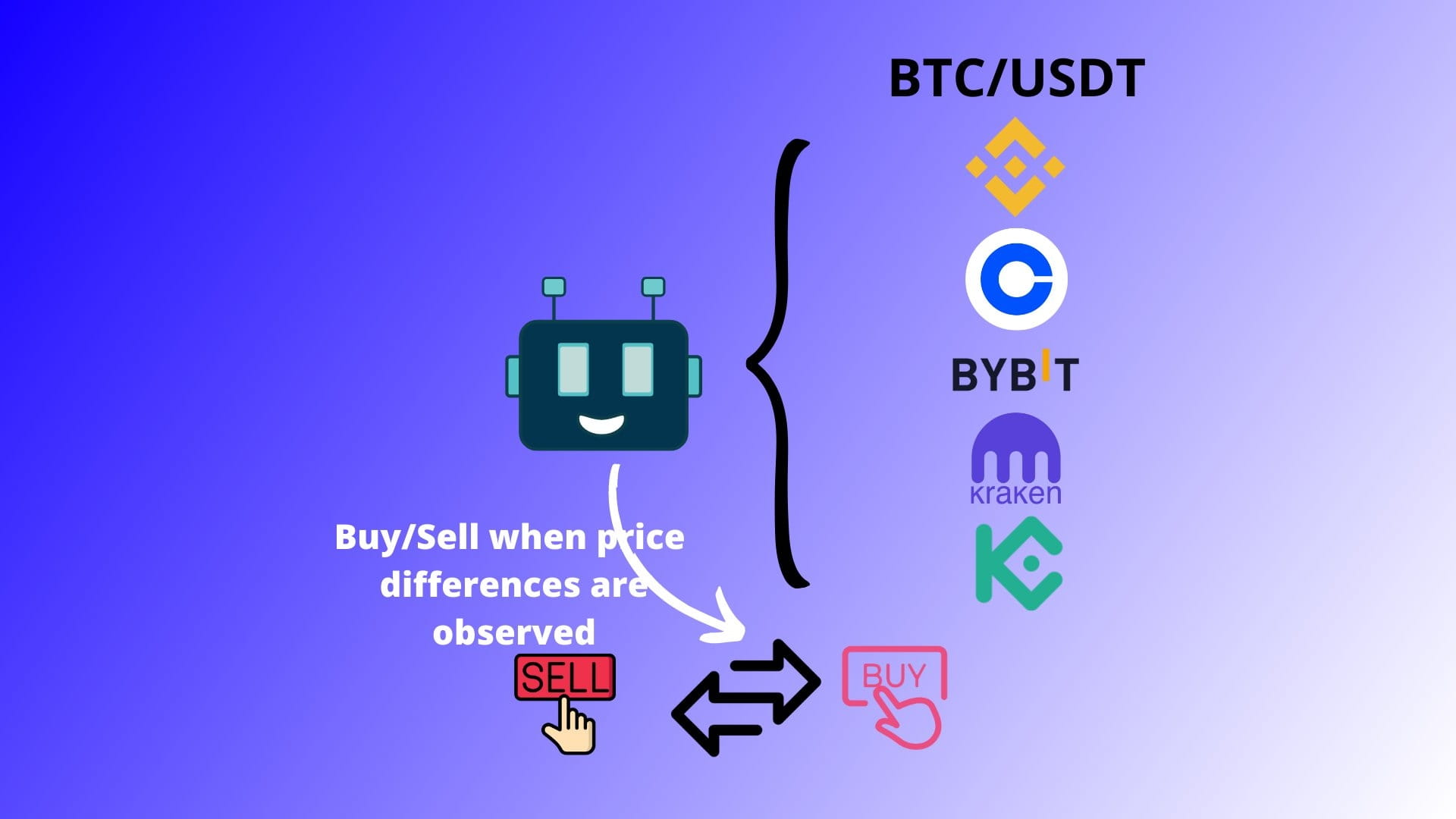
Arbitrage bots: scan crypto prices on different CEXs, and once an opportunity is found, they automatically perform the buying and selling operations. There are numerous platforms that offer such services, usually for a fee.
Risks Associated with Arbitrage Trading:
While arbitrage trading can be lucrative, it is not without risks. Some key risks include:
a) Execution Risk: Timing is crucial in arbitrage trading, and delays in executing trades can erode potential profits or turn a profitable trade into a loss.
b) Regulatory and Legal Risks: Different markets have varying rules and regulations, and traders must ensure compliance to avoid legal issues or restrictions.
c) Market Risk: Arbitrage opportunities arise from price discrepancies, which can result from market volatility. Sudden price movements or market-wide disruptions can lead to losses for arbitrage traders.
Rewards and Benefits of Arbitrage Trading:
a) Risk-Free Profits: When executed successfully, arbitrage trading can yield risk-free profits since traders exploit pricing discrepancies without taking on market risk.
b) Liquidity Provision: Arbitrage traders contribute to market efficiency by narrowing price disparities and increasing liquidity across markets.
c) Diversification: Arbitrage strategies allow traders to diversify their portfolios and reduce their exposure to specific market conditions or assets.
Conclusion:
Arbitrage trading provides traders with an opportunity to capitalize on price discrepancies and generate risk-free profits. Employing various strategies, arbitrageurs aim to exploit inefficiencies in markets worldwide. However, it is essential to understand the associated risks, including execution risk, regulatory challenges, and market volatility. Successful arbitrage trading requires thorough research, advanced technology, and quick execution capabilities. By understanding the intricacies of arbitrage trading, traders can potentially leverage this strategy to enhance their investment returns.