
When I first heard about Vanar Chain and its token VANRY, I was curious because it wasn’t just another crypto project promising moonshots and flashy metrics. Instead, it felt like something quietly building real infrastructure beneath the surface, and digging into the latest developments only reinforced that sense of substance and forward momentum.
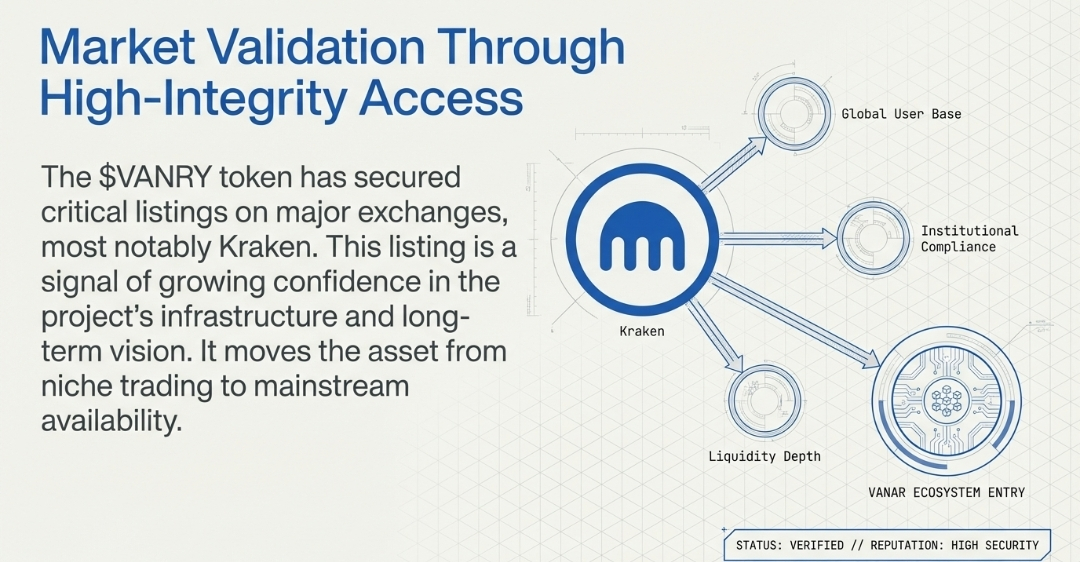
At its core, Vanar Chain is a Layer 1 blockchain designed to be fast, cost-efficient, and scalable for real-world use. Unlike networks that tout massive throughput numbers without clear utility, Vanar is engineered to support meaningful applications across gaming, finance, real world assets, and intelligent Web3 services. Its EVM compatibility means developers familiar with Ethereum tooling can deploy smart contracts and dApps with minimal friction, which is a big advantage in onboarding builders and users alike.
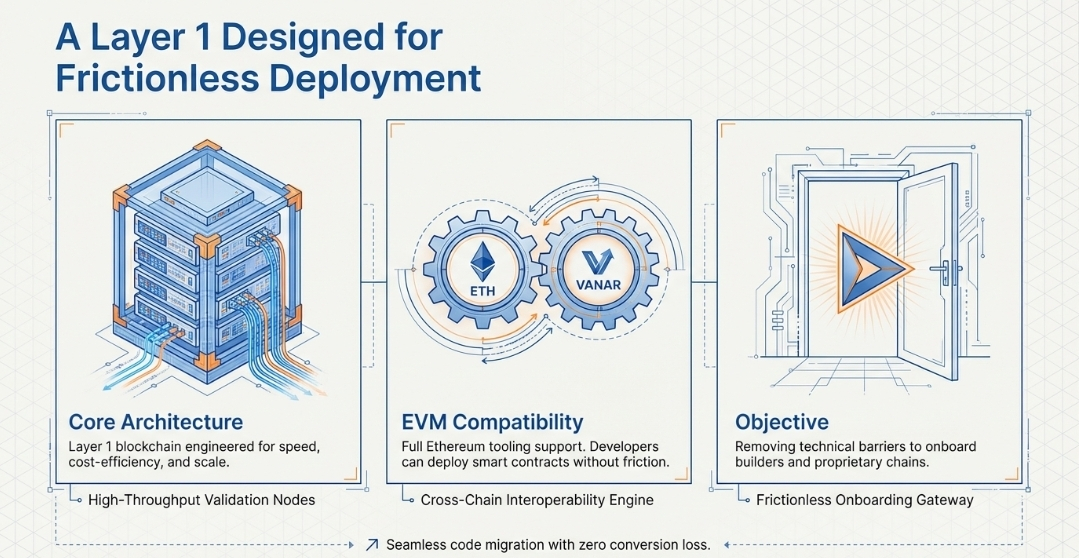
One of the most tangible milestones for Vanar recently has been the expansion of VANRY’s accessibility. The token has secured listings on major exchanges, including Kraken, which has millions of users globally and a strong reputation for security and compliance. This is significant because it exposes VANRY to a broader base of crypto holders and investors, making it easier to trade and use in everyday blockchain interactions.
Accessibility like that is often overlooked, but it matters a lot when a project moves from niche community trading into mainstream crypto markets. The listing on Kraken is just one of several exchange integrations that reflect growing confidence in the project’s infrastructure and long-term vision.
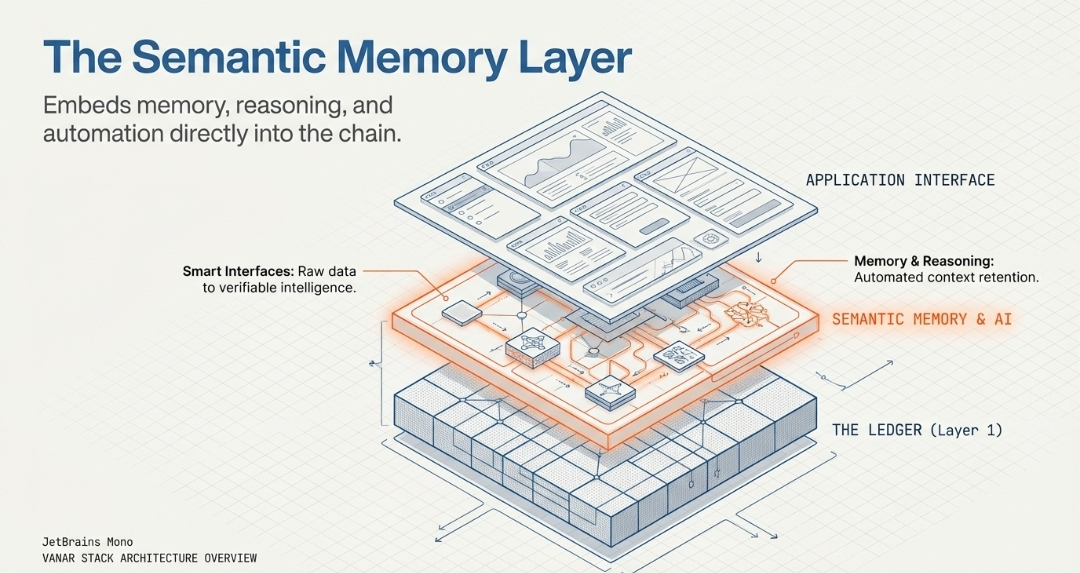
That vision extends beyond token trading. Vanar has been actively building the pieces of what it calls a “next generation Web3 stack,” one that goes beyond traditional ledger functions. The new infrastructure layers are designed to bring artificial intelligence into blockchain interactions in a seamless way. This means embedding memory, reasoning, and automation directly into the ecosystem rather than tacking AI on as an add-on. The stack includes components like a semantic memory layer and smart interfaces that help turn raw data into verifiable intelligence on-chain.
This is not hype for hype’s sake. I’ve seen discussions from community participants and developers who are already experimenting with these tools in real loads, and it’s clear that this is edging toward everyday utility rather than theoretical future promises.
Another area where Vanar is pushing boundaries is in real world asset tokenization. In partnership with Nexera Network, Vanar is building infrastructure to bring tangible assets like real estate, commodities, and financial instruments onto the blockchain in a compliant and efficient manner. This isn’t a small feat; tokenizing real world assets typically comes with regulatory and technological hurdles. The Nexera collaboration aims to simplify this process with middleware solutions that handle compliance and streamline deployment for businesses and developers.
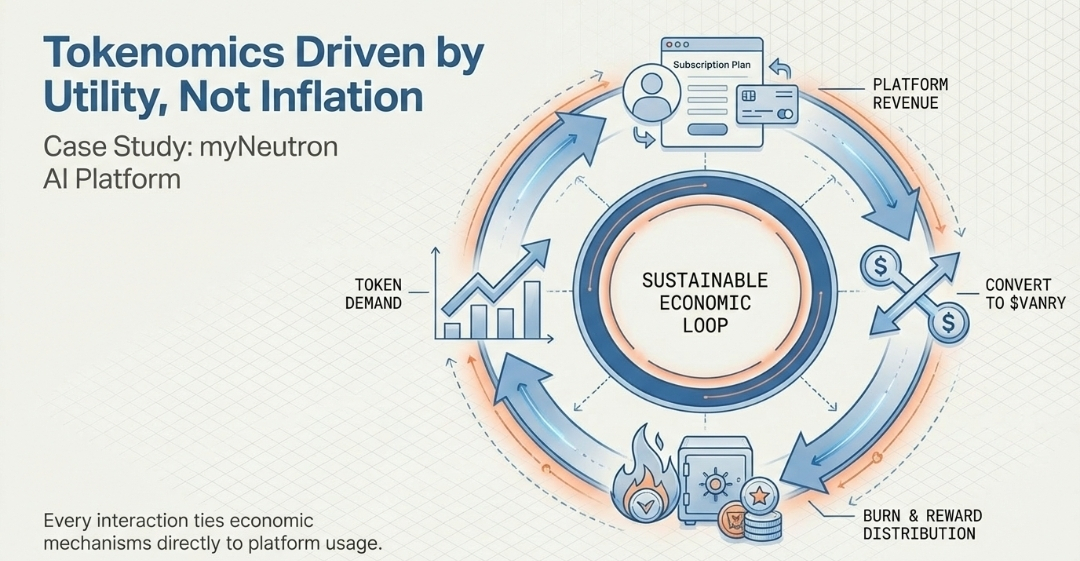
I find this especially compelling because it signals a shift toward bridging traditional finance and decentralized technology. As someone who’s watched many blockchain projects come and go, seeing infrastructure that actually tackles real world problems like compliance and ease of tokenization feels like progress worth paying attention to.
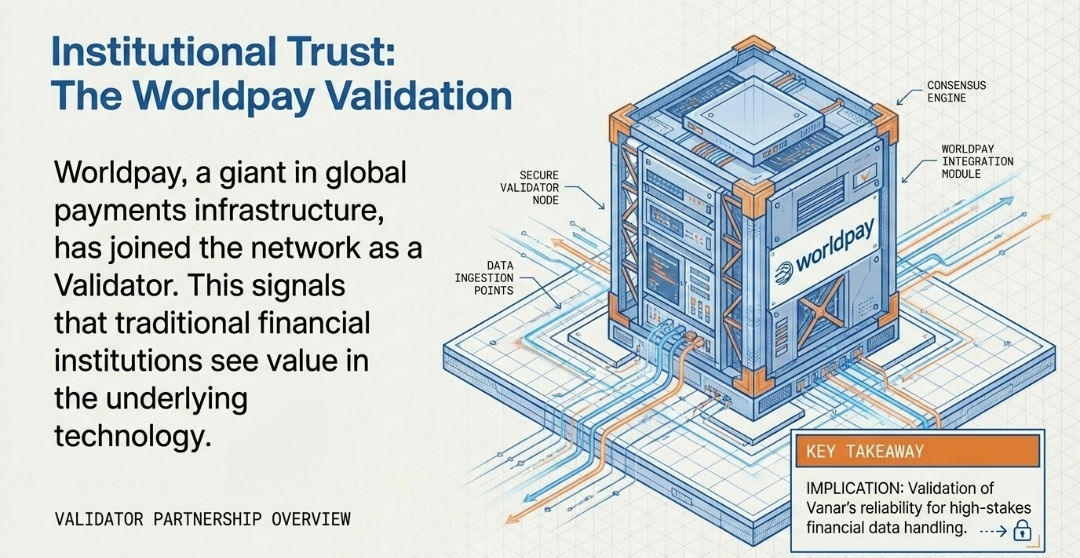
Adoption and ecosystem growth are always top of mind for me, and on that front Vanar has been making some smart moves. A key strategic partner, Worldpay, has joined as a validator on the Vanar network, helping to expand its foothold in global payments infrastructure and increase the chain’s reliability and real world relevancy.
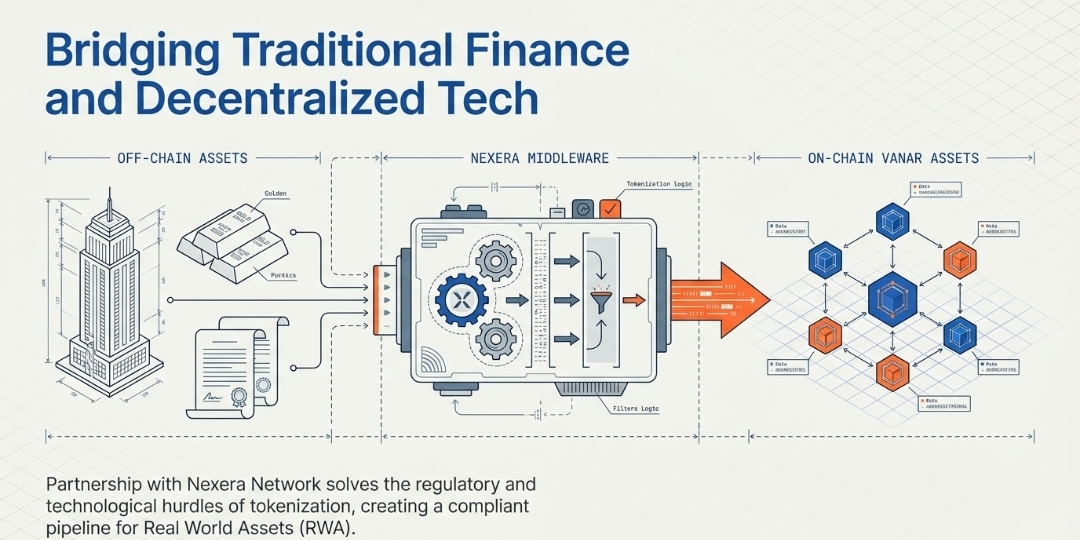
Partnerships like this signal that institutions see value in the underlying technology, not just the speculative token price. And speaking of utility, Vanar is also rolling out systems that tie usage into economic mechanisms that benefit VANRY holders. For example, the myNeutron AI platform has launched monetization features that convert revenue into VANRY, with portions sent to burn, rewards, and community funds. That means every subscription or paid service using the platform contributes to token demand and helps strengthen the ecosystem over time.
I want to pause for a moment and be candid here: reading about these developments, I felt a shift. Early in my crypto journey I was obsessed with blockbuster metrics and price charts. But with Vanar, the draw isn’t short-lived hype, it’s the evolving architecture and incremental but meaningful real world adoption. That feels different and, honestly, refreshing.
You can see that same focus on everyday use in how Vanar approaches reliability. Rather than chasing the loudest performance numbers, the team emphasizes robustness and consistency. One recent piece even described how this “uncool obsession” with reliability could make networks like Vanar dependable foundations once real money, games, and enterprise systems start relying on them. That’s not a flashy line, but it’s exactly the kind of slow and steady foundation that has historically enabled tech platforms to scale.
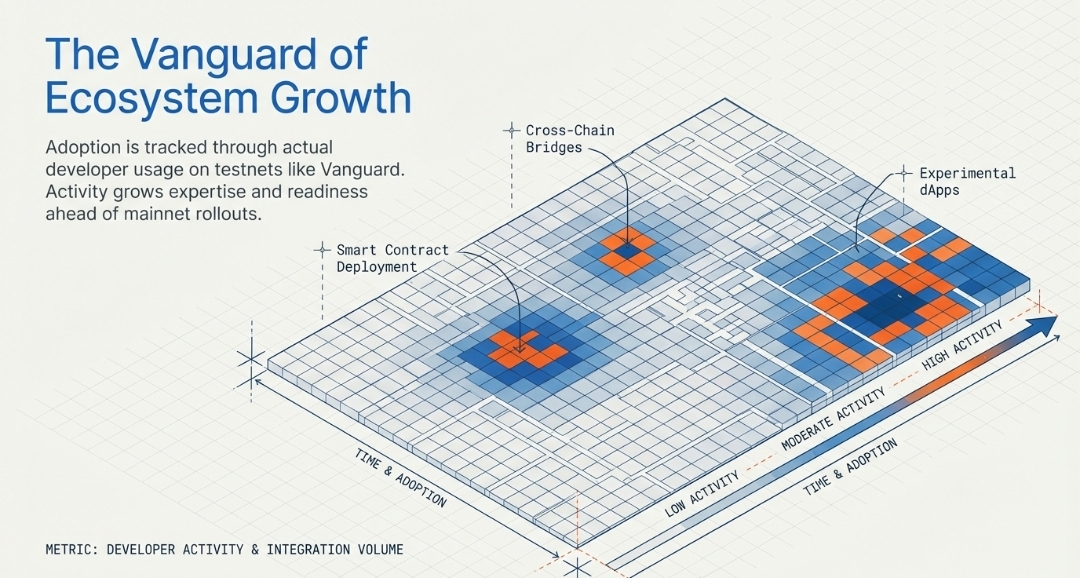
While Vanar is clearly evolving its core blockchain and ecosystem, community tools and integrations are also gaining traction. On testnets like Vanguard, developers can experiment with smart contracts and cross-chain bridges involving VANRY, helping to grow expertise and readiness ahead of broader mainnet rollouts.
Community involvement and real usage matter greatly in blockchain projects, and Vanar’s trajectory shows that it’s building both. Whether that’s through listed trading pairs, validator partnerships, tokenization frameworks, or AI-enabled layers, the network is stacking capabilities that can support a wide array of applications in Web3.
So if you and I are looking beyond short term narratives to what could actually sustain a blockchain ecosystem in the long haul, Vanar’s approach is one worth watching. It’s easy to get caught up in charts, but when the technology starts showing up in real tools and collaborations with traditional systems, that’s when it becomes tangible. And from where I’m standing, Vanar’s recent moves are just the start of something that could really matter in how decentralized networks evolve in the next few years.
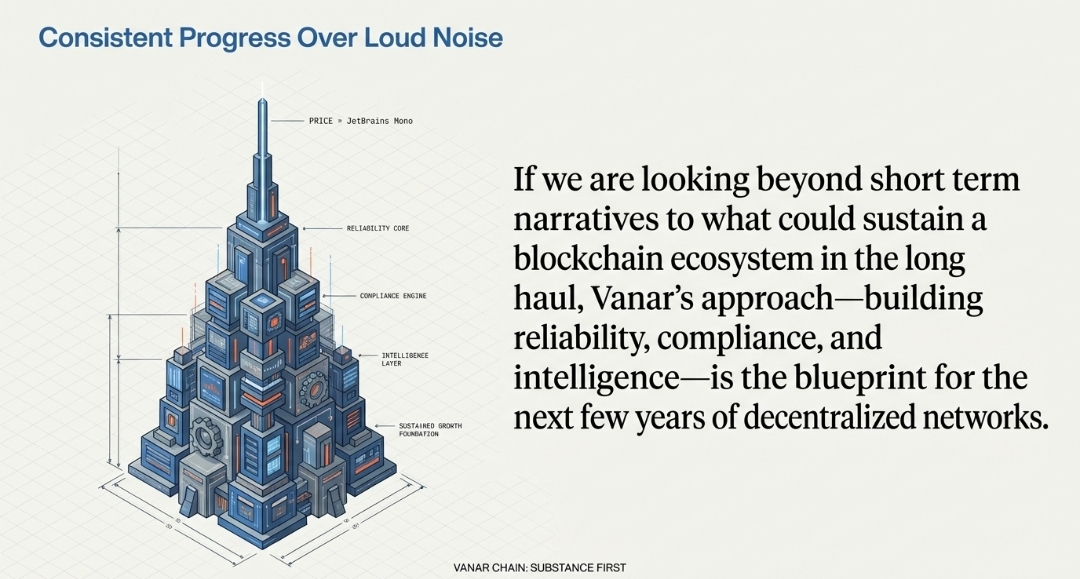
If you’re building, trading, or just exploring what comes after the buzz, Vanar’s story right now is a reminder that sometimes the most compelling work happens not with the loudest noise but with the most consistent progress.
