
RAZIQ17
3.2k Paylaşımlar

RAZIQ17
Açıq ticarət
Yüksək tezlikli treyder
6.8 ay
2 İzlənilir
10.2K+ İzləyicilər
2.4K+ Bəyəndi
Postlar
Portfel
Hamısı
Canlı
BƏRKİDİLDİ
Doğrulanıb
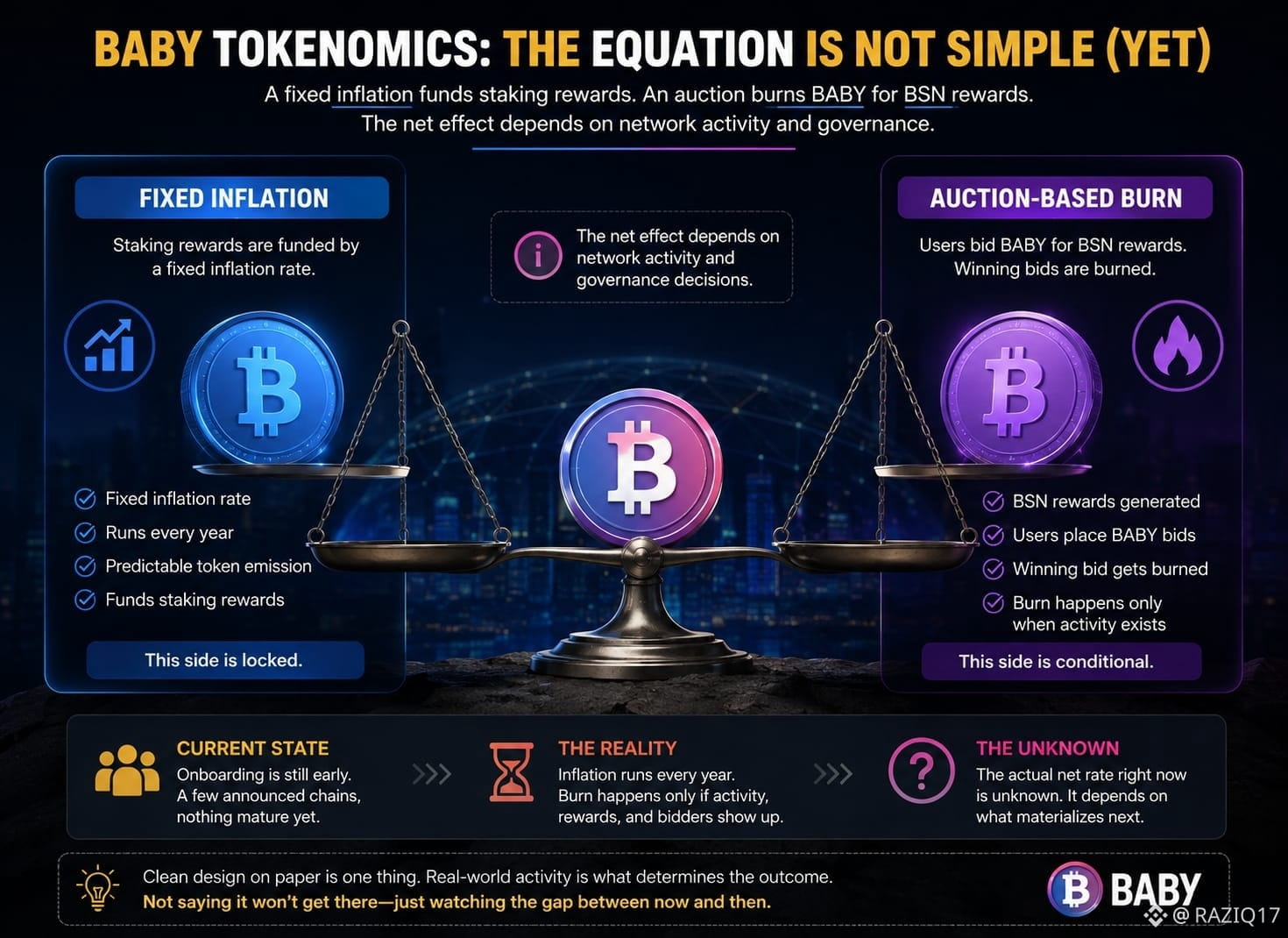
Bu məkanda kifayət qədər il keçirmişəm ki, hesabatla reallıq bir-birindən uzaqlaşmağa başlayanda bunu hiss edim. Bu gün BABY-nin öz səhifəsinə geri qayıtdım. İnvestisiyaların (steking mükafatlarının) maliyyələşməsini təmin edən sabit bir inflyasiya rəqəmi var — nə olursa olsun. Digər tərəfdə isə insanlardan BABY-ni BSN mükafatlarına görə hərraca çıxarıb hərracda qalib gələn təklifin yandırıldığı bir mexanizm dayanır. Bu iki şeyi bir-birinə uyğunlaşdırıb hər hansı səssiz bir tarazlıq təsəvvür etmək çox cəlbedicidir. Amma səhifə bunu heç vaxt konkret olaraq demir. Sadəcə qeyd edir ki, nəticədə yaranan xalis təsir şəbəkə aktivliyindən və eləcə də idarəetmənin (qorvenansın) necə qərar verməsindən asılıdır.
Tənliyin bir tərəfi kilidlənib. Hər il görünür. Yandırılma isə yalnız o zaman ortaya çıxır ki, kifayət qədər BSN-lər həqiqətən işə düşsün, real mükafatlar yaratsın və hərraca təklif vermək üçün kiminsə gəlməsi baş versin. Hazırda onboardinq hələ başlanğıc mərhələsində görünür — bir neçə elan olunmuş zəncir var, amma hələ yetkinlik hissi yaradan bir şey yoxdur. Mən bunun əvvəlki versiyalarını da görmüşəm. Kağız üzərində səliqəli görünən dizaynlar var, amma onlara əsaslanan fəaliyyət insanların ümid etdiyi kimi heç vaxt miqyaslanmır. Bunun oraya çatmayacağını iddia etmirəm. Sadəcə inflyasiyanın işləməyə davam etdiyi halda, kompensasiya tərəfinin hələ əvvəlcə reallaşmalı olan bir şeyə gözləməsi faktı ilə yaşayıram. Bu mərhələdə xalis dərəcənin real olaraq neçə olduğu — hələ də heç kəsin ortaya qoyub göstərməyə gücü çatan konkret bir rəqəm deyil.
$BABY @BabylonLabs_io #baby
Tənliyin bir tərəfi kilidlənib. Hər il görünür. Yandırılma isə yalnız o zaman ortaya çıxır ki, kifayət qədər BSN-lər həqiqətən işə düşsün, real mükafatlar yaratsın və hərraca təklif vermək üçün kiminsə gəlməsi baş versin. Hazırda onboardinq hələ başlanğıc mərhələsində görünür — bir neçə elan olunmuş zəncir var, amma hələ yetkinlik hissi yaradan bir şey yoxdur. Mən bunun əvvəlki versiyalarını da görmüşəm. Kağız üzərində səliqəli görünən dizaynlar var, amma onlara əsaslanan fəaliyyət insanların ümid etdiyi kimi heç vaxt miqyaslanmır. Bunun oraya çatmayacağını iddia etmirəm. Sadəcə inflyasiyanın işləməyə davam etdiyi halda, kompensasiya tərəfinin hələ əvvəlcə reallaşmalı olan bir şeyə gözləməsi faktı ilə yaşayıram. Bu mərhələdə xalis dərəcənin real olaraq neçə olduğu — hələ də heç kəsin ortaya qoyub göstərməyə gücü çatan konkret bir rəqəm deyil.
$BABY @BabylonLabs_io #baby
BƏRKİDİLDİ
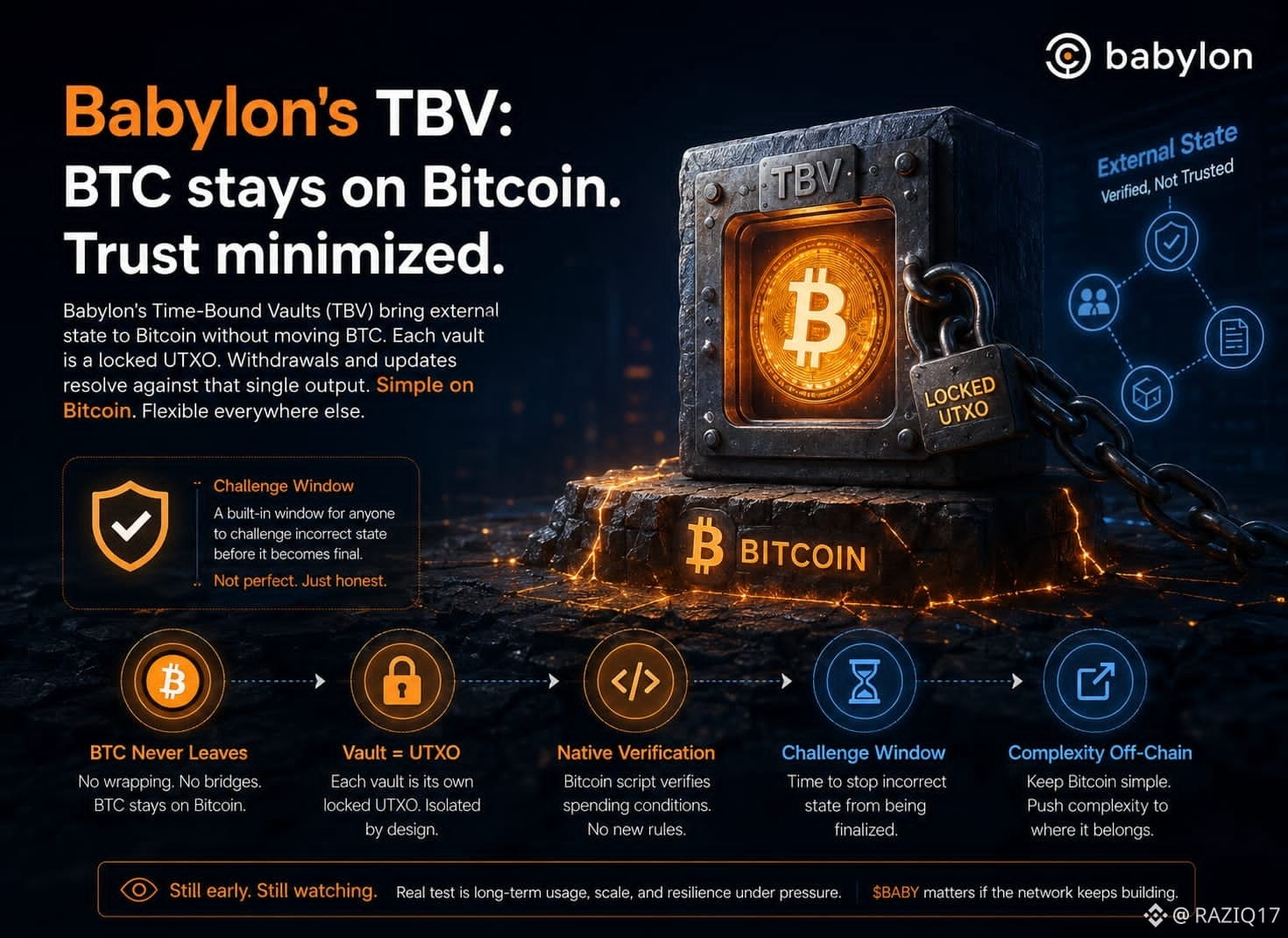
Müddətdir Babylon-dan olan bu TBV məsələsinə baxıram və nəsə onun adət etdiyimiz körpü-və-quruluş (bridge-and-wrap) hekayələrindən fərqli hiss etdirir.
Gec evə çatdım və gözlədiyimdən daha uzun müddət sənədlərlə oturdum. Çıxarış (withdrawal) yolları beynimdə dönüb-dolaşırdı. Əksər dizaynlarda BTC-ni başqa yerə köçürürlər, sonra da onu geri gətirmək üçün sənə tamam yeni bir tərəflər dəsti barədə inanmağı xahiş edirlər. O filmi kifayət qədər görmüşəm. Nəsə sıradan çıxanda məsuliyyət çox tez dumanlanır.
Burada etdikləri iş Bitcoin-ə yeni fəndlər öyrətməyə çalışmır. Xarici vəziyyəti elə xərcləmə şərtlərinə çevirir ki, mövcud skript onsuz da onları yoxlaya bilir. BTC heç vaxt öz zəncirindən çıxmır. Hər bir vault başlanğıcdan kilidlənmiş öz UTXO-sudur və hər hansı paylaşılan bir hovuzun içinə qarışdırılmır. Bu hiss qəsdən edilmiş kimi görünür. Vəsaitlər təcrid olunmuş qalır. Çıxarışlar və vəziyyət dəyişiklikləri hamısı məhz həmin tək çıxış (output) üzərində həll olunmalıdır.
Çətinlik pəncərəsi (challenge window) də maraqlıdır. Sistemi guya mükəmməl kimi göstərmir. Sadəcə, kimsənin yanlış bir vəziyyətin yekunlaşmasının qarşısını almağa yer saxlayır. Bitcoin tərəfdə yoxlamalar dar çərçivədə qalır, mürəkkəblik isə daha çox kənara ötürülür.
Hələ də tam əmin deyiləm. Miqyas, real tələbat və şəbəkə təzyiq altında olanda çıxarış axınının necə davrandığı sual işarələri olaraq qalır. BABY yalnız insanlar ilk dalğa səngidəndən sonra da şəbəkədən istifadə etməyə davam edərsə önəmli olacaq. Amma mənim adətən daşıdığım ehtiyat hissi burada bir az daha səssizdir. Yox deyil. Sadəcə daha səssiz.
Rəqəmlərə baxmağa davam edəcəyəm.🧐
$BABY @BabylonLabs_io #baby
Gec evə çatdım və gözlədiyimdən daha uzun müddət sənədlərlə oturdum. Çıxarış (withdrawal) yolları beynimdə dönüb-dolaşırdı. Əksər dizaynlarda BTC-ni başqa yerə köçürürlər, sonra da onu geri gətirmək üçün sənə tamam yeni bir tərəflər dəsti barədə inanmağı xahiş edirlər. O filmi kifayət qədər görmüşəm. Nəsə sıradan çıxanda məsuliyyət çox tez dumanlanır.
Burada etdikləri iş Bitcoin-ə yeni fəndlər öyrətməyə çalışmır. Xarici vəziyyəti elə xərcləmə şərtlərinə çevirir ki, mövcud skript onsuz da onları yoxlaya bilir. BTC heç vaxt öz zəncirindən çıxmır. Hər bir vault başlanğıcdan kilidlənmiş öz UTXO-sudur və hər hansı paylaşılan bir hovuzun içinə qarışdırılmır. Bu hiss qəsdən edilmiş kimi görünür. Vəsaitlər təcrid olunmuş qalır. Çıxarışlar və vəziyyət dəyişiklikləri hamısı məhz həmin tək çıxış (output) üzərində həll olunmalıdır.
Çətinlik pəncərəsi (challenge window) də maraqlıdır. Sistemi guya mükəmməl kimi göstərmir. Sadəcə, kimsənin yanlış bir vəziyyətin yekunlaşmasının qarşısını almağa yer saxlayır. Bitcoin tərəfdə yoxlamalar dar çərçivədə qalır, mürəkkəblik isə daha çox kənara ötürülür.
Hələ də tam əmin deyiləm. Miqyas, real tələbat və şəbəkə təzyiq altında olanda çıxarış axınının necə davrandığı sual işarələri olaraq qalır. BABY yalnız insanlar ilk dalğa səngidəndən sonra da şəbəkədən istifadə etməyə davam edərsə önəmli olacaq. Amma mənim adətən daşıdığım ehtiyat hissi burada bir az daha səssizdir. Yox deyil. Sadəcə daha səssiz.
Rəqəmlərə baxmağa davam edəcəyəm.🧐
$BABY @BabylonLabs_io #baby
·
--
🎙️ Gəlin birlikdə $USD1 & $WLFI haqqında danışaq. 🚀🔥🔥🔥 $BNB
Sonlandı
04 saat 04 dəqiqə 26 san
9.6k
5
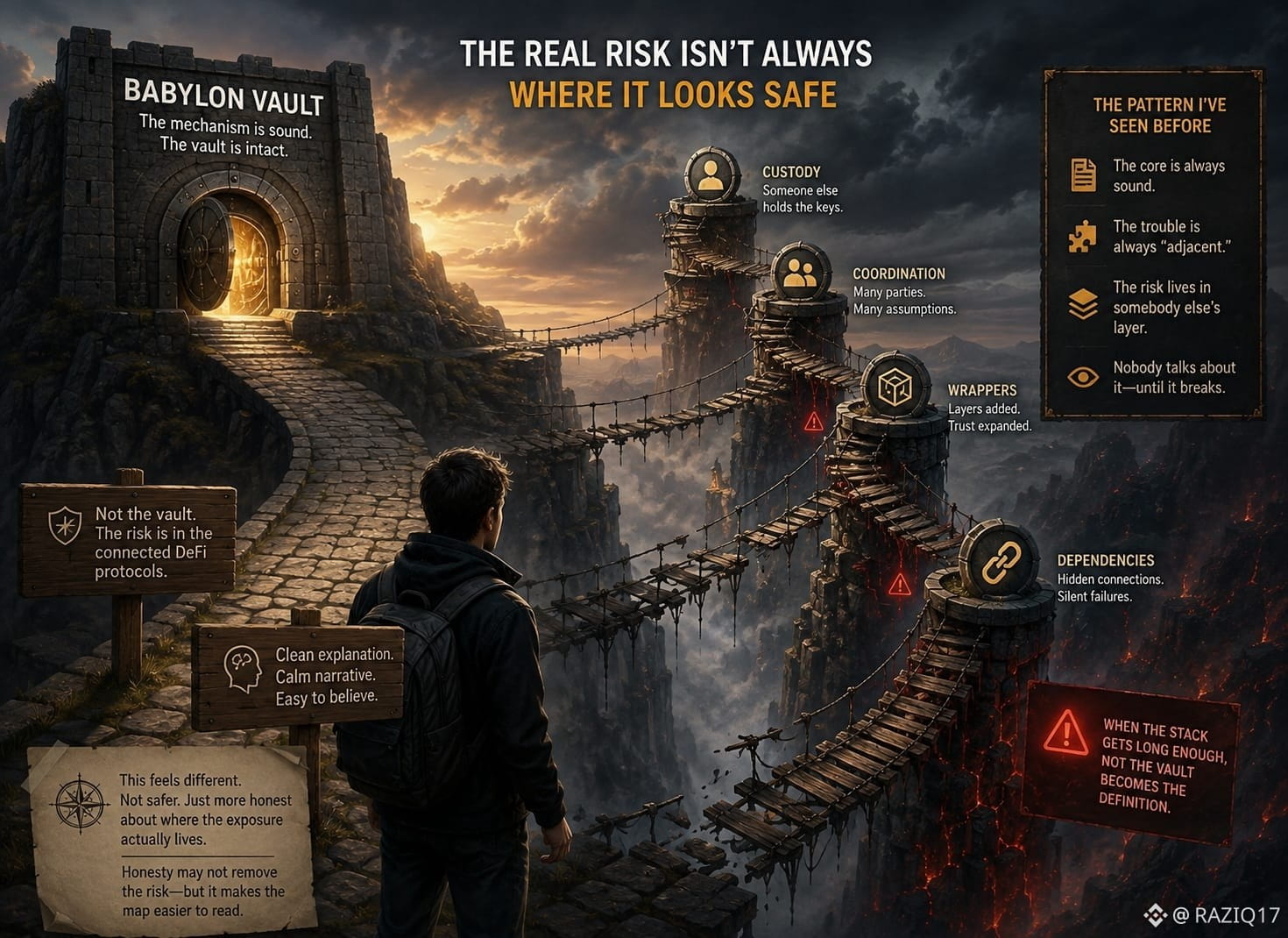
Mən bunu əvvəllər də görmüş kimi nəsə hiss edirəm, amma elə də bu cür deyil. Babylon deyir ki, risk birbaşa vault-un özündə deyil, onunla bağlı DeFi protokollarındadır və kağız üzərində bu, sanki təmiz, aydın görünür. İnsanları sakitləşdirmək üçün də kifayət qədər “təmiz”. Hekayəni irəli aparmaq üçün də kifayət qədər “təmiz”.
Amma kriptoda artıq tam “təmiz” izahlara güvənmirəm. Bir çox sistemi mən başlıqda yox, əsl ziyan haradasa başqa yerdə oturanda sağ qaldığını görmüşəm: qəsb/idarəetmə (custody) hissəsində, koordinasiyada, wrapper-in içində, qırılana qədər danışmaq istəmədiyimiz asılılıqda. Burada məni narahat edən də məhz o hissədir. Vault bütöv ola bilər, amma hər bir depozit başqalarının fərziyyələr zəncirindən keçməlidirsə, risk yenə də oradadır. Sadəcə daha “səliqəli” formada görünür.
Bu nümunəni dəfələrlə görmüşəm. Həmişə vəd olunur ki, əsas mexanizm sağlamdır. Çətinlik isə həmişə “ətraf/yan” tərəfdədir. Çətinlik həmişə başqasının qatındadır. Və bəlkə də texniki olaraq doğrudur. Bəlkə də bunun özü də əsas məqamdır. Amma stack kifayət qədər uzananda “vault deyil” ifadəsi müdafiə kimi yox, daha çox tərif kimi səslənməyə başlayır.
Bununla bağlı nəsə fərqli hiss olunur, amma daha təhlükəsiz olduğu üçün deyil. Sadəcə riskin əslində harada yaşadığını daha dürüst göstərir. Bu dürüstlüyün önəm daşıyıb-daşımadığına hələ tam əmin deyiləm, ya da sadəcə xəritəni daha asan oxumağa kömək edir, amma ərazi elə də kobud qalır.
@BabylonLabs_io #baby $BABY
Amma kriptoda artıq tam “təmiz” izahlara güvənmirəm. Bir çox sistemi mən başlıqda yox, əsl ziyan haradasa başqa yerdə oturanda sağ qaldığını görmüşəm: qəsb/idarəetmə (custody) hissəsində, koordinasiyada, wrapper-in içində, qırılana qədər danışmaq istəmədiyimiz asılılıqda. Burada məni narahat edən də məhz o hissədir. Vault bütöv ola bilər, amma hər bir depozit başqalarının fərziyyələr zəncirindən keçməlidirsə, risk yenə də oradadır. Sadəcə daha “səliqəli” formada görünür.
Bu nümunəni dəfələrlə görmüşəm. Həmişə vəd olunur ki, əsas mexanizm sağlamdır. Çətinlik isə həmişə “ətraf/yan” tərəfdədir. Çətinlik həmişə başqasının qatındadır. Və bəlkə də texniki olaraq doğrudur. Bəlkə də bunun özü də əsas məqamdır. Amma stack kifayət qədər uzananda “vault deyil” ifadəsi müdafiə kimi yox, daha çox tərif kimi səslənməyə başlayır.
Bununla bağlı nəsə fərqli hiss olunur, amma daha təhlükəsiz olduğu üçün deyil. Sadəcə riskin əslində harada yaşadığını daha dürüst göstərir. Bu dürüstlüyün önəm daşıyıb-daşımadığına hələ tam əmin deyiləm, ya da sadəcə xəritəni daha asan oxumağa kömək edir, amma ərazi elə də kobud qalır.
@BabylonLabs_io #baby $BABY
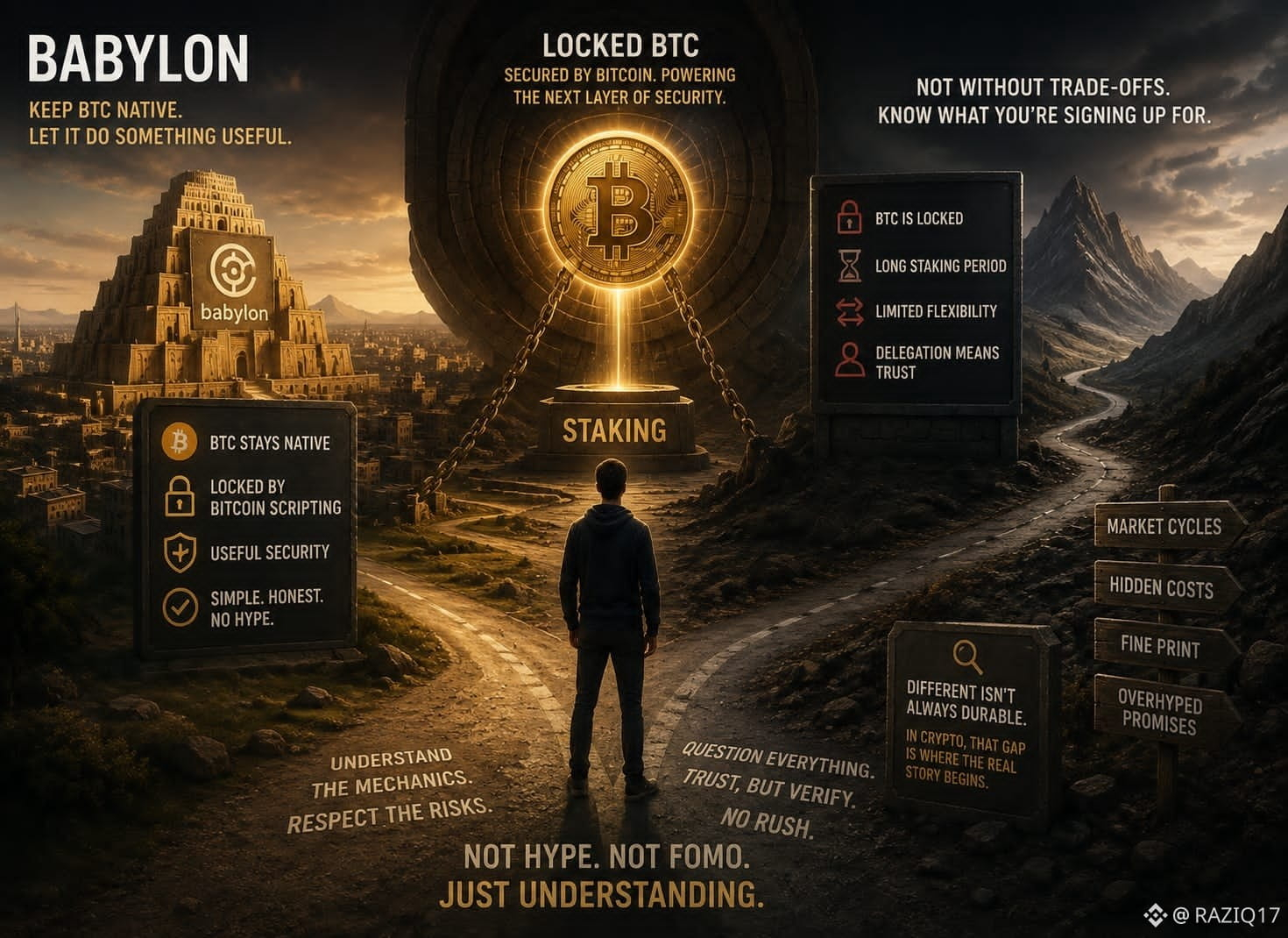
Bu günlərdə hekayədən daha az, işlərin həqiqətən necə işlədiyinə daha çox fikir verdiyimi görürəm. Babylon məhz buna görə diqqətimi çəkdi. Mənə başqa bir körpü satmağa, Bitcoin-in bükülmüş formasını təqdim etməyə və ya istəmədiyim etibar qatları üzərində qurulmuş parlaq bir vəd verməyə çalışmır. Fikir təəccüblü dərəcədə sadədir: BTC-ni yerli (native) saxlayın, onu Bitcoin-in öz skriptinqi vasitəsilə kilidləyin və ticarət risklərini olmadığını iddia etmədən, ona faydalı bir iş gördürün.
Bu da məni təbii olaraq yavaşladan məqamdır. BTC kilidlənib. İştirak müddəti uzundur. Çeviklik məhduddur. Əgər siz delegasiya etsəniz belə, yenə də düzgün işi görmək üçün başqa birinə güvənirsiniz. Mənim üçün mükafatdan daha çox önəmli olan hissə budur.
“Yeni istifadə halı”nın hər biri ilə birlikdə sakit bir xərcin gəldiyini kifayət qədər dövrlərdən görmüşəm. Çox vaxt həmin xərc ya xırda çapın içində gizlədilir, ya da həyəcan səngidəndən sonra aydın olur. Yəni Babylon-u rədd etmirəm, amma ona tələsmirəm də. Onunla bağlı nəsə fərqli hiss olunur. Yenə də “fərqli” olmaq avtomatik olaraq “dayanıqlı” demək deyil. Kriptoda bu boşluq adətən həqiqi hekayənin başladığı yerdir.🤔
@BabylonLabs_io #baby $BABY
Bu da məni təbii olaraq yavaşladan məqamdır. BTC kilidlənib. İştirak müddəti uzundur. Çeviklik məhduddur. Əgər siz delegasiya etsəniz belə, yenə də düzgün işi görmək üçün başqa birinə güvənirsiniz. Mənim üçün mükafatdan daha çox önəmli olan hissə budur.
“Yeni istifadə halı”nın hər biri ilə birlikdə sakit bir xərcin gəldiyini kifayət qədər dövrlərdən görmüşəm. Çox vaxt həmin xərc ya xırda çapın içində gizlədilir, ya da həyəcan səngidəndən sonra aydın olur. Yəni Babylon-u rədd etmirəm, amma ona tələsmirəm də. Onunla bağlı nəsə fərqli hiss olunur. Yenə də “fərqli” olmaq avtomatik olaraq “dayanıqlı” demək deyil. Kriptoda bu boşluq adətən həqiqi hekayənin başladığı yerdir.🤔
@BabylonLabs_io #baby $BABY
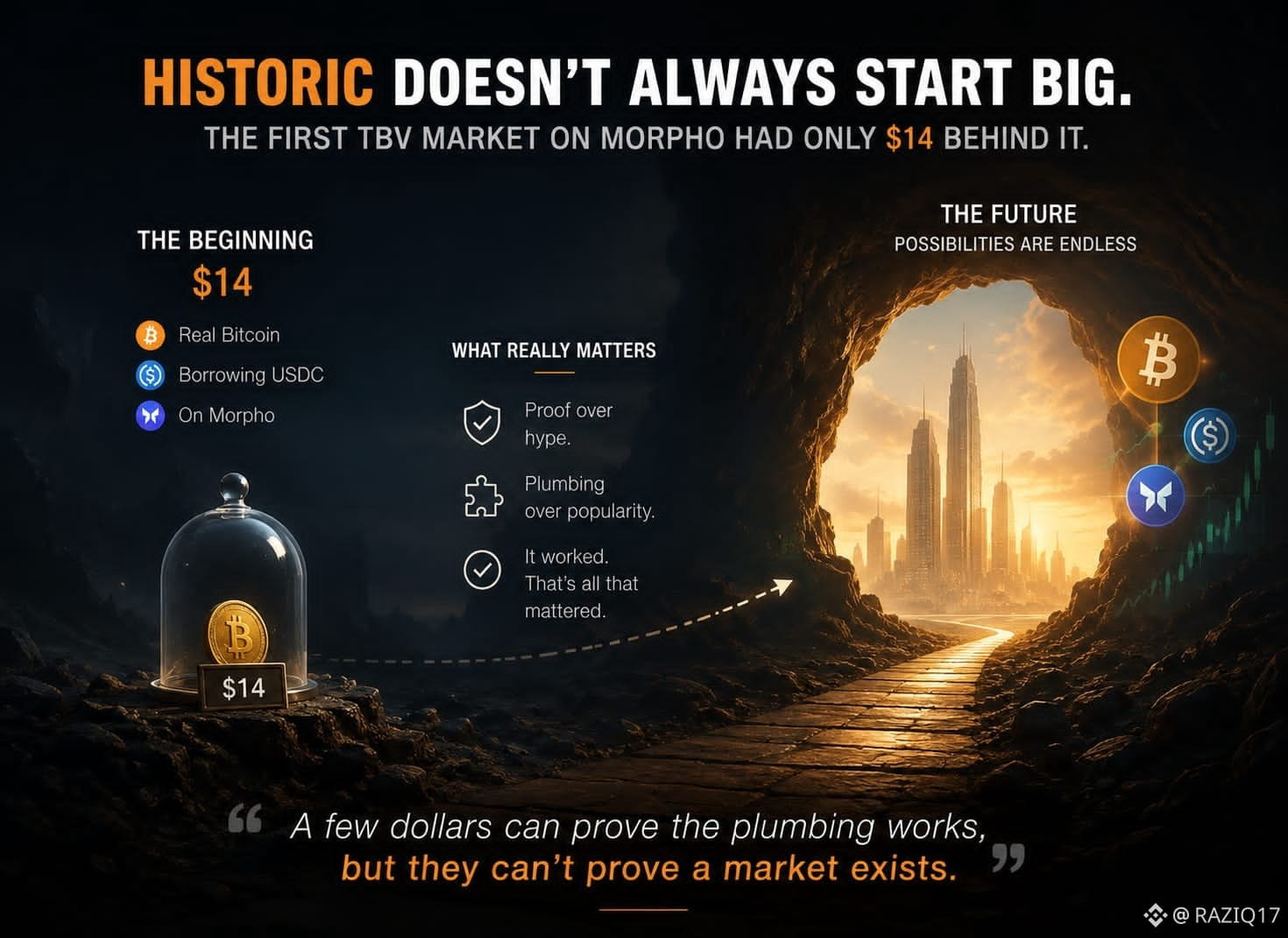
Mən nəsə fərqinə varıram: daim adi kripto səs-küyünün altında basdırılan bir məqam var. Morpho-da ilk TBV bazarı elə də böyük, hər kəsin dərhal hiss etdiyi bir “tarixi” an deyildi — arxasında dərin likvidlik olan nəhəng bir hadisə də yox idi. Bu, sadəcə 14 dollar idi. On dörd dollar. “tarixi” sözüylə gələn elanının arxasında duran məhz bu idi.
Mən bunu əvvəllər də görmüşəm. Bir layihə bir mərhələni elan edir və zaman keçdikcə insanlar bunu elə xatırlamağa başlayırlar ki, sanki elə ilk gündən hər şey böyük imiş. Amma reallıqda bu cür şeylər adətən elə belə başlamır. Bəzən əsl hekayə daha kiçik olur — azca yöndəmsiz, üstəlik daha da qeyri-müəyyən. Real Bitcoin. Mainnet. İlk dəfə doğma BTC-in qarşısında USDC borc götürülməsi. Bu baş verdi. Mən sadəcə əmin deyiləm ki, çox adam ilk dəfə real olanda orada nə qədər az kapitalın olduğunu anlayır.
Mən daim görürəm ki, kripto bəzən “sübut”u “miqyas”la səhv salır. Hələ hamı tam etibar etməsə də nəsə işləyə bilər. Bir neçə dollar boru-kəmərin işlədiyini göstərə bilər, amma bazarın mövcud olduğunu sübut edə bilməz.
Məni düşündürən hissə budur. Elan deyil, başlıqlar da deyil — bu qədər vacib bir şeyin sanki demək olar ki, heç kimin diqqət yetirmədiyi bir anda başlaması fikridir. Sadəcə çox kiçik bir likvidlik, səssizcə ən vacib sualı cavablandırır: doğrudan da işləyirmi?🌱
@BabylonLabs_io #baby $BABY
Mən bunu əvvəllər də görmüşəm. Bir layihə bir mərhələni elan edir və zaman keçdikcə insanlar bunu elə xatırlamağa başlayırlar ki, sanki elə ilk gündən hər şey böyük imiş. Amma reallıqda bu cür şeylər adətən elə belə başlamır. Bəzən əsl hekayə daha kiçik olur — azca yöndəmsiz, üstəlik daha da qeyri-müəyyən. Real Bitcoin. Mainnet. İlk dəfə doğma BTC-in qarşısında USDC borc götürülməsi. Bu baş verdi. Mən sadəcə əmin deyiləm ki, çox adam ilk dəfə real olanda orada nə qədər az kapitalın olduğunu anlayır.
Mən daim görürəm ki, kripto bəzən “sübut”u “miqyas”la səhv salır. Hələ hamı tam etibar etməsə də nəsə işləyə bilər. Bir neçə dollar boru-kəmərin işlədiyini göstərə bilər, amma bazarın mövcud olduğunu sübut edə bilməz.
Məni düşündürən hissə budur. Elan deyil, başlıqlar da deyil — bu qədər vacib bir şeyin sanki demək olar ki, heç kimin diqqət yetirmədiyi bir anda başlaması fikridir. Sadəcə çox kiçik bir likvidlik, səssizcə ən vacib sualı cavablandırır: doğrudan da işləyirmi?🌱
@BabylonLabs_io #baby $BABY
Qismən doğrudur
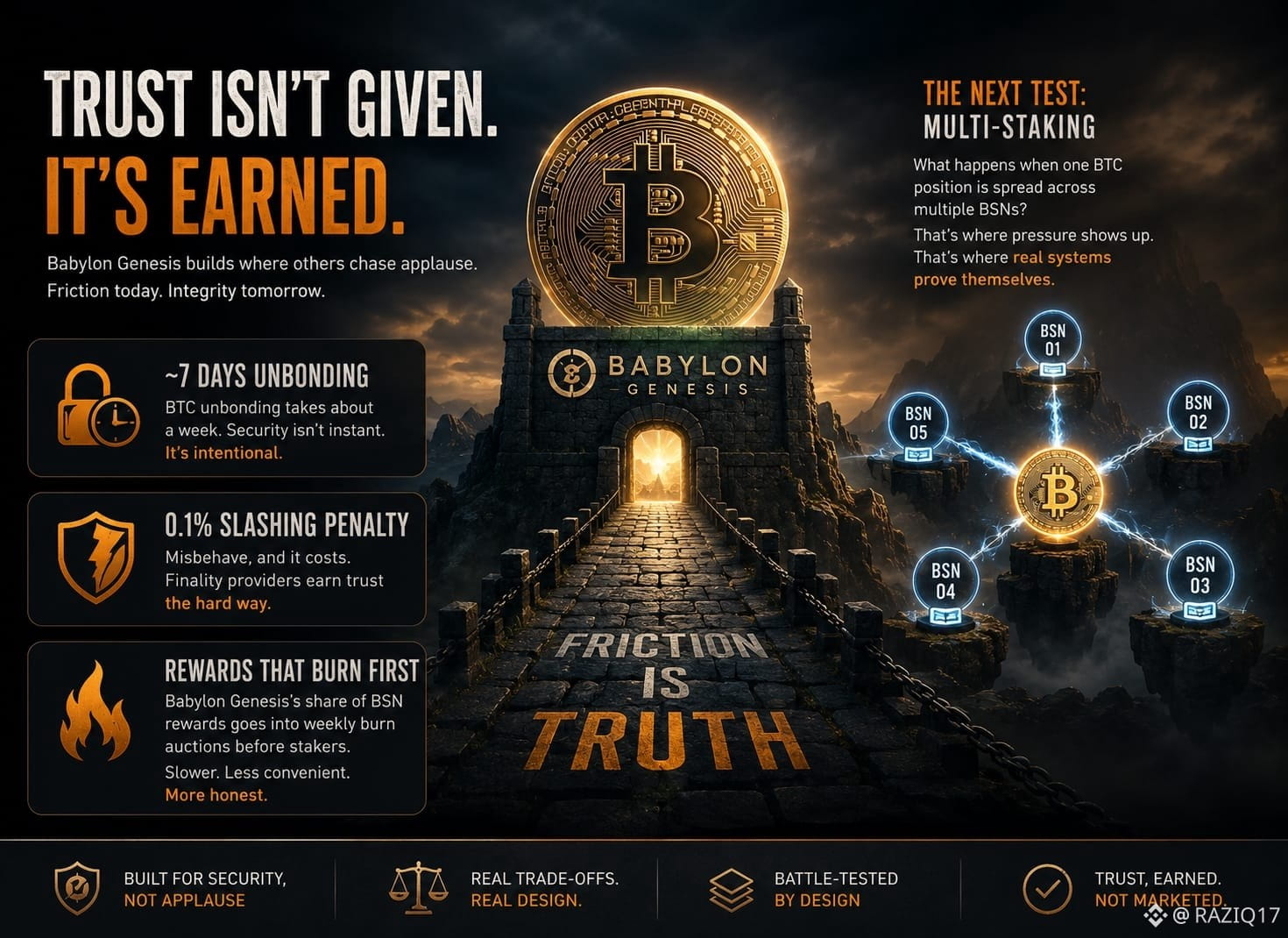
Bu bazarı kifayət qədər izlədim ki, nəyinsə əsasən səs-küydən ibarət olduğunu nə vaxt başa düşməyin lazım olduğunu biləsən. Bu bir az fərqli hiss olunur. İnsanların adətən keçdiyi hissələrə yenə də qayıdıram: BTC-nin unbonding prosesi təxminən bir həftə çəkir və yekun etibarlılıq təminatçıları (finality providers) qaydaları pozarsa, hələ də 0,1% cərimə/slashing cəzası var. Bu, asan alqış üçün qurulmuş sistem kimi görünmür. Elə bil etibarın çətin yolla qazanılmalı olduğu fikrinə əsaslanıb.
Məni daha çox tutan isə mükafat tərəfi oldu. Babylon Genesis-in BSN mükafatlarından payı təkcə birbaşa staker-lərə getmir; əvvəlcə həftəlik “burn” (yanma) hərraclarına yönləndirilir. Daha yavaşdır. Daha az cilalanmışdır. Bəlkə bir az daha az rahatdır, amma qərarların doğurduğu güzəştlər barədə daha dürüstdür. Mən yetərincə kripto hekayəsi görmüşəm ki, öz marketinqinin ağırlığı altında dağılır; sürtünmənin çox vaxt həqiqətin yaşadığı yer olduğunu bilmək üçün kifayət edir.
Amma yenə də bir şey barədə düşünürəm: multi-staking başladıqda bir BTC mövqeyini eyni anda bir neçə BSN arasında paylamağa başlayanda nə baş verir? Adətən məhz orada səliqəli ideyalar sınaqdan keçirilir. Adətən məhz orada real təzyiq özünü göstərir.
@BabylonLabs_io #baby $BABY
Məni daha çox tutan isə mükafat tərəfi oldu. Babylon Genesis-in BSN mükafatlarından payı təkcə birbaşa staker-lərə getmir; əvvəlcə həftəlik “burn” (yanma) hərraclarına yönləndirilir. Daha yavaşdır. Daha az cilalanmışdır. Bəlkə bir az daha az rahatdır, amma qərarların doğurduğu güzəştlər barədə daha dürüstdür. Mən yetərincə kripto hekayəsi görmüşəm ki, öz marketinqinin ağırlığı altında dağılır; sürtünmənin çox vaxt həqiqətin yaşadığı yer olduğunu bilmək üçün kifayət edir.
Amma yenə də bir şey barədə düşünürəm: multi-staking başladıqda bir BTC mövqeyini eyni anda bir neçə BSN arasında paylamağa başlayanda nə baş verir? Adətən məhz orada səliqəli ideyalar sınaqdan keçirilir. Adətən məhz orada real təzyiq özünü göstərir.
@BabylonLabs_io #baby $BABY
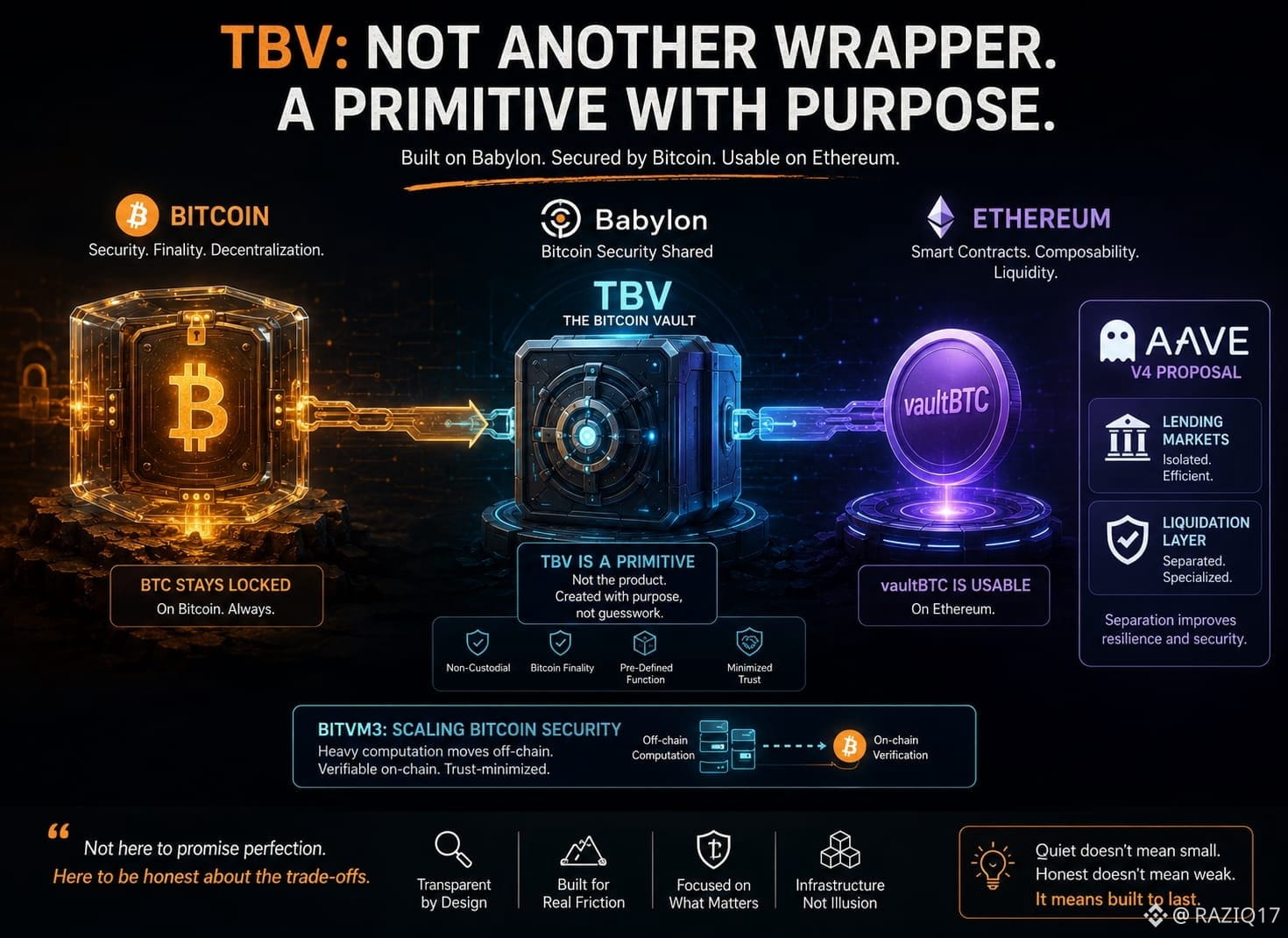
Kriptoda kifayət qədər müddət olmuşam ki, adi ssenarini tanıyım. Aktivi sarın, etibara əlavə bir qat qatın, buna infrastruktur adını verin və ümid edin ki, ticarətin qiyməti (qarşılıqlı güzəştlər) sonradan gec nəzərə çarpacaq. TBV mənə fərqli görünür—çünki hər şeyi həll etdiyini düşünmürəm, amma real problemin harada olduğunu açıq şəkildə etiraf etməklə başlayır. Babylon dəfələrlə deyir ki, TBV sadəcə bir primitivdir, məhsul deyil və nədənsə bu fikir məndə hər şeydən daha çox ilişdi. Vəsaitlər (vault) sonradan qərarları gözləmək əvəzinə, nə etməli olduğunu artıq bilə-bilə yaradılır. Bəlkə bu, xırda detaldır, bəlkə də deyil.
Aave V4 təklifinə yenə də qayıdıram, çünki ideyanı daha az abstrakt hiss etdirir. BTC Bitcoin üzərində kilidlənir, vaultBTC isə Ethereumda istifadəyə yararlı olur və kreditləşmə tərəfi ilə likvidasiya tərəfi eyni şeymiş kimi davranmaq əvəzinə ayrılır. BitVM3 ağır işin çoxunu ofşora (off-chain) keçirir—kağız üzərində daha səliqəli səslənir—amma real həcm üzə çıxan kimi kifayət qədər sistemin çətinlik çəkdiyini gördüyüm üçün bilirəm ki, bu da hələ açıq sualdır.
Kripto yeni, köhnə bir vəd ətrafında yenə də başqa bir wrapperi tərifləməyə başlayanda ona tam etibar etmirəm. Narrativ (rəvayət) məhsuldan çox əvvəl gəldiyi çox dövr görmüşəm. Amma bununla bağlı nəsə daha sakitdir. Mütləq daha yaxşı olduğu üçün yox—sadəcə sürtünməni (çətinliyi) daha açıq şəkildə etiraf edir. Bu illərdən sonra məni həqiqətən diqqətimi çəkən də məhz budur.⚡
@BabylonLabs_io #baby $BABY
Aave V4 təklifinə yenə də qayıdıram, çünki ideyanı daha az abstrakt hiss etdirir. BTC Bitcoin üzərində kilidlənir, vaultBTC isə Ethereumda istifadəyə yararlı olur və kreditləşmə tərəfi ilə likvidasiya tərəfi eyni şeymiş kimi davranmaq əvəzinə ayrılır. BitVM3 ağır işin çoxunu ofşora (off-chain) keçirir—kağız üzərində daha səliqəli səslənir—amma real həcm üzə çıxan kimi kifayət qədər sistemin çətinlik çəkdiyini gördüyüm üçün bilirəm ki, bu da hələ açıq sualdır.
Kripto yeni, köhnə bir vəd ətrafında yenə də başqa bir wrapperi tərifləməyə başlayanda ona tam etibar etmirəm. Narrativ (rəvayət) məhsuldan çox əvvəl gəldiyi çox dövr görmüşəm. Amma bununla bağlı nəsə daha sakitdir. Mütləq daha yaxşı olduğu üçün yox—sadəcə sürtünməni (çətinliyi) daha açıq şəkildə etiraf edir. Bu illərdən sonra məni həqiqətən diqqətimi çəkən də məhz budur.⚡
@BabylonLabs_io #baby $BABY
Doğrulanıb
Babildə ona baxdıqca daha maraqlı, zaman keçdikcə isə daha narahat edən bir şey görürəm.
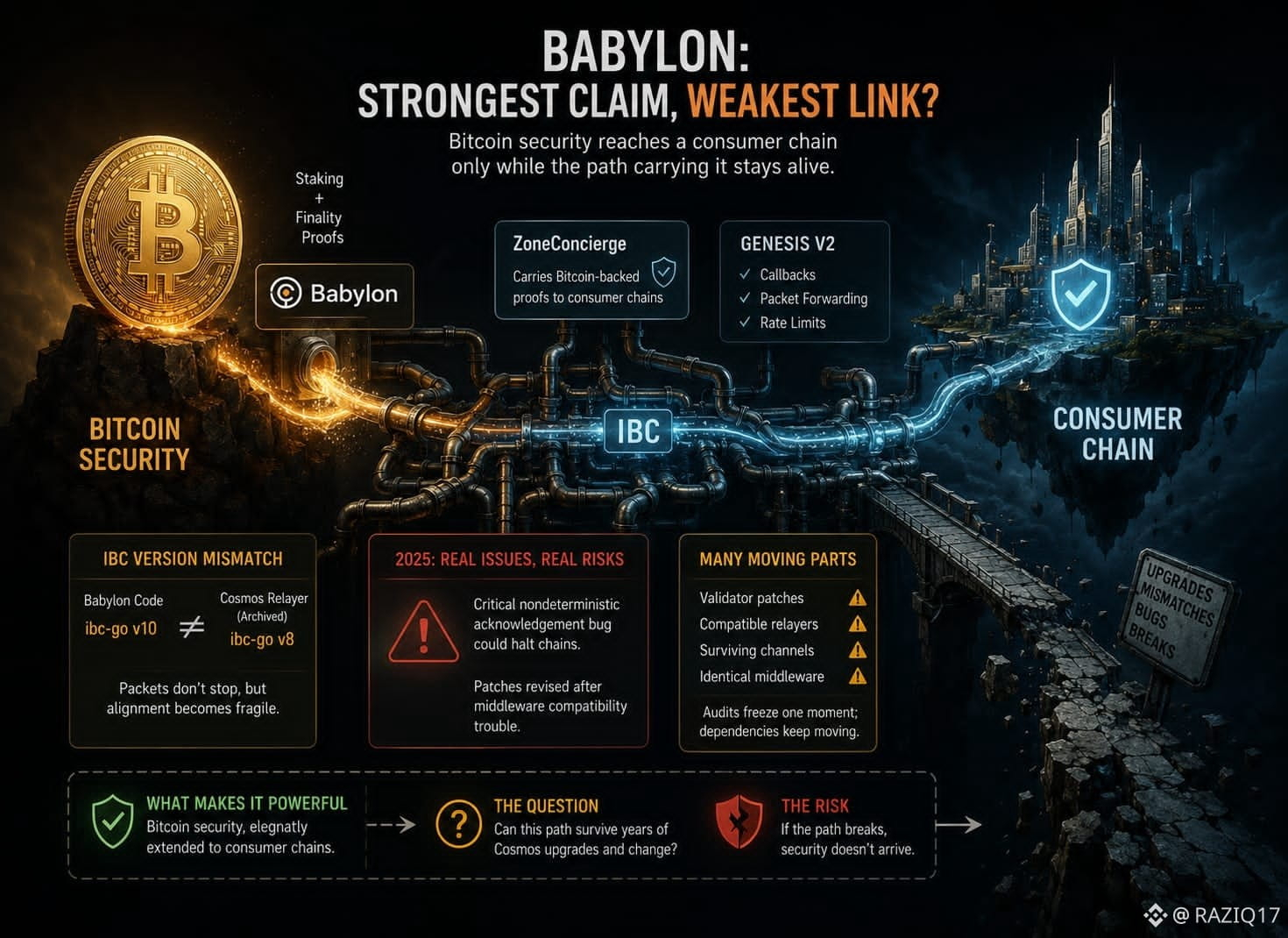
Bazar ertəsi texniki direktorumuz IBC ilə Cosmos dəyişdikcə nə baş verdiyini soruşdu. Mən “hər yerdə Bitcoin təhlükəsizliyi” tipli növbəti bir hekayə gözləyirdim. Amma əvəzində məzmun tapdım: ZoneConcierge Bitcoin ilə dəstəklənmiş sübutları istehlakçı zəncirlərə daşıyır, Genesis V2 isə callback-lər, paket yönləndirmə və sürət limitləri əlavə edib.
Amma bunu əvvəllər də görmüşəm. Babildəki mövcud kod ibc-go v10-u “pin” edir, halbuki artıq arxivləşdirilmiş Cosmos relayer kodu hələ də v8 tip-lərini import edir. Bu uyğunsuzluq paketlərin dayanması demək deyil — bunlar ayrı-ayrı ikili fayllardır — amma neçə hissənin bir-biri ilə uyğun qalmalı olduğunu göstərir. 2025-ci ildə ibc-go mühüm bir nondeterministik acknowledgment (təsdiq) xətası açıqladı: bu, zəncirləri dayandıra bilərdi; sonra isə middleware uyğunluğu ilə bağlı problemlər ortaya çıxandan sonra yamalarını yenilədi. Təmiz diaqramların gizlətdiyi sürtünmə budur.
Mən sürətli validator yamalarına, uyğun relayer-lərə, sağ qalan kanallara və eyni middleware-ə bağlı vədlərə tam etibar etmirəm. Auditoriyalar və sürət limitləri önəmlidir, amma auditoriyalar bir anı dondurur; asılılıqlar isə hərəkətdə qalır.
Babildə nəsə fərqli hiss olunur, amma onun ən güclü iddiası bəlkə də ən zəif bağlantısıdır: Bitcoin təhlükəsizliyi yalnız onu daşıyan yol canlı qaldığı müddətcə istehlakçı zəncirə çatır. O yolun illərlə Cosmos yenilənmələrinə tab gətirə biləcəyinə əmin deyiləm. Sən nə düşünürsən?🤔
@BabylonLabs_io #baby $BABY
Bazar ertəsi texniki direktorumuz IBC ilə Cosmos dəyişdikcə nə baş verdiyini soruşdu. Mən “hər yerdə Bitcoin təhlükəsizliyi” tipli növbəti bir hekayə gözləyirdim. Amma əvəzində məzmun tapdım: ZoneConcierge Bitcoin ilə dəstəklənmiş sübutları istehlakçı zəncirlərə daşıyır, Genesis V2 isə callback-lər, paket yönləndirmə və sürət limitləri əlavə edib.
Amma bunu əvvəllər də görmüşəm. Babildəki mövcud kod ibc-go v10-u “pin” edir, halbuki artıq arxivləşdirilmiş Cosmos relayer kodu hələ də v8 tip-lərini import edir. Bu uyğunsuzluq paketlərin dayanması demək deyil — bunlar ayrı-ayrı ikili fayllardır — amma neçə hissənin bir-biri ilə uyğun qalmalı olduğunu göstərir. 2025-ci ildə ibc-go mühüm bir nondeterministik acknowledgment (təsdiq) xətası açıqladı: bu, zəncirləri dayandıra bilərdi; sonra isə middleware uyğunluğu ilə bağlı problemlər ortaya çıxandan sonra yamalarını yenilədi. Təmiz diaqramların gizlətdiyi sürtünmə budur.
Mən sürətli validator yamalarına, uyğun relayer-lərə, sağ qalan kanallara və eyni middleware-ə bağlı vədlərə tam etibar etmirəm. Auditoriyalar və sürət limitləri önəmlidir, amma auditoriyalar bir anı dondurur; asılılıqlar isə hərəkətdə qalır.
Babildə nəsə fərqli hiss olunur, amma onun ən güclü iddiası bəlkə də ən zəif bağlantısıdır: Bitcoin təhlükəsizliyi yalnız onu daşıyan yol canlı qaldığı müddətcə istehlakçı zəncirə çatır. O yolun illərlə Cosmos yenilənmələrinə tab gətirə biləcəyinə əmin deyiləm. Sən nə düşünürsən?🤔
@BabylonLabs_io #baby $BABY
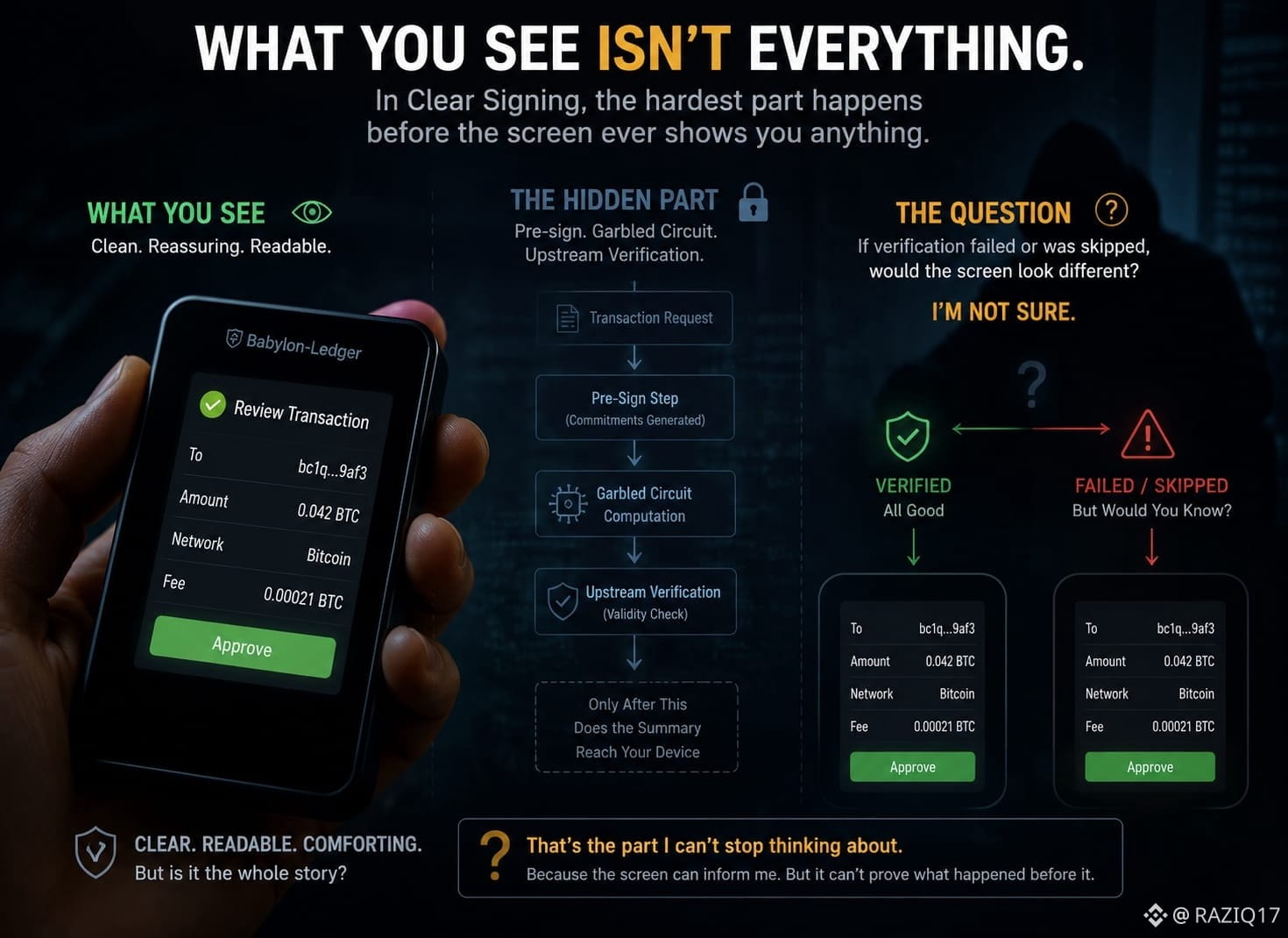
Kriptoda kifayət qədər müddət olmuşam ki, hansısa funksiyanın sadəcə çətin hissəni həqiqətən həll etmək əvəzinə insanları daha rahat hiss etdirməyə çalışdığını anlayım. Babylon-Ledger-in Clear Signing-i mənə bunu hiss etdirdi. Üzərində baxanda hər şey sakitləşdiricidir: cihaz üzərində oxunaqlı detalları, təmiz bir xülasəni, nəhayət daha asan başa düşülən kimi görünən bir “vault” qurulumunu təklif edir. Niyə insanların bunu bəyəndiyini başa düşürəm. Mən də bunu istəyirdim.
Amma ekranın heç kimin görmədiyi hissəsinə yenə də qayıdıram. Əvvəlcədən imzalama addımı. Qarışıq (zədələnmiş) dövrə. Həmin xeyli “yuxarıda”, gözə görünməyən yerdə baş verməli olan və sonra o gözəl balaca xülasənin ortaya çıxmasına qədər yoxlanışı. Mən daim həmin hissəni düşünürəm və bunu hardware displeyi mənə həqiqətən sübut edə bilmir.
Bunun bənzərini kriptoda əvvəllər də görmüşəm. İnterfeys daha da təmizlənir, amma güvən modeli səssizcə daha mürəkkəbləşir. Ona görə də hələ tam inanmıram. Bəlkə də bu, sadəcə illərlə eyni şablonların təkrarlandığını izləməyin nəticəsidir. Amma nədənsə məni yenə də bir sualın üstünə çəkir.
Əgər bu yoxlanış heç vaxt uğursuz olsaydı və ya atlanılsaydı, mənim əlimdəki ekranın görünüşü fərqli olardımı? Mən hələ də əmin deyiləm, və düşündürən də elə budur.
@BabylonLabs_io #baby $BABY
Amma ekranın heç kimin görmədiyi hissəsinə yenə də qayıdıram. Əvvəlcədən imzalama addımı. Qarışıq (zədələnmiş) dövrə. Həmin xeyli “yuxarıda”, gözə görünməyən yerdə baş verməli olan və sonra o gözəl balaca xülasənin ortaya çıxmasına qədər yoxlanışı. Mən daim həmin hissəni düşünürəm və bunu hardware displeyi mənə həqiqətən sübut edə bilmir.
Bunun bənzərini kriptoda əvvəllər də görmüşəm. İnterfeys daha da təmizlənir, amma güvən modeli səssizcə daha mürəkkəbləşir. Ona görə də hələ tam inanmıram. Bəlkə də bu, sadəcə illərlə eyni şablonların təkrarlandığını izləməyin nəticəsidir. Amma nədənsə məni yenə də bir sualın üstünə çəkir.
Əgər bu yoxlanış heç vaxt uğursuz olsaydı və ya atlanılsaydı, mənim əlimdəki ekranın görünüşü fərqli olardımı? Mən hələ də əmin deyiləm, və düşündürən də elə budur.
@BabylonLabs_io #baby $BABY
$BANK USDT alovlanır! 🚀🔥
BANKUSDT indi güclü +11.89% artım etdi, $0.67205 24H Yüksəyinə çatdıqdan sonra $0.40027 səviyyəsində ticarət olunur 📈. 24H Aşağı $0.34010-dur və bu, böyük volatillik və güclü treyder marağını göstərir ⚡.
📊 Əsas göstəricilər: • 💰 Son Qiymət: $0.40027 • 📈 24H Yüksək: $0.67205 • 📉 24H Aşağı: $0.34010 • 💹 24H Həcm: 2.26B BANK • 💵 24H Həcm (USDT): 914.10M • 📍 Mark Qiymət: $0.39888 • ⏱️ Zaman dilimi: 15M
Partlayıcı həcm və kəskin qiymət hərəkəti göstərir ki, BANKUSDT bazarda diqqəti özünə çəkir. Volatilliyə diqqət edin və riski diqqətlə idarə edin! 👀📊
$AKE
$BTW
#BANKUSDT #BANK #BİNANCEFUTURES #CryptoTrading #Altcoin #Perpetual #PriceAction #TradingView #Bullish #CryptoNews
BANKUSDT indi güclü +11.89% artım etdi, $0.67205 24H Yüksəyinə çatdıqdan sonra $0.40027 səviyyəsində ticarət olunur 📈. 24H Aşağı $0.34010-dur və bu, böyük volatillik və güclü treyder marağını göstərir ⚡.
📊 Əsas göstəricilər: • 💰 Son Qiymət: $0.40027 • 📈 24H Yüksək: $0.67205 • 📉 24H Aşağı: $0.34010 • 💹 24H Həcm: 2.26B BANK • 💵 24H Həcm (USDT): 914.10M • 📍 Mark Qiymət: $0.39888 • ⏱️ Zaman dilimi: 15M
Partlayıcı həcm və kəskin qiymət hərəkəti göstərir ki, BANKUSDT bazarda diqqəti özünə çəkir. Volatilliyə diqqət edin və riski diqqətlə idarə edin! 👀📊
$AKE
$BTW
#BANKUSDT #BANK #BİNANCEFUTURES #CryptoTrading #Altcoin #Perpetual #PriceAction #TradingView #Bullish #CryptoNews
BANK USDT price 0.4111
5%
Next stop: $0.67? 🚀
69%
Pump or pullback? 👀
5%
Just getting started? 🔥
21%
19 Səslər • Səsvermə bağlanıb
$BANK /USDT yanır! 🚀 Qiymət hazırda $0.38713 səviyyəsində ticarət olunur və son 24 saatda +12.19% artım göstərir 📈. Krillər (boğalar) nəzarətdədir: token yaxınlarda 24H maksimumunu $0.40800-a toxunub, 24H minimum isə $0.33246 səviyyəsindədir 🔥.
24H Həcm ilə güclü bazar iştirakı görünür: 1.93B BANK və 714.94M USDT—bu da treyder marağının yüksək olduğunu göstərir 💰⚡. Gündəlik qrafik yüksəlişdədir: MA(7): 0.284237, MA(25): 0.120261 və MA(99): 0.057906, güclü trendi nümayiş etdirir 📊.
Əgər BANK $0.40800-dan yuxarı qırsa, növbəti yüksəliş dalğası başlaya bilər 🚀. Amma treyderlər mənfəət götürmə (profit-taking) üçün də diqqətli olmalı və riski diqqətlə idarə etməlidirlər 🎯.
$EUL
$DIA
#BANK #BANKUSDT #LorenzoProtocol #Crypto #BinanceSquareTalks #Altcoin #Bullish #Trading #CryptoTrading #DeFi #Blockchain #CryptoNews #MarketUpdate #Breakout #TrendingCoin
24H Həcm ilə güclü bazar iştirakı görünür: 1.93B BANK və 714.94M USDT—bu da treyder marağının yüksək olduğunu göstərir 💰⚡. Gündəlik qrafik yüksəlişdədir: MA(7): 0.284237, MA(25): 0.120261 və MA(99): 0.057906, güclü trendi nümayiş etdirir 📊.
Əgər BANK $0.40800-dan yuxarı qırsa, növbəti yüksəliş dalğası başlaya bilər 🚀. Amma treyderlər mənfəət götürmə (profit-taking) üçün də diqqətli olmalı və riski diqqətlə idarə etməlidirlər 🎯.
$EUL
$DIA
#BANK #BANKUSDT #LorenzoProtocol #Crypto #BinanceSquareTalks #Altcoin #Bullish #Trading #CryptoTrading #DeFi #Blockchain #CryptoNews #MarketUpdate #Breakout #TrendingCoin
Bank price New price 0.3883
100%
What's your BANK price target?
0%
Bull run or correction? 📈
0%
Will BANK hit a new ATH? 🚀
0%
2 Səslər • Səsvermə bağlanıb
$AKE Skyrockets 25.79% – Güclü dinamika formalaşır! 🚀
AKE bu gün təsirli +25.79% artımı ilə diqqət çəkir! 📈 Hazırkı qiymət 0.0033523 (≈ Rs 0.93186) olub, güclü alıcılıq təzyiqi və artan bazar marağını göstərir. 👀 Bu dinamika davam etsə, AKE qısa müddətli fürsətlər axtaran daha çox treyderi cəlb edə bilər. 🔥 İnvestisiya etməzdən əvvəl riskləri idarə edin və öz araşdırmanızı aparın. 💰
$EUL
$BANK
#AKE #Crypto #Altcoins! #BullishMomentum #CryptoTrading #Binance #MarketUpdate2025 #CryptonewswithJack #Blockchain #DYOR
AKE bu gün təsirli +25.79% artımı ilə diqqət çəkir! 📈 Hazırkı qiymət 0.0033523 (≈ Rs 0.93186) olub, güclü alıcılıq təzyiqi və artan bazar marağını göstərir. 👀 Bu dinamika davam etsə, AKE qısa müddətli fürsətlər axtaran daha çox treyderi cəlb edə bilər. 🔥 İnvestisiya etməzdən əvvəl riskləri idarə edin və öz araşdırmanızı aparın. 💰
$EUL
$BANK
#AKE #Crypto #Altcoins! #BullishMomentum #CryptoTrading #Binance #MarketUpdate2025 #CryptonewswithJack #Blockchain #DYOR
ARAI ($AA ) 22.03% yüksəlib – Boğalar nəzarəti ələ aldı! 📊
ARAI (AA) +22.03% yüksəlişlə əla güc nümayiş etdirir! 🚀 Hazırkı qiymət 0.028587-dir (≈ Rs 7.94653) və bu, artan tələbatı və müsbət bazar əhval-ruhiyyəsini göstərir. 📈 Bu güclü hərəkət AA-nı bir çox treyderin izləmə siyahısına salıb. Növbəti sıçrayış üçün həcimə və qiymət hərəkətinə diqqət yetirin. 💎
#ARAI #AA #Crypto #Altcoin #CryptoTrading #BullRun #Blockchain #MarketUpdate #Binance #DYOR
ARAI (AA) +22.03% yüksəlişlə əla güc nümayiş etdirir! 🚀 Hazırkı qiymət 0.028587-dir (≈ Rs 7.94653) və bu, artan tələbatı və müsbət bazar əhval-ruhiyyəsini göstərir. 📈 Bu güclü hərəkət AA-nı bir çox treyderin izləmə siyahısına salıb. Növbəti sıçrayış üçün həcimə və qiymət hərəkətinə diqqət yetirin. 💎
#ARAI #AA #Crypto #Altcoin #CryptoTrading #BullRun #Blockchain #MarketUpdate #Binance #DYOR
Quack AI ($Q ) 20.99% Artaraq Yüksəlir – Süni Zəka Kriptosu Alovlanıb! 🤖🔥
Quack AI (Q) +20.99% yüksəlişdən sonra ciddi diqqət cəlb edir. 📈 Token hazırda 0.023551-də (≈ Rs 6.54653) ticarət olunur, güclü momentum və artan investor etimadını göstərir. 🚀 Süni zəkaya bağlı kripto layihələri maraq toplamaqda davam edir və bu səbəbdən Q yaxından izlənəcəklərdəndir. 👀
$EUL
$LAB
#QuackAI #Q #AICrypto #Crypto #Altcoin #Blockchain #CryptoTrading #MarketUpdate #Binance #DYOR
Quack AI (Q) +20.99% yüksəlişdən sonra ciddi diqqət cəlb edir. 📈 Token hazırda 0.023551-də (≈ Rs 6.54653) ticarət olunur, güclü momentum və artan investor etimadını göstərir. 🚀 Süni zəkaya bağlı kripto layihələri maraq toplamaqda davam edir və bu səbəbdən Q yaxından izlənəcəklərdəndir. 👀
$EUL
$LAB
#QuackAI #Q #AICrypto #Crypto #Altcoin #Blockchain #CryptoTrading #MarketUpdate #Binance #DYOR
Bitlight Labs ($LIGHT ) +19.37% artım ilə parlayır! 💡✨
Bitlight Labs (LIGHT) bazarı parlaqlaşdırır və möhkəm +19.37% artım göstərir! 🚀 Hazırkı qiymət 0.16049-dur (≈ Rs 44.61) və güclü yüksəliş momentumuna söykənir. 📊 LIGHT müsbət qiymət hərəkəti və bazar gücünü davam etdirdiyi üçün treyderlər diqqətlə izləyir. 💰
$EUL
$VELVET
#BitlightLabs #LIGHT #Crypto #Altcoin #Bullish #CryptoTrading #Blockchain #MarketUpdate #Binance #DYOR
Bitlight Labs (LIGHT) bazarı parlaqlaşdırır və möhkəm +19.37% artım göstərir! 🚀 Hazırkı qiymət 0.16049-dur (≈ Rs 44.61) və güclü yüksəliş momentumuna söykənir. 📊 LIGHT müsbət qiymət hərəkəti və bazar gücünü davam etdirdiyi üçün treyderlər diqqətlə izləyir. 💰
$EUL
$VELVET
#BitlightLabs #LIGHT #Crypto #Altcoin #Bullish #CryptoTrading #Blockchain #MarketUpdate #Binance #DYOR
YOOLDO ($ESPORTS ) 10.99% Yüksəlir – Oyun Tokeni Artır! 🎮🚀
YOOLDO (ESPORTS) sağlam +10.99% artım paylaşır, 0.05127 səviyyəsində ticarət edir (≈ 14.25 Rs). 📈 Sabit yüksələn hərəkət oyun yönümlü kripto layihələrinə artan marağı göstərir. 🎯 Alış momentumı davam etsə, ESPORTS treyderlərin diqqətində əlavə hərəkətlər üçün qala bilər. Həmişə ağıllı ticarət edin və riski idarə edin. 💎
#YOOLDO #ESPORTS #GamingCrypto #Crypto #Altcoin #CryptoTrading #Blockchain #MarketUpdate #Binance #DYOR
$ESPORTS
$EUL
YOOLDO (ESPORTS) sağlam +10.99% artım paylaşır, 0.05127 səviyyəsində ticarət edir (≈ 14.25 Rs). 📈 Sabit yüksələn hərəkət oyun yönümlü kripto layihələrinə artan marağı göstərir. 🎯 Alış momentumı davam etsə, ESPORTS treyderlərin diqqətində əlavə hərəkətlər üçün qala bilər. Həmişə ağıllı ticarət edin və riski idarə edin. 💎
#YOOLDO #ESPORTS #GamingCrypto #Crypto #Altcoin #CryptoTrading #Blockchain #MarketUpdate #Binance #DYOR
$ESPORTS
$EUL
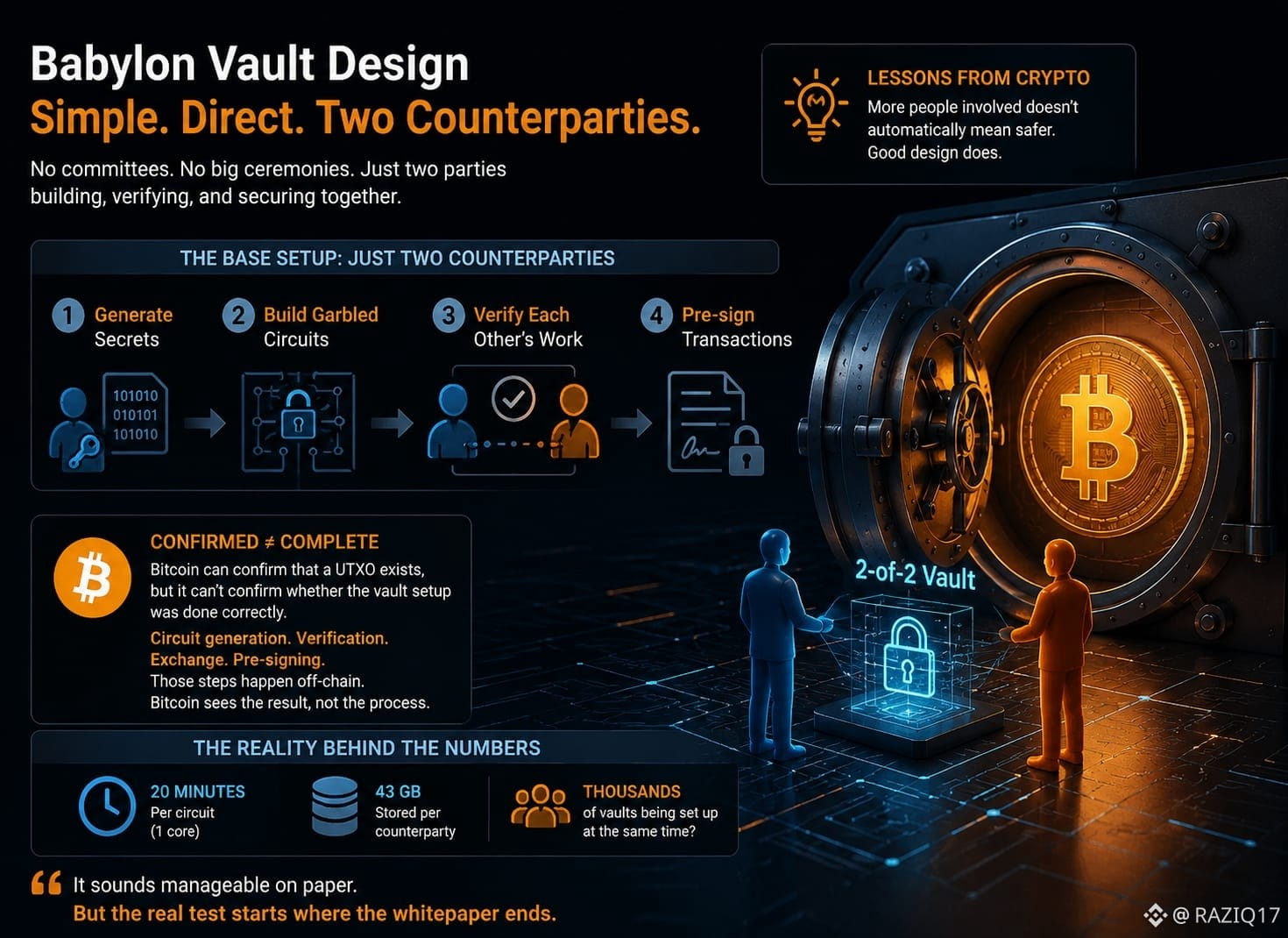
Mən bu “Babylon” vault dizaynına yenə də qayıdıram, çünki kriptoda ən çox sevilən illüziyalardan birini kənarlaşdırır: daha çox insanın cəlb olunması avtomatik olaraq nəyisə daha təhlükəsiz edir. Mən buna inanmıram. Heç olmasa burada. Diqqətimi çəkən odur ki, əsas quruluş həqiqətən də nə qədər sadədir. Sadəcə iki tərəf. İmza komitəsi yoxdur. Böyük bir mərasim yoxdur. Hər iki tərəf öz sirrlərini yaradır, qarışdırılmış (garbled) circuit-ləri qurur, bir-birinin işini yoxlayır və yalnız bundan sonra xərcləmə əməliyyatlarını əvvəlcədən imzalayır. Bununla bağlı nəsə həddən artıq sadə və aydın bir məna var.🏛️
Kriptoda insanlar çox vaxt “confirmed” sözünü elə bil hər şeyin bitdiyi kimi qəbul edirlər—bunu bilirəm. Amma adətən belə deyil. Bitcoin sizə bir UTXO-nun mövcud olduğunu göstərə bilər, amma vault-un arxasında görülən işin həqiqətən düzgün olub-olmadığını deyə bilməz; eləcə də hər iki circuit-in künc-filan qalmadan yaradılıb, təsdiqlənib və mübadilə olunub-olunmadığını. Mənim düşündüyüm məhz o hissədir.🔍
Rəqəmlər də elə “kiçik” deyil. Hər circuit üçün 20 dəqiqə, 1 core və tərəf başına 43GB yaddaş. Kağız üzərində bu idarəolunan kimi görünür. Amma minlərlə vault eyni vaxtda qurulanda bu, necə görünür—bunu bilmirəm. Bəlkə yaxşı miqyaslanır, bəlkə də yox. Bu bazarı illərdir izlədikdən sonra öyrəndim ki, real sınaq adətən whitepaper bitən yerdən başlayır.⚖️
@BabylonLabs_io #baby $BABY
Kriptoda insanlar çox vaxt “confirmed” sözünü elə bil hər şeyin bitdiyi kimi qəbul edirlər—bunu bilirəm. Amma adətən belə deyil. Bitcoin sizə bir UTXO-nun mövcud olduğunu göstərə bilər, amma vault-un arxasında görülən işin həqiqətən düzgün olub-olmadığını deyə bilməz; eləcə də hər iki circuit-in künc-filan qalmadan yaradılıb, təsdiqlənib və mübadilə olunub-olunmadığını. Mənim düşündüyüm məhz o hissədir.🔍
Rəqəmlər də elə “kiçik” deyil. Hər circuit üçün 20 dəqiqə, 1 core və tərəf başına 43GB yaddaş. Kağız üzərində bu idarəolunan kimi görünür. Amma minlərlə vault eyni vaxtda qurulanda bu, necə görünür—bunu bilmirəm. Bəlkə yaxşı miqyaslanır, bəlkə də yox. Bu bazarı illərdir izlədikdən sonra öyrəndim ki, real sınaq adətən whitepaper bitən yerdən başlayır.⚖️
@BabylonLabs_io #baby $BABY
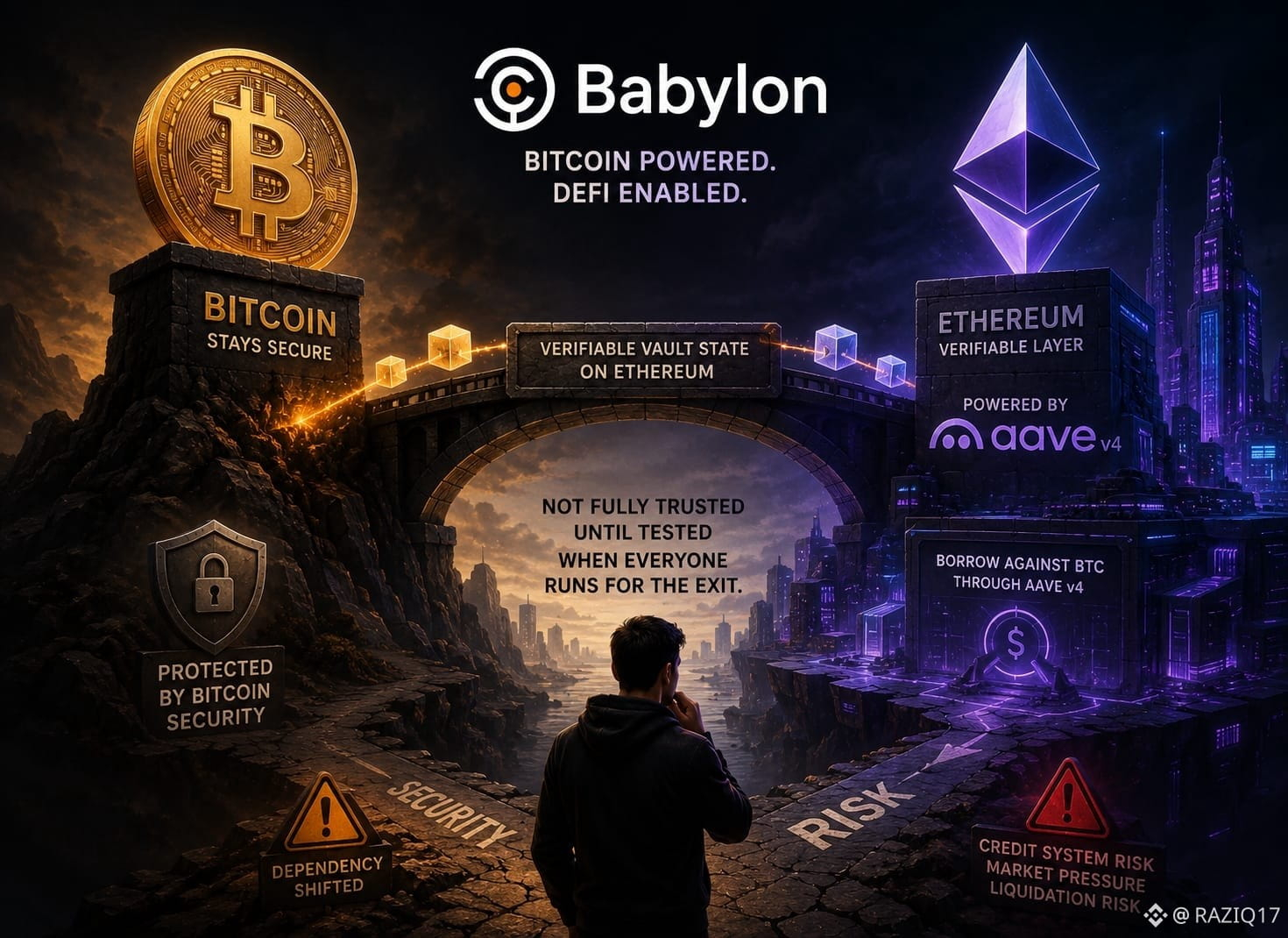
Kripto dövrlərini o qədər izlədim ki, nəyinsə həqiqətən olduğundan daha “təmiz” səsləndiyi yeri anlaya bilirəm. Babylon da bu cür adlardan biridir — məni düşündürür. Sənədlərdə hər şey ağıllı görünür: BTC yerində qalır, Ethereum üzərində vault vəziyyəti yoxlana bilir və birdən-birə sıfırdan likvidlik qurmağa çalışmaq əvəzinə Aave v4 vasitəsilə bunun qarşılığında borc götürə bilərsiniz. Bu, cazibədar gəlir. Likvidlik həmişə çətin hissədir və Babylon da bunu gizlətmir.🧐
Amma məni narahat edən bir tikiş də var: onun ortasındakı əlaqə. Bitcoin tərəfi qorunmuş ola bilər, amma kredit tərəfi yenə də öz risk qaydaları olan, öz “zərbə nöqtələri” olan və bazarlar sürətlə hərəkət edəndə necə qırılma ehtimalı ilə bağlı ayrıca bir sistemə dayanır. Bunu əvvəllər görmüşəm: insanlar deyir ki, körpünü sökmək asılılığı aradan qaldırır, amma əslində asılılığın oturduğu yeri sadəcə dəyişir.⚖️
Ona görə də bunu “həll olundu” kimi tələsik demirəm. Babylon maraqlı hiss yaradır, bəlkə də doğrudan faydalıdır, amma hamı eyni anda çıxışa cumanda onun necə davrandığını görmədən kriptodakı heç nəyə tam etibar etmirəm.🚪
@BabylonLabs_io #baby $BABY
Amma məni narahat edən bir tikiş də var: onun ortasındakı əlaqə. Bitcoin tərəfi qorunmuş ola bilər, amma kredit tərəfi yenə də öz risk qaydaları olan, öz “zərbə nöqtələri” olan və bazarlar sürətlə hərəkət edəndə necə qırılma ehtimalı ilə bağlı ayrıca bir sistemə dayanır. Bunu əvvəllər görmüşəm: insanlar deyir ki, körpünü sökmək asılılığı aradan qaldırır, amma əslində asılılığın oturduğu yeri sadəcə dəyişir.⚖️
Ona görə də bunu “həll olundu” kimi tələsik demirəm. Babylon maraqlı hiss yaradır, bəlkə də doğrudan faydalıdır, amma hamı eyni anda çıxışa cumanda onun necə davrandığını görmədən kriptodakı heç nəyə tam etibar etmirəm.🚪
@BabylonLabs_io #baby $BABY
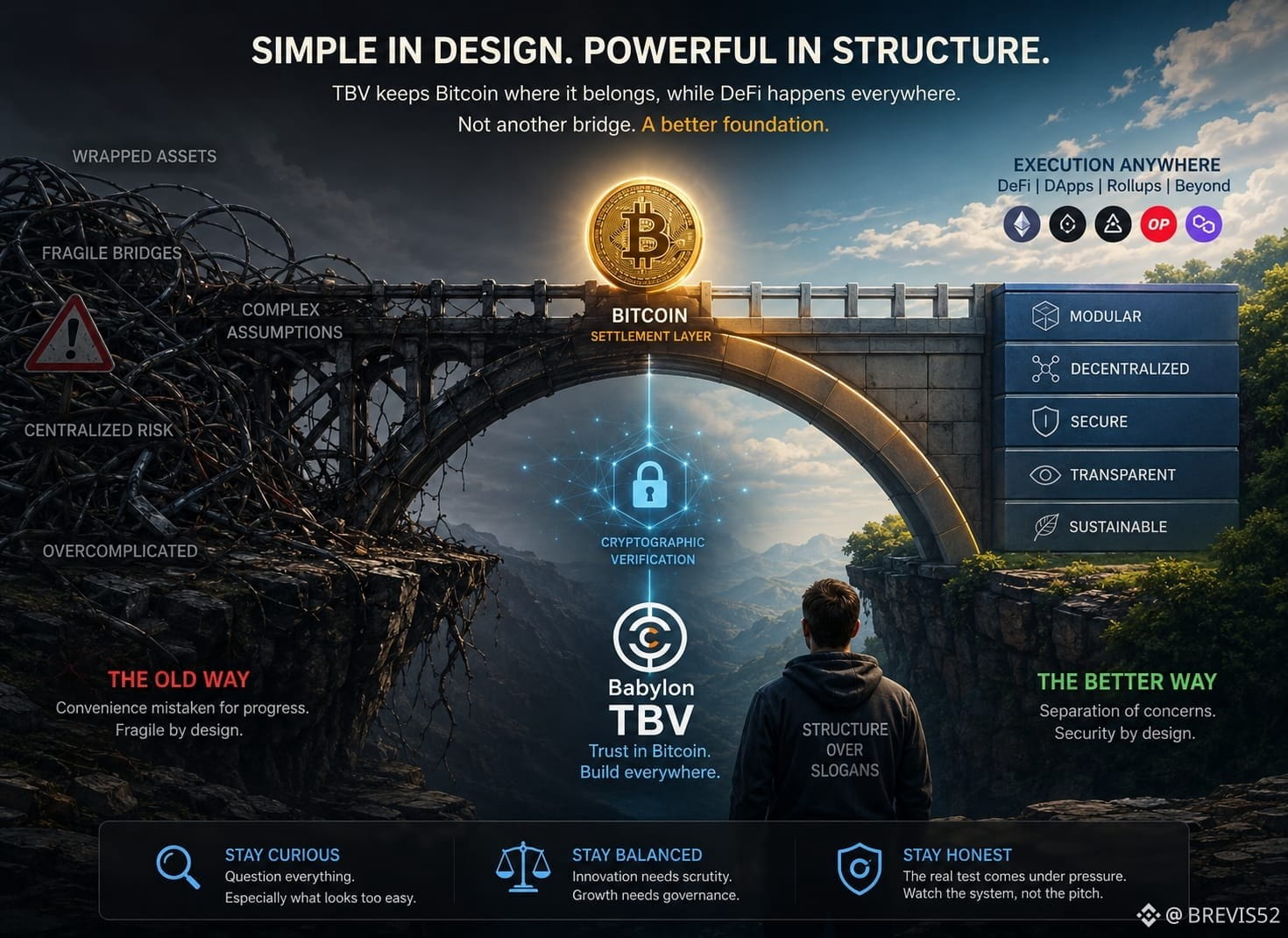
Kriptoda kifayət qədər vaxt olmuşam ki, ən təmiz ideyaların adətən sonradan insanları ən çox məşğul edənlər olduğunu biləm. Babylon-un TBV-si məndə elə buna görə davamlı olaraq qıcıqlandırıcı bir maraq oyadır. Üzdə sadə görünür, hətta bir az şübhəli dərəcədə sadə—və adətən əsl sual da məhz burada başlayır. Mən bazarın çox vaxt rahatlığı “tərəqqi” kimi necə təqdim etdiyini, dərhal ardından isə bizə daha da kövrək bir quraşdırmanı daha yaxşı brendləşdirilmiş formada təqdim etdiyini dəfələrlə görmüşəm.🤔
Məni ən çox düşündürən məsələ “settlement” (hesablaşma) ilə “execution” (icra) arasındakı ayrımdır. BTC Bitcoin üzərində qalır, halbuki DeFi məntiqi digər yerdə kriptoqrafik yoxlama vasitəsilə baş verir—adi “wrapped asset” (bükülmüş aktiv) manevrləri ilə yox. Yetər qədər sikl görmüşəm ki, quruluş şüarlardan daha önəmlidir. Bu barədə nəyinsə fərqli olduğunu hiss edirəm: o, mükəmməl olduğu üçün yox, ona görə ki, köhnə “bridge” modelinin heç vaxt zərif (ideal) olmayacağını iddia etməyə çalışan bir şeyə bənzəmir.🔍
Bununla belə, yeni fərziyyələr tələb edən heç nəyə tam etibar etmirəm. Komplekslik bir yol tapıb yenidən özünü içəri soxmağa meyllidir və artım “sağ qalmaq” kimi səslənməyə başlayanda idarəetmə meyilli şəkildə çaşaraq uzaqlaşa bilər. Mənim izlədiyim hissə budur. Təklif deyil. Povest (narrative) deyil. Sadəcə sistem təzyiq yığılmağa başlayan kimi yenə də düz və dürüst görünürmü—bax budur.⚖️
@BabylonLabs_io $BABY #baby
Məni ən çox düşündürən məsələ “settlement” (hesablaşma) ilə “execution” (icra) arasındakı ayrımdır. BTC Bitcoin üzərində qalır, halbuki DeFi məntiqi digər yerdə kriptoqrafik yoxlama vasitəsilə baş verir—adi “wrapped asset” (bükülmüş aktiv) manevrləri ilə yox. Yetər qədər sikl görmüşəm ki, quruluş şüarlardan daha önəmlidir. Bu barədə nəyinsə fərqli olduğunu hiss edirəm: o, mükəmməl olduğu üçün yox, ona görə ki, köhnə “bridge” modelinin heç vaxt zərif (ideal) olmayacağını iddia etməyə çalışan bir şeyə bənzəmir.🔍
Bununla belə, yeni fərziyyələr tələb edən heç nəyə tam etibar etmirəm. Komplekslik bir yol tapıb yenidən özünü içəri soxmağa meyllidir və artım “sağ qalmaq” kimi səslənməyə başlayanda idarəetmə meyilli şəkildə çaşaraq uzaqlaşa bilər. Mənim izlədiyim hissə budur. Təklif deyil. Povest (narrative) deyil. Sadəcə sistem təzyiq yığılmağa başlayan kimi yenə də düz və dürüst görünürmü—bax budur.⚖️
@BabylonLabs_io $BABY #baby
Daha çox kontent araşdırmaq üçün daxil olun