

BlockchainReporter
27.8k Paylaşımlar

BlockchainReporter
 Square Verified+
Şikayət et
İstifadəçini blokla
The World's Page on Emerging Tech | Cryptocurrencies | Bitcoin | Blockchain | NFT | blockchainreporter.net
2 İzlənilir
42.0K+ İzləyicilər
180.1K+ Bəyəndi
Postlar
Məqalə
Mirae Asset Securities və Grvt tokenləşdirilmiş maliyyələşdirmə notlarının buraxılışı üzrə əməkdaşlıq edirSinqapur, Sinqapur, 27 oktyabr 2026, Chainwire
Əməkdaşlıq Grvt-nin Mirae Asset Securities-in tokenləşdirilmiş maliyyələşdirmə notlarına abunə olması ilə başlayır. Müvafiq normativ tələblərə riayət etmək şərtilə, gələcəkdə tokenləşdirilmiş məhsulların (məsələn, tokenləşdirilmiş xəzinə istiqrazları, korporativ istiqrazlar və ETF-lər) buraxılması imkanları araşdırılacaq.
Koreyanın aparıcı qiymətli kağızlar şirkətinin Honkonq törəmə şirkəti olan Mirae Asset Securities, Grvt-nin abunə olduğu törəmə şirkətinin strukturlaşdırılmış notlar proqramı çərçivəsində tokenləşdirilmiş maliyyələşdirmə notlarının buraxılışını təşkil edib. Grvt, müvafiq tələblərə riayət etmək şərtilə, yaranan ekspozisiyadan Grvt Earn ilə əlaqədar istifadə etməyi planlaşdırır.
Mirae Asset Securities və Grvt tokenləşdirilmiş maliyyələşdirmə notlarının buraxılışı üzrə əməkdaşlıq edir
Sinqapur, Sinqapur, 27 oktyabr 2026, Chainwire
Əməkdaşlıq Grvt-nin Mirae Asset Securities-in tokenləşdirilmiş maliyyələşdirmə notlarına abunə olması ilə başlayır. Müvafiq normativ tələblərə riayət etmək şərtilə, gələcəkdə tokenləşdirilmiş məhsulların (məsələn, tokenləşdirilmiş xəzinə istiqrazları, korporativ istiqrazlar və ETF-lər) buraxılması imkanları araşdırılacaq.
Koreyanın aparıcı qiymətli kağızlar şirkətinin Honkonq törəmə şirkəti olan Mirae Asset Securities, Grvt-nin abunə olduğu törəmə şirkətinin strukturlaşdırılmış notlar proqramı çərçivəsində tokenləşdirilmiş maliyyələşdirmə notlarının buraxılışını təşkil edib. Grvt, müvafiq tələblərə riayət etmək şərtilə, yaranan ekspozisiyadan Grvt Earn ilə əlaqədar istifadə etməyi planlaşdırır.
Əməkdaşlıq Grvt-nin Mirae Asset Securities-in tokenləşdirilmiş maliyyələşdirmə notlarına abunə olması ilə başlayır. Müvafiq normativ tələblərə riayət etmək şərtilə, gələcəkdə tokenləşdirilmiş məhsulların (məsələn, tokenləşdirilmiş xəzinə istiqrazları, korporativ istiqrazlar və ETF-lər) buraxılması imkanları araşdırılacaq.
Koreyanın aparıcı qiymətli kağızlar şirkətinin Honkonq törəmə şirkəti olan Mirae Asset Securities, Grvt-nin abunə olduğu törəmə şirkətinin strukturlaşdırılmış notlar proqramı çərçivəsində tokenləşdirilmiş maliyyələşdirmə notlarının buraxılışını təşkil edib. Grvt, müvafiq tələblərə riayət etmək şərtilə, yaranan ekspozisiyadan Grvt Earn ilə əlaqədar istifadə etməyi planlaşdırır.
108
Məqalə
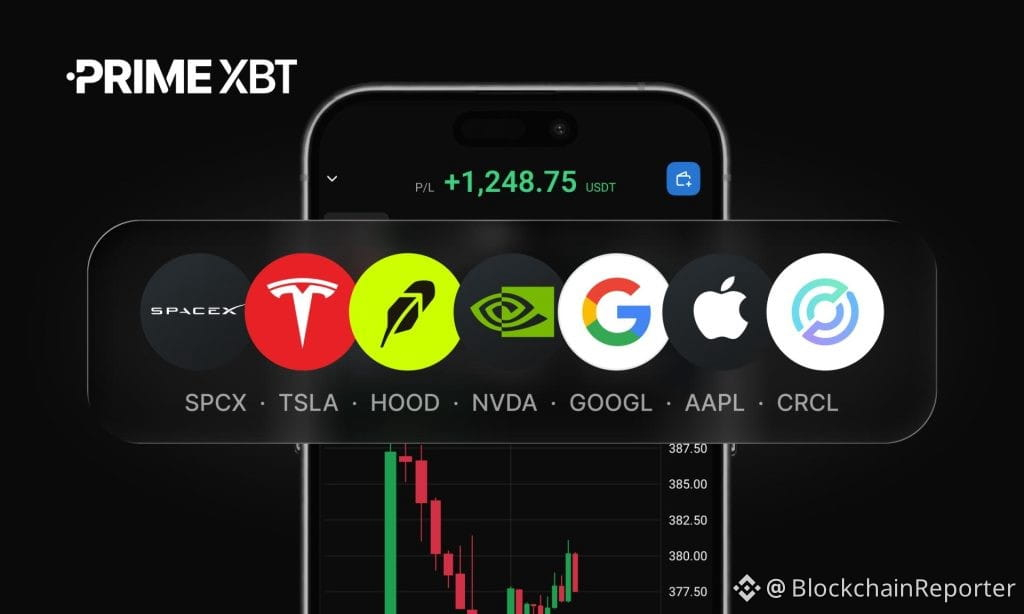
PrimeXBT yeni tokenləşdirilmiş səhmlərlə Tesla, SpaceX, NVIDIA və digər şirkətləri kripto fyuçerslərinə gətirirKastri, Sent-Lüsiya, 27 oktyabr 2026-cı il, Chainwire
Çoxaktivli qlobal broker və kriptoaktiv xidmət təminatçısı olan PrimeXBT, təkliflərini əhəmiyyətli dərəcədə genişləndirdiyini və özünün PXTrader 2.0 platformasında əlçatan yeni kripto fyuçersləri kateqoriyası olan Tokenləşdirilmiş Səhmləri təqdim etdiyini elan edib. Bu təqdimat kripto treyderlərinə dünyanın ən tanınmış şirkətlərindən bəziləri ilə əlaqəli qiymət dəyişikliklərindən yararlanmaq imkanı verir və ənənəvi səhm bazarlarının imkanlarını kripto ticarəti mühitinə gətirir.
Yeni kateqoriyaya SpaceX (SPCX/USDT), NVIDIA (NVDA/USDT), Tesla (TSLA/USDT), Circle (CRCL/USDT), Apple (AAPL/USDT), Alphabet (GOOGL/USDT) və Robinhood (HOOD/USDT) şirkətləri ilə əlaqəli, USDT ilə ifadə olunan yeddi kripto fyuçersi daxildir. Treyderlər uzun və ya qısa mövqelər aça və ənənəvi fond birjalarının iş saatlarından kənar vaxtlar da daxil olmaqla, sutka ərzində bazardakı dəyişikliklərə reaksiya verə bilərlər. Bu müqavilələr əsas səhmlərə sahib olmadan şirkətlərlə əlaqəli qiymət hərəkətlərindən faydalanmaq imkanı yaradır.
PrimeXBT yeni tokenləşdirilmiş səhmlərlə Tesla, SpaceX, NVIDIA və digər şirkətləri kripto fyuçerslərinə gətirir
Kastri, Sent-Lüsiya, 27 oktyabr 2026-cı il, Chainwire
Çoxaktivli qlobal broker və kriptoaktiv xidmət təminatçısı olan PrimeXBT, təkliflərini əhəmiyyətli dərəcədə genişləndirdiyini və özünün PXTrader 2.0 platformasında əlçatan yeni kripto fyuçersləri kateqoriyası olan Tokenləşdirilmiş Səhmləri təqdim etdiyini elan edib. Bu təqdimat kripto treyderlərinə dünyanın ən tanınmış şirkətlərindən bəziləri ilə əlaqəli qiymət dəyişikliklərindən yararlanmaq imkanı verir və ənənəvi səhm bazarlarının imkanlarını kripto ticarəti mühitinə gətirir.
Yeni kateqoriyaya SpaceX (SPCX/USDT), NVIDIA (NVDA/USDT), Tesla (TSLA/USDT), Circle (CRCL/USDT), Apple (AAPL/USDT), Alphabet (GOOGL/USDT) və Robinhood (HOOD/USDT) şirkətləri ilə əlaqəli, USDT ilə ifadə olunan yeddi kripto fyuçersi daxildir. Treyderlər uzun və ya qısa mövqelər aça və ənənəvi fond birjalarının iş saatlarından kənar vaxtlar da daxil olmaqla, sutka ərzində bazardakı dəyişikliklərə reaksiya verə bilərlər. Bu müqavilələr əsas səhmlərə sahib olmadan şirkətlərlə əlaqəli qiymət hərəkətlərindən faydalanmaq imkanı yaradır.
Çoxaktivli qlobal broker və kriptoaktiv xidmət təminatçısı olan PrimeXBT, təkliflərini əhəmiyyətli dərəcədə genişləndirdiyini və özünün PXTrader 2.0 platformasında əlçatan yeni kripto fyuçersləri kateqoriyası olan Tokenləşdirilmiş Səhmləri təqdim etdiyini elan edib. Bu təqdimat kripto treyderlərinə dünyanın ən tanınmış şirkətlərindən bəziləri ilə əlaqəli qiymət dəyişikliklərindən yararlanmaq imkanı verir və ənənəvi səhm bazarlarının imkanlarını kripto ticarəti mühitinə gətirir.
Yeni kateqoriyaya SpaceX (SPCX/USDT), NVIDIA (NVDA/USDT), Tesla (TSLA/USDT), Circle (CRCL/USDT), Apple (AAPL/USDT), Alphabet (GOOGL/USDT) və Robinhood (HOOD/USDT) şirkətləri ilə əlaqəli, USDT ilə ifadə olunan yeddi kripto fyuçersi daxildir. Treyderlər uzun və ya qısa mövqelər aça və ənənəvi fond birjalarının iş saatlarından kənar vaxtlar da daxil olmaqla, sutka ərzində bazardakı dəyişikliklərə reaksiya verə bilərlər. Bu müqavilələr əsas səhmlərə sahib olmadan şirkətlərlə əlaqəli qiymət hərəkətlərindən faydalanmaq imkanı yaradır.
110
Məqalə
Ritual avtonom agentlər üçün süni intellektə əsaslanan Layer 1 şəbəkəsini istifadəyə verirNyu-York, ABŞ, 26 oktyabr 2026, Chainwire
Ritual Chain süni intellekt agentlərini öz pul kisələrinə, blokçeyndəki kimliklərinə və məxfi vəziyyətlərinə sahib olan, davamlı fəaliyyət göstərən iqtisadi subyektlərə çevirir.
Polychain Capital-ın keçmiş tərəfdaşları Niraj Pant və Akilesh Potti tərəfindən qurulmuş avtonom intellekt laboratoriyası Ritual, EVM ilə uyğun Layer 1 blokçeyni olan Ritual Chain-i istifadəyə verib. Əsasən maliyyə əməliyyatlarını icra etmək üçün qurulan ənənəvi blokçeynlərdən fərqli olaraq, Ritual Chain intellektdən müstəqil şəkildə istifadə edə, kapitalı idarə edə, xarici xidmətlərlə qarşılıqlı əlaqədə ola və insanların daimi müdaxiləsi olmadan fəaliyyətini davam etdirə bilən proqram təminatını dəstəkləmək üçün hazırlanıb. Şəbəkə süni intellekt modellərinə çıxışı, məxfi hesablamaları və avtonom tapşırıq planlaşdırmasını EVM tətbiqləri üçün yerli imkanlara çevirir.
Ritual avtonom agentlər üçün süni intellektə əsaslanan Layer 1 şəbəkəsini istifadəyə verir
Nyu-York, ABŞ, 26 oktyabr 2026, Chainwire
Ritual Chain süni intellekt agentlərini öz pul kisələrinə, blokçeyndəki kimliklərinə və məxfi vəziyyətlərinə sahib olan, davamlı fəaliyyət göstərən iqtisadi subyektlərə çevirir.
Polychain Capital-ın keçmiş tərəfdaşları Niraj Pant və Akilesh Potti tərəfindən qurulmuş avtonom intellekt laboratoriyası Ritual, EVM ilə uyğun Layer 1 blokçeyni olan Ritual Chain-i istifadəyə verib. Əsasən maliyyə əməliyyatlarını icra etmək üçün qurulan ənənəvi blokçeynlərdən fərqli olaraq, Ritual Chain intellektdən müstəqil şəkildə istifadə edə, kapitalı idarə edə, xarici xidmətlərlə qarşılıqlı əlaqədə ola və insanların daimi müdaxiləsi olmadan fəaliyyətini davam etdirə bilən proqram təminatını dəstəkləmək üçün hazırlanıb. Şəbəkə süni intellekt modellərinə çıxışı, məxfi hesablamaları və avtonom tapşırıq planlaşdırmasını EVM tətbiqləri üçün yerli imkanlara çevirir.
Ritual Chain süni intellekt agentlərini öz pul kisələrinə, blokçeyndəki kimliklərinə və məxfi vəziyyətlərinə sahib olan, davamlı fəaliyyət göstərən iqtisadi subyektlərə çevirir.
Polychain Capital-ın keçmiş tərəfdaşları Niraj Pant və Akilesh Potti tərəfindən qurulmuş avtonom intellekt laboratoriyası Ritual, EVM ilə uyğun Layer 1 blokçeyni olan Ritual Chain-i istifadəyə verib. Əsasən maliyyə əməliyyatlarını icra etmək üçün qurulan ənənəvi blokçeynlərdən fərqli olaraq, Ritual Chain intellektdən müstəqil şəkildə istifadə edə, kapitalı idarə edə, xarici xidmətlərlə qarşılıqlı əlaqədə ola və insanların daimi müdaxiləsi olmadan fəaliyyətini davam etdirə bilən proqram təminatını dəstəkləmək üçün hazırlanıb. Şəbəkə süni intellekt modellərinə çıxışı, məxfi hesablamaları və avtonom tapşırıq planlaşdırmasını EVM tətbiqləri üçün yerli imkanlara çevirir.
160
Məqalə
Square Tech və GOAT Network Cənubi Koreyada Süni İntellekt Agentləri ilə İşləyən Stabilkoin Ödənişlərini İnkişaf Etdirmək üçün MOU İmzalamaqla Razılığa GəlibOklend, San-Fransisko, Kaliforniya, ABŞ, 22 oktyabr 2026-cı il, Chainwire
Square Tech Rəqəmsal Həllər (DS) biznesinin bir hissəsi kimi süni intellekt agentləri ilə işləyən ödəniş həllərini araşdıracaq
İlkin diqqət Lordsystem ilə hazırda hazırlanmaqda olan xarici turistlər üçün stabilkoin ödəniş proqramına GOAT Network texnologiyasının inteqrasiyasına yönələcək
Təklif olunan təhlükəsizlik tədbirlərinə zəncirüstü yoxlanıla bilən şəxsiyyət, xərcləmə limitləri və istifadəçi icazəsi daxildir; mərhələli tətbiq Koreyanın hüquqi və tənzimləyici yoxlamasından asılı olacaq
Square Tech (KOSDAQ: 148250) bu gün elan edib ki, Rəqəmsal Həllər biznesinin bir hissəsi kimi Cənubi Koreyada süni intellekt agentləri ilə işləyən stabilkoin ödəniş xidmətlərini araşdırmaq məqsədilə agent əsaslı ticarət üçün Bitcoin ilə qorunan infrastruktur olan GOAT Network ilə Anlaşma Memorandumu (MOU) imzalayıb. GOAT Network-ün əsas infrastrukturunu hazırlayan DAC Labs da texniki dəstək göstərmək üçün razılaşmaya qoşulub.
Square Tech və GOAT Network Cənubi Koreyada Süni İntellekt Agentləri ilə İşləyən Stabilkoin Ödənişlərini İnkişaf Etdirmək üçün MOU İmzalamaqla Razılığa Gəlib
Oklend, San-Fransisko, Kaliforniya, ABŞ, 22 oktyabr 2026-cı il, Chainwire
Square Tech Rəqəmsal Həllər (DS) biznesinin bir hissəsi kimi süni intellekt agentləri ilə işləyən ödəniş həllərini araşdıracaq
İlkin diqqət Lordsystem ilə hazırda hazırlanmaqda olan xarici turistlər üçün stabilkoin ödəniş proqramına GOAT Network texnologiyasının inteqrasiyasına yönələcək
Təklif olunan təhlükəsizlik tədbirlərinə zəncirüstü yoxlanıla bilən şəxsiyyət, xərcləmə limitləri və istifadəçi icazəsi daxildir; mərhələli tətbiq Koreyanın hüquqi və tənzimləyici yoxlamasından asılı olacaq
Square Tech (KOSDAQ: 148250) bu gün elan edib ki, Rəqəmsal Həllər biznesinin bir hissəsi kimi Cənubi Koreyada süni intellekt agentləri ilə işləyən stabilkoin ödəniş xidmətlərini araşdırmaq məqsədilə agent əsaslı ticarət üçün Bitcoin ilə qorunan infrastruktur olan GOAT Network ilə Anlaşma Memorandumu (MOU) imzalayıb. GOAT Network-ün əsas infrastrukturunu hazırlayan DAC Labs da texniki dəstək göstərmək üçün razılaşmaya qoşulub.
Square Tech Rəqəmsal Həllər (DS) biznesinin bir hissəsi kimi süni intellekt agentləri ilə işləyən ödəniş həllərini araşdıracaq
İlkin diqqət Lordsystem ilə hazırda hazırlanmaqda olan xarici turistlər üçün stabilkoin ödəniş proqramına GOAT Network texnologiyasının inteqrasiyasına yönələcək
Təklif olunan təhlükəsizlik tədbirlərinə zəncirüstü yoxlanıla bilən şəxsiyyət, xərcləmə limitləri və istifadəçi icazəsi daxildir; mərhələli tətbiq Koreyanın hüquqi və tənzimləyici yoxlamasından asılı olacaq
Square Tech (KOSDAQ: 148250) bu gün elan edib ki, Rəqəmsal Həllər biznesinin bir hissəsi kimi Cənubi Koreyada süni intellekt agentləri ilə işləyən stabilkoin ödəniş xidmətlərini araşdırmaq məqsədilə agent əsaslı ticarət üçün Bitcoin ilə qorunan infrastruktur olan GOAT Network ilə Anlaşma Memorandumu (MOU) imzalayıb. GOAT Network-ün əsas infrastrukturunu hazırlayan DAC Labs da texniki dəstək göstərmək üçün razılaşmaya qoşulub.
354
AEREDIUM kod yazan və pul əməliyyatları aparan süni intellekt agentləri üçün siyasət məhdudiyyətləri tətbiq edirRəqəmsal aktivlər infrastrukturu şirkəti AEREDIUM oktyabrın 22-də süni intellekt agentinin hərəkət etməzdən əvvəl nələr edə biləcəyini yoxlayan iki məhsul elan etdi. Chair kod yazan agentlərə nəzarət edir. MCP Connector ödənişlər və ticarət əməliyyatları aparan agentləri idarə edir. Hər iki məhsul şirkətin yeni süni intellekt platforması vasitəsilə işləyir və AEREDIUM onların oktyabrın 13-də istifadəyə verildiyini bildirir. Siyasət mühərriki təklif olunan hərəkətin nəticəsini üç variantdan biri ilə müəyyən edir: təsdiqlənir, rədd edilir və ya insanın qərarını gözləyir.
Bu təqdimat agentlərin mətn hazırlamaqdan real sistemlərlə işləməyə keçdiyi vaxta təsadüf edir. Coinbase iyul ayında korporativ müştərilər üçün süni intellekt agentlərinin istifadə edə biləcəyi ödəniş infrastrukturunu işə saldı. Decrypt-in xəbərinə görə, apreldə avtomobil icarəsi proqram təminatı startapının təsisçisi kod yazan agentin bir doqquz saniyəlik API çağırışı ilə onun istehsalat bazasını və ehtiyat nüsxələrini sildiyini bildirdi. Help Net Security-nin iyunda qeyd etdiyi kimi, OWASP özünün agent əsaslı tətbiqlər üçün Top 10 siyahısındakı on kateqoriyadan altısını prompt inyeksiyası ilə əlaqələndirir. AEREDIUM-un baş direktoru Albert Dadon problemi sadə şəkildə ifadə edir: çətinlik «təkcə bu agentləri daha bacarıqlı etmək deyil, həm də onların müəyyən etdiyimiz qaydalar çərçivəsində işləməsinə əmin olmaqdır».
AEREDIUM kod yazan və pul əməliyyatları aparan süni intellekt agentləri üçün siyasət məhdudiyyətləri tətbiq edir
Rəqəmsal aktivlər infrastrukturu şirkəti AEREDIUM oktyabrın 22-də süni intellekt agentinin hərəkət etməzdən əvvəl nələr edə biləcəyini yoxlayan iki məhsul elan etdi. Chair kod yazan agentlərə nəzarət edir. MCP Connector ödənişlər və ticarət əməliyyatları aparan agentləri idarə edir. Hər iki məhsul şirkətin yeni süni intellekt platforması vasitəsilə işləyir və AEREDIUM onların oktyabrın 13-də istifadəyə verildiyini bildirir. Siyasət mühərriki təklif olunan hərəkətin nəticəsini üç variantdan biri ilə müəyyən edir: təsdiqlənir, rədd edilir və ya insanın qərarını gözləyir.
Bu təqdimat agentlərin mətn hazırlamaqdan real sistemlərlə işləməyə keçdiyi vaxta təsadüf edir. Coinbase iyul ayında korporativ müştərilər üçün süni intellekt agentlərinin istifadə edə biləcəyi ödəniş infrastrukturunu işə saldı. Decrypt-in xəbərinə görə, apreldə avtomobil icarəsi proqram təminatı startapının təsisçisi kod yazan agentin bir doqquz saniyəlik API çağırışı ilə onun istehsalat bazasını və ehtiyat nüsxələrini sildiyini bildirdi. Help Net Security-nin iyunda qeyd etdiyi kimi, OWASP özünün agent əsaslı tətbiqlər üçün Top 10 siyahısındakı on kateqoriyadan altısını prompt inyeksiyası ilə əlaqələndirir. AEREDIUM-un baş direktoru Albert Dadon problemi sadə şəkildə ifadə edir: çətinlik «təkcə bu agentləri daha bacarıqlı etmək deyil, həm də onların müəyyən etdiyimiz qaydalar çərçivəsində işləməsinə əmin olmaqdır».
Bu təqdimat agentlərin mətn hazırlamaqdan real sistemlərlə işləməyə keçdiyi vaxta təsadüf edir. Coinbase iyul ayında korporativ müştərilər üçün süni intellekt agentlərinin istifadə edə biləcəyi ödəniş infrastrukturunu işə saldı. Decrypt-in xəbərinə görə, apreldə avtomobil icarəsi proqram təminatı startapının təsisçisi kod yazan agentin bir doqquz saniyəlik API çağırışı ilə onun istehsalat bazasını və ehtiyat nüsxələrini sildiyini bildirdi. Help Net Security-nin iyunda qeyd etdiyi kimi, OWASP özünün agent əsaslı tətbiqlər üçün Top 10 siyahısındakı on kateqoriyadan altısını prompt inyeksiyası ilə əlaqələndirir. AEREDIUM-un baş direktoru Albert Dadon problemi sadə şəkildə ifadə edir: çətinlik «təkcə bu agentləri daha bacarıqlı etmək deyil, həm də onların müəyyən etdiyimiz qaydalar çərçivəsində işləməsinə əmin olmaqdır».
239
Məqalə
Grvt 2.0-a geri sayım başlayarkən GRVT 1,1 milyon tokeni yandırırSinqapur, Sinqapur, 20 oktyabr 2026, Chainwire
Şirkətin mülahizəsinə əsaslanan token geri alışı dövriyyədəki tokenlərin təxminən 1%-ni əhatə edir və Grvt 2.0 ilə yekunlaşacaq, planlaşdırılan dörd məhsul mərhələsindən əvvəl həyata keçirilir.
Özünün sıfır bilik (ZK) blokçeynində qurulmuş, istifadəçilərin aktivlərinə özlərinin nəzarət etdiyi Grvt ticarət platforması Fondun token emissiyaçısının ilk GRVT token geri alışını tamamladığını, açıq bazarda 1,1 milyon GRVT tokeni alıb yandırdığını elan etdi.
Bu əməliyyat alış zamanı GRVT-nin dövriyyədəki tokenlərinin təxminən 1%-ni dövriyyədən həmişəlik çıxardı. Bu, 2026-cı ilin noyabr ayının sonuna planlaşdırılan Grvt 2.0 təqdimatından əvvəl nəzərdə tutulan beş mərhələdən birincisidir.
Grvt 2.0-a geri sayım başlayarkən GRVT 1,1 milyon tokeni yandırır
Sinqapur, Sinqapur, 20 oktyabr 2026, Chainwire
Şirkətin mülahizəsinə əsaslanan token geri alışı dövriyyədəki tokenlərin təxminən 1%-ni əhatə edir və Grvt 2.0 ilə yekunlaşacaq, planlaşdırılan dörd məhsul mərhələsindən əvvəl həyata keçirilir.
Özünün sıfır bilik (ZK) blokçeynində qurulmuş, istifadəçilərin aktivlərinə özlərinin nəzarət etdiyi Grvt ticarət platforması Fondun token emissiyaçısının ilk GRVT token geri alışını tamamladığını, açıq bazarda 1,1 milyon GRVT tokeni alıb yandırdığını elan etdi.
Bu əməliyyat alış zamanı GRVT-nin dövriyyədəki tokenlərinin təxminən 1%-ni dövriyyədən həmişəlik çıxardı. Bu, 2026-cı ilin noyabr ayının sonuna planlaşdırılan Grvt 2.0 təqdimatından əvvəl nəzərdə tutulan beş mərhələdən birincisidir.
Şirkətin mülahizəsinə əsaslanan token geri alışı dövriyyədəki tokenlərin təxminən 1%-ni əhatə edir və Grvt 2.0 ilə yekunlaşacaq, planlaşdırılan dörd məhsul mərhələsindən əvvəl həyata keçirilir.
Özünün sıfır bilik (ZK) blokçeynində qurulmuş, istifadəçilərin aktivlərinə özlərinin nəzarət etdiyi Grvt ticarət platforması Fondun token emissiyaçısının ilk GRVT token geri alışını tamamladığını, açıq bazarda 1,1 milyon GRVT tokeni alıb yandırdığını elan etdi.
Bu əməliyyat alış zamanı GRVT-nin dövriyyədəki tokenlərinin təxminən 1%-ni dövriyyədən həmişəlik çıxardı. Bu, 2026-cı ilin noyabr ayının sonuna planlaşdırılan Grvt 2.0 təqdimatından əvvəl nəzərdə tutulan beş mərhələdən birincisidir.
626
Məqalə
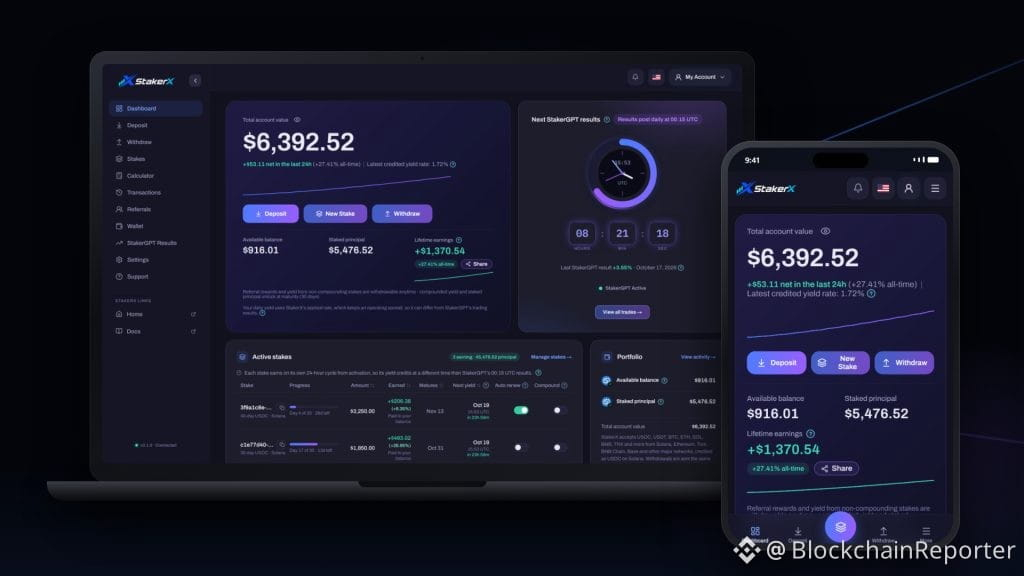
StakerX-in süni intellekt agentinin Solana-da stake edilmiş aktivləri işə salınmasından üç ay ərzində 40 milyon dolları keçibSürix, İsveçrə, 19 oktyabr 2026-cı il, Chainwire
StakerX-in süni intellekt agentinin Solana-da stake edilmiş aktivləri işə salınmasından üç ay ərzində 40 milyon dolları keçib
StakerGPT kriptovalyuta bazarlarında gecə-gündüz ticarət edir və etdiyi hər bir əməliyyatı dərc edir; platformaya qoşulan istifadəçilərin sayı isə 8 200-ü ötüb
İsveçrədə yerləşən StakerX Strategies AG tərəfindən yaradılmış agent əsaslı ticarət platforması StakerX.ai, 13 iyul 2026-cı ildə ictimaiyyətə açıldıqdan üç aydan az müddət sonra Solana-da stake edilmiş aktivlərinin həcminin 40 milyon dolları keçdiyini açıqlayıb. İstifadəçilər yatırımlarını əksər böyük blokçeynlərdən 40-dan çox kriptovalyuta ilə maliyyələşdirir, platformanın agent əsaslı ticarət agenti StakerGPT isə bu kapitalı hər gün kriptovalyuta perpetual fyuçers bazarlarında işə salır.
StakerX-in süni intellekt agentinin Solana-da stake edilmiş aktivləri işə salınmasından üç ay ərzində 40 milyon dolları keçib
Sürix, İsveçrə, 19 oktyabr 2026-cı il, Chainwire
StakerX-in süni intellekt agentinin Solana-da stake edilmiş aktivləri işə salınmasından üç ay ərzində 40 milyon dolları keçib
StakerGPT kriptovalyuta bazarlarında gecə-gündüz ticarət edir və etdiyi hər bir əməliyyatı dərc edir; platformaya qoşulan istifadəçilərin sayı isə 8 200-ü ötüb
İsveçrədə yerləşən StakerX Strategies AG tərəfindən yaradılmış agent əsaslı ticarət platforması StakerX.ai, 13 iyul 2026-cı ildə ictimaiyyətə açıldıqdan üç aydan az müddət sonra Solana-da stake edilmiş aktivlərinin həcminin 40 milyon dolları keçdiyini açıqlayıb. İstifadəçilər yatırımlarını əksər böyük blokçeynlərdən 40-dan çox kriptovalyuta ilə maliyyələşdirir, platformanın agent əsaslı ticarət agenti StakerGPT isə bu kapitalı hər gün kriptovalyuta perpetual fyuçers bazarlarında işə salır.
StakerX-in süni intellekt agentinin Solana-da stake edilmiş aktivləri işə salınmasından üç ay ərzində 40 milyon dolları keçib
StakerGPT kriptovalyuta bazarlarında gecə-gündüz ticarət edir və etdiyi hər bir əməliyyatı dərc edir; platformaya qoşulan istifadəçilərin sayı isə 8 200-ü ötüb
İsveçrədə yerləşən StakerX Strategies AG tərəfindən yaradılmış agent əsaslı ticarət platforması StakerX.ai, 13 iyul 2026-cı ildə ictimaiyyətə açıldıqdan üç aydan az müddət sonra Solana-da stake edilmiş aktivlərinin həcminin 40 milyon dolları keçdiyini açıqlayıb. İstifadəçilər yatırımlarını əksər böyük blokçeynlərdən 40-dan çox kriptovalyuta ilə maliyyələşdirir, platformanın agent əsaslı ticarət agenti StakerGPT isə bu kapitalı hər gün kriptovalyuta perpetual fyuçers bazarlarında işə salır.
1
171
Məqalə
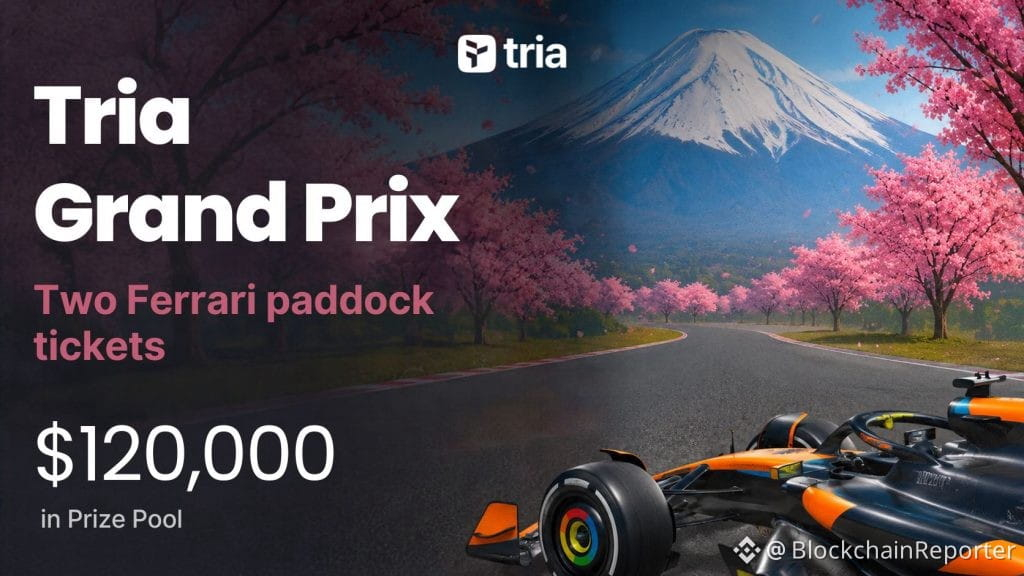
Tria 120 min dollarlıq Tria Grand Prix perpetual fyuçers ticarəti yarışmasını təqdim edir — 2 çempion Ferrari F1...Nyu-York, Nyu-York, 16 oktyabr 2026, Chainwire
Üç aylıq çempionat Hyperliquid və Decibel treyderlərini pul mükafatları və Suzukada eksklüziv Ferrari Formula 1 təcrübəsi uğrunda bir araya gətirir; eyni zamanda tokenləşdirmə qlobal maliyyə bazarlarına çıxışı genişləndirir.
Ticarət, gəlirlilik və ödənişləri vahid platformada birləşdirən özünüsaxlama əsaslı maliyyə platforması Tria bu gün Tria Grand Prix yarışmasının başladığını elan etdi. Üç ay davam edəcək qlobal perpetual fyuçers ticarəti yarışmasında 120.000 dollar mükafat fondu və möhtəşəm baş mükafat — 2027-ci il Formula 1 Yaponiya Qran-prisində yarışmanın uyğunluq meyarlarına cavab verən ən yaxşı iki treyderi üçün üçgünlük Ferrari F1 Paddock Club təcrübəsi təqdim olunur.
Tria 120 min dollarlıq Tria Grand Prix perpetual fyuçers ticarəti yarışmasını təqdim edir — 2 çempion Ferrari F1...
Nyu-York, Nyu-York, 16 oktyabr 2026, Chainwire
Üç aylıq çempionat Hyperliquid və Decibel treyderlərini pul mükafatları və Suzukada eksklüziv Ferrari Formula 1 təcrübəsi uğrunda bir araya gətirir; eyni zamanda tokenləşdirmə qlobal maliyyə bazarlarına çıxışı genişləndirir.
Ticarət, gəlirlilik və ödənişləri vahid platformada birləşdirən özünüsaxlama əsaslı maliyyə platforması Tria bu gün Tria Grand Prix yarışmasının başladığını elan etdi. Üç ay davam edəcək qlobal perpetual fyuçers ticarəti yarışmasında 120.000 dollar mükafat fondu və möhtəşəm baş mükafat — 2027-ci il Formula 1 Yaponiya Qran-prisində yarışmanın uyğunluq meyarlarına cavab verən ən yaxşı iki treyderi üçün üçgünlük Ferrari F1 Paddock Club təcrübəsi təqdim olunur.
Üç aylıq çempionat Hyperliquid və Decibel treyderlərini pul mükafatları və Suzukada eksklüziv Ferrari Formula 1 təcrübəsi uğrunda bir araya gətirir; eyni zamanda tokenləşdirmə qlobal maliyyə bazarlarına çıxışı genişləndirir.
Ticarət, gəlirlilik və ödənişləri vahid platformada birləşdirən özünüsaxlama əsaslı maliyyə platforması Tria bu gün Tria Grand Prix yarışmasının başladığını elan etdi. Üç ay davam edəcək qlobal perpetual fyuçers ticarəti yarışmasında 120.000 dollar mükafat fondu və möhtəşəm baş mükafat — 2027-ci il Formula 1 Yaponiya Qran-prisində yarışmanın uyğunluq meyarlarına cavab verən ən yaxşı iki treyderi üçün üçgünlük Ferrari F1 Paddock Club təcrübəsi təqdim olunur.
1
471
Məqalə
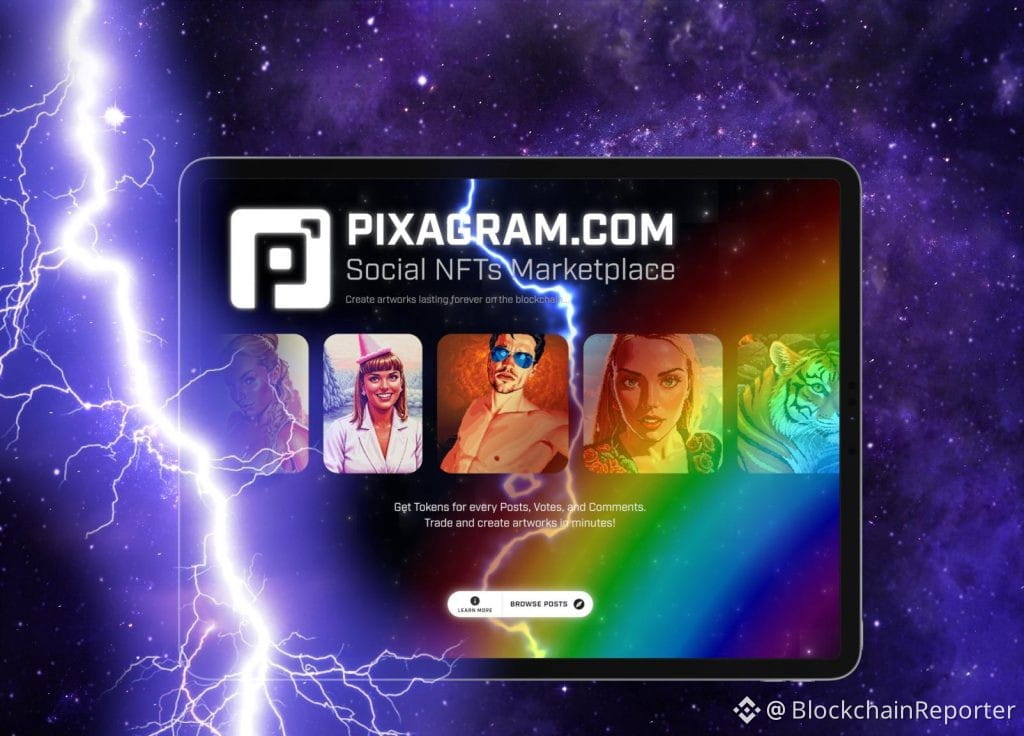
Pixagram 2026-cı ilin sonunadək hər gün 250 yeni istifadəçi üçün pulsuz hesab yaradılacağını elan edirPanama-Siti, Panama, 15 oktyabr 2026, Chainwire
Pixagram 2026-cı ilin sonunadək hər gün 250-yədək yeni üzv üçün pulsuz hesab yaradılacağını elan edir. Müstəqil Layer-1 Pixa blokçeyni üzərində qurulan Pixagram iyerarxiyaya qarşı sosial şəbəkədir. Burada hər paylaşım, səsvermə və şərh imzalanmış blokçeyn əməliyyatı kimi qeydə alınır; reklam yoxdur və başlamaq üçün kriptovalyuta almaq tələb olunmur.
Pixagram 2026-cı ilin sonunadək hər gün 250-yədək yeni üzv üçün 20 PIXA şəbəkə komissiyasını ödəyəcək. Yeni üzvlər Pixagram.com saytında pulsuz @username əldə edə və yaradıcılar üçün platformanın blokçeyn əsaslı icmasına qoşula bilərlər.
Pixagram 2026-cı ilin sonunadək hər gün 250 yeni istifadəçi üçün pulsuz hesab yaradılacağını elan edir
Panama-Siti, Panama, 15 oktyabr 2026, Chainwire
Pixagram 2026-cı ilin sonunadək hər gün 250-yədək yeni üzv üçün pulsuz hesab yaradılacağını elan edir. Müstəqil Layer-1 Pixa blokçeyni üzərində qurulan Pixagram iyerarxiyaya qarşı sosial şəbəkədir. Burada hər paylaşım, səsvermə və şərh imzalanmış blokçeyn əməliyyatı kimi qeydə alınır; reklam yoxdur və başlamaq üçün kriptovalyuta almaq tələb olunmur.
Pixagram 2026-cı ilin sonunadək hər gün 250-yədək yeni üzv üçün 20 PIXA şəbəkə komissiyasını ödəyəcək. Yeni üzvlər Pixagram.com saytında pulsuz @username əldə edə və yaradıcılar üçün platformanın blokçeyn əsaslı icmasına qoşula bilərlər.
Pixagram 2026-cı ilin sonunadək hər gün 250-yədək yeni üzv üçün pulsuz hesab yaradılacağını elan edir. Müstəqil Layer-1 Pixa blokçeyni üzərində qurulan Pixagram iyerarxiyaya qarşı sosial şəbəkədir. Burada hər paylaşım, səsvermə və şərh imzalanmış blokçeyn əməliyyatı kimi qeydə alınır; reklam yoxdur və başlamaq üçün kriptovalyuta almaq tələb olunmur.
Pixagram 2026-cı ilin sonunadək hər gün 250-yədək yeni üzv üçün 20 PIXA şəbəkə komissiyasını ödəyəcək. Yeni üzvlər Pixagram.com saytında pulsuz @username əldə edə və yaradıcılar üçün platformanın blokçeyn əsaslı icmasına qoşula bilərlər.
304

Məqalə
A7 International ilə tanış olun: beynəlxalq ödənişləri yenidən formalaşdırmaq üçün yaradılmış innovativ qlobal platforma...Moskva, Rusiya, 13 oktyabr 2026, Chainwire
A7 International şirkətlərə və fiziki şəxslərə rəqəmsal aktivlərlə hesab-fakturaları ödəməyə imkan verir, alıcılar isə adi bank köçürməsi alırlar. Bu, A7-nin beynəlxalq mövqeyini əks etdirir və xarici müştərilər üçün əlçatan hesablaşmaların coğrafiyasını genişləndirir.
İki illik fəaliyyəti ərzində A7 beynəlxalq hesablaşmalar bazarının əsas iştirakçılarından birinə çevrilib. Rusiya şirkətlərinin xarici iqtisadi fəaliyyətinə xidmət göstərmək məqsədilə 2024-cü ildə yaradılan şirkət hazırda təxminən 15 000 şirkətə xidmət göstərir və təkcə 2025-ci ildə 10 trilyondan çox rubl məbləğində əməliyyat həyata keçirib. A7-nin ölkə daxilində təklif etdiyi xidmətlər digər ölkələrin şirkətlərində də maraq doğurub və bu, şirkəti xarici müştərilər üçün yeni məhsul yaratmağa sövq edib.
A7 International ilə tanış olun: beynəlxalq ödənişləri yenidən formalaşdırmaq üçün yaradılmış innovativ qlobal platforma...
Moskva, Rusiya, 13 oktyabr 2026, Chainwire
A7 International şirkətlərə və fiziki şəxslərə rəqəmsal aktivlərlə hesab-fakturaları ödəməyə imkan verir, alıcılar isə adi bank köçürməsi alırlar. Bu, A7-nin beynəlxalq mövqeyini əks etdirir və xarici müştərilər üçün əlçatan hesablaşmaların coğrafiyasını genişləndirir.
İki illik fəaliyyəti ərzində A7 beynəlxalq hesablaşmalar bazarının əsas iştirakçılarından birinə çevrilib. Rusiya şirkətlərinin xarici iqtisadi fəaliyyətinə xidmət göstərmək məqsədilə 2024-cü ildə yaradılan şirkət hazırda təxminən 15 000 şirkətə xidmət göstərir və təkcə 2025-ci ildə 10 trilyondan çox rubl məbləğində əməliyyat həyata keçirib. A7-nin ölkə daxilində təklif etdiyi xidmətlər digər ölkələrin şirkətlərində də maraq doğurub və bu, şirkəti xarici müştərilər üçün yeni məhsul yaratmağa sövq edib.
A7 International şirkətlərə və fiziki şəxslərə rəqəmsal aktivlərlə hesab-fakturaları ödəməyə imkan verir, alıcılar isə adi bank köçürməsi alırlar. Bu, A7-nin beynəlxalq mövqeyini əks etdirir və xarici müştərilər üçün əlçatan hesablaşmaların coğrafiyasını genişləndirir.
İki illik fəaliyyəti ərzində A7 beynəlxalq hesablaşmalar bazarının əsas iştirakçılarından birinə çevrilib. Rusiya şirkətlərinin xarici iqtisadi fəaliyyətinə xidmət göstərmək məqsədilə 2024-cü ildə yaradılan şirkət hazırda təxminən 15 000 şirkətə xidmət göstərir və təkcə 2025-ci ildə 10 trilyondan çox rubl məbləğində əməliyyat həyata keçirib. A7-nin ölkə daxilində təklif etdiyi xidmətlər digər ölkələrin şirkətlərində də maraq doğurub və bu, şirkəti xarici müştərilər üçün yeni məhsul yaratmağa sövq edib.
1
254
Məqalə
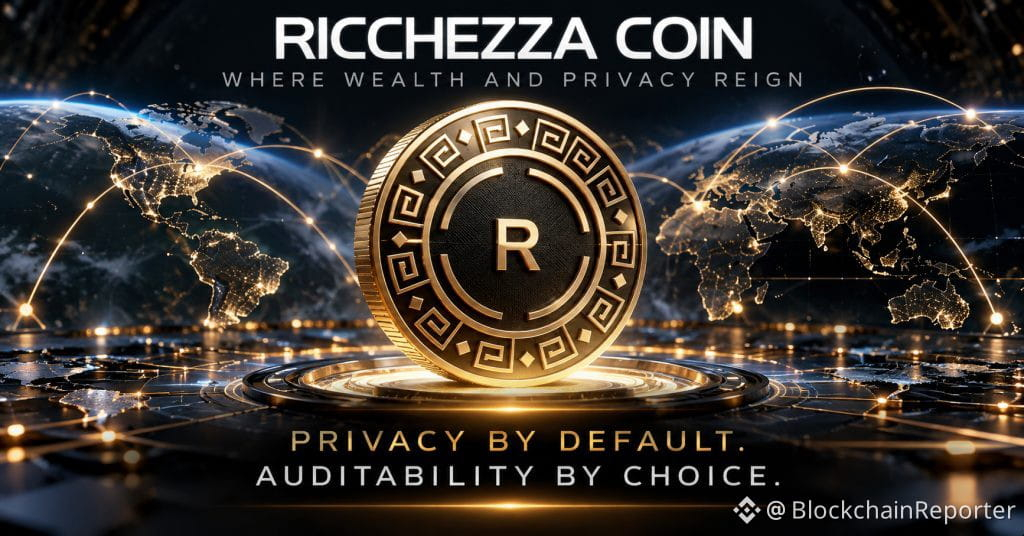
Məxfilik — standart olaraq. Açıqlama — seçimə görə: Ricchezza Coin Layer 1 məxfilik ekosistemini istifadəyə verməyə hazırlaşır...Panama şəhəri, Panama, 13 oktyabr 2026, Chainwire
Ricchezza Coin və Ricchezza Network 2026-cı ilin dördüncü rübündə planlaşdırılan buraxılışa hazırlaşır. Ricchezza hesab edir ki, uzun müddətdir iki şirkətin üstünlük təşkil etdiyi kriptovalyuta sektorunda üçüncü yanaşma üçün yer var.
Məxfiliyə yönəlmiş özəl Layer 1 blokçeyni kimi qurulan Ricchezza Network sadə bir prinsip əsasında hazırlanır: Məxfilik — standart olaraq. Açıqlama — seçimə görə.
Bir şirkət şəxsi rəqəmsal əməliyyatlara tələbatın formalaşmasına kömək etdi. Digər şirkət isə sıfır bilik texnologiyasının və məxfi əməliyyatların potensialını nümayiş etdirdi. Ricchezza bazara fərqli təkliflə daxil olur: istifadəçilərə konkret əməliyyat barədə məlumatı istədikləri zaman seçərək açıqlamaq imkanı verən, məxfi qalmaq üçün nəzərdə tutulmuş əməliyyatlar. Ricchezza bunu seçmə audit imkanı adlandırır.
Məxfilik — standart olaraq. Açıqlama — seçimə görə: Ricchezza Coin Layer 1 məxfilik ekosistemini istifadəyə verməyə hazırlaşır...
Panama şəhəri, Panama, 13 oktyabr 2026, Chainwire
Ricchezza Coin və Ricchezza Network 2026-cı ilin dördüncü rübündə planlaşdırılan buraxılışa hazırlaşır. Ricchezza hesab edir ki, uzun müddətdir iki şirkətin üstünlük təşkil etdiyi kriptovalyuta sektorunda üçüncü yanaşma üçün yer var.
Məxfiliyə yönəlmiş özəl Layer 1 blokçeyni kimi qurulan Ricchezza Network sadə bir prinsip əsasında hazırlanır: Məxfilik — standart olaraq. Açıqlama — seçimə görə.
Bir şirkət şəxsi rəqəmsal əməliyyatlara tələbatın formalaşmasına kömək etdi. Digər şirkət isə sıfır bilik texnologiyasının və məxfi əməliyyatların potensialını nümayiş etdirdi. Ricchezza bazara fərqli təkliflə daxil olur: istifadəçilərə konkret əməliyyat barədə məlumatı istədikləri zaman seçərək açıqlamaq imkanı verən, məxfi qalmaq üçün nəzərdə tutulmuş əməliyyatlar. Ricchezza bunu seçmə audit imkanı adlandırır.
Ricchezza Coin və Ricchezza Network 2026-cı ilin dördüncü rübündə planlaşdırılan buraxılışa hazırlaşır. Ricchezza hesab edir ki, uzun müddətdir iki şirkətin üstünlük təşkil etdiyi kriptovalyuta sektorunda üçüncü yanaşma üçün yer var.
Məxfiliyə yönəlmiş özəl Layer 1 blokçeyni kimi qurulan Ricchezza Network sadə bir prinsip əsasında hazırlanır: Məxfilik — standart olaraq. Açıqlama — seçimə görə.
Bir şirkət şəxsi rəqəmsal əməliyyatlara tələbatın formalaşmasına kömək etdi. Digər şirkət isə sıfır bilik texnologiyasının və məxfi əməliyyatların potensialını nümayiş etdirdi. Ricchezza bazara fərqli təkliflə daxil olur: istifadəçilərə konkret əməliyyat barədə məlumatı istədikləri zaman seçərək açıqlamaq imkanı verən, məxfi qalmaq üçün nəzərdə tutulmuş əməliyyatlar. Ricchezza bunu seçmə audit imkanı adlandırır.
290
Doğrulanıb
Məqalə
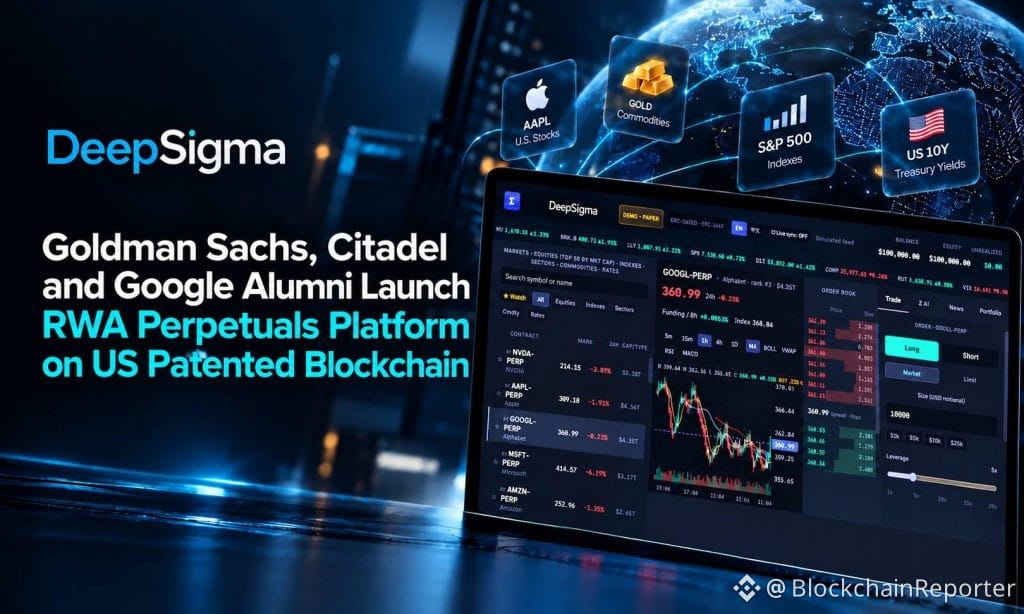
Goldman Sachs, Citadel və Google-un keçmiş əməkdaşları patentləşdirilmiş blokçeyn üzərində RWA müddətsiz müqavilələr platformasını işə salırNyu-York, NY, 13 oktyabr 2026-cı il, Chainwire
Real dünya aktivləri (RWA) üçün yeni mərkəzləşdirilməmiş müddətsiz fyuçers birjası olan DeepSigma bu gün platformasını təqdim etdi. Canlı simulyasiya ticarəti demosu ABŞ səhmləri, indeksləri, əmtəələri, sektor ETF-ləri və Xəzinədarlıq istiqrazlarının gəlirliliyi üzrə 77 bazarı əhatə edir.
Cypherium blokçeyninin dəstəyi ilə DeepSigma kriptovalyuta bazarında sürətlə yayılmış müddətsiz fyuçers modelini ənənəvi maliyyə bazarlarına gətirmək üçün qurulur. Əsas aktivləri tokenləşdirmək və ya onların saxlanmasını öz üzərinə götürmək əvəzinə, DeepSigma-nın müddətsiz müqavilələri xarici qiymət məlumatları vasitəsilə müvafiq real dünya bazarlarını izləyir. Beləliklə, treyderlər əsas aktivə sahib olmadan və ya onu təhvil almadan uzun və ya qısa mövqe tuta bilirlər.
Goldman Sachs, Citadel və Google-un keçmiş əməkdaşları patentləşdirilmiş blokçeyn üzərində RWA müddətsiz müqavilələr platformasını işə salır
Nyu-York, NY, 13 oktyabr 2026-cı il, Chainwire
Real dünya aktivləri (RWA) üçün yeni mərkəzləşdirilməmiş müddətsiz fyuçers birjası olan DeepSigma bu gün platformasını təqdim etdi. Canlı simulyasiya ticarəti demosu ABŞ səhmləri, indeksləri, əmtəələri, sektor ETF-ləri və Xəzinədarlıq istiqrazlarının gəlirliliyi üzrə 77 bazarı əhatə edir.
Cypherium blokçeyninin dəstəyi ilə DeepSigma kriptovalyuta bazarında sürətlə yayılmış müddətsiz fyuçers modelini ənənəvi maliyyə bazarlarına gətirmək üçün qurulur. Əsas aktivləri tokenləşdirmək və ya onların saxlanmasını öz üzərinə götürmək əvəzinə, DeepSigma-nın müddətsiz müqavilələri xarici qiymət məlumatları vasitəsilə müvafiq real dünya bazarlarını izləyir. Beləliklə, treyderlər əsas aktivə sahib olmadan və ya onu təhvil almadan uzun və ya qısa mövqe tuta bilirlər.
Real dünya aktivləri (RWA) üçün yeni mərkəzləşdirilməmiş müddətsiz fyuçers birjası olan DeepSigma bu gün platformasını təqdim etdi. Canlı simulyasiya ticarəti demosu ABŞ səhmləri, indeksləri, əmtəələri, sektor ETF-ləri və Xəzinədarlıq istiqrazlarının gəlirliliyi üzrə 77 bazarı əhatə edir.
Cypherium blokçeyninin dəstəyi ilə DeepSigma kriptovalyuta bazarında sürətlə yayılmış müddətsiz fyuçers modelini ənənəvi maliyyə bazarlarına gətirmək üçün qurulur. Əsas aktivləri tokenləşdirmək və ya onların saxlanmasını öz üzərinə götürmək əvəzinə, DeepSigma-nın müddətsiz müqavilələri xarici qiymət məlumatları vasitəsilə müvafiq real dünya bazarlarını izləyir. Beləliklə, treyderlər əsas aktivə sahib olmadan və ya onu təhvil almadan uzun və ya qısa mövqe tuta bilirlər.
774

Məqalə
A7 beynəlxalq ödənişlər bazarını yenidən formalaşdıracaq xidməti təqdim edəcəkMoskva, Rusiya, 12 oktyabr 2026-cı il, Chainwire
Oktyabrın 13-də PSB Bank tərəfindən yaradılmış Rusiyanın beynəlxalq hesablaşma sistemi A7 xarici kontragentin hesab-fakturası üzrə USDT ilə ödəniş etməyə imkan verən A7 International xidmətini təqdim etməyə hazırlaşır. Vəsaitlər tələb olunan valyutada standart SWIFT bank köçürməsi vasitəsilə daxil olacaq.
Xidmət ilk növbədə xarici ticarətlə məşğul olanlara yönəlib, lakin fiziki şəxslər də ondan yararlana bilərlər. Komissiya sabit olaraq 0,3 faiz təşkil edir.
PSB Bank PJSC-nin İdarə Heyətinin sədri Pyotr Fradkov və A7-nin baş direktoru İlən Şor oktyabrın 13-də saat 13:13-də yeni xidmət barədə ilkin məlumat verəcəklər.
A7 beynəlxalq ödənişlər bazarını yenidən formalaşdıracaq xidməti təqdim edəcək
Moskva, Rusiya, 12 oktyabr 2026-cı il, Chainwire
Oktyabrın 13-də PSB Bank tərəfindən yaradılmış Rusiyanın beynəlxalq hesablaşma sistemi A7 xarici kontragentin hesab-fakturası üzrə USDT ilə ödəniş etməyə imkan verən A7 International xidmətini təqdim etməyə hazırlaşır. Vəsaitlər tələb olunan valyutada standart SWIFT bank köçürməsi vasitəsilə daxil olacaq.
Xidmət ilk növbədə xarici ticarətlə məşğul olanlara yönəlib, lakin fiziki şəxslər də ondan yararlana bilərlər. Komissiya sabit olaraq 0,3 faiz təşkil edir.
PSB Bank PJSC-nin İdarə Heyətinin sədri Pyotr Fradkov və A7-nin baş direktoru İlən Şor oktyabrın 13-də saat 13:13-də yeni xidmət barədə ilkin məlumat verəcəklər.
Oktyabrın 13-də PSB Bank tərəfindən yaradılmış Rusiyanın beynəlxalq hesablaşma sistemi A7 xarici kontragentin hesab-fakturası üzrə USDT ilə ödəniş etməyə imkan verən A7 International xidmətini təqdim etməyə hazırlaşır. Vəsaitlər tələb olunan valyutada standart SWIFT bank köçürməsi vasitəsilə daxil olacaq.
Xidmət ilk növbədə xarici ticarətlə məşğul olanlara yönəlib, lakin fiziki şəxslər də ondan yararlana bilərlər. Komissiya sabit olaraq 0,3 faiz təşkil edir.
PSB Bank PJSC-nin İdarə Heyətinin sədri Pyotr Fradkov və A7-nin baş direktoru İlən Şor oktyabrın 13-də saat 13:13-də yeni xidmət barədə ilkin məlumat verəcəklər.
1
170
Doğrulanıb
Məqalə
DATA Şəbəkəsi AI təlim məlumatlarının təchizat zəncirini genişləndirmək üçün Sui və Walrus-a qoşulurPalo-Alto, ABŞ, 12 oktyabr 2026, Chainwire
Trace — hüquqları rəsmiləşdirilmiş AI təlim məlumatları üçün 250 milyondan çox yoxlanıla bilən qəbzi olan zəncirüstü reyestr — AI modellərinin növbəti nəslini gücləndirmək üçün təlim məlumatlarını Sui və Walrus-a gətirir.
Sui Fondu və DATA Fondu bu gün DATA Şəbəkəsinin və onun Trace reyestrinin Sui ekosisteminə qoşulduğunu elan etdilər. Bununla hüquqları rəsmiləşdirilmiş AI təlim məlumatlarının mövcud təchizatı Sui-nin AI iş yükləri üçün qurduğu infrastruktura gətirilir. Sui üzərində bütövlük sübutları ilə təmin edilən məlumat platforması Walrus, DATA Fondu tərəfindən idarə olunan tətbiqlər üçün standart saxlama qatına çevrilir. Bundan əlavə, DATA Şəbəkəsi Sui üzərində yerli protokol kimi işləmək üçün təkmilləşdiriləcək.
DATA Şəbəkəsi AI təlim məlumatlarının təchizat zəncirini genişləndirmək üçün Sui və Walrus-a qoşulur
Palo-Alto, ABŞ, 12 oktyabr 2026, Chainwire
Trace — hüquqları rəsmiləşdirilmiş AI təlim məlumatları üçün 250 milyondan çox yoxlanıla bilən qəbzi olan zəncirüstü reyestr — AI modellərinin növbəti nəslini gücləndirmək üçün təlim məlumatlarını Sui və Walrus-a gətirir.
Sui Fondu və DATA Fondu bu gün DATA Şəbəkəsinin və onun Trace reyestrinin Sui ekosisteminə qoşulduğunu elan etdilər. Bununla hüquqları rəsmiləşdirilmiş AI təlim məlumatlarının mövcud təchizatı Sui-nin AI iş yükləri üçün qurduğu infrastruktura gətirilir. Sui üzərində bütövlük sübutları ilə təmin edilən məlumat platforması Walrus, DATA Fondu tərəfindən idarə olunan tətbiqlər üçün standart saxlama qatına çevrilir. Bundan əlavə, DATA Şəbəkəsi Sui üzərində yerli protokol kimi işləmək üçün təkmilləşdiriləcək.
Trace — hüquqları rəsmiləşdirilmiş AI təlim məlumatları üçün 250 milyondan çox yoxlanıla bilən qəbzi olan zəncirüstü reyestr — AI modellərinin növbəti nəslini gücləndirmək üçün təlim məlumatlarını Sui və Walrus-a gətirir.
Sui Fondu və DATA Fondu bu gün DATA Şəbəkəsinin və onun Trace reyestrinin Sui ekosisteminə qoşulduğunu elan etdilər. Bununla hüquqları rəsmiləşdirilmiş AI təlim məlumatlarının mövcud təchizatı Sui-nin AI iş yükləri üçün qurduğu infrastruktura gətirilir. Sui üzərində bütövlük sübutları ilə təmin edilən məlumat platforması Walrus, DATA Fondu tərəfindən idarə olunan tətbiqlər üçün standart saxlama qatına çevrilir. Bundan əlavə, DATA Şəbəkəsi Sui üzərində yerli protokol kimi işləmək üçün təkmilləşdiriləcək.
1
208
Məqalə
Blokçeyn təhlükəsizliyi: Blokçeynlər məlumatları necə qoruyur və hansı hallarda hələ də uğursuz olurBlokçeynlər indiyədək yaradılmış dəyişdirilməsi ən çətin verilənlər bazalarından biridir, lakin Chainalysis-in məlumatına görə, hücumçular 2025-ci ildə kriptovalyutalarda təxminən 3,4 milyard dollar oğurlayıblar. Hər iki fakt doğrudur, çünki blokçeyn təhlükəsizliyi iki ayrı səviyyədə işləyir. Kriptoqrafiya, konsensus qaydaları və minlərlə müstəqil qovşaq tərəfindən qorunan reyestrin özü ən böyük şəbəkələrdə etibarlılığını qoruyub. Pullar isə kənar nöqtələrdə itirilir: oğurlanmış məxfi açarlar, ələ keçirilmiş imzalayıcılar, xətalı ağıllı müqavilələr və blokçeynlərarası körpülər. Hər böyük insidentdə hansı səviyyənin sıradan çıxdığını bilmək real riski qiymətləndirməyin ən sürətli yoludur. Buna görə bu bələdçidə blokçeyn təhlükəsizliyinin necə işlədiyi, hansı hücumların həqiqətən uğur qazandığı və istifadəçilərin bunlara qarşı nə edə biləcəyi izah olunur.
Blokçeyn təhlükəsizliyi: Blokçeynlər məlumatları necə qoruyur və hansı hallarda hələ də uğursuz olur
Blokçeynlər indiyədək yaradılmış dəyişdirilməsi ən çətin verilənlər bazalarından biridir, lakin Chainalysis-in məlumatına görə, hücumçular 2025-ci ildə kriptovalyutalarda təxminən 3,4 milyard dollar oğurlayıblar. Hər iki fakt doğrudur, çünki blokçeyn təhlükəsizliyi iki ayrı səviyyədə işləyir. Kriptoqrafiya, konsensus qaydaları və minlərlə müstəqil qovşaq tərəfindən qorunan reyestrin özü ən böyük şəbəkələrdə etibarlılığını qoruyub. Pullar isə kənar nöqtələrdə itirilir: oğurlanmış məxfi açarlar, ələ keçirilmiş imzalayıcılar, xətalı ağıllı müqavilələr və blokçeynlərarası körpülər. Hər böyük insidentdə hansı səviyyənin sıradan çıxdığını bilmək real riski qiymətləndirməyin ən sürətli yoludur. Buna görə bu bələdçidə blokçeyn təhlükəsizliyinin necə işlədiyi, hansı hücumların həqiqətən uğur qazandığı və istifadəçilərin bunlara qarşı nə edə biləcəyi izah olunur.
1
2
2.3k
Məqalə
Birləşmiş Krallıq Rusiyaya qarşı sanksiyalardan yayınmaya görə Cryptomus, Heleket və TokenSpot kriptovalyuta birjalarına sanksiyalar tətbiq edibBirləşmiş Krallıq oktyabrın 8-də Rusiyanın Qərb sanksiyalarından yayınmaq üçün istifadə etdiyi maliyyə kanallarını hədəf alan 38 qurumlu sanksiya paketi çərçivəsində üç kriptovalyuta birjasına və iki ödəniş platformasına sanksiyalar tətbiq edib. Böyük Britaniyanın Xarici İşlər, Birlik və İnkişaf Ofisinin (FCDO) bildirdiyinə görə, platformaların Moskvaya sanksiyalardan yayınmaqda kömək etdiyindən şübhələnilir. Həmçinin, Böyük Britaniyanın sanksiyalarla bağlı açıqlamasına əsasən, onlardan ikisi Kremlə bağlı A7 şəbəkəsi üçün əməliyyatlar həyata keçirib.
Kriptovalyuta sahəsinə aid sanksiyalar Kanadada qeydiyyatdan keçmiş Xeltox Enterprises Ltd şirkətinə məxsus Cryptomus və Heleket-i, Qırğızıstanda qeydiyyatdan keçmiş TokenSpot birjasını, eləcə də Tsunami Payments və Processing KG ödəniş platformalarını əhatə edir. Qurumlardan üçü Qırğızıstanda qeydiyyatdan keçib. FCDO, həmçinin bir nəfərə — Processing KG-nin direktoru Ulan Bukabayevə — sanksiyalar tətbiq edib.
Birləşmiş Krallıq Rusiyaya qarşı sanksiyalardan yayınmaya görə Cryptomus, Heleket və TokenSpot kriptovalyuta birjalarına sanksiyalar tətbiq edib
Birləşmiş Krallıq oktyabrın 8-də Rusiyanın Qərb sanksiyalarından yayınmaq üçün istifadə etdiyi maliyyə kanallarını hədəf alan 38 qurumlu sanksiya paketi çərçivəsində üç kriptovalyuta birjasına və iki ödəniş platformasına sanksiyalar tətbiq edib. Böyük Britaniyanın Xarici İşlər, Birlik və İnkişaf Ofisinin (FCDO) bildirdiyinə görə, platformaların Moskvaya sanksiyalardan yayınmaqda kömək etdiyindən şübhələnilir. Həmçinin, Böyük Britaniyanın sanksiyalarla bağlı açıqlamasına əsasən, onlardan ikisi Kremlə bağlı A7 şəbəkəsi üçün əməliyyatlar həyata keçirib.
Kriptovalyuta sahəsinə aid sanksiyalar Kanadada qeydiyyatdan keçmiş Xeltox Enterprises Ltd şirkətinə məxsus Cryptomus və Heleket-i, Qırğızıstanda qeydiyyatdan keçmiş TokenSpot birjasını, eləcə də Tsunami Payments və Processing KG ödəniş platformalarını əhatə edir. Qurumlardan üçü Qırğızıstanda qeydiyyatdan keçib. FCDO, həmçinin bir nəfərə — Processing KG-nin direktoru Ulan Bukabayevə — sanksiyalar tətbiq edib.
Kriptovalyuta sahəsinə aid sanksiyalar Kanadada qeydiyyatdan keçmiş Xeltox Enterprises Ltd şirkətinə məxsus Cryptomus və Heleket-i, Qırğızıstanda qeydiyyatdan keçmiş TokenSpot birjasını, eləcə də Tsunami Payments və Processing KG ödəniş platformalarını əhatə edir. Qurumlardan üçü Qırğızıstanda qeydiyyatdan keçib. FCDO, həmçinin bir nəfərə — Processing KG-nin direktoru Ulan Bukabayevə — sanksiyalar tətbiq edib.
1
299
Məqalə
NOWPayments məlumatları göstərir ki, stabilkoinlər səssizcə biznes infrastrukturuna çevrilirTallin, Estoniya, 8 oktyabr 2026-cı il, Chainwire
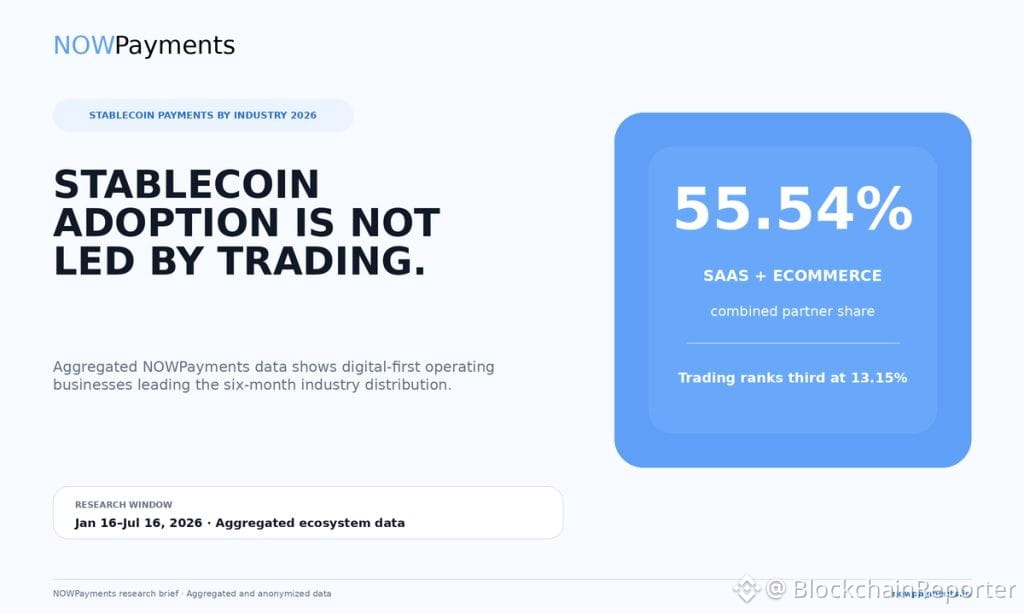
SaaS və eCommerce-in ümumi payı 48.26%-dən 55.54%-ə yüksəlib, Trading-in payı isə 14.07%-dən 13.15%-ə düşüb.
Bizneslər stabilkoin infrastrukturunu yanlış problemi həll etmək üçün qura bilərlər.
Səhv yanaşma stabilkoinləri, ilk növbədə, koin və şəbəkə seçimi kimi qəbul etməkdir. Rəqəmsal biznes üçün onlar hesablaşma, ödənişin tamamlanması, hesablaşmaların aparılması, köçürmələr və üzləşdirmə daxil olmaqla daha geniş əməliyyat iş axınlarını dəstəkləməli ola bilər.
Bu iş axınlarından hansının daha vacib olması biznes modelindən asılıdır.
NOWPayments məlumatları göstərir ki, stabilkoinlər səssizcə biznes infrastrukturuna çevrilir
Tallin, Estoniya, 8 oktyabr 2026-cı il, Chainwire
SaaS və eCommerce-in ümumi payı 48.26%-dən 55.54%-ə yüksəlib, Trading-in payı isə 14.07%-dən 13.15%-ə düşüb.
Bizneslər stabilkoin infrastrukturunu yanlış problemi həll etmək üçün qura bilərlər.
Səhv yanaşma stabilkoinləri, ilk növbədə, koin və şəbəkə seçimi kimi qəbul etməkdir. Rəqəmsal biznes üçün onlar hesablaşma, ödənişin tamamlanması, hesablaşmaların aparılması, köçürmələr və üzləşdirmə daxil olmaqla daha geniş əməliyyat iş axınlarını dəstəkləməli ola bilər.
Bu iş axınlarından hansının daha vacib olması biznes modelindən asılıdır.
SaaS və eCommerce-in ümumi payı 48.26%-dən 55.54%-ə yüksəlib, Trading-in payı isə 14.07%-dən 13.15%-ə düşüb.
Bizneslər stabilkoin infrastrukturunu yanlış problemi həll etmək üçün qura bilərlər.
Səhv yanaşma stabilkoinləri, ilk növbədə, koin və şəbəkə seçimi kimi qəbul etməkdir. Rəqəmsal biznes üçün onlar hesablaşma, ödənişin tamamlanması, hesablaşmaların aparılması, köçürmələr və üzləşdirmə daxil olmaqla daha geniş əməliyyat iş axınlarını dəstəkləməli ola bilər.
Bu iş axınlarından hansının daha vacib olması biznes modelindən asılıdır.
79
Məqalə
Travala BNB Chain və Binance Pay ilə yerli süni intellekt əsaslı səyahət agentini istifadəyə verirSinqapur, Sinqapur, 6 oktyabr 2026, Chainwire
Travala, səyahətçilərə heç bir quraşdırma tələb olunmadan yalnız BNB Smart Chain (BSC) cüzdanından istifadə edərək otelləri axtarmağa və bron etməyə imkan verən, birbaşa Travala platformasında işləyən yerli süni intellekt əsaslı səyahət bronlaşdırma agentini istifadəyə vermək üçün BNB Chain və Binance Pay ilə əməkdaşlıq edib.
Agentdən istifadə etmək üçün səyahətçilər sadəcə Travala platformasındakı süni intellekt əsaslı səyahət agenti vidcetini açır, istənilən BSC cüzdan ünvanına USDT köçürür (beləliklə, cüzdan universal API açarına çevrilir) və agentin təqdim etdiyi seçimlər arasından istədikləri oteli bron edirlər.
Travala BNB Chain və Binance Pay ilə yerli süni intellekt əsaslı səyahət agentini istifadəyə verir
Sinqapur, Sinqapur, 6 oktyabr 2026, Chainwire
Travala, səyahətçilərə heç bir quraşdırma tələb olunmadan yalnız BNB Smart Chain (BSC) cüzdanından istifadə edərək otelləri axtarmağa və bron etməyə imkan verən, birbaşa Travala platformasında işləyən yerli süni intellekt əsaslı səyahət bronlaşdırma agentini istifadəyə vermək üçün BNB Chain və Binance Pay ilə əməkdaşlıq edib.
Agentdən istifadə etmək üçün səyahətçilər sadəcə Travala platformasındakı süni intellekt əsaslı səyahət agenti vidcetini açır, istənilən BSC cüzdan ünvanına USDT köçürür (beləliklə, cüzdan universal API açarına çevrilir) və agentin təqdim etdiyi seçimlər arasından istədikləri oteli bron edirlər.
Travala, səyahətçilərə heç bir quraşdırma tələb olunmadan yalnız BNB Smart Chain (BSC) cüzdanından istifadə edərək otelləri axtarmağa və bron etməyə imkan verən, birbaşa Travala platformasında işləyən yerli süni intellekt əsaslı səyahət bronlaşdırma agentini istifadəyə vermək üçün BNB Chain və Binance Pay ilə əməkdaşlıq edib.
Agentdən istifadə etmək üçün səyahətçilər sadəcə Travala platformasındakı süni intellekt əsaslı səyahət agenti vidcetini açır, istənilən BSC cüzdan ünvanına USDT köçürür (beləliklə, cüzdan universal API açarına çevrilir) və agentin təqdim etdiyi seçimlər arasından istədikləri oteli bron edirlər.
1
1.1k

Məqalə
2,8 milyon mikro tapşırıq və say artır: NGRND Gold Protocol Web3-də iştirakı necə yenidən müəyyənləşdirirHazırda Web3-də ən çox müzakirə olunan mövzulardan biri passiv spekulyasiyadan fəal iştirakçılığa keçiddir. Bununla belə, bütün bu müzakirələrə baxmayaraq, yalnız az sayda platforma bunun geniş miqyasda işləyə biləcəyini sübut edir. nGRND Gold Protocol ilə tanış olun: gündəlik iştirakı iqtisadiyyatının tam mərkəzinə yerləşdirməklə ənənəvi token sahibi modelini kökündən dəyişən innovativ ekosistem.
Təsisçi David Lucatch də daxil olmaqla, innovasiya, onlayn xidmətlər, oyun və resurslar sahəsində zəngin təcrübəyə malik komandanın rəhbərlik etdiyi platformanın unikal çərçivəsi idman proqnozlarından tutmuş süni intellektlə idarə olunan oyunlara qədər platformadakı fəaliyyətləri vahid, real dünya mükafatlandırma sisteminə çevirmək üçün xüsusi brendlə yaradılmış Dynamic Soulbound Token-lərdən (DSBT) istifadə edir.
2,8 milyon mikro tapşırıq və say artır: NGRND Gold Protocol Web3-də iştirakı necə yenidən müəyyənləşdirir
Hazırda Web3-də ən çox müzakirə olunan mövzulardan biri passiv spekulyasiyadan fəal iştirakçılığa keçiddir. Bununla belə, bütün bu müzakirələrə baxmayaraq, yalnız az sayda platforma bunun geniş miqyasda işləyə biləcəyini sübut edir. nGRND Gold Protocol ilə tanış olun: gündəlik iştirakı iqtisadiyyatının tam mərkəzinə yerləşdirməklə ənənəvi token sahibi modelini kökündən dəyişən innovativ ekosistem.
Təsisçi David Lucatch də daxil olmaqla, innovasiya, onlayn xidmətlər, oyun və resurslar sahəsində zəngin təcrübəyə malik komandanın rəhbərlik etdiyi platformanın unikal çərçivəsi idman proqnozlarından tutmuş süni intellektlə idarə olunan oyunlara qədər platformadakı fəaliyyətləri vahid, real dünya mükafatlandırma sisteminə çevirmək üçün xüsusi brendlə yaradılmış Dynamic Soulbound Token-lərdən (DSBT) istifadə edir.
Təsisçi David Lucatch də daxil olmaqla, innovasiya, onlayn xidmətlər, oyun və resurslar sahəsində zəngin təcrübəyə malik komandanın rəhbərlik etdiyi platformanın unikal çərçivəsi idman proqnozlarından tutmuş süni intellektlə idarə olunan oyunlara qədər platformadakı fəaliyyətləri vahid, real dünya mükafatlandırma sisteminə çevirmək üçün xüsusi brendlə yaradılmış Dynamic Soulbound Token-lərdən (DSBT) istifadə edir.
212
Məqalə
Yapı Kredi Kripto Türkiyədə rəqəmsal aktivlərlə ticarət xidmətlərini təmin etmək üçün Integralı seçdiPalo Alto, Kaliforniya, 7 oktyabr 2026, Chainwire
Integralın institusional səviyyəli rəqəmsal aktivlərlə ticarət texnologiyası Türkiyədə yeni rəqəmsal aktivlər çərçivəsi qüvvəyə minərkən Yapı Kredi Kriptonun tənzimlənən kriptovalyuta xidmətlərini dəstəkləyəcək.
Valyuta texnologiyaları sahəsində aparıcı təchizatçı olan Integral bu gün elan edib ki, Yapı Kredi Kripto Integralın rəqəmsal aktivlərlə ticarət texnologiyasını seçib. Bu texnologiya qrupa tezliklə fəaliyyətə başlayacaq tənzimlənən rəqəmsal aktivlər biznesi vasitəsilə kriptovalyuta xidmətləri göstərməyə imkan verəcək.
Yapı Kredi Kripto Türkiyədə rəqəmsal aktivlərlə ticarət xidmətlərini təmin etmək üçün Integralı seçdi
Palo Alto, Kaliforniya, 7 oktyabr 2026, Chainwire
Integralın institusional səviyyəli rəqəmsal aktivlərlə ticarət texnologiyası Türkiyədə yeni rəqəmsal aktivlər çərçivəsi qüvvəyə minərkən Yapı Kredi Kriptonun tənzimlənən kriptovalyuta xidmətlərini dəstəkləyəcək.
Valyuta texnologiyaları sahəsində aparıcı təchizatçı olan Integral bu gün elan edib ki, Yapı Kredi Kripto Integralın rəqəmsal aktivlərlə ticarət texnologiyasını seçib. Bu texnologiya qrupa tezliklə fəaliyyətə başlayacaq tənzimlənən rəqəmsal aktivlər biznesi vasitəsilə kriptovalyuta xidmətləri göstərməyə imkan verəcək.
Integralın institusional səviyyəli rəqəmsal aktivlərlə ticarət texnologiyası Türkiyədə yeni rəqəmsal aktivlər çərçivəsi qüvvəyə minərkən Yapı Kredi Kriptonun tənzimlənən kriptovalyuta xidmətlərini dəstəkləyəcək.
Valyuta texnologiyaları sahəsində aparıcı təchizatçı olan Integral bu gün elan edib ki, Yapı Kredi Kripto Integralın rəqəmsal aktivlərlə ticarət texnologiyasını seçib. Bu texnologiya qrupa tezliklə fəaliyyətə başlayacaq tənzimlənən rəqəmsal aktivlər biznesi vasitəsilə kriptovalyuta xidmətləri göstərməyə imkan verəcək.
219
Daha çox kontent araşdırmaq üçün daxil olun
Binance Square-də qlobal kriptovalyuta istifadəçilərinə qoşulun
⚡️ Kriptovalyuta haqqında ən son və faydalı məlumatları əldə edin.
💬 Dünyanın ən böyük kriptovalyuta birjası tərəfindən etibar edilir.
👍 Doğrulanmış yaradıcılardan gələn real məlumatları kəşf edin.
E-poçt/Telefon nömrəsi
Trenddə olan mövzular
CanMicrosoftDeliverOnAI
173,111 baxış
Müzakirə edir: 1,377
Maliyyə nəticələri mövsümünün 3-cü sessiyası: Google və Microsoft gözləntiləri üstələyəcəkmi?
Binance Square Official
·93 bəyənmə
·26.2k baxış
CanGoogleDefindItsCore
87,599 baxış
Müzakirə edir: 990
FOMCWatch
9.2M baxış
Müzakirə edir: 28,641