
Asfand_01
58 Paylaşımlar
Asfand_01
Şikayət et
İstifadəçini blokla
130 İzlənilir
4.1K+ İzləyicilər
448 Bəyəndi
Postlar
·
--
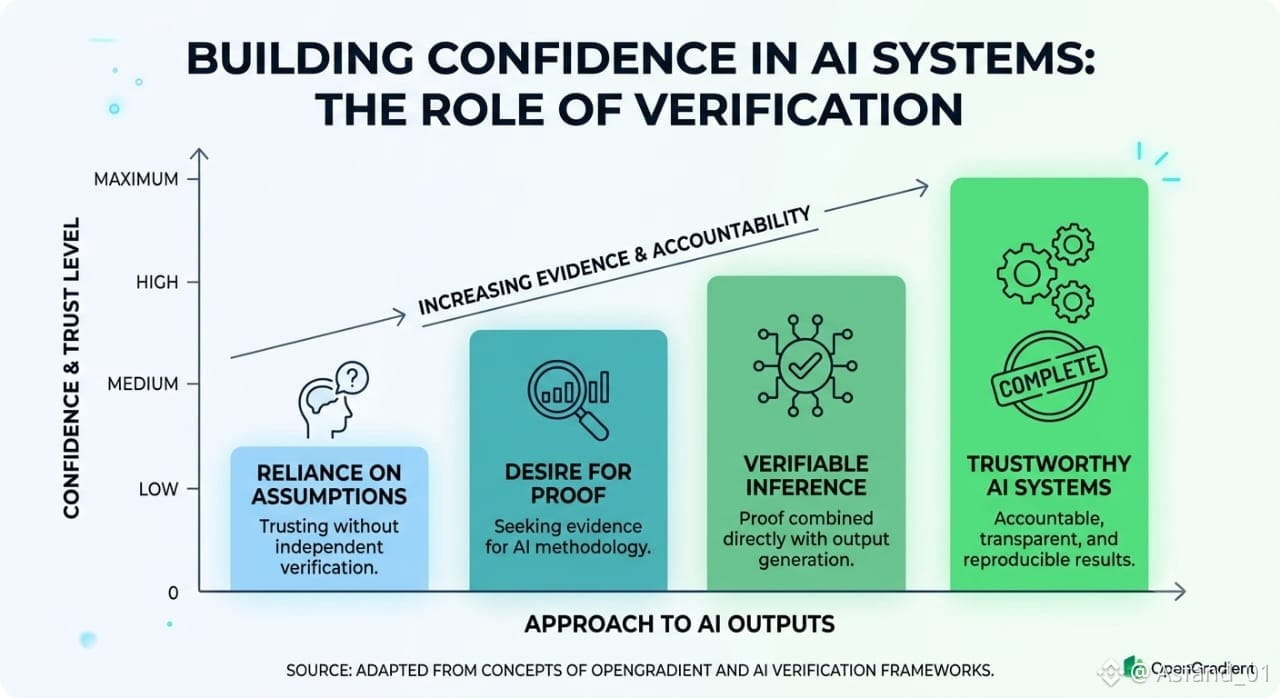
Bir neçə gün əvvəl AI cavabına arxalanmağa çox da vaxt sərf edəcəkdim, sonra özümü tutub düşündüm: "Mən bu cavabın iddia etdiyi kimi necə hazırlandığını həqiqətən necə bilərəm?" Anladım ki, doğruluğunu yoxlamaq üçün heç bir şey olmadığı halda nəticəyə inanmağa hazır idim. Bu kiçik an AI haqqında düşünmə tərzimi tamamilə dəyişdi.
O vaxtdan bəri məni daha çox maraqlandıran şey modelin nə qədər tez cavab verməsi deyil, onun çıxışının müstəqil yoxlamaya tab gətirib-gətirməməsidir. Bu, metodologiyanın nəticə qədər önəmli olduğu bir elmi məqalə oxumağı xatırladır.
Məhz buna görə @OpenGradient diqqətimi çəkdi. Sübutu sadəcə sonradan düşünülən bir şey kimi yox, əksinə yoxlamanı inferensiya (çıxarsama) ilə birləşdirməyin ideyası AI məsuliyyəti, şəffaf hesablama, təkrarolunan nəticələr və etibarlı AI sistemləri istiqamətində mənalı bir addım kimi görünür. Uzunmüddətli perspektivdə inam sübutlardan gəlməlidir, fərziyyələrdən yox.
#opg $OPG
Bir neçə gün əvvəl AI cavabına arxalanmağa çox da vaxt sərf edəcəkdim, sonra özümü tutub düşündüm: "Mən bu cavabın iddia etdiyi kimi necə hazırlandığını həqiqətən necə bilərəm?" Anladım ki, doğruluğunu yoxlamaq üçün heç bir şey olmadığı halda nəticəyə inanmağa hazır idim. Bu kiçik an AI haqqında düşünmə tərzimi tamamilə dəyişdi.
O vaxtdan bəri məni daha çox maraqlandıran şey modelin nə qədər tez cavab verməsi deyil, onun çıxışının müstəqil yoxlamaya tab gətirib-gətirməməsidir. Bu, metodologiyanın nəticə qədər önəmli olduğu bir elmi məqalə oxumağı xatırladır.
Məhz buna görə @OpenGradient diqqətimi çəkdi. Sübutu sadəcə sonradan düşünülən bir şey kimi yox, əksinə yoxlamanı inferensiya (çıxarsama) ilə birləşdirməyin ideyası AI məsuliyyəti, şəffaf hesablama, təkrarolunan nəticələr və etibarlı AI sistemləri istiqamətində mənalı bir addım kimi görünür. Uzunmüddətli perspektivdə inam sübutlardan gəlməlidir, fərziyyələrdən yox.
#opg $OPG
O vaxtdan bəri məni daha çox maraqlandıran şey modelin nə qədər tez cavab verməsi deyil, onun çıxışının müstəqil yoxlamaya tab gətirib-gətirməməsidir. Bu, metodologiyanın nəticə qədər önəmli olduğu bir elmi məqalə oxumağı xatırladır.
Məhz buna görə @OpenGradient diqqətimi çəkdi. Sübutu sadəcə sonradan düşünülən bir şey kimi yox, əksinə yoxlamanı inferensiya (çıxarsama) ilə birləşdirməyin ideyası AI məsuliyyəti, şəffaf hesablama, təkrarolunan nəticələr və etibarlı AI sistemləri istiqamətində mənalı bir addım kimi görünür. Uzunmüddətli perspektivdə inam sübutlardan gəlməlidir, fərziyyələrdən yox.
#opg $OPG
2
7
408
·
--
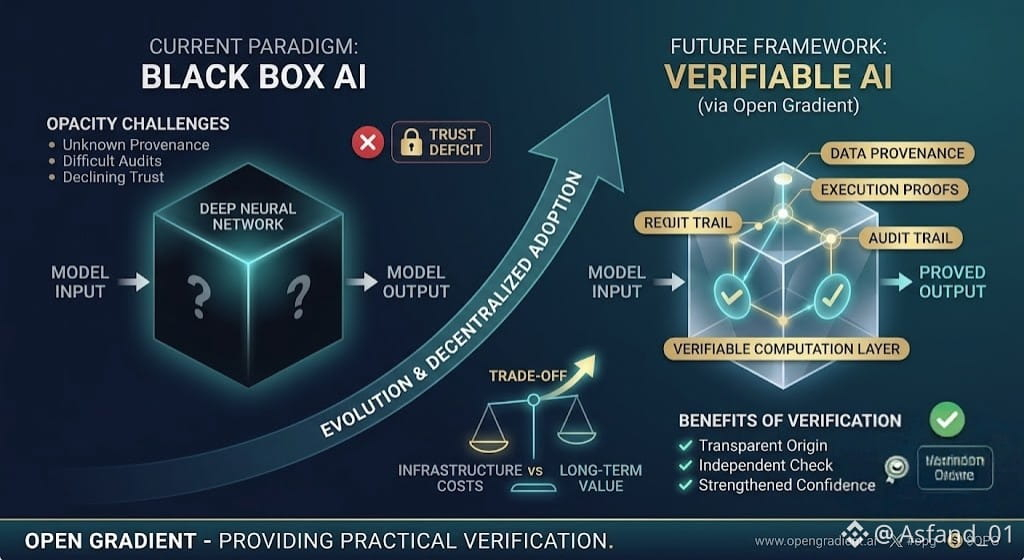
Mən daim düşünürəm: ən böyük süni intellekt problemi artıq zəka deyil, məsuliyyətdir. Modellərə çıxış getdikcə daha asan olur, amma yenə də bir çıxışın kim tərəfindən yaradıldığını, hansı məlumatların ona təsir etdiyini və ya prosesin müstəqil şəkildə yoxlanılıb-yoxlanmadığını anlamaq çətindir. Bu qeyri-müəyyənlik, AI gündəlik qərarlara daxil olduqca daha da önəmli görünür.
Ümumi məsələ odur ki, etibar yalnız nüfuza söykənə bilməz. Qurucular, istifadəçilər və bütöv ekosistemlər yoxlamanı praktik etmək üçün sistemlərə ehtiyac duyur; kor-koranə inama ümid etmək yox. Bu baza olmadıqda, hətta model keyfiyyəti yaxşılaşsa belə, qəbul olunma ləngiyə bilər.
Məni diqqətə çəkən səbəblərdən biri @OpenGradient t-nin yoxlanıla bilən hesablamaya fokusudur. AI-ni qara qutu kimi qəbul etmək əvəzinə, ideya icranın özünü daha şəffaf etməkdir. Əgər bu yanaşma praktik olduğunu sübut etsə, o, mərkəzləşdirilməmiş AI şəbəkələri boyunca inamı gücləndirə bilər.
Bununla belə, yoxlamanın əlavə edilməsi də xərclər gətirir. Daha çox infrastruktur, koordinasiya və texniki mürəkkəblik tətbiqi ləngidə bilər; faydalar sürtünmədən (çətinlikdən) açıq şəkildə üstün olmasa.
Məncə, AI-nin uzunmüddətli dəyəri nəticələri yaratmaqdan çox onları sübut etməyə bağlı ola bilər, amma bu balansın necə formalaşacağını bilmək hələ tezdir.
Şəffaf yoxlama AI üçün standart gözlənti ola bilərmi, yoxsa rahatlıq həmişə qalib gələcək?
#opg $OPG
Mən daim düşünürəm: ən böyük süni intellekt problemi artıq zəka deyil, məsuliyyətdir. Modellərə çıxış getdikcə daha asan olur, amma yenə də bir çıxışın kim tərəfindən yaradıldığını, hansı məlumatların ona təsir etdiyini və ya prosesin müstəqil şəkildə yoxlanılıb-yoxlanmadığını anlamaq çətindir. Bu qeyri-müəyyənlik, AI gündəlik qərarlara daxil olduqca daha da önəmli görünür.
Ümumi məsələ odur ki, etibar yalnız nüfuza söykənə bilməz. Qurucular, istifadəçilər və bütöv ekosistemlər yoxlamanı praktik etmək üçün sistemlərə ehtiyac duyur; kor-koranə inama ümid etmək yox. Bu baza olmadıqda, hətta model keyfiyyəti yaxşılaşsa belə, qəbul olunma ləngiyə bilər.
Məni diqqətə çəkən səbəblərdən biri @OpenGradient t-nin yoxlanıla bilən hesablamaya fokusudur. AI-ni qara qutu kimi qəbul etmək əvəzinə, ideya icranın özünü daha şəffaf etməkdir. Əgər bu yanaşma praktik olduğunu sübut etsə, o, mərkəzləşdirilməmiş AI şəbəkələri boyunca inamı gücləndirə bilər.
Bununla belə, yoxlamanın əlavə edilməsi də xərclər gətirir. Daha çox infrastruktur, koordinasiya və texniki mürəkkəblik tətbiqi ləngidə bilər; faydalar sürtünmədən (çətinlikdən) açıq şəkildə üstün olmasa.
Məncə, AI-nin uzunmüddətli dəyəri nəticələri yaratmaqdan çox onları sübut etməyə bağlı ola bilər, amma bu balansın necə formalaşacağını bilmək hələ tezdir.
Şəffaf yoxlama AI üçün standart gözlənti ola bilərmi, yoxsa rahatlıq həmişə qalib gələcək?
#opg $OPG
Ümumi məsələ odur ki, etibar yalnız nüfuza söykənə bilməz. Qurucular, istifadəçilər və bütöv ekosistemlər yoxlamanı praktik etmək üçün sistemlərə ehtiyac duyur; kor-koranə inama ümid etmək yox. Bu baza olmadıqda, hətta model keyfiyyəti yaxşılaşsa belə, qəbul olunma ləngiyə bilər.
Məni diqqətə çəkən səbəblərdən biri @OpenGradient t-nin yoxlanıla bilən hesablamaya fokusudur. AI-ni qara qutu kimi qəbul etmək əvəzinə, ideya icranın özünü daha şəffaf etməkdir. Əgər bu yanaşma praktik olduğunu sübut etsə, o, mərkəzləşdirilməmiş AI şəbəkələri boyunca inamı gücləndirə bilər.
Bununla belə, yoxlamanın əlavə edilməsi də xərclər gətirir. Daha çox infrastruktur, koordinasiya və texniki mürəkkəblik tətbiqi ləngidə bilər; faydalar sürtünmədən (çətinlikdən) açıq şəkildə üstün olmasa.
Məncə, AI-nin uzunmüddətli dəyəri nəticələri yaratmaqdan çox onları sübut etməyə bağlı ola bilər, amma bu balansın necə formalaşacağını bilmək hələ tezdir.
Şəffaf yoxlama AI üçün standart gözlənti ola bilərmi, yoxsa rahatlıq həmişə qalib gələcək?
#opg $OPG
3
5
611
·
--
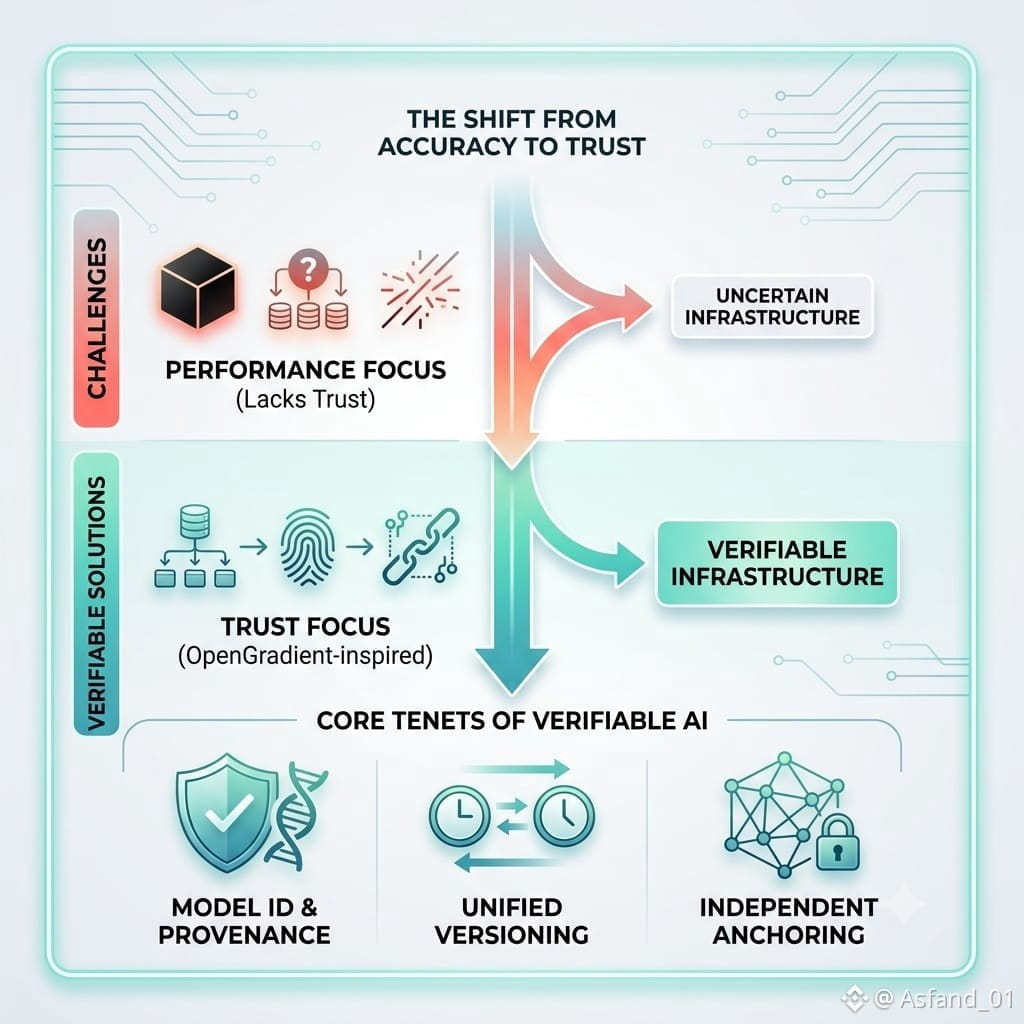
Mən AI modellərinin nə qədər dəqiq olmasına daha az, onların ətrafındakı sistemlərin etibara layiq olub-olmamasına daha çox fikir verirdim. Qabiliyyətli model çox şey deməkdir, amma heç kim onun haradan gəldiyini, kim tərəfindən dəyişdirildiyini və müxtəlif istifadəçilərin həqiqətən də eyni versiya ilə qarşılıqlı əlaqə qurub-qurmadığını yoxlaya bilmirsə, bu az rol oynayır.
Bu, sənaye üçün daha böyük bir çağırış kimi görünür. AI gündəlik iş axınlarının bir hissəsinə çevrildikcə, inam getdikcə xam performansdan yox, şəffaf koordinasiyadan asılı olacaq. Qurucular, istifadəçilər və şəbəkələr eyni təsəvvürlərə uyğunluğun yoxlanılması üçün əlavə sürtünmə yaratmadan yollar tapmalıdır.
Mən @OpenGradient -u izləməyə davam etməyimin bir səbəbi onun yoxlanıla bilən AI infrastrukturuna yönəlmiş olmasıdır. Model identikliyi və mənşəyi (provenance) modelin özündən ayrı şəkildə sabitlənə biləcəyi fikri, paylanmış (distributed) AI-ni sadəcə daha əlçatan etməkdənsə, daha hesabatlı (accountable) etməyə doğru praktiki bir addım kimi görünür.
Əlbəttə, daha güclü yoxlama əlavə xərclər də gətirir. Əlavə koordinasiya, inteqrasiya mürəkkəbliyi və operatorlar üçün təşviqlər qəbulun ləngiməsinə səbəb ola bilər—xüsusən də tərtibatçılar şəffaflığa görə rahatlığı üstün tutsalar.
Mən hələlik mükəmməl bir tarazlığın olduğuna inanmıram, amma bu gün atılan infrastruktur qərarlarının sabah insanların AI sistemlərinə nə qədər güvənəcəyini formalaşdıracağına əminəm.
İstifadəçilər zamanla yoxlanıla bilən AI-ni qiymətləndirəcək və bunun tələb edə biləcəyi əlavə mürəkkəbliyi qəbul edəcəkmi?
#opg $OPG
Mən AI modellərinin nə qədər dəqiq olmasına daha az, onların ətrafındakı sistemlərin etibara layiq olub-olmamasına daha çox fikir verirdim. Qabiliyyətli model çox şey deməkdir, amma heç kim onun haradan gəldiyini, kim tərəfindən dəyişdirildiyini və müxtəlif istifadəçilərin həqiqətən də eyni versiya ilə qarşılıqlı əlaqə qurub-qurmadığını yoxlaya bilmirsə, bu az rol oynayır.
Bu, sənaye üçün daha böyük bir çağırış kimi görünür. AI gündəlik iş axınlarının bir hissəsinə çevrildikcə, inam getdikcə xam performansdan yox, şəffaf koordinasiyadan asılı olacaq. Qurucular, istifadəçilər və şəbəkələr eyni təsəvvürlərə uyğunluğun yoxlanılması üçün əlavə sürtünmə yaratmadan yollar tapmalıdır.
Mən @OpenGradient -u izləməyə davam etməyimin bir səbəbi onun yoxlanıla bilən AI infrastrukturuna yönəlmiş olmasıdır. Model identikliyi və mənşəyi (provenance) modelin özündən ayrı şəkildə sabitlənə biləcəyi fikri, paylanmış (distributed) AI-ni sadəcə daha əlçatan etməkdənsə, daha hesabatlı (accountable) etməyə doğru praktiki bir addım kimi görünür.
Əlbəttə, daha güclü yoxlama əlavə xərclər də gətirir. Əlavə koordinasiya, inteqrasiya mürəkkəbliyi və operatorlar üçün təşviqlər qəbulun ləngiməsinə səbəb ola bilər—xüsusən də tərtibatçılar şəffaflığa görə rahatlığı üstün tutsalar.
Mən hələlik mükəmməl bir tarazlığın olduğuna inanmıram, amma bu gün atılan infrastruktur qərarlarının sabah insanların AI sistemlərinə nə qədər güvənəcəyini formalaşdıracağına əminəm.
İstifadəçilər zamanla yoxlanıla bilən AI-ni qiymətləndirəcək və bunun tələb edə biləcəyi əlavə mürəkkəbliyi qəbul edəcəkmi?
#opg $OPG
Bu, sənaye üçün daha böyük bir çağırış kimi görünür. AI gündəlik iş axınlarının bir hissəsinə çevrildikcə, inam getdikcə xam performansdan yox, şəffaf koordinasiyadan asılı olacaq. Qurucular, istifadəçilər və şəbəkələr eyni təsəvvürlərə uyğunluğun yoxlanılması üçün əlavə sürtünmə yaratmadan yollar tapmalıdır.
Mən @OpenGradient -u izləməyə davam etməyimin bir səbəbi onun yoxlanıla bilən AI infrastrukturuna yönəlmiş olmasıdır. Model identikliyi və mənşəyi (provenance) modelin özündən ayrı şəkildə sabitlənə biləcəyi fikri, paylanmış (distributed) AI-ni sadəcə daha əlçatan etməkdənsə, daha hesabatlı (accountable) etməyə doğru praktiki bir addım kimi görünür.
Əlbəttə, daha güclü yoxlama əlavə xərclər də gətirir. Əlavə koordinasiya, inteqrasiya mürəkkəbliyi və operatorlar üçün təşviqlər qəbulun ləngiməsinə səbəb ola bilər—xüsusən də tərtibatçılar şəffaflığa görə rahatlığı üstün tutsalar.
Mən hələlik mükəmməl bir tarazlığın olduğuna inanmıram, amma bu gün atılan infrastruktur qərarlarının sabah insanların AI sistemlərinə nə qədər güvənəcəyini formalaşdıracağına əminəm.
İstifadəçilər zamanla yoxlanıla bilən AI-ni qiymətləndirəcək və bunun tələb edə biləcəyi əlavə mürəkkəbliyi qəbul edəcəkmi?
#opg $OPG
5
4
216
·
--
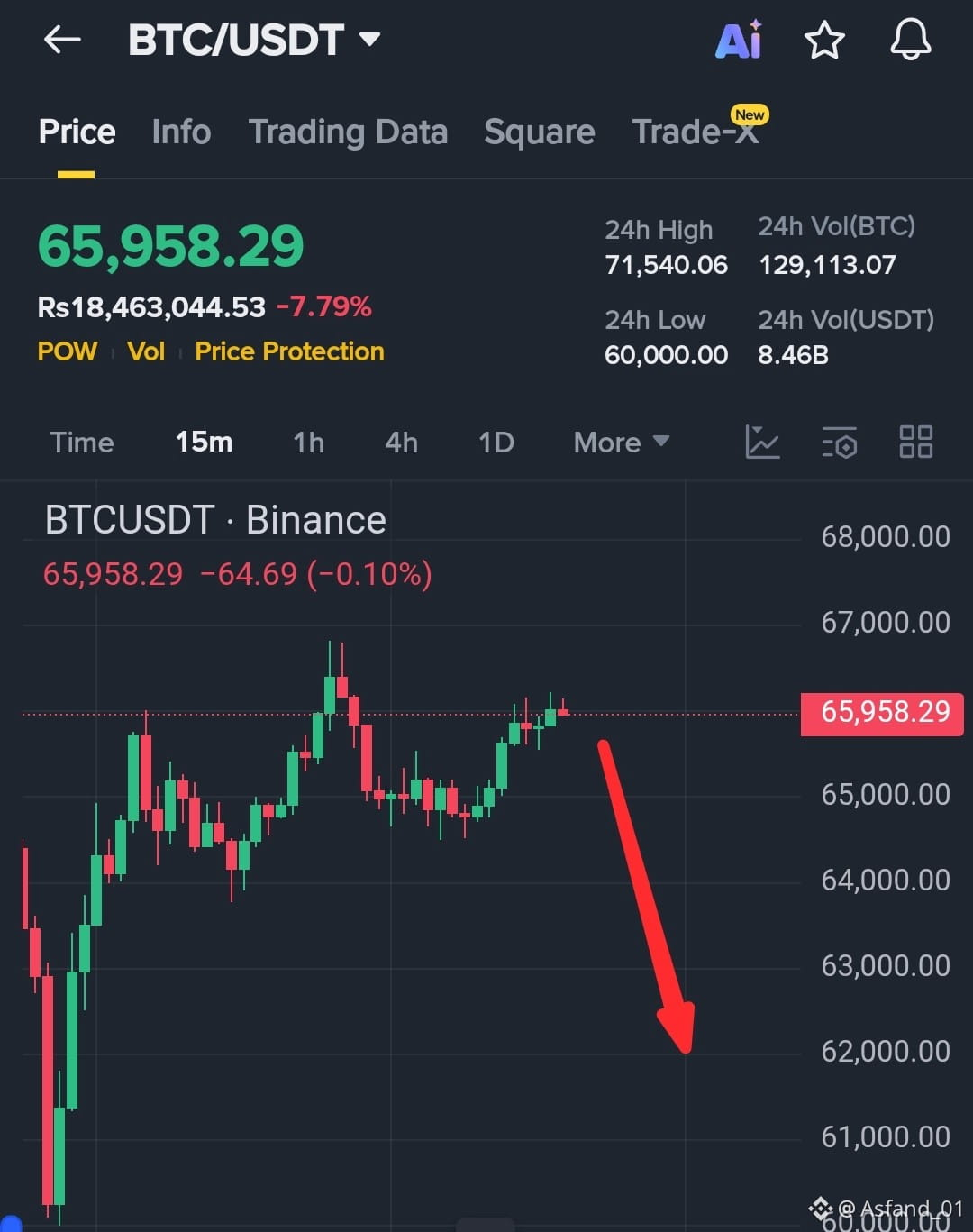
$BTC /USDT – QISA
Zaman aralığı: 15M
Quruluş: Müqavimət rədd edilməsi / mümkün aşağı yüksəklik (lower high) formalaşması
Giriş: 65,800 – 66,100
Mənfəət hədəfi: 64,200
Mənfəət hədəfi 2: 62,200
Zərər dayandırma: 67,000
{future}(BTCUSDT)
$BTC /USDT – QISA
Zaman aralığı: 15M
Quruluş: Müqavimət rədd edilməsi / mümkün aşağı yüksəklik (lower high) formalaşması
Giriş: 65,800 – 66,100
Mənfəət hədəfi: 64,200
Mənfəət hədəfi 2: 62,200
Zərər dayandırma: 67,000
Zaman aralığı: 15M
Quruluş: Müqavimət rədd edilməsi / mümkün aşağı yüksəklik (lower high) formalaşması
Giriş: 65,800 – 66,100
Mənfəət hədəfi: 64,200
Mənfəət hədəfi 2: 62,200
Zərər dayandırma: 67,000
9
70
·
--
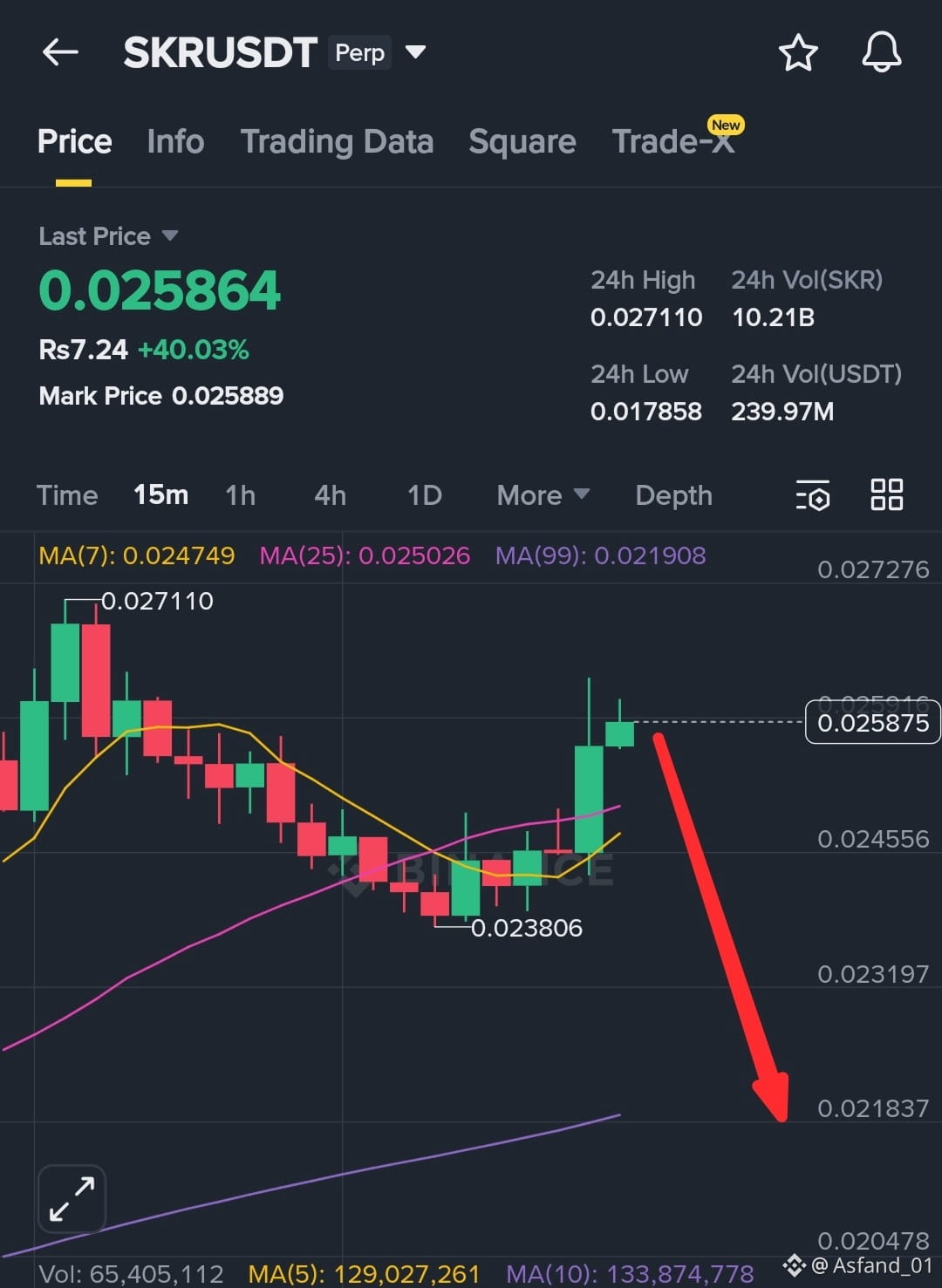
$SKR Qısa (Tək Vəzifə)
Quraşdırma: İki Üst → bearish dönüş təsdiqləndi
Giriş: Bazar qiyməti
Gözlənilən Mənfəət: 0.018169
Zərər Kəsmə: 0.028000
{future}(SKRUSDT)
$SKR Qısa (Tək Vəzifə)
Quraşdırma: İki Üst → bearish dönüş təsdiqləndi
Giriş: Bazar qiyməti
Gözlənilən Mənfəət: 0.018169
Zərər Kəsmə: 0.028000
Quraşdırma: İki Üst → bearish dönüş təsdiqləndi
Giriş: Bazar qiyməti
Gözlənilən Mənfəət: 0.018169
Zərər Kəsmə: 0.028000
11
331
Daha çox kontent araşdırmaq üçün daxil olun
Binance Square-də qlobal kriptovalyuta istifadəçilərinə qoşulun
⚡️ Kriptovalyuta haqqında ən son və faydalı məlumatları əldə edin.
💬 Dünyanın ən böyük kriptovalyuta birjası tərəfindən etibar edilir.
👍 Doğrulanmış yaradıcılardan gələn real məlumatları kəşf edin.
E-poçt/Telefon nömrəsi
Trenddə olan mövzular
AppleDebutsFoldablePhone
31,870 baxış
Müzakirə edir: 684
Apple qatlanan iPhone-u təqdim etdi — bazar da diqqət yetirir. Bu, sadəcə növbəti məhsul dövrü deyil; yeni məhsul kateqoriyasıdır, səhnədə yeni CEO-dur və 1,999 dollarlıq qiymət etiketi $AAPL -ni daha da ultra-premium səviyyəsinə itələyir. Qatlanan cihazlar əsas hekayədir və Apple indi baş manşetdir.
#appledebutsfoldablephone #EUExtendsCentralContactPointToCASPs #US10YTreasuryYieldHitsHighestSinceNov2023 #BrentCrudeTops$100 #USTreasuryToBuyBackUpTo$6BLongDatedDebt
KimHotbae
·2 bəyənmə
·2.8k baxış
TSMCAugustRevenueUp53.3%YoY
3,251 baxış
Müzakirə edir: 153
IranSaysReadyToEscalateWarWithUS
6,525 baxış
Müzakirə edir: 190