𝗪𝗜𝗡𝗸𝗟𝗶𝗻𝗸 𝗕𝗲𝘆𝗼𝗻𝗱 𝗧𝗵𝗲 𝗟𝗲𝗱𝗴𝗲𝗿
Most builders start with what a chain can settle: balances, permissions, state transitions.
That is necessary. It is not enough.
A lending market needs a price that did not start on-chain. A game needs randomness nobody in the room can steer. An automated agreement may need an off-chain condition before it should fire.
So the design question quietly becomes:
What does this contract need to know?
Where does that knowledge come from?
How fresh does it have to be?
What should the app do when the feed is late or odd?
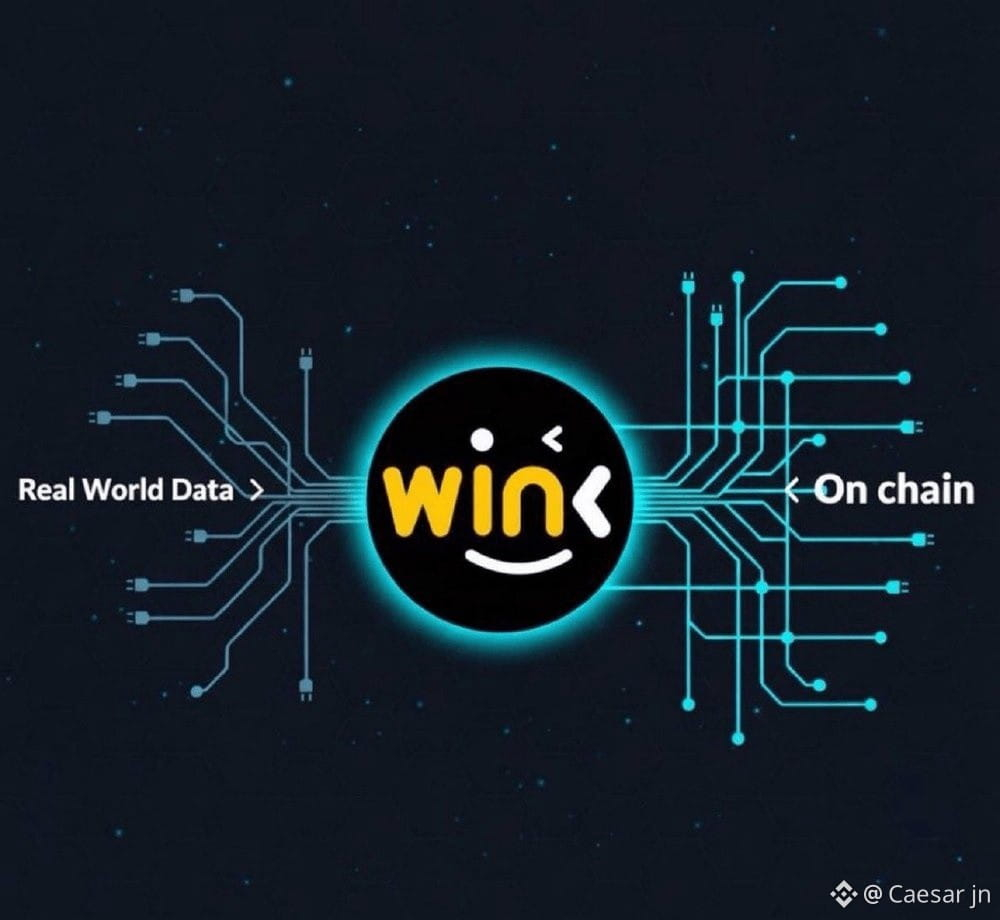
WINkLink sits in that gap on TRON: a path for external information and verifiable randomness to reach applications that cannot invent those inputs from ledger state alone.
The takeaway is practical. As apps get more ambitious, the information boundary matters as much as the execution logic. Builders who plan for both early spend less time rewriting assumptions later.
@WINkLink_Official @Justin Sun孙宇晨
#TRONEcoStar