

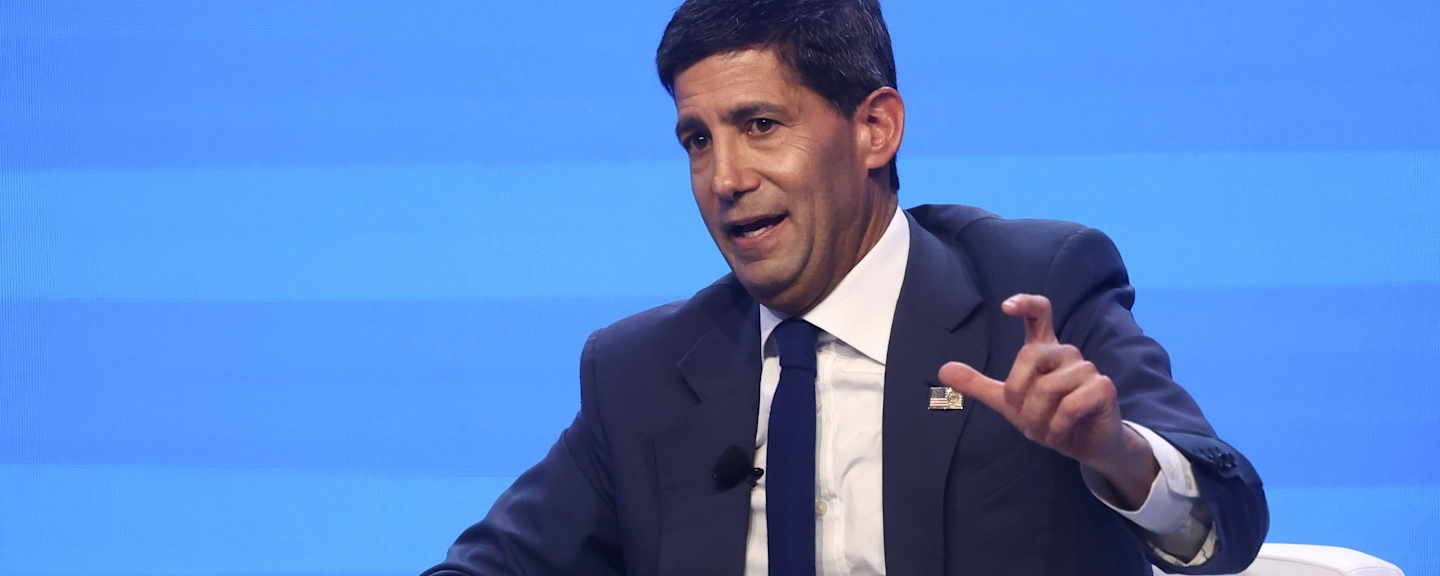

One of the most interesting points from Federal Reserve Chairman Kevin Warsh’s latest remarks is the connection between economic growth, artificial intelligence and inflation.$NVDAB
Speaking at the IMF and World Bank meetings in Bangkok on October 16, Warsh described the global economy as more resilient than he might have expected earlier in the year. He also highlighted the growing influence of AI investment on the US economy. But strong investment and economic activity do not automatically mean that inflation is under control.
The challenge for central banks is that major investments can increase demand for energy, infrastructure, computing capacity and other resources before the productivity benefits fully arrive. If demand grows faster than supply, prices can remain elevated even while the economy appears strong.
That creates a difficult situation for the Federal Reserve. Cutting interest rates too early could risk keeping inflation above target for longer. Keeping rates high, or raising them further, could help contain price pressures but also make borrowing more expensive for households and businesses.
Warsh did not announce a new rate decision during his latest appearance. Instead, he avoided prejudging upcoming meetings and maintained that price stability remains central to the Fed’s responsibility.
For financial markets, this distinction matters. A growing economy can support corporate earnings and investment, but persistent inflation can also delay monetary easing. Investors therefore need to evaluate both sides rather than treating economic growth as automatically bullish.
For crypto traders, the same principle applies. Bitcoin may benefit from improving liquidity and stronger risk appetite, but persistent inflation, rising bond yields or a stronger dollar can create headwinds. AI-related growth alone is not enough to guarantee a sustained crypto rally.
My takeaway is simple: the next phase of the market may depend on whether productivity gains begin easing inflation or whether rising investment costs keep pressure on prices.
The important question is no longer just how quickly AI can grow the economy. It is whether that growth can remain sustainable without forcing monetary policy to stay restrictive.
Can AI-driven productivity help the economy grow while inflation cools, or will higher investment costs keep interest rates elevated for longer?#TrendingTopic #CrossRiverBankAddsRLUSDToCoreBankingPlatform #CrossRiverBankAddsRLUSDToCoreBankingPlatform