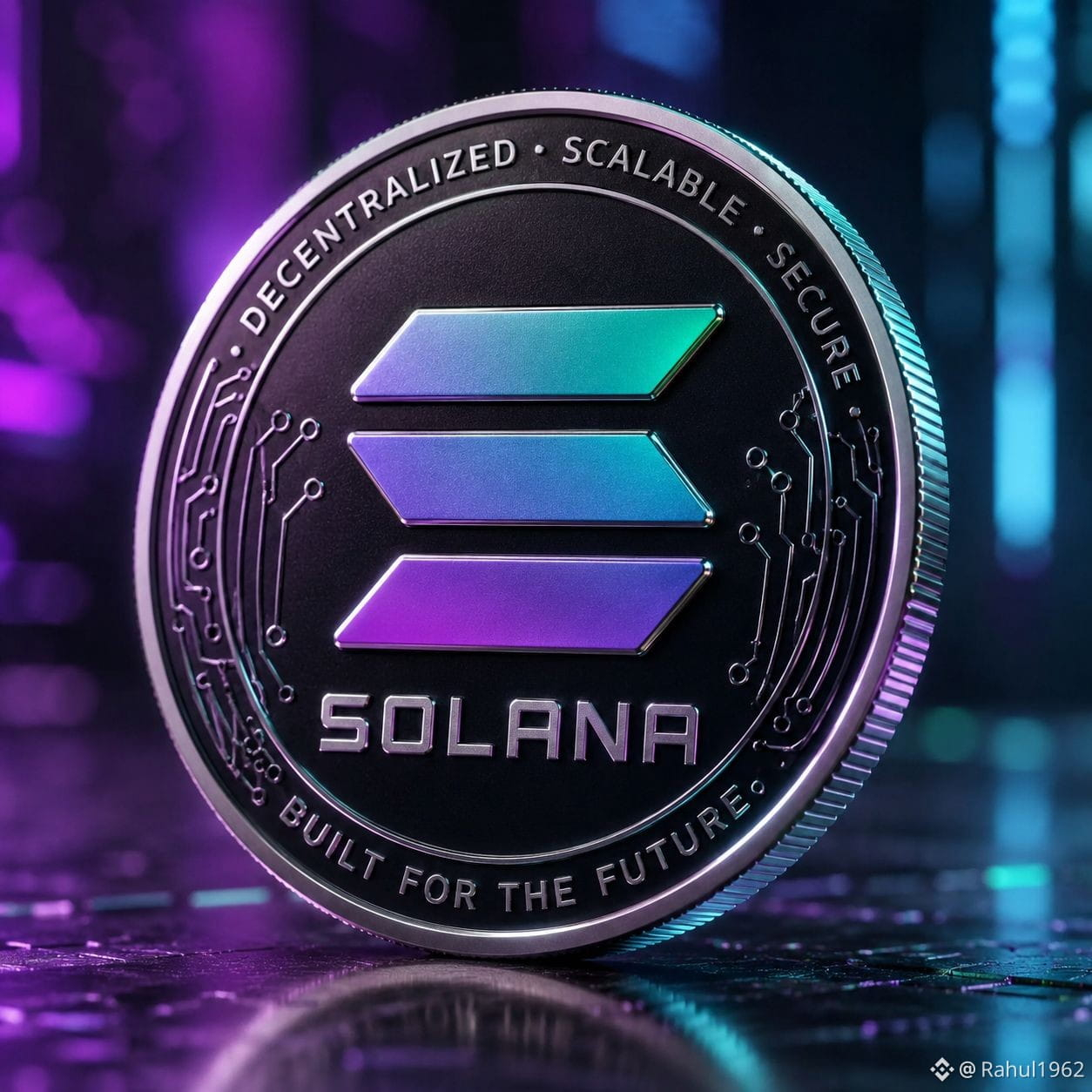
The History of Solana Coin
Solana is a blockchain platform and cryptocurrency that emerged from an idea developed by engineer Anatoly Yakovenko in 2017. His key innovation was Proof of History (PoH), a system designed to help blockchain networks process transactions quickly while maintaining security.
Development continued through 2018 and 2019, with Yakovenko and other engineers building the technology behind Solana. In March 2020, Solana launched its mainnet beta, and its native cryptocurrency, SOL, became the network’s primary token.
Solana gained major attention in 2021 as interest in decentralized finance, NFTs, and blockchain applications exploded. Its reputation for fast transactions and relatively low fees helped it become a major competitor to other smart-contract platforms.
The journey has also included challenges, including periods of heavy network congestion and outages. Despite these setbacks, Solana has continued developing its technology and expanding its ecosystem.
Today, SOL is one of the best-known cryptocurrencies, while the Solana network is used for decentralized applications, digital assets, payments, and other blockchain-based projects. Its history reflects the rapid evolution of the cryptocurrency industry—from a 2017 technical idea to a major blockchain ecosystem.
Solana is a blockchain platform and cryptocurrency that emerged from an idea developed by engineer Anatoly Yakovenko in 2017. His key innovation was Proof of History (PoH), a system designed to help blockchain networks process transactions quickly while maintaining security.
Development continued through 2018 and 2019, with Yakovenko and other engineers building the technology behind Solana. In March 2020, Solana launched its mainnet beta, and its native cryptocurrency, SOL, became the network’s primary token.
Solana gained major attention in 2021 as interest in decentralized finance, NFTs, and blockchain applications exploded. Its reputation for fast transactions and relatively low fees helped it become a major competitor to other smart-contract platforms.
The journey has also included challenges, including periods of heavy network congestion and outages. Despite these setbacks, Solana has continued developing its technology and expanding its ecosystem.
Today, SOL is one of the best-known cryptocurrencies, while the Solana network is used for decentralized applications, digital assets, payments, and other blockchain-based projects. Its history reflects the rapid evolution of the cryptocurrency industry—from a 2017 technical idea to a major blockchain ecosystem.