

This is specifically reflected in the following aspects:
• Fluctuations in financial markets: In April this year, the United States announced the imposition of "reciprocal tariffs" on trading partners, leading to a significant downturn in the US stock market, with the S&P 500 index plummeting about 12% in a single week. Although there was a rebound due to the tariff suspension period, the stock prices of companies vulnerable to tariffs, such as retailers and automobile manufacturers, continued to be under pressure. With the deadline for tariff negotiations approaching on July 9, market uncertainty has increased, and future risks remain.
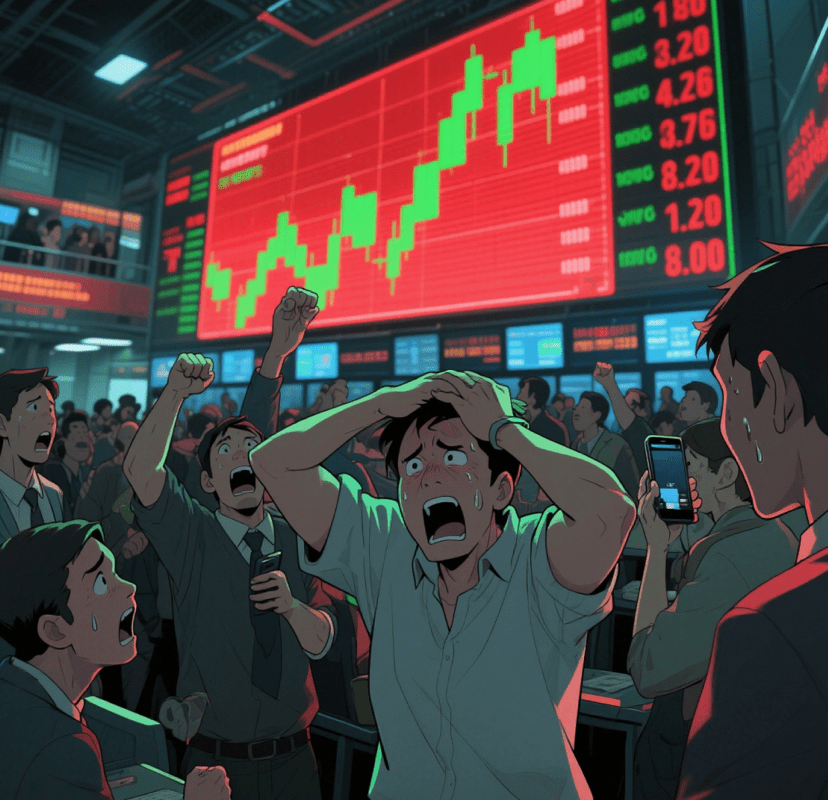
• Tensions in trade relations: The 90-day suspension period for the US "reciprocal tariffs" will end on July 9, and current trade negotiations between the US and multiple parties, including the EU, Japan, and India, are not progressing as expected. All parties emphasize their firm stance on defending their own interests, which may lead to escalating trade frictions and disrupt the global trade order.
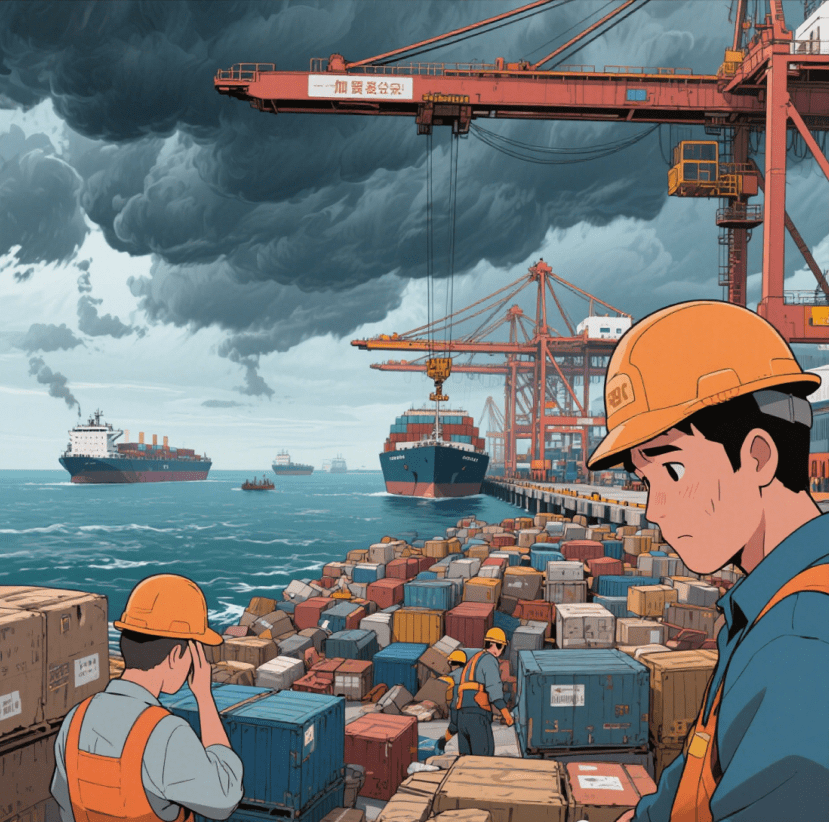
• Concerns over economic growth: Barry Eichengreen, chief global strategist at the global economic consulting firm BCA Research, believes that if tariffs remain unchanged, US economic growth could decline by 1.5%, but the stock market has not reflected this scenario. The current tariffs have a lagging effect on the US economy, and inflation rates may rise in the next 12 months, directly squeezing residents' real income and consumption capacity, thereby affecting economic growth.
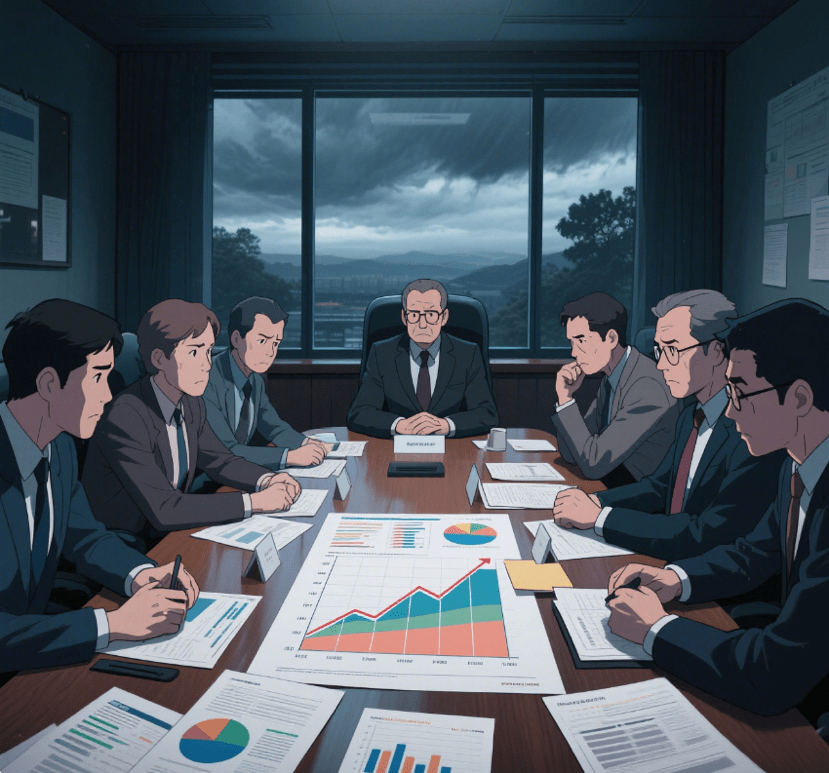
• Increased pressure on business operations: The American Apparel and Footwear Association has stated that the US government's tariff policy will significantly increase domestic manufacturing costs, and coupled with retaliatory tariffs from various countries, will severely weaken the export competitiveness of American products. Many businesses are facing rising costs and supply chain disruptions due to tariff policies, leading to increased operational uncertainty.

• Decline in consumer confidence: Jack Kleinhenz, chief economist of the National Retail Federation, stated that consumers are struggling to cope with the uncertainty brought about by trade policies, and tariffs are expected to trigger inflation later this year, potentially severely impacting their consumption budgets. Consumers are sensitive to prices and have begun to spend cautiously, with some low-income consumers being hit harder.