

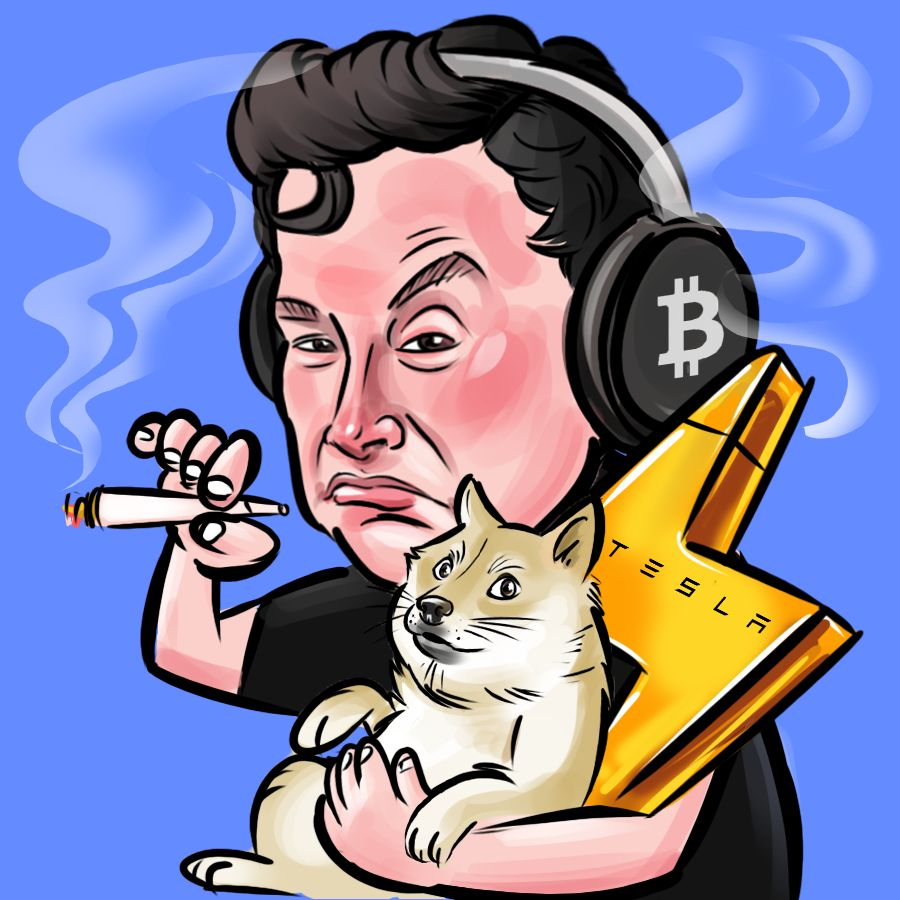
The relationship of Bitcoin (BTC) with other cryptocurrencies (altcoins) is one of the key factors in the crypto market. Here’s how it works and why many coins are "tied" to BTC movements:
📌 Why the crypto market depends on Bitcoin
$BTC — main market indicator
Bitcoin is the first and largest cryptocurrency by market capitalization.
It serves as a "barometer" of market sentiment. When BTC falls — fear increases, investors exit positions, and altcoins also fall.
When BTC rises — the market comes alive, liquidity flows in, and altcoins also gain momentum.
Pairs to BTC
Previously, almost all altcoins were traded in pairs with BTC (for example, ETH/BTC, XRP/BTC).
This strengthened the correlation: to buy an altcoin, one had to first buy BTC.
General investors and large funds
Large players (funds, whales) first enter BTC, then $ETH and further into more risky assets.
Therefore, altcoins only rise after BTC rises.
📊 Examples of dependency
BTC rises → ETH and top altcoins (SOL, BNB, AVAX, etc.) rise.
BTC falls → the market collapses, even promising projects lose 20–50%.
But! Sometimes altcoins decouple from BTC and start to rise when:
There are news about the project (listing, partnership, product launch).
Hype/meme effect (DOGE, PEPE, FLOKI).
The beginning of the altcoin season ("altseason") — is when BTC is in a sideways market and altcoins are pumping.
📉 What does "the coin repeats BTC's movement" mean
This means:
It has a high correlation with Bitcoin (usually 0.8–0.95 on a scale from -1 to 1).
Its chart almost mirrors BTC: peaks, drops, reversals happen at the same moments.
📈 When can coins decouple from BTC
News background about the project.
Launch of tokenomics, staking, buying.
Connecting influencers or funds.
Low capitalization and pump groups.
🧠 How to use this in practice
The beginning of BTC growth — look for strong altcoins that have not yet started moving.
BTC in a sideways market — a phase of altcoin growth.
BTC falls — it's better to exit high-risk alts or switch to stablecoins.
