
#cryptoofframp
cryptoofframp
19 baxış
Müzakirə edir: 2
Populyar
Sonuncu

Məqalə
Tərcüməyə bax
How to Cash Out Crypto to PayPal: 5 Practical Off-Ramp Options (2026)How to Cash Out Crypto to PayPal: 5 Practical Off-Ramp Options (2026)
Turning crypto into a PayPal balance isn’t always straightforward. The best method usually depends on where you live, where your crypto is currently stored, how much KYC you’re willing to complete, and how much you’re actually left with after fees and spreads. Because blockchain networks and traditional payment rails don’t connect directly, most cash-outs still require some form of intermediate step — and the difference in net amount you receive can be significant depending on the route you choose.
Here are 5 practical ways to move crypto into PayPal in 2026:
1. PayPal’s Native Crypto Feature
Available in supported regions (mainly the US and a few other markets). You can transfer supported crypto directly into PayPal and sell it into your fiat balance.
Pros: Relatively fast after network confirmation, all inside one platform.
Cons: Limited regional availability, spreads apply, and full identity verification is required.
Best for: Users already in supported countries who prefer staying inside PayPal.
2. Regulated Centralized Exchanges
Some regulated exchanges allow users to sell crypto for fiat and withdraw to a linked PayPal account in supported regions. Availability and processing times vary significantly depending on the platform and your location.
Pros: Generally reliable with clearer fee structures.
Cons: Requires a verified account, name matching is usually needed, and PayPal withdrawal support is limited in many regions.
Best for: Users who already have a verified exchange account in a supported region.
3. Dedicated Crypto-to-PayPal Services (Bit2Pal)
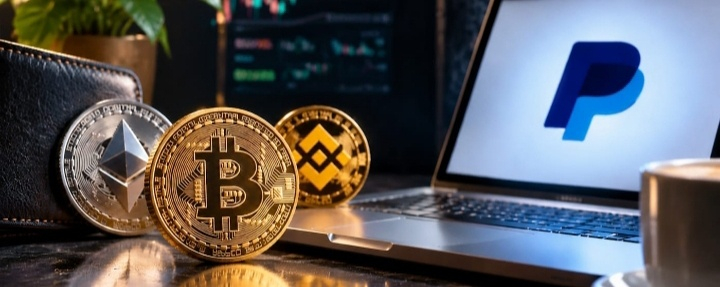
A practical option for users looking for a more direct conversion into PayPal. Services like Bit2Pal specialize in one-way crypto-to-PayPal transfers for assets such as $BTC, $ETH, and $BNB. Orders are typically processed within a few hours, often at competitive rates, with PayPal receiving fees covered in many cases.
Pros: Straightforward process, competitive net rates, and designed specifically for PayPal payouts.
Cons: Processing is manual rather than instant.
Best for: Users who want a focused crypto-to-PayPal flow without going through a full exchange trading interface.
4. Self-Custody Wallet Off-Ramps
If your funds are sitting in a non-custodial wallet (MetaMask, Trust Wallet, Phantom, etc.), you can use integrated off-ramp tools or third-party payment widgets that convert crypto into fiat and send it to PayPal or similar payment methods.
Pros: You keep control of your keys until the final step.
Cons: Service fees + network gas usually apply, and the provider may still request identity checks.
Best for: Users who prefer self-custody until the last mile.
5. Peer-to-Peer (P2P) Marketplaces
When direct withdrawals to PayPal aren’t available, P2P platforms with escrow let you sell crypto to buyers who pay via PayPal.
Pros: Flexible payment options and sometimes better rates.
Cons: Counterparty risk remains — PayPal chargebacks or disputes can still happen after the crypto is released.
Best for: Experienced users comfortable evaluating counterparties and platform reputation.
What Actually Affects How Much You Receive
The final amount that lands in your PayPal is rarely the full market value of your crypto. Key factors include:
- Exchange rate / spread
- Platform service fees
- Network (gas) fees
- PayPal receiving fees (if not covered)
- Regional pricing differences
This is why comparing net payout (not just the advertised rate) matters more than looking at a single number.
How Long Does It Usually Take?
- PayPal native feature: Often 15–40 minutes after confirmation
- Centralized exchanges: Varies widely depending on the platform and region
- Dedicated services like Bit2Pal: Typically a few hours
- P2P: Depends on the buyer and escrow release speed
- Network congestion can slow any on-chain step
Quick Safety Tips
- Always double-check the PayPal email address before confirming
- Verify the correct network and asset (sending the wrong token or network can result in permanent loss)
- Start with a small test amount when using a new service
- Keep records of dates, amounts, and rates for tax purposes
- Prefer platforms with clear escrow or established track records when using P2P
Final Thoughts
There is no single “best” way to cash out crypto to PayPal — it depends on your location, where the crypto currently sits, your tolerance for verification, and how much net value you want to keep. In 2026 the options are more accessible than before, but fees, spreads, and processing times still vary enough that checking the actual payout amount remains essential.
#CryptoToPayPal #Paypal #CryptoOffRamp
How to Cash Out Crypto to PayPal: 5 Practical Off-Ramp Options (2026)
How to Cash Out Crypto to PayPal: 5 Practical Off-Ramp Options (2026)
Turning crypto into a PayPal balance isn’t always straightforward. The best method usually depends on where you live, where your crypto is currently stored, how much KYC you’re willing to complete, and how much you’re actually left with after fees and spreads. Because blockchain networks and traditional payment rails don’t connect directly, most cash-outs still require some form of intermediate step — and the difference in net amount you receive can be significant depending on the route you choose.
Here are 5 practical ways to move crypto into PayPal in 2026:
1. PayPal’s Native Crypto Feature
Available in supported regions (mainly the US and a few other markets). You can transfer supported crypto directly into PayPal and sell it into your fiat balance.
Pros: Relatively fast after network confirmation, all inside one platform.
Cons: Limited regional availability, spreads apply, and full identity verification is required.
Best for: Users already in supported countries who prefer staying inside PayPal.
2. Regulated Centralized Exchanges
Some regulated exchanges allow users to sell crypto for fiat and withdraw to a linked PayPal account in supported regions. Availability and processing times vary significantly depending on the platform and your location.
Pros: Generally reliable with clearer fee structures.
Cons: Requires a verified account, name matching is usually needed, and PayPal withdrawal support is limited in many regions.
Best for: Users who already have a verified exchange account in a supported region.
3. Dedicated Crypto-to-PayPal Services (Bit2Pal)
A practical option for users looking for a more direct conversion into PayPal. Services like Bit2Pal specialize in one-way crypto-to-PayPal transfers for assets such as $BTC, $ETH, and $BNB. Orders are typically processed within a few hours, often at competitive rates, with PayPal receiving fees covered in many cases.
Pros: Straightforward process, competitive net rates, and designed specifically for PayPal payouts.
Cons: Processing is manual rather than instant.
Best for: Users who want a focused crypto-to-PayPal flow without going through a full exchange trading interface.
4. Self-Custody Wallet Off-Ramps
If your funds are sitting in a non-custodial wallet (MetaMask, Trust Wallet, Phantom, etc.), you can use integrated off-ramp tools or third-party payment widgets that convert crypto into fiat and send it to PayPal or similar payment methods.
Pros: You keep control of your keys until the final step.
Cons: Service fees + network gas usually apply, and the provider may still request identity checks.
Best for: Users who prefer self-custody until the last mile.
5. Peer-to-Peer (P2P) Marketplaces
When direct withdrawals to PayPal aren’t available, P2P platforms with escrow let you sell crypto to buyers who pay via PayPal.
Pros: Flexible payment options and sometimes better rates.
Cons: Counterparty risk remains — PayPal chargebacks or disputes can still happen after the crypto is released.
Best for: Experienced users comfortable evaluating counterparties and platform reputation.
What Actually Affects How Much You Receive
The final amount that lands in your PayPal is rarely the full market value of your crypto. Key factors include:
- Exchange rate / spread
- Platform service fees
- Network (gas) fees
- PayPal receiving fees (if not covered)
- Regional pricing differences
This is why comparing net payout (not just the advertised rate) matters more than looking at a single number.
How Long Does It Usually Take?
- PayPal native feature: Often 15–40 minutes after confirmation
- Centralized exchanges: Varies widely depending on the platform and region
- Dedicated services like Bit2Pal: Typically a few hours
- P2P: Depends on the buyer and escrow release speed
- Network congestion can slow any on-chain step
Quick Safety Tips
- Always double-check the PayPal email address before confirming
- Verify the correct network and asset (sending the wrong token or network can result in permanent loss)
- Start with a small test amount when using a new service
- Keep records of dates, amounts, and rates for tax purposes
- Prefer platforms with clear escrow or established track records when using P2P
Final Thoughts
There is no single “best” way to cash out crypto to PayPal — it depends on your location, where the crypto currently sits, your tolerance for verification, and how much net value you want to keep. In 2026 the options are more accessible than before, but fees, spreads, and processing times still vary enough that checking the actual payout amount remains essential.
#CryptoToPayPal #Paypal #CryptoOffRamp
134
Daha çox kontent araşdırmaq üçün daxil olun
Binance Square-də qlobal kriptovalyuta istifadəçilərinə qoşulun
⚡️ Kriptovalyuta haqqında ən son və faydalı məlumatları əldə edin.
💬 Dünyanın ən böyük kriptovalyuta birjası tərəfindən etibar edilir.
👍 Doğrulanmış yaradıcılardan gələn real məlumatları kəşf edin.
E-poçt/Telefon nömrəsi
Trenddə olan mövzular
1
#NvidiaLoses$2.7TrillionInMonthAndAHalf
11,158 baxış
Müzakirə edir: 99
2
#CanBTCReboundAfterFallingBelow60K?
677,971 baxış
Müzakirə edir: 2,804
3
#GlobalStocksFaceLongestLosingStreakSince2023
242,175 baxış
Müzakirə edir: 1,901
4
#BlackRockIBITPostsRecord$541MSingleDayOutflow
25,854 baxış
Müzakirə edir: 80
5
#AnthropicPlungesTowardIPOPriceonDay2
121,310 baxış
Müzakirə edir: 1,145
6
#TwentyOneCapitalAdds172.25BTC
53,870 baxış
Müzakirə edir: 615
7
#HKBillWouldExcludeTokenizedDepositsFromVirtualAssets
6,387 baxış
Müzakirə edir: 48
8
#BNBDropsBelow540USDTWith8.46%DailyDecline
67,723 baxış
Müzakirə edir: 603
9
#HKBillProposesHK$100KFineForUnauthorizedCryptoTitles
2,289 baxış
Müzakirə edir: 22
10
#BitMineFaces$10.1BUnrealizedETHLoss
4,606 baxış
Müzakirə edir: 26