
#arbitragetradingstrategy
arbitragetradingstrategy
3.8M baxış
Müzakirə edir: 34,670
Arbitrage involves taking advantage of price differences across platforms or markets. Do you look for opportunities between exchanges, networks, or asset pairs? What tools or setups help you execute successfully?
Share your insights with #ArbitrageTradingStrategy to earn Binance points!
Populyar
Sonuncu


Bu günün Ticarət Strategiyaları Dərin Dalışında #ArbitrageTradingStrategy müzakirə edək.
Arbitraj ticarəti bazarlar arasında qiymət qeyri-effektivliklərindən istifadə etməyi əhatə edir. İmkanlar qısa ola bilər, lakin düzgün icra edildikdə, yaxşı zamanlanmış bir strategiya məhdud risklə sabit mənfəət əldə edə bilər.
💬 Arbitraj ticarətini sınamısınızmı? Arbitraj imkanlarını necə müəyyən edirsiniz və onları icra etmək üçün hansı platformalardan və ya alətlərdən istifadə edirsiniz?
👉 #ArbitrageTradingStrategy ilə bir post yaradın və Binance ballarını qazanmaq üçün fikirlərinizi paylaşın! (Tətbiq ana səhifəsində “+” düyməsini basın və Tapşırıq Mərkəzinə klikləyin)
🔗 Tam kampaniya detalları [here](https://www.binance.com/en/square/post/26485704023609).
Bu günün Ticarət Strategiyaları Dərin Dalışında #ArbitrageTradingStrategy müzakirə edək.
Arbitraj ticarəti bazarlar arasında qiymət qeyri-effektivliklərindən istifadə etməyi əhatə edir. İmkanlar qısa ola bilər, lakin düzgün icra edildikdə, yaxşı zamanlanmış bir strategiya məhdud risklə sabit mənfəət əldə edə bilər.
💬 Arbitraj ticarətini sınamısınızmı? Arbitraj imkanlarını necə müəyyən edirsiniz və onları icra etmək üçün hansı platformalardan və ya alətlərdən istifadə edirsiniz?
👉 #ArbitrageTradingStrategy ilə bir post yaradın və Binance ballarını qazanmaq üçün fikirlərinizi paylaşın! (Tətbiq ana səhifəsində “+” düyməsini basın və Tapşırıq Mərkəzinə klikləyin)
🔗 Tam kampaniya detalları here.
19
21
109
38.5k
·
--
#ArbitrageTradingStrategy "Arbitraj Ticarət Strategiyasını Araşdırmaq: Mükəmməl İmkan
Arbitraj ticarəti, iki və ya daha çox bazar arasında qiymət fərqlərindən istifadə edərək mənfəət əldə etməyi əhatə edir. Bu strategiya sürətli icra və dəqiq bazar analizi tələb edir. Bir bazarda dəyəri aşağı olan aktivləri müəyyən edib, onları başqa bir bazarda daha yüksək qiymətə satmaqla, ticarətçilər bu fərqliliklərdən yararlana bilərlər. Lakin, arbitraj imkanları tez-tez qısa müddətli olur, buna görə də vaxtında qərar vermək vacibdir. Ticarətçilər həmçinin əməliyyat xərclərini və bazar dalğalanmalarını nəzərə almalıdırlar. Doğru alətlər və mütəxəssis bilikləri ilə, arbitraj ticarəti hər hansı bir ticarət portfelinə mənfəətli bir əlavə ola bilər. İrəlidə qalın və qazancınızı maksimuma çatdırın. #ArbitrajTicarətStrategiyası"
Arbitraj ticarəti, iki və ya daha çox bazar arasında qiymət fərqlərindən istifadə edərək mənfəət əldə etməyi əhatə edir. Bu strategiya sürətli icra və dəqiq bazar analizi tələb edir. Bir bazarda dəyəri aşağı olan aktivləri müəyyən edib, onları başqa bir bazarda daha yüksək qiymətə satmaqla, ticarətçilər bu fərqliliklərdən yararlana bilərlər. Lakin, arbitraj imkanları tez-tez qısa müddətli olur, buna görə də vaxtında qərar vermək vacibdir. Ticarətçilər həmçinin əməliyyat xərclərini və bazar dalğalanmalarını nəzərə almalıdırlar. Doğru alətlər və mütəxəssis bilikləri ilə, arbitraj ticarəti hər hansı bir ticarət portfelinə mənfəətli bir əlavə ola bilər. İrəlidə qalın və qazancınızı maksimuma çatdırın. #ArbitrajTicarətStrategiyası"
1
32
#ArbitrageTradingStrategy Arbitraj ticarəti yalnız kriptovalyutalarla məhdudlaşmır. Bu, eyni zamanda, müxtəlif maliyyə alətləri, məsələn, ETF-lər (Birja Ticarət Fondları) və İndeks fondları vasitəsilə imkanların yarandığı səhmlər bazarında da geniş yayılmışdır. Adətən, ETF və ya indeks fondu ilə əsas aktivlər arasında qiymət fərqlilikləri yaranır. Ticarətçilər bu arbitraj imkanlarından eyni anda alqı-satqı edərək istifadə edirlər.
#ArbitrageTradingStrategy Arbitraj ticarəti yalnız kriptovalyutalarla məhdudlaşmır. Bu, eyni zamanda, müxtəlif maliyyə alətləri, məsələn, ETF-lər (Birja Ticarət Fondları) və İndeks fondları vasitəsilə imkanların yarandığı səhmlər bazarında da geniş yayılmışdır. Adətən, ETF və ya indeks fondu ilə əsas aktivlər arasında qiymət fərqlilikləri yaranır. Ticarətçilər bu arbitraj imkanlarından eyni anda alqı-satqı edərək istifadə edirlər.
2
103

🚀 BTC $113K 2025 10 07 ! 💥
BILLIONS ETF , BlackRock IBIT $65B BTC ! 🤑
2.4M BTC ! 🐳
👉 🐂 @Futurebigbull
? , BULLISH ! 🔥
Trump US 11 ! 🇺🇸
RSI 83, , ! 🚂
$120K ? ! 😎
BTC , ! 👀
WILD, GOOOO! 🎉
#ArbitrageTradingStrategy
🚀 BTC $113K 2025 10 07 ! 💥
BILLIONS ETF , BlackRock IBIT $65B BTC ! 🤑
2.4M BTC ! 🐳
👉 🐂 @Future Big Bulls
? , BULLISH ! 🔥
Trump US 11 ! 🇺🇸
RSI 83, , ! 🚂
$120K ? ! 😎
BTC , ! 👀
WILD, GOOOO! 🎉
#ArbitrageTradingStrategy
BILLIONS ETF , BlackRock IBIT $65B BTC ! 🤑
2.4M BTC ! 🐳
👉 🐂 @Future Big Bulls
? , BULLISH ! 🔥
Trump US 11 ! 🇺🇸
RSI 83, , ! 🚂
$120K ? ! 😎
BTC , ! 👀
WILD, GOOOO! 🎉
#ArbitrageTradingStrategy
160
75
36
401

·
--
#USCryptoWeek
#TradingStrategyMistakes
#ArbitrageTradingStrategy
🤯👉🚨¡La LOKA se volvió LOKA! 🎉
Binance anuncia cambio radical 🔄"
¡Agárrense de sus billeteras digitales, cripto-amigos! 🚀 Binance ha soltado la bomba 💥:
😵💫¡LOKA se transforma en Arena-Z! ✨ Sí, como lo oyen. A partir del 21 de julio de 2025 a las 9:00 UTC, LOKA se despide 👋 para darle paso a su nueva identidad.
👀 Así que vayan preparando sus tokens para el cambio,
¡que la LOKA se nos vuelve Arena-Z! 🤖

3.1k
1.5k
250
3.1k

Hayal edin ki cüzdanınızda 100 milyon dolar var ve hala kumar oynamayı seçiyorsunuz.
Bir senaryo hayal edelim: Strateji
100 milyon dolardan en az 10 BTC almıştım, fiyatı 98,000 dolara çıktığında. Ve 20 ETH almıştım, fiyatı 2,100 dolara çıktığında. Bu toplamda 15 milyon dolar yapıyor.
Hala 85 milyon dolarım kaldı, geriye kalan 50 milyon doları gerçek faydası olan alternatif coinlere, ve kilitli ürünlere abone olurdum, ayrıca yaklaşık 10 milyon doları da hype ve memecoinlere yatırdım.
Hala 15 milyon dolarım var, bu yüzden yaklaşık 5 milyon doları günlük harcamalar için çekerdim ve hedeflere harcama yapmayı sağlardım.
Geriye kalan 10 milyon dolarla sürekli olarak perps keşfetmeye devam ederdim.
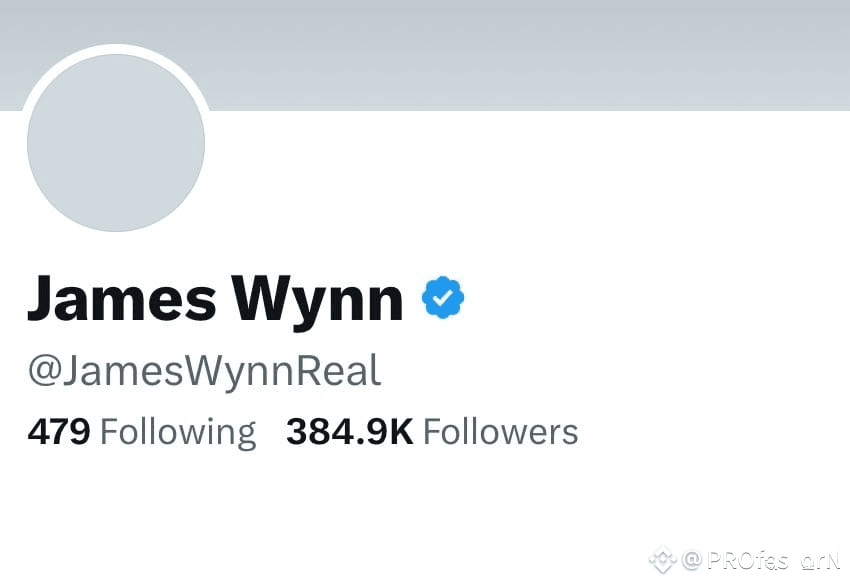
Ama bu Kumarbaz James Wynn, tüm birikimi ve kırılgan egosuyla kumar oynamayı seçti, duygusal işlemler onu çıktığı kadar hızlı bir şekilde düşürdü.
Unutmayın: Eğer perps'te büyük kazanıyorsanız, her zaman kârınızı bölün ve spotlara da bir şans verin.
Modern Tarihteki En Büyük Aptal Kumarbaz ile Hoşça Kal.
JamesWynnReal (Mayıs 2025 - Temmuz 2025)
#TradingStrategyMistakes #ArbitrageTradingStrategy #TrumpTariffs #BTCBreaksATH #USCryptoWeek
1.8k
901
106
1.8k

·
--
Artım
#ArbitrageTradingStrategy
Aşağı risk. Aşağı marj. Ama tutarlı.
Bu bir abartı değil—bu bir strateji. Sabır, otomasyon ve disiplin küçük boşlukları sürekli getiriler haline getirir.
strateji:
1. Fiyat farkını izleyin.
2. Tüm ücretlerden sonra net karı hesaplayın.
3. Eş zamanlı alım + satım yapın.
4. Düşük kayma koşullarında tekrarlayın.
1
49

·
--
Artım
gəlin bərpa edək
indi $XRP xrp alın, tezliklə $3-ü pozacaq
#USCryptoWeek #TradingStrategyMistakes #ArbitrageTradingStrategy #ETHBreaks3k
gəlin bərpa edək
indi $XRP xrp alın, tezliklə $3-ü pozacaq
#USCryptoWeek #TradingStrategyMistakes #ArbitrageTradingStrategy #ETHBreaks3k
indi $XRP xrp alın, tezliklə $3-ü pozacaq
#USCryptoWeek #TradingStrategyMistakes #ArbitrageTradingStrategy #ETHBreaks3k
81


·
--
Məqalə
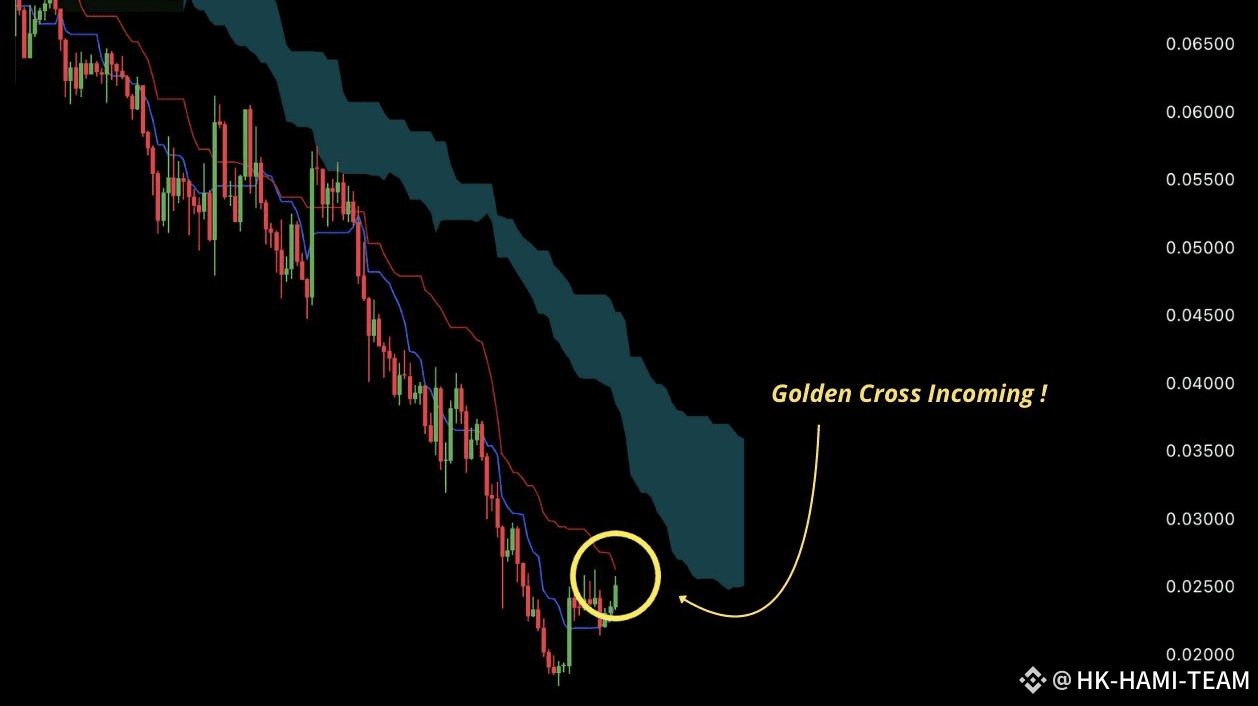
$ETH QIZIL KƏSİŞMƏ GƏLİR!!! 🚨$ETH
$SOL
$ETH
Potensial Qızıl Kəsişmə (50 günlük MA 200 günlük MA-nı üstələdikdə) **$ETH**-nin gündəlik qrafikində həqiqətən də ticarətçilərin yaxından izlədiyi yüksəliş siqnalıdır! Budur, bu nə demək ola bilər:
### **Əsas Nöqtələr:**
1. **Qızıl Kəsişmə Tərifi**:
- 50 günlük Hərəkətli Orta (MA) 200 günlük MA-nı **üstələdikdə** uzunmüddətli yüksəliş siqnalı.
- Tarixən, bu, həm kripto, həm də ənənəvi bazarlarda güclü yüksəliş trendindən əvvəl baş vermişdir.
2. **Hazırkı ETH Tənzimləməsi**:
- Əgər təsdiqlənərsə, bu, bearish/neutrel vəziyyətdən yeni yüksəliş mərhələsinə keçidi göstərə bilər.
$ETH QIZIL KƏSİŞMƏ GƏLİR!!! 🚨
$ETH
$SOL
$ETH
Potensial Qızıl Kəsişmə (50 günlük MA 200 günlük MA-nı üstələdikdə) **$ETH **-nin gündəlik qrafikində həqiqətən də ticarətçilərin yaxından izlədiyi yüksəliş siqnalıdır! Budur, bu nə demək ola bilər:
### **Əsas Nöqtələr:**
1. **Qızıl Kəsişmə Tərifi**:
- 50 günlük Hərəkətli Orta (MA) 200 günlük MA-nı **üstələdikdə** uzunmüddətli yüksəliş siqnalı.
- Tarixən, bu, həm kripto, həm də ənənəvi bazarlarda güclü yüksəliş trendindən əvvəl baş vermişdir.
2. **Hazırkı ETH Tənzimləməsi**:
- Əgər təsdiqlənərsə, bu, bearish/neutrel vəziyyətdən yeni yüksəliş mərhələsinə keçidi göstərə bilər.
4
776

·
--
hər kəsə salam, kimsə kömək edə bilərmi, bağlayım, yoxsa saxlayım...?
#USCryptoWeek #ArbitrageTradingStrategy #BTCBreaksATH #ETHBreaks3k #ShariaEarn
hər kəsə salam, kimsə kömək edə bilərmi, bağlayım, yoxsa saxlayım...?
#USCryptoWeek #ArbitrageTradingStrategy #BTCBreaksATH #ETHBreaks3k #ShariaEarn
#USCryptoWeek #ArbitrageTradingStrategy #BTCBreaksATH #ETHBreaks3k #ShariaEarn
1
76

Qazancı Maksimuma Çıxarın #ArbitrageTradingStrategy
Eynı valyuta üçün fərqli mübadilə yerlərində qiymət fərqliliklərini heç vaxt gördünüzmü? Bura arbitrage-in parlaydığı yerdir! ⚖️
Bir mübadilə yerində aşağı qiymətə alıb, digərində yüksək qiymətə sataraq ticarətçilər risksiz mənfəət əldə edirlər — sürətli və ağıllı! 💰🚀
Hər şey sürət, dəqiqlik və bazarı bilmək haqqındadır.
#ArbitrageTradingStrategy
9

·
--
Azalma
☑️ $DOGE تجارت $ 0.19870 چکر لگ رہی ہے اور ممکنہ طور پر $ 0.19064 کی طرف جا رہی ہے
✅ $DOGE تجارتی منصوبہ
👍 داخلہ -- مارکیٹ قیمت $ 0.19865 سے $ 0.19880
🙂 منافع حاصل کریں $ 0.19860 سے $ 0.19080
🙃 نقصان روکیں $ 0.31220 سے اوپر
▶️ لیوریج 10x
#ArbitrageTradingStrategy
☑️ $DOGE تجارت $ 0.19870 چکر لگ رہی ہے اور ممکنہ طور پر $ 0.19064 کی طرف جا رہی ہے
✅ $DOGE تجارتی منصوبہ
👍 داخلہ -- مارکیٹ قیمت $ 0.19865 سے $ 0.19880
🙂 منافع حاصل کریں $ 0.19860 سے $ 0.19080
🙃 نقصان روکیں $ 0.31220 سے اوپر
▶️ لیوریج 10x
#ArbitrageTradingStrategy
✅ $DOGE تجارتی منصوبہ
👍 داخلہ -- مارکیٹ قیمت $ 0.19865 سے $ 0.19880
🙂 منافع حاصل کریں $ 0.19860 سے $ 0.19080
🙃 نقصان روکیں $ 0.31220 سے اوپر
▶️ لیوریج 10x
#ArbitrageTradingStrategy
298

·
--
#ArbitrageTradingStrategy **Arbitraj Ticarət Strategiyası**
Arbitraj ticarəti eyni aktivin fərqli bazar və ya mübadilələrdəki qiymət fərqliliklərindən yararlanaraq risksiz qazanc əldə etməyə yönəlib. Ümumi növlərə məkan arbitrajı (bir platformada aşağı qiymətə alıb, digərində yüksək qiymətə satmaq) və üçbucaq arbitrajı (forex-də valyuta qiymətləri yanlışlıqlarından yararlanmaq) daxildir. Bu strategiya ultra-sürətli icraata əsaslanır, çünki qiymət fərqləri tez-tez bir neçə saniyə ərzində yox olur. Ticarətçilər, minimal gecikmə ilə anlıq imkanlardan yararlanmaq üçün avtomatlaşdırılmış botlardan istifadə edirlər. Arbitraj aşağı riskli hesab olunsa da, tranzaksiya haqları, pul çəkilmə limitləri və bazar qeyri-səmərəlilikləri kimi çətinliklər mövcuddur. Uğurlu arbitraj üçün qabaqcıl texnologiya, real vaxt məlumat analizi və bazarların özlərini düzəltmədən əvvəl qazanclı icra üçün bir neçə likvidlik mənbəyinə çıxış tələb olunur.
Arbitraj ticarəti eyni aktivin fərqli bazar və ya mübadilələrdəki qiymət fərqliliklərindən yararlanaraq risksiz qazanc əldə etməyə yönəlib. Ümumi növlərə məkan arbitrajı (bir platformada aşağı qiymətə alıb, digərində yüksək qiymətə satmaq) və üçbucaq arbitrajı (forex-də valyuta qiymətləri yanlışlıqlarından yararlanmaq) daxildir. Bu strategiya ultra-sürətli icraata əsaslanır, çünki qiymət fərqləri tez-tez bir neçə saniyə ərzində yox olur. Ticarətçilər, minimal gecikmə ilə anlıq imkanlardan yararlanmaq üçün avtomatlaşdırılmış botlardan istifadə edirlər. Arbitraj aşağı riskli hesab olunsa da, tranzaksiya haqları, pul çəkilmə limitləri və bazar qeyri-səmərəlilikləri kimi çətinliklər mövcuddur. Uğurlu arbitraj üçün qabaqcıl texnologiya, real vaxt məlumat analizi və bazarların özlərini düzəltmədən əvvəl qazanclı icra üçün bir neçə likvidlik mənbəyinə çıxış tələb olunur.
2
11
·
--
Artım
Tərcüməyə bax
#ArbitrageTradingStrategy Arbitrage Trading Strategy: A Profitable Approach
Arbitrage trading is a popular strategy used by traders to profit from price discrepancies in different markets. This approach involves buying an asset at a lower price in one market and selling it at a higher price in another, thereby generating a profit.
How Arbitrage Trading Works
Arbitrage trading works by exploiting price differences between two or more markets. Traders use advanced algorithms and high-speed trading platforms to identify and capitalize on these price discrepancies. The goal is to execute trades quickly and efficiently, minimizing risk and maximizing profits.
Types of Arbitrage Trading
There are several types of arbitrage trading, including:
- Simple arbitrage: buying an asset at a lower price in one market and selling it at a higher price in another
- Triangular arbitrage: exploiting price discrepancies between three or more currencies or assets
- Statistical arbitrage: using statistical models to identify mispricings in the market
Benefits and Risks of Arbitrage Trading
Arbitrage trading offers several benefits, including:
- Low risk: arbitrage trades are typically designed to be market-neutral, minimizing exposure to market volatility
- High potential returns: arbitrage trades can generate significant profits, especially when executed quickly and efficiently
However, arbitrage trading also involves risks, such as:
- Market volatility: sudden changes in market conditions can impact the profitability of arbitrage trades
- Execution risk: delays or failures in executing trades can result in losses
In conclusion, arbitrage trading is a profitable strategy that can be used by traders to generate returns in various market conditions. By understanding how arbitrage trading works and the different types of arbitrage strategies, traders can capitalize on price discrepancies and achieve their investment goals.
15


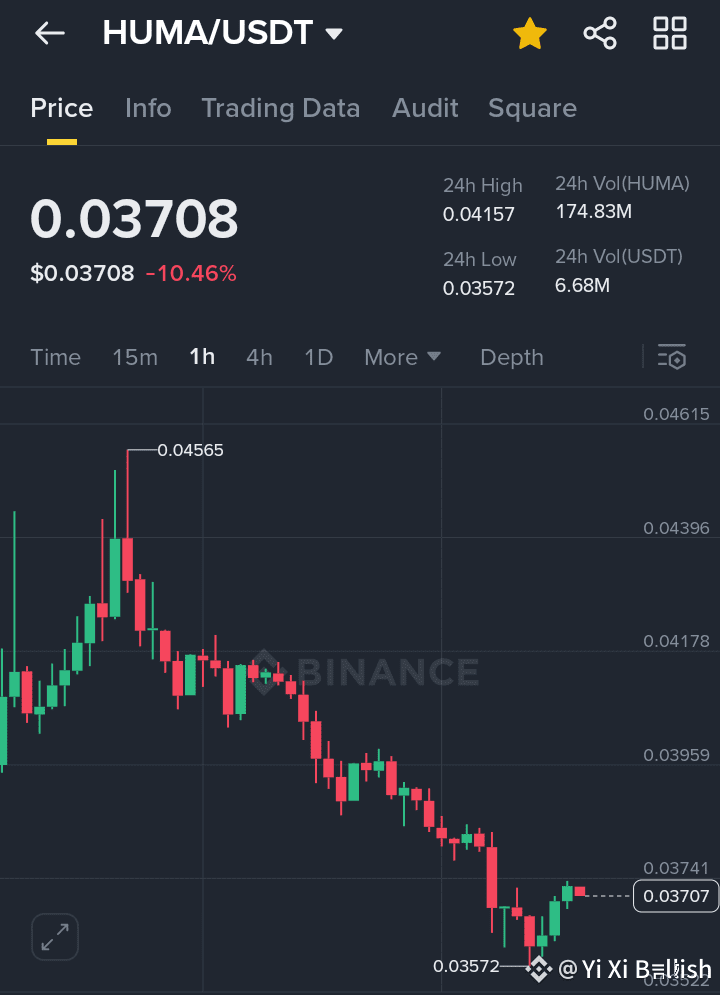
🚨 $HUMA /USDT Ticarət Quraşdırması – Rebound Yüklənir ya da Tuzaq? 🔄🚀
$HUMA möhkəm 24 saatlıq artım görüb $0.04157-yə, lakin satıcılar müdaxilə edərək onu $0.03708-ə (-10.46%) geri itələyiblər. İndi, USDT həcmi $6.68M-dan yuxarıdır, bu, tutulmağa dəyər dipdir?
📌 Ticarət Planı:
Giriş Zonası: $0.03650 – $0.03750
Zərər Dayanacağı: $0.03500-dan aşağı
Məqsədlər:
• 🎯 TP1: $0.04050
• 🎯 TP2: $0.04180
• 🎯 TP3: $0.04390+
📊 Bazarı Xülasəsi:
🔼 Müqavimət: $0.04178 / $0.04396
🔽 Dəstək: $0.03572 / $0.03522
📈 Dərinlik Məlumatı: Satıcılar $0.04615-də, lakin boğalar $0.03500 yaxınlığında sifarişlər yığır
🧠 Nəyi İzləmək:
Əgər qiymət $0.035-dən yuxarı qalırsa, momentun dəyişməsi ehtimalı var
1 saatlıq şamın $0.03820-dən yuxarı bağlanması = erkən bullish siqnal
⚡ Yüksək risk, yüksək mükafat zonası. Ticarəti planlaşdırın, SL-nizi təyin edin və momentumu sizə işlədin!
#USCryptoWeek #humanNetwork #BinanceTurns8 #BTCBreaksATH #ArbitrageTradingStrategy
4
805

·
--
Artım
neçə hamı bu gün bazarın düşməsi və ya geriləməsini proqnozlaşdırır, mən bəlkə də səhv edirəm, amma bu gün yenə də yüksələcək. Bəyənməyinizi unutmayın və məni izləyin, bu fomo deyil, çünki bir vaxt bazar hər şeyin qaydalarını pozur və o an indi baş verir. Artıq #BTC120kVs125kToday #ArbitrageTradingStrategy #TradingStrategyMistakes #USCryptoWeek gəzintidədir.
neçə hamı bu gün bazarın düşməsi və ya geriləməsini proqnozlaşdırır, mən bəlkə də səhv edirəm, amma bu gün yenə də yüksələcək. Bəyənməyinizi unutmayın və məni izləyin, bu fomo deyil, çünki bir vaxt bazar hər şeyin qaydalarını pozur və o an indi baş verir. Artıq #BTC120kVs125kToday #ArbitrageTradingStrategy #TradingStrategyMistakes #USCryptoWeek gəzintidədir.
1
31

·
--
Artım
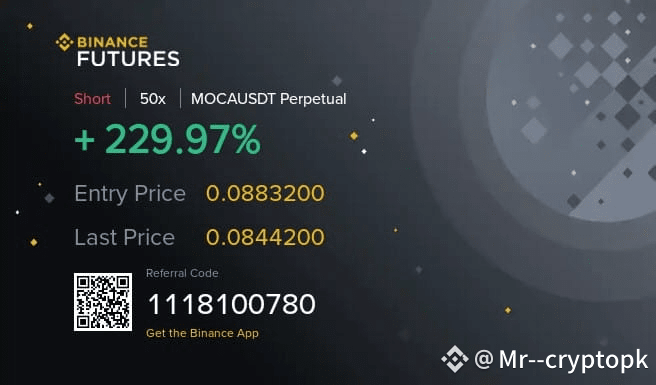
yalnızca ticaret yapın, eğer ticaretin kazanacağından %50'den fazla emin iseniz yalnızca onaydan sonra girin $ETH #ArbitrageTradingStrategy
yalnızca ticaret yapın, eğer ticaretin kazanacağından %50'den fazla emin iseniz yalnızca onaydan sonra girin $ETH #ArbitrageTradingStrategy
5
395

🚨“Sonuncu Çağrı: ETH, SOL ve XRP ile Kim Zengin Olacak Bitcoin Rallisi Sonrası?”
$ETH
$SOL
$XRP
🔥 Sonuncu kez başkalarının sermayelerini katladığını izlerken hatırlıyor musun? Bitcoin, 118K USD'yi aştı ve her zamanki gibi, daha önce harekete geçenler kutluyor. Ancak bir sonraki dalga çoktan başladı - ve yalnızca hızlı düşünenler sörf yapacak!
Sürü tartışırken, büyükler ETH, SOL ve XRP biriktiriyor. Ethereum, ETF'ler ve getiri açlığı çeken kurumsallardan destek alarak tarihi zirvelere odaklanıyor. Solana tekrar başrolü alarak dirençten dirence meydan okuyor. Ve XRP, her zaman tartışmalı, piyasa dikkatini dağıttığında patlamaya hazır.
Şimdi, hafızanı kullan: kaç kez tereddüt ettin ve en iyi anı kaybettin? Düşün - bu sefer bekleyecek misin yoksa harekete geçecek misin? Fırsat haber vermez. Her ATH, hayatı değiştiren kârlar için bir alan açar, ama sadece önce riske girenler için.
💡 Meydan okuma: stratejini oluştur, yorumlarda tartış ve mantığını paylaş. Bu devlerden hangisi sürpriz yapacak? Büyük düşünenler önceden hareket eder. Peki, izleyecek misin yoksa tarihin bir parçası mı olacaksın?
⸻
Kabul edenler, yorum yapar ve tahminlerini paylaşır!
{spot}(XRPUSDT)
{spot}(SOLUSDT)
{spot}(ETHUSDT)
#TradingStrategyMistakes
#ArbitrageTradingStrategy
#xrp
🚨“Sonuncu Çağrı: ETH, SOL ve XRP ile Kim Zengin Olacak Bitcoin Rallisi Sonrası?”
$ETH
$SOL
$XRP
🔥 Sonuncu kez başkalarının sermayelerini katladığını izlerken hatırlıyor musun? Bitcoin, 118K USD'yi aştı ve her zamanki gibi, daha önce harekete geçenler kutluyor. Ancak bir sonraki dalga çoktan başladı - ve yalnızca hızlı düşünenler sörf yapacak!
Sürü tartışırken, büyükler ETH, SOL ve XRP biriktiriyor. Ethereum, ETF'ler ve getiri açlığı çeken kurumsallardan destek alarak tarihi zirvelere odaklanıyor. Solana tekrar başrolü alarak dirençten dirence meydan okuyor. Ve XRP, her zaman tartışmalı, piyasa dikkatini dağıttığında patlamaya hazır.
Şimdi, hafızanı kullan: kaç kez tereddüt ettin ve en iyi anı kaybettin? Düşün - bu sefer bekleyecek misin yoksa harekete geçecek misin? Fırsat haber vermez. Her ATH, hayatı değiştiren kârlar için bir alan açar, ama sadece önce riske girenler için.
💡 Meydan okuma: stratejini oluştur, yorumlarda tartış ve mantığını paylaş. Bu devlerden hangisi sürpriz yapacak? Büyük düşünenler önceden hareket eder. Peki, izleyecek misin yoksa tarihin bir parçası mı olacaksın?
⸻
Kabul edenler, yorum yapar ve tahminlerini paylaşır!
#TradingStrategyMistakes
#ArbitrageTradingStrategy
#xrp
3.1k
1.5k
213
3.1k

·
--
Artım
Tərcüməyə bax
#ArbitrageTradingStrategy
graph LR
A[أمر 1: 0.12950] --> B(50% حجم)
C[أمر 2: 0.13280] --> D(30% حجم)
E[أمر 3: 0.13100] --> F(10% حجم)
- بيع 40% عند 0.13250
- بيع 30% عند 0.13500
- بيع 20% عند 0.13800
- بيع 10% عند 0.14000
#ArbitrageTradingStrategy
graph LR
A[أمر 1: 0.12950] --> B(50% حجم)
C[أمر 2: 0.13280] --> D(30% حجم)
E[أمر 3: 0.13100] --> F(10% حجم)
- بيع 40% عند 0.13250
- بيع 30% عند 0.13500
- بيع 20% عند 0.13800
- بيع 10% عند 0.14000
graph LR
A[أمر 1: 0.12950] --> B(50% حجم)
C[أمر 2: 0.13280] --> D(30% حجم)
E[أمر 3: 0.13100] --> F(10% حجم)
- بيع 40% عند 0.13250
- بيع 30% عند 0.13500
- بيع 20% عند 0.13800
- بيع 10% عند 0.14000
1
158

·
--
Gecikmələr Strateji Ola Bilər, Texniki Deyil! 🚨
🤔 Pi Şəbəkəsi KYC və mükafatları bilərəkdən gecikdirirmi? Kripto analitik Dr. Altcoin-ə görə, bunlar yalnız texniki problemlər deyil—Pi Core Team (PCT) tərəfindən böyük qiymət çökməsinin qarşısını almaq üçün ağıllı bir strategiyanın bir hissəsi ola bilər 💥.
📊 Pi hələ də qiymət kəşf fazasındadır, hazırki ticarət $0.40 – $0.50 arasında dəyişir. Bazar hələ də möhkəm bir dəyəri müəyyən etməyib və KYC və ya mükafatların tez bir zamanda açıqlanması vəziyyəti erkən dəyişə bilər.
#ArbitrageTradingStrategy $BTC
3
140
Daha çox kontent araşdırmaq üçün daxil olun
Binance Square-də qlobal kriptovalyuta istifadəçilərinə qoşulun
⚡️ Kriptovalyuta haqqında ən son və faydalı məlumatları əldə edin.
💬 Dünyanın ən böyük kriptovalyuta birjası tərəfindən etibar edilir.
👍 Doğrulanmış yaradıcılardan gələn real məlumatları kəşf edin.
E-poçt/Telefon nömrəsi
Trenddə olan mövzular
1
#WhoWillSucceedJensenHuangatNvidia?
13,099 baxış
Müzakirə edir: 217
2
#WhatWillDriveCryptoandStocks’NextRebound?
291,878 baxış
Müzakirə edir: 2,177
3
#USPPIMissMayEaseBTCPressure
130,288 baxış
Müzakirə edir: 1,494
4
#dYdXPlansV9.9UpgradeToShiftUSDCToInjective
0 baxış
Müzakirə edir: 3
5
#TradFiForBeginners
652,799 baxış
Müzakirə edir: 4,222
6
#MANTRAPausesUnstakingFor7DaysAfterKeplrSecurityIncident
2,082 baxış
Müzakirə edir: 34
7
#BitcoinCoreDisclosesTorTrafficVulnerability
61,246 baxış
Müzakirə edir: 878
8
#BitcoinBreaksBelow200WeekMovingAverage
127,961 baxış
Müzakirə edir: 886
9
#SpaceXTeslaMergerTalksWouldCombine30220BTC
36,376 baxış
Müzakirə edir: 482
10
#Anthropic’s6xIPODemandSignalsPotentialRecordRaise
112,469 baxış
Müzakirə edir: 942