
思雅 SIYA
394 منشورات

思雅 SIYA
إبلاغ
حظر المُستخدم
Square Creator (Green Signals)
46 تتابع
5.8K+ المتابعون
553 إعجاب
منشورات
الكل
اقتباسات
Live
PINNED
·
--
D كان لديه التحرك أولاً. توسع حاد إلى ارتفاعات، ثم تراجع فوري والآن يحاول الاستقرار. هذه بالفعل مرحلة رد فعل، وليس اتجاهًا نظيفًا بعد الآن.
MBOX مختلف. لقد انفصل واستمر في البناء فوقه. تراجعات صغيرة، قيعان أعلى، لا رفض حقيقي. هذه استمرار منضبط مع مساحة لا تزال سليمة.
NEIRO في مكان ما بينهما. لقد دفعت، تراجعت، والآن تحاول أن ترتفع مرة أخرى. الهيكل يتشكل، لكنه ليس نظيفًا بالكامل بعد.
نفس الاتجاه. نضوج مختلف.
$D
{spot}(DUSDT)
تم اختباره بالفعل.
$MBOX
{spot}(MBOXUSDT)
لا يزال يتطور بشكل نظيف.
$NEIRO
{spot}(NEIROUSDT)
يتم إعادة بنائه بعد الدفع.
إذا كنت تدخل الآن، فإنك تختار بين رد الفعل، الاستمرار، وإعادة البناء.
أي واحدة تأخذها هنا بالفعل؟
#D #MBOX #NEIRO
D كان لديه التحرك أولاً. توسع حاد إلى ارتفاعات، ثم تراجع فوري والآن يحاول الاستقرار. هذه بالفعل مرحلة رد فعل، وليس اتجاهًا نظيفًا بعد الآن.
MBOX مختلف. لقد انفصل واستمر في البناء فوقه. تراجعات صغيرة، قيعان أعلى، لا رفض حقيقي. هذه استمرار منضبط مع مساحة لا تزال سليمة.
NEIRO في مكان ما بينهما. لقد دفعت، تراجعت، والآن تحاول أن ترتفع مرة أخرى. الهيكل يتشكل، لكنه ليس نظيفًا بالكامل بعد.
نفس الاتجاه. نضوج مختلف.
$D
تم اختباره بالفعل.
$MBOX
لا يزال يتطور بشكل نظيف.
$NEIRO
يتم إعادة بنائه بعد الدفع.
إذا كنت تدخل الآن، فإنك تختار بين رد الفعل، الاستمرار، وإعادة البناء.
أي واحدة تأخذها هنا بالفعل؟
#D #MBOX #NEIRO
MBOX مختلف. لقد انفصل واستمر في البناء فوقه. تراجعات صغيرة، قيعان أعلى، لا رفض حقيقي. هذه استمرار منضبط مع مساحة لا تزال سليمة.
NEIRO في مكان ما بينهما. لقد دفعت، تراجعت، والآن تحاول أن ترتفع مرة أخرى. الهيكل يتشكل، لكنه ليس نظيفًا بالكامل بعد.
نفس الاتجاه. نضوج مختلف.
$D
تم اختباره بالفعل.
$MBOX
لا يزال يتطور بشكل نظيف.
$NEIRO
يتم إعادة بنائه بعد الدفع.
إذا كنت تدخل الآن، فإنك تختار بين رد الفعل، الاستمرار، وإعادة البناء.
أي واحدة تأخذها هنا بالفعل؟
#D #MBOX #NEIRO
D post spike reaction
19%
MBOX structured Continuation
31%
NEIRO early rebuild
50%
52 الأصوات • تمّ إغلاق التصويت
3
2
5
4.6k
·
--
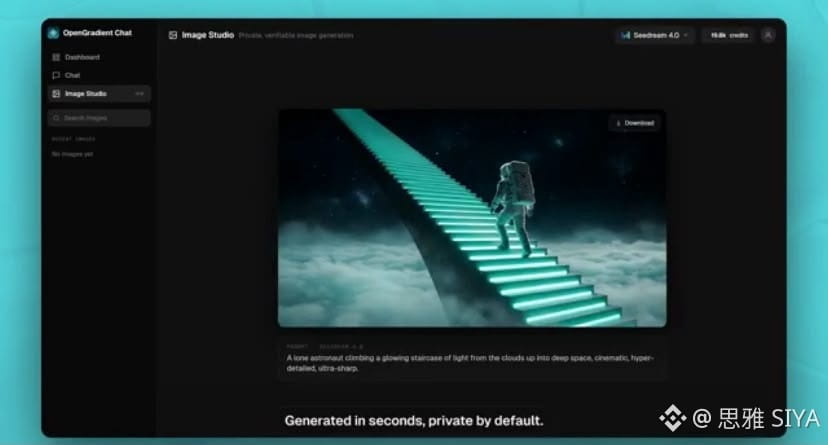
Seedream 4.0 على @OpenGradient لا يثير اهتمامي فقط لأنه يمكنه إنتاج مخرجات أكثر حدّة.
هذا الجزء متوقّع.
السؤال الحقيقي هو: ماذا يحدث عندما تصبح عملية التوليد أمراً عادياً.
عندما تبدأ ملايين المطالبات والتعديلات والإحالات والملفات الخاصة والمدفوعات بالتحرّك داخل نفس سير العمل الإبداعي، تصبح المشكلة ليست متعلقة بالجودة فقط.
تصبح مسألة بنية.
المطالبة ليست مجرد نص.
إنها بيانات المستخدم.
يمكن أن تكشف الذوق والنية والموقع والعمل لدى العميل والأفكار التجارية والذاكرة الشخصية أو شيئاً ما لا يزال غير مكتمل.
معظم المنصات تتعامل مع هذه البيانات كمدخل لنموذج.
يرى OpenGradient أنها شيئاً يحتاج إلى مسار مضبوط.
هذا الفرق مهم.
قد يكون Seedream 4.0 هو العامل الظاهر، لكن النظام الأعمق يتعلق بكيفية وصول الطلب إلى هذا العامل دون تحويل المستخدم إلى منتج.
يجب أن تتحرك البيانات فقط بالقدر اللازم.
يجب أن يحدث التنفيذ عبر مسار محمي.
يجب أن تتم تسوية الدفع قبل استهلاك الحوسبة.
يجب أن توجد أدلة دون إجبار كل مستخدم على الانتظار لِحظة صاخبة على البلوك تشين.
هنا تصبح البنية مثيرة للاهتمام.
يرى المستخدم استوديوً بسيطاً.
تحت ذلك، يجب على الشبكة أن تُجيب عن أسئلة أصعب.
هل تم توجيه الطلب بشكل خاص؟
هل تم التعامل مع التنفيذ عبر الطبقة المتوقعة؟
هل تم الدفع مقابل الوصول؟
هل يمكن التحقق من مسار الاستجابة بعد اكتمال العمل؟
وعندما تكون نسب الصورة الدقيقة أمراً بالغ الأهمية، هل يجب أن يحمل الملف النهائي التزامات أقوى أيضاً؟
هذا الحدّ مهم.
التوليد الخاص لا يعني فقط رسوماً أفضل مع آثار أقل.
إنه يعني فهم ما الذي يبقى محمياً، وما الذي يتم التحقق منه، وما الذي يتم الدفع مقابله، وما الذي ما زال يحتاج إلى إثبات صريح.
هنا يصبح OPG أكثر من مجرد مؤشر.
يربط التكلفة بالحوسبة.
المطالبة تدخل.
تعمل الاستدلالات.
يتم تسوية الدفع.
يمكن التحقق من الدلائل.
تصل النتيجة.
بسيط من الخارج.
صارم من الداخل.
وهذا هو الجزء الذي أعتقد أن الناس يفوتونه في OpenGradient.
$OPG #OPG
{spot}(OPGUSDT)
Seedream 4.0 على @OpenGradient لا يثير اهتمامي فقط لأنه يمكنه إنتاج مخرجات أكثر حدّة.
هذا الجزء متوقّع.
السؤال الحقيقي هو: ماذا يحدث عندما تصبح عملية التوليد أمراً عادياً.
عندما تبدأ ملايين المطالبات والتعديلات والإحالات والملفات الخاصة والمدفوعات بالتحرّك داخل نفس سير العمل الإبداعي، تصبح المشكلة ليست متعلقة بالجودة فقط.
تصبح مسألة بنية.
المطالبة ليست مجرد نص.
إنها بيانات المستخدم.
يمكن أن تكشف الذوق والنية والموقع والعمل لدى العميل والأفكار التجارية والذاكرة الشخصية أو شيئاً ما لا يزال غير مكتمل.
معظم المنصات تتعامل مع هذه البيانات كمدخل لنموذج.
يرى OpenGradient أنها شيئاً يحتاج إلى مسار مضبوط.
هذا الفرق مهم.
قد يكون Seedream 4.0 هو العامل الظاهر، لكن النظام الأعمق يتعلق بكيفية وصول الطلب إلى هذا العامل دون تحويل المستخدم إلى منتج.
يجب أن تتحرك البيانات فقط بالقدر اللازم.
يجب أن يحدث التنفيذ عبر مسار محمي.
يجب أن تتم تسوية الدفع قبل استهلاك الحوسبة.
يجب أن توجد أدلة دون إجبار كل مستخدم على الانتظار لِحظة صاخبة على البلوك تشين.
هنا تصبح البنية مثيرة للاهتمام.
يرى المستخدم استوديوً بسيطاً.
تحت ذلك، يجب على الشبكة أن تُجيب عن أسئلة أصعب.
هل تم توجيه الطلب بشكل خاص؟
هل تم التعامل مع التنفيذ عبر الطبقة المتوقعة؟
هل تم الدفع مقابل الوصول؟
هل يمكن التحقق من مسار الاستجابة بعد اكتمال العمل؟
وعندما تكون نسب الصورة الدقيقة أمراً بالغ الأهمية، هل يجب أن يحمل الملف النهائي التزامات أقوى أيضاً؟
هذا الحدّ مهم.
التوليد الخاص لا يعني فقط رسوماً أفضل مع آثار أقل.
إنه يعني فهم ما الذي يبقى محمياً، وما الذي يتم التحقق منه، وما الذي يتم الدفع مقابله، وما الذي ما زال يحتاج إلى إثبات صريح.
هنا يصبح OPG أكثر من مجرد مؤشر.
يربط التكلفة بالحوسبة.
المطالبة تدخل.
تعمل الاستدلالات.
يتم تسوية الدفع.
يمكن التحقق من الدلائل.
تصل النتيجة.
بسيط من الخارج.
صارم من الداخل.
وهذا هو الجزء الذي أعتقد أن الناس يفوتونه في OpenGradient.
$OPG #OPG
هذا الجزء متوقّع.
السؤال الحقيقي هو: ماذا يحدث عندما تصبح عملية التوليد أمراً عادياً.
عندما تبدأ ملايين المطالبات والتعديلات والإحالات والملفات الخاصة والمدفوعات بالتحرّك داخل نفس سير العمل الإبداعي، تصبح المشكلة ليست متعلقة بالجودة فقط.
تصبح مسألة بنية.
المطالبة ليست مجرد نص.
إنها بيانات المستخدم.
يمكن أن تكشف الذوق والنية والموقع والعمل لدى العميل والأفكار التجارية والذاكرة الشخصية أو شيئاً ما لا يزال غير مكتمل.
معظم المنصات تتعامل مع هذه البيانات كمدخل لنموذج.
يرى OpenGradient أنها شيئاً يحتاج إلى مسار مضبوط.
هذا الفرق مهم.
قد يكون Seedream 4.0 هو العامل الظاهر، لكن النظام الأعمق يتعلق بكيفية وصول الطلب إلى هذا العامل دون تحويل المستخدم إلى منتج.
يجب أن تتحرك البيانات فقط بالقدر اللازم.
يجب أن يحدث التنفيذ عبر مسار محمي.
يجب أن تتم تسوية الدفع قبل استهلاك الحوسبة.
يجب أن توجد أدلة دون إجبار كل مستخدم على الانتظار لِحظة صاخبة على البلوك تشين.
هنا تصبح البنية مثيرة للاهتمام.
يرى المستخدم استوديوً بسيطاً.
تحت ذلك، يجب على الشبكة أن تُجيب عن أسئلة أصعب.
هل تم توجيه الطلب بشكل خاص؟
هل تم التعامل مع التنفيذ عبر الطبقة المتوقعة؟
هل تم الدفع مقابل الوصول؟
هل يمكن التحقق من مسار الاستجابة بعد اكتمال العمل؟
وعندما تكون نسب الصورة الدقيقة أمراً بالغ الأهمية، هل يجب أن يحمل الملف النهائي التزامات أقوى أيضاً؟
هذا الحدّ مهم.
التوليد الخاص لا يعني فقط رسوماً أفضل مع آثار أقل.
إنه يعني فهم ما الذي يبقى محمياً، وما الذي يتم التحقق منه، وما الذي يتم الدفع مقابله، وما الذي ما زال يحتاج إلى إثبات صريح.
هنا يصبح OPG أكثر من مجرد مؤشر.
يربط التكلفة بالحوسبة.
المطالبة تدخل.
تعمل الاستدلالات.
يتم تسوية الدفع.
يمكن التحقق من الدلائل.
تصل النتيجة.
بسيط من الخارج.
صارم من الداخل.
وهذا هو الجزء الذي أعتقد أن الناس يفوتونه في OpenGradient.
$OPG #OPG
15
13
851
·
--
صاعد
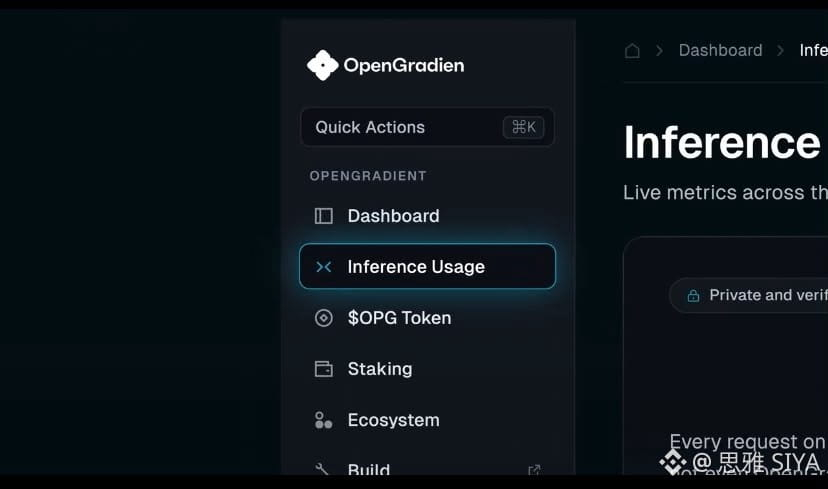
150,000 استنتاجات خاصة ليست مجرد رقم استخدام.
إنها اختبار ضغط.
لأنه بمجرد أن يبدأ الاستنتاج الخاص في العمل، تظهر الأسئلة الأصعب.
من رأى البيانات؟
من لمس التنفيذ؟
من يثبت أن الناتج جاء من المسار الصحيح؟
من يدفع ثمن تلك الثقة على نطاق واسع؟
هنا يصبح @OpenGradient مثيرًا للاهتمام بالنسبة لي.
النظام لا يعامل الخصوصية كطبقة تسويقية توضع بعد أن تكون الطلبات قد تم كشفها بالفعل.
إنه يغير المسار نفسه.
الطلب مشفر قبل أن يغادر جهاز المستخدم.
يمكن للRelay التعامل مع الاتصال، لكنه فقط ينقل بايتات OHTTP المغلقة.
يمكن لبوابة TEE فتح الطلب داخل منطقة موثوقة، لكنها لا تتلقى عنوان IP الأصلي للمستخدم بنفس الطريقة التي سيفعلها نقطة نهاية مزود عادي.
هذا الانفصال مهم.
الخصوصية لا تضيف لاحقًا.
إنها توضع في اللحظة التي يصبح فيها الطلب مفيدًا.
ثم يأتي الإثبات.
المنطقة لا تعيد ببساطة إجابة وتطلب من الجميع الوثوق بها.
إنها تنتج دليلًا موقعًا بأن البيئة المعتمدة قد تعاملت مع الطلب.
يمكن أن تحدث التحقق والتسوية بعد مسار الاستجابة السريع، بدلاً من إجبار المستخدم على الانتظار للحصول على تأكيد blockchain قبل الحصول على إجابة.
هذا يخلق الفصل الأنظف:
تظل البيانات محمية.
يظل التنفيذ معزولًا.
يسافر الإثبات إلى الخارج.
يحدث التحقق لاحقًا.
تتحرك التكلفة عبر OPG.
هذا هو التصميم السليم.
ليس صندوقًا كبيرًا أسود.
إنها خط أنابيب.
بالنسبة للمستخدمين، يعني ذلك أن الطلبات الحساسة يمكن أن تصبح قابلة للاستخدام مرة أخرى.
بالنسبة للبناة، يعني ذلك أن التطبيقات يمكن أن تضيف استنتاجًا خاصًا دون أن تصبح أمناء كاملين على سياق كل مستخدم الخام.
بالنسبة للشبكة، يعني ذلك أن OPG ليست مرتبطة فقط بالاهتمام.
إنها قريبة من الحوسبة، والدفع، والتحقق، والطلب.
الإشارة الحقيقية ليست فقط 150,000 وتزداد.
الإشارة هي أن الاستنتاج الخاص بدأ يتصرف كالبنية التحتية.
هادئ.
يمكن تكراره.
قابل للقياس.
هنا يصبح الأمر أكثر صعوبة في تجاهل الوعي الذهني.
$OPG #OPG
{spot}(OPGUSDT)
150,000 استنتاجات خاصة ليست مجرد رقم استخدام.
إنها اختبار ضغط.
لأنه بمجرد أن يبدأ الاستنتاج الخاص في العمل، تظهر الأسئلة الأصعب.
من رأى البيانات؟
من لمس التنفيذ؟
من يثبت أن الناتج جاء من المسار الصحيح؟
من يدفع ثمن تلك الثقة على نطاق واسع؟
هنا يصبح @OpenGradient مثيرًا للاهتمام بالنسبة لي.
النظام لا يعامل الخصوصية كطبقة تسويقية توضع بعد أن تكون الطلبات قد تم كشفها بالفعل.
إنه يغير المسار نفسه.
الطلب مشفر قبل أن يغادر جهاز المستخدم.
يمكن للRelay التعامل مع الاتصال، لكنه فقط ينقل بايتات OHTTP المغلقة.
يمكن لبوابة TEE فتح الطلب داخل منطقة موثوقة، لكنها لا تتلقى عنوان IP الأصلي للمستخدم بنفس الطريقة التي سيفعلها نقطة نهاية مزود عادي.
هذا الانفصال مهم.
الخصوصية لا تضيف لاحقًا.
إنها توضع في اللحظة التي يصبح فيها الطلب مفيدًا.
ثم يأتي الإثبات.
المنطقة لا تعيد ببساطة إجابة وتطلب من الجميع الوثوق بها.
إنها تنتج دليلًا موقعًا بأن البيئة المعتمدة قد تعاملت مع الطلب.
يمكن أن تحدث التحقق والتسوية بعد مسار الاستجابة السريع، بدلاً من إجبار المستخدم على الانتظار للحصول على تأكيد blockchain قبل الحصول على إجابة.
هذا يخلق الفصل الأنظف:
تظل البيانات محمية.
يظل التنفيذ معزولًا.
يسافر الإثبات إلى الخارج.
يحدث التحقق لاحقًا.
تتحرك التكلفة عبر OPG.
هذا هو التصميم السليم.
ليس صندوقًا كبيرًا أسود.
إنها خط أنابيب.
بالنسبة للمستخدمين، يعني ذلك أن الطلبات الحساسة يمكن أن تصبح قابلة للاستخدام مرة أخرى.
بالنسبة للبناة، يعني ذلك أن التطبيقات يمكن أن تضيف استنتاجًا خاصًا دون أن تصبح أمناء كاملين على سياق كل مستخدم الخام.
بالنسبة للشبكة، يعني ذلك أن OPG ليست مرتبطة فقط بالاهتمام.
إنها قريبة من الحوسبة، والدفع، والتحقق، والطلب.
الإشارة الحقيقية ليست فقط 150,000 وتزداد.
الإشارة هي أن الاستنتاج الخاص بدأ يتصرف كالبنية التحتية.
هادئ.
يمكن تكراره.
قابل للقياس.
هنا يصبح الأمر أكثر صعوبة في تجاهل الوعي الذهني.
$OPG #OPG
إنها اختبار ضغط.
لأنه بمجرد أن يبدأ الاستنتاج الخاص في العمل، تظهر الأسئلة الأصعب.
من رأى البيانات؟
من لمس التنفيذ؟
من يثبت أن الناتج جاء من المسار الصحيح؟
من يدفع ثمن تلك الثقة على نطاق واسع؟
هنا يصبح @OpenGradient مثيرًا للاهتمام بالنسبة لي.
النظام لا يعامل الخصوصية كطبقة تسويقية توضع بعد أن تكون الطلبات قد تم كشفها بالفعل.
إنه يغير المسار نفسه.
الطلب مشفر قبل أن يغادر جهاز المستخدم.
يمكن للRelay التعامل مع الاتصال، لكنه فقط ينقل بايتات OHTTP المغلقة.
يمكن لبوابة TEE فتح الطلب داخل منطقة موثوقة، لكنها لا تتلقى عنوان IP الأصلي للمستخدم بنفس الطريقة التي سيفعلها نقطة نهاية مزود عادي.
هذا الانفصال مهم.
الخصوصية لا تضيف لاحقًا.
إنها توضع في اللحظة التي يصبح فيها الطلب مفيدًا.
ثم يأتي الإثبات.
المنطقة لا تعيد ببساطة إجابة وتطلب من الجميع الوثوق بها.
إنها تنتج دليلًا موقعًا بأن البيئة المعتمدة قد تعاملت مع الطلب.
يمكن أن تحدث التحقق والتسوية بعد مسار الاستجابة السريع، بدلاً من إجبار المستخدم على الانتظار للحصول على تأكيد blockchain قبل الحصول على إجابة.
هذا يخلق الفصل الأنظف:
تظل البيانات محمية.
يظل التنفيذ معزولًا.
يسافر الإثبات إلى الخارج.
يحدث التحقق لاحقًا.
تتحرك التكلفة عبر OPG.
هذا هو التصميم السليم.
ليس صندوقًا كبيرًا أسود.
إنها خط أنابيب.
بالنسبة للمستخدمين، يعني ذلك أن الطلبات الحساسة يمكن أن تصبح قابلة للاستخدام مرة أخرى.
بالنسبة للبناة، يعني ذلك أن التطبيقات يمكن أن تضيف استنتاجًا خاصًا دون أن تصبح أمناء كاملين على سياق كل مستخدم الخام.
بالنسبة للشبكة، يعني ذلك أن OPG ليست مرتبطة فقط بالاهتمام.
إنها قريبة من الحوسبة، والدفع، والتحقق، والطلب.
الإشارة الحقيقية ليست فقط 150,000 وتزداد.
الإشارة هي أن الاستنتاج الخاص بدأ يتصرف كالبنية التحتية.
هادئ.
يمكن تكراره.
قابل للقياس.
هنا يصبح الأمر أكثر صعوبة في تجاهل الوعي الذهني.
$OPG #OPG
5
5
121
·
--
صاعد
HEI تظهر تصحيح بعد الضخ، لكن لم تظهر استمرار نظيف بعد. الشمعة عند 0.1465 كانت القمة، ثم رفض السعر في منطقة 0.1228 وارتد. الآن السعر حول 0.1317، تقريبًا تحت MA7 عند 0.1325. هذا مهم لأن الاتجاه الهابط يحاول التحول من دعم إلى مقاومة.
بالنسبة لـ HEI، سأراقب نطاق 0.1325–0.1362. استعادة تلك المنطقة تعطي المشترين مساحة لإعادة اختبار 0.1465. الفشل هناك يبقي الرسم البياني ثقيلًا ويعيد 0.1228 إلى الخطر. أسفل ذلك، يصبح MA25 بالقرب من 0.1109 هو المغناطيس التالي.
G هي بنية مختلفة. لقد شهدت بالفعل ارتفاع السيولة إلى 0.00354، ثم انخفضت، ثم قضت ساعات في بناء قاعدة حول 0.00281–0.00300. الشمعة الأخيرة تحاول الضغط فوق MA7 وMA25، وهو أمر بناء، لكن الحجم لا يزال ضعيفًا. لذا أعتبر هذا محاولة لاختراق الضغط، وليس زخم مؤكد.
HEI تحتاج إلى استعادة.
G تحتاج إلى تأكيد الحجم.
$HEI
{spot}(HEIUSDT)
$G
{spot}(GUSDT)
#G #HEl
هل هناك محفز تقني أنظف؟
HEI تظهر تصحيح بعد الضخ، لكن لم تظهر استمرار نظيف بعد. الشمعة عند 0.1465 كانت القمة، ثم رفض السعر في منطقة 0.1228 وارتد. الآن السعر حول 0.1317، تقريبًا تحت MA7 عند 0.1325. هذا مهم لأن الاتجاه الهابط يحاول التحول من دعم إلى مقاومة.
بالنسبة لـ HEI، سأراقب نطاق 0.1325–0.1362. استعادة تلك المنطقة تعطي المشترين مساحة لإعادة اختبار 0.1465. الفشل هناك يبقي الرسم البياني ثقيلًا ويعيد 0.1228 إلى الخطر. أسفل ذلك، يصبح MA25 بالقرب من 0.1109 هو المغناطيس التالي.
G هي بنية مختلفة. لقد شهدت بالفعل ارتفاع السيولة إلى 0.00354، ثم انخفضت، ثم قضت ساعات في بناء قاعدة حول 0.00281–0.00300. الشمعة الأخيرة تحاول الضغط فوق MA7 وMA25، وهو أمر بناء، لكن الحجم لا يزال ضعيفًا. لذا أعتبر هذا محاولة لاختراق الضغط، وليس زخم مؤكد.
HEI تحتاج إلى استعادة.
G تحتاج إلى تأكيد الحجم.
$HEI
$G
#G #HEl
هل هناك محفز تقني أنظف؟
بالنسبة لـ HEI، سأراقب نطاق 0.1325–0.1362. استعادة تلك المنطقة تعطي المشترين مساحة لإعادة اختبار 0.1465. الفشل هناك يبقي الرسم البياني ثقيلًا ويعيد 0.1228 إلى الخطر. أسفل ذلك، يصبح MA25 بالقرب من 0.1109 هو المغناطيس التالي.
G هي بنية مختلفة. لقد شهدت بالفعل ارتفاع السيولة إلى 0.00354، ثم انخفضت، ثم قضت ساعات في بناء قاعدة حول 0.00281–0.00300. الشمعة الأخيرة تحاول الضغط فوق MA7 وMA25، وهو أمر بناء، لكن الحجم لا يزال ضعيفًا. لذا أعتبر هذا محاولة لاختراق الضغط، وليس زخم مؤكد.
HEI تحتاج إلى استعادة.
G تحتاج إلى تأكيد الحجم.
$HEI
$G
#G #HEl
هل هناك محفز تقني أنظف؟
$HEI flips 0.1362
67%
$HEI loses 0.1228
0%
$G breaks 0.00320
0%
$G rejects under 0.00310
33%
3 الأصوات • تمّ إغلاق التصويت
2
494
·
--
صاعد
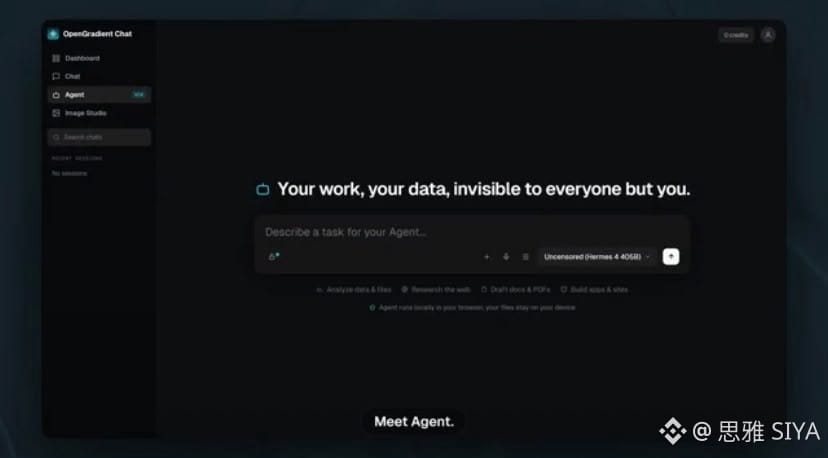
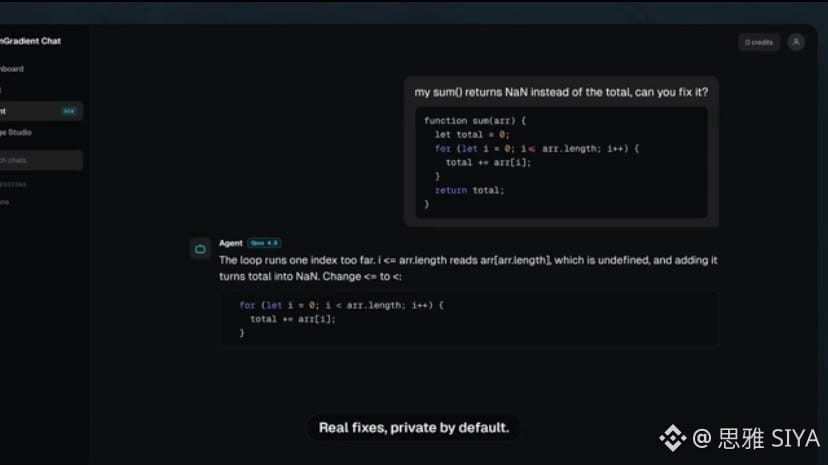
العميل جاهز للبث المباشر على @OpenGradient ليس مجرد تحديث أداة آخر.
إنه يغير مكان حدود الثقة.
معظم العملاء يصبحون مفيدين من خلال طلب المزيد من الوصول.
المزيد من الملفات. المزيد من السياق. المزيد من الإذن. المزيد من الذاكرة.
هذا يعمل حتى يصبح العميل قويًا حقًا.
ثم السؤال الحقيقي ليس:
هل يمكنه القيام بالمهمة؟
السؤال الحقيقي هو:
ماذا يحدث بعد أن يستطيع؟
هنا تصبح OPG مثيرة بالنسبة لي.
OpenGradient ليست محاولة لتحويل تطبيق ذكاء اصطناعي واحد إلى المكان الذي يجب أن يتم فيه الثقة بكل شيء دفعة واحدة.
إنها تفصل النظام.
لا تحتاج بيانات المستخدم إلى أن تصبح ملكية المنصة لمجرد أن العميل يحتاج إلى سياق.
يمكن أن يتحرك الطلب عبر مسار خاص.
الهوية ومحتوى الطلب ليست مقصودة لتكون في نفس المكان.
استدعاء النموذج يعمل من خلال تنفيذ محمي.
الإثبات والتحقق يتم التعامل معه بشكل منفصل.
تتم معالجة الدفع من خلال تدفق يمكن للآلة قراءته بدلاً من خطوة الفوترة اليدوية.
هذا هو التصميم المناسب.
ليس تطبيق ذكاء اصطناعي كبير واحد.
نظام مقسم.
كل طبقة لها وظيفة واحدة.
التعامل مع البيانات.
التنفيذ.
الإثبات.
التحقق.
الدفع.
يمكن أن يساعد العميل في مراجعة الوثائق، تنظيم الملاحظات الفوضوية، مقارنة المعلومات، تلخيص الملفات، إعداد المسودات، أو تحويل السياق المتناثر إلى شيء قابل للاستخدام.
لكن القيد الأعمق هو هذا:
يجب ألا يتطلب العمل المفيد تعرضًا كليًا.
هذا مهم في الحالات العادية أولاً.
طالب يعمل من خلال مواد الدراسة.
تاجر ينظف ملاحظات السوق الخاصة.
مؤسس يشكل فكرة منتج.
فريق يحول المناقشات الفوضوية إلى وثيقة واضحة.
مهام عادية.
سياق حساس.
هنا حيث تفشل العديد من العملاء بهدوء.
يطلبون الثقة قبل أن يكسبوها.
OpenGradient تحاول جعل الثقة أكثر ميكانيكية.
قم بتشغيل المهمة.
احمِ الإدخال.
استخدم المسار المصدق.
ارجع النتيجة بسرعة.
تحقق واستقر بعد ذلك.
سريعة حيث تهم السرعة.
قابلة للإثبات حيث تهم الثقة.
خاصة حيث تؤذي التسريبات.
هذا هو خيار التصميم الذي أعود إليه.
العميل هو التحديث المرئي.
الهندسة المعمارية هي المنتج الحقيقي.
$OPG
{spot}(OPGUSDT)
#OPG
العميل جاهز للبث المباشر على @OpenGradient ليس مجرد تحديث أداة آخر.
إنه يغير مكان حدود الثقة.
معظم العملاء يصبحون مفيدين من خلال طلب المزيد من الوصول.
المزيد من الملفات. المزيد من السياق. المزيد من الإذن. المزيد من الذاكرة.
هذا يعمل حتى يصبح العميل قويًا حقًا.
ثم السؤال الحقيقي ليس:
هل يمكنه القيام بالمهمة؟
السؤال الحقيقي هو:
ماذا يحدث بعد أن يستطيع؟
هنا تصبح OPG مثيرة بالنسبة لي.
OpenGradient ليست محاولة لتحويل تطبيق ذكاء اصطناعي واحد إلى المكان الذي يجب أن يتم فيه الثقة بكل شيء دفعة واحدة.
إنها تفصل النظام.
لا تحتاج بيانات المستخدم إلى أن تصبح ملكية المنصة لمجرد أن العميل يحتاج إلى سياق.
يمكن أن يتحرك الطلب عبر مسار خاص.
الهوية ومحتوى الطلب ليست مقصودة لتكون في نفس المكان.
استدعاء النموذج يعمل من خلال تنفيذ محمي.
الإثبات والتحقق يتم التعامل معه بشكل منفصل.
تتم معالجة الدفع من خلال تدفق يمكن للآلة قراءته بدلاً من خطوة الفوترة اليدوية.
هذا هو التصميم المناسب.
ليس تطبيق ذكاء اصطناعي كبير واحد.
نظام مقسم.
كل طبقة لها وظيفة واحدة.
التعامل مع البيانات.
التنفيذ.
الإثبات.
التحقق.
الدفع.
يمكن أن يساعد العميل في مراجعة الوثائق، تنظيم الملاحظات الفوضوية، مقارنة المعلومات، تلخيص الملفات، إعداد المسودات، أو تحويل السياق المتناثر إلى شيء قابل للاستخدام.
لكن القيد الأعمق هو هذا:
يجب ألا يتطلب العمل المفيد تعرضًا كليًا.
هذا مهم في الحالات العادية أولاً.
طالب يعمل من خلال مواد الدراسة.
تاجر ينظف ملاحظات السوق الخاصة.
مؤسس يشكل فكرة منتج.
فريق يحول المناقشات الفوضوية إلى وثيقة واضحة.
مهام عادية.
سياق حساس.
هنا حيث تفشل العديد من العملاء بهدوء.
يطلبون الثقة قبل أن يكسبوها.
OpenGradient تحاول جعل الثقة أكثر ميكانيكية.
قم بتشغيل المهمة.
احمِ الإدخال.
استخدم المسار المصدق.
ارجع النتيجة بسرعة.
تحقق واستقر بعد ذلك.
سريعة حيث تهم السرعة.
قابلة للإثبات حيث تهم الثقة.
خاصة حيث تؤذي التسريبات.
هذا هو خيار التصميم الذي أعود إليه.
العميل هو التحديث المرئي.
الهندسة المعمارية هي المنتج الحقيقي.
$OPG
#OPG
إنه يغير مكان حدود الثقة.
معظم العملاء يصبحون مفيدين من خلال طلب المزيد من الوصول.
المزيد من الملفات. المزيد من السياق. المزيد من الإذن. المزيد من الذاكرة.
هذا يعمل حتى يصبح العميل قويًا حقًا.
ثم السؤال الحقيقي ليس:
هل يمكنه القيام بالمهمة؟
السؤال الحقيقي هو:
ماذا يحدث بعد أن يستطيع؟
هنا تصبح OPG مثيرة بالنسبة لي.
OpenGradient ليست محاولة لتحويل تطبيق ذكاء اصطناعي واحد إلى المكان الذي يجب أن يتم فيه الثقة بكل شيء دفعة واحدة.
إنها تفصل النظام.
لا تحتاج بيانات المستخدم إلى أن تصبح ملكية المنصة لمجرد أن العميل يحتاج إلى سياق.
يمكن أن يتحرك الطلب عبر مسار خاص.
الهوية ومحتوى الطلب ليست مقصودة لتكون في نفس المكان.
استدعاء النموذج يعمل من خلال تنفيذ محمي.
الإثبات والتحقق يتم التعامل معه بشكل منفصل.
تتم معالجة الدفع من خلال تدفق يمكن للآلة قراءته بدلاً من خطوة الفوترة اليدوية.
هذا هو التصميم المناسب.
ليس تطبيق ذكاء اصطناعي كبير واحد.
نظام مقسم.
كل طبقة لها وظيفة واحدة.
التعامل مع البيانات.
التنفيذ.
الإثبات.
التحقق.
الدفع.
يمكن أن يساعد العميل في مراجعة الوثائق، تنظيم الملاحظات الفوضوية، مقارنة المعلومات، تلخيص الملفات، إعداد المسودات، أو تحويل السياق المتناثر إلى شيء قابل للاستخدام.
لكن القيد الأعمق هو هذا:
يجب ألا يتطلب العمل المفيد تعرضًا كليًا.
هذا مهم في الحالات العادية أولاً.
طالب يعمل من خلال مواد الدراسة.
تاجر ينظف ملاحظات السوق الخاصة.
مؤسس يشكل فكرة منتج.
فريق يحول المناقشات الفوضوية إلى وثيقة واضحة.
مهام عادية.
سياق حساس.
هنا حيث تفشل العديد من العملاء بهدوء.
يطلبون الثقة قبل أن يكسبوها.
OpenGradient تحاول جعل الثقة أكثر ميكانيكية.
قم بتشغيل المهمة.
احمِ الإدخال.
استخدم المسار المصدق.
ارجع النتيجة بسرعة.
تحقق واستقر بعد ذلك.
سريعة حيث تهم السرعة.
قابلة للإثبات حيث تهم الثقة.
خاصة حيث تؤذي التسريبات.
هذا هو خيار التصميم الذي أعود إليه.
العميل هو التحديث المرئي.
الهندسة المعمارية هي المنتج الحقيقي.
$OPG
#OPG
7
6
132
·
--
تمّ التحقق
كنت أعتقد أن الخصوصية في التطبيقات النموذجية تتعلق فقط بإخفاء المطالبات.
الآن أعتقد أن هذه هي الجزء السهل.
السؤال الحقيقي يبدأ بعد أن تعمل الإجابة.
ما الذي لمس البيانات؟
من قام بتنفيذها؟
هل يمكن لأحد إثبات المسار؟
من دفع مقابل المكالمة؟
ما الذي يتم تسجيله؟
هنا يصبح @OpenGradient أكثر إثارة للاهتمام بالنسبة لي.
لا تتعامل مع الخصوصية، التنفيذ، الإثبات، التحقق والتكلفة كوعود فوضوية داخل خادم موثوق.
إنها تفصل بينهم.
البيانات تتحرك أولاً.
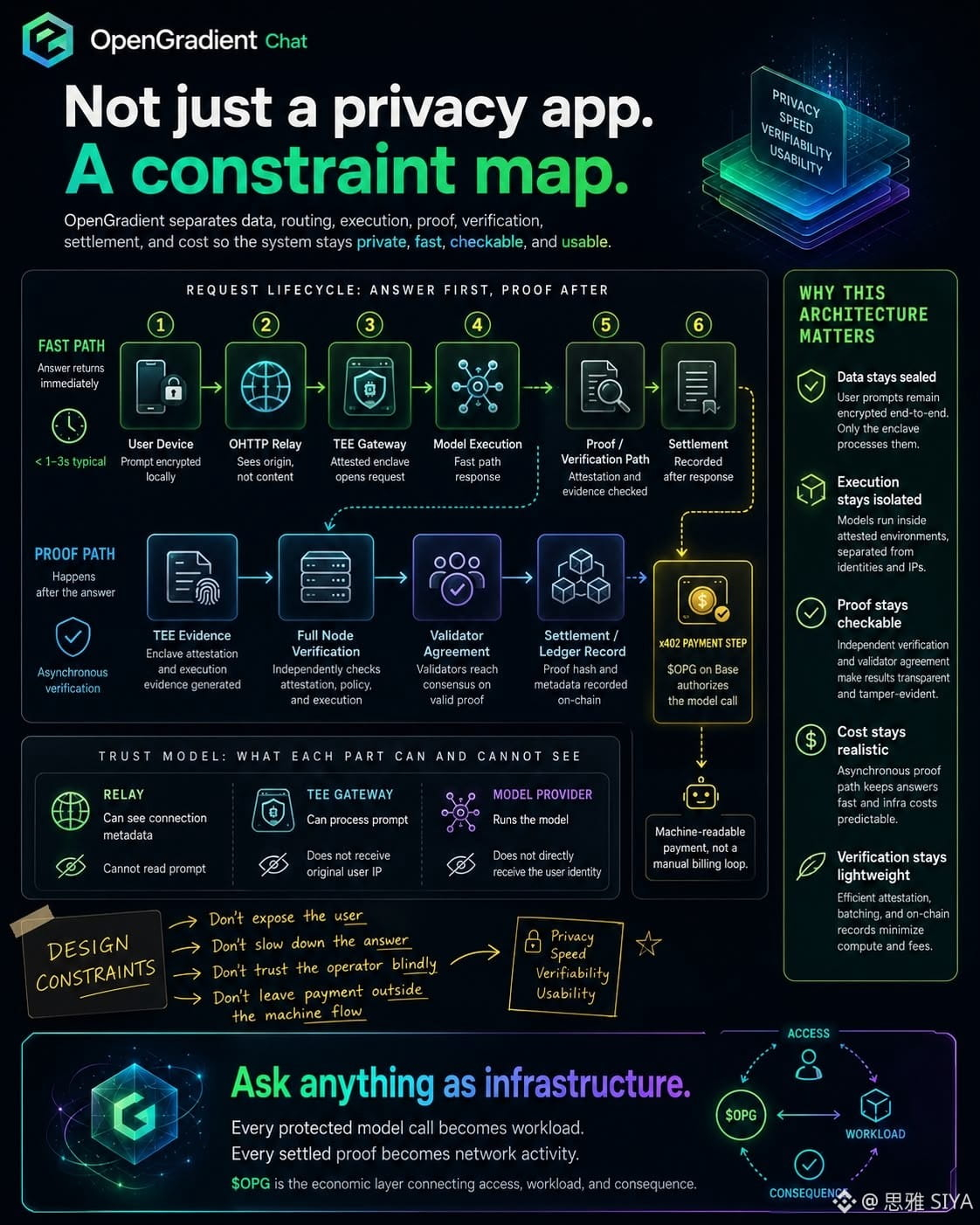
المطلب مشفر على الجهاز، لذا فإن المطالبة الخام ليست مكشوفة أثناء التحرك عبر السلسلة.
ثم التوجيه.
OHTTP تفصل الهوية عن المحتوى.
يمكن للمحول رؤية من أين جاءت الحركة، لكنه يقوم فقط بإعادة توجيه بايتات مختومة.
يمكن لبوابة TEE فتح الطلب داخل منطقة موثقة، لكنها لا تتلقى عنوان IP الأصلي للمستخدم.
لا توجد طبقة واحدة تهدف إلى احتواء الصورة الكاملة.
ثم التنفيذ.
تجري مكالمة النموذج من خلال المسار المحمي دون إجبار المستخدم على الانتظار للحصول على توافق blockchain قبل رؤية الإجابة.
ثم الإثبات.
النقطة ليست مجرد الخصوصية.
النقطة هي الأدلة على أن المسار المحمي تم استخدامه.
تحويل الإدلاء إلى شيء يمكن التحقق منه.
يبقى التحقق منفصلاً عن التنفيذ لأن إجبار المدققين على إعادة تشغيل مكالمات النموذج الثقيلة سيكسر نموذج التكلفة.
لذا يمكن أن تعود الاستجابة بسرعة.
يمكن أن يتمsettle الإثبات لاحقًا.
هذا الانقسام مهم.
التنفيذ من أجل السرعة.
الإثبات من أجل المساءلة.
التسوية من أجل إمكانية التدقيق.
التكلفة من أجل النطاق.
مع x402، تصبح مكالمة النموذج حدث HTTP مدفوع.
تتعامل OPG مع دفع استنتاج LLM على Base، بينما تتعامل OpenGradient مع تسجيل العقد، تنفيذ الاستنتاج، تسوية الإثبات والتحقق من خلال شبكتها الخاصة.
لذا فإن التصميم ليس مجرد تطبيق خصوصية.
إنه خريطة قيود.
لا تعرض المستخدم.
لا تبطئ الإجابة.
لا تثق بالموصل بشكل أعمى.
لا تجعل كل مدقق يكرر عمل GPU.
لا تترك الدفع خارج تدفق الآلة.
لهذا السبب تشعر OPG بأنها مهمة هنا.
ليس كشعار يجلس فوق الدردشة.
$OPG
{spot}(OPGUSDT)
#OPG
كنت أعتقد أن الخصوصية في التطبيقات النموذجية تتعلق فقط بإخفاء المطالبات.
الآن أعتقد أن هذه هي الجزء السهل.
السؤال الحقيقي يبدأ بعد أن تعمل الإجابة.
ما الذي لمس البيانات؟
من قام بتنفيذها؟
هل يمكن لأحد إثبات المسار؟
من دفع مقابل المكالمة؟
ما الذي يتم تسجيله؟
هنا يصبح @OpenGradient أكثر إثارة للاهتمام بالنسبة لي.
لا تتعامل مع الخصوصية، التنفيذ، الإثبات، التحقق والتكلفة كوعود فوضوية داخل خادم موثوق.
إنها تفصل بينهم.
البيانات تتحرك أولاً.
المطلب مشفر على الجهاز، لذا فإن المطالبة الخام ليست مكشوفة أثناء التحرك عبر السلسلة.
ثم التوجيه.
OHTTP تفصل الهوية عن المحتوى.
يمكن للمحول رؤية من أين جاءت الحركة، لكنه يقوم فقط بإعادة توجيه بايتات مختومة.
يمكن لبوابة TEE فتح الطلب داخل منطقة موثقة، لكنها لا تتلقى عنوان IP الأصلي للمستخدم.
لا توجد طبقة واحدة تهدف إلى احتواء الصورة الكاملة.
ثم التنفيذ.
تجري مكالمة النموذج من خلال المسار المحمي دون إجبار المستخدم على الانتظار للحصول على توافق blockchain قبل رؤية الإجابة.
ثم الإثبات.
النقطة ليست مجرد الخصوصية.
النقطة هي الأدلة على أن المسار المحمي تم استخدامه.
تحويل الإدلاء إلى شيء يمكن التحقق منه.
يبقى التحقق منفصلاً عن التنفيذ لأن إجبار المدققين على إعادة تشغيل مكالمات النموذج الثقيلة سيكسر نموذج التكلفة.
لذا يمكن أن تعود الاستجابة بسرعة.
يمكن أن يتمsettle الإثبات لاحقًا.
هذا الانقسام مهم.
التنفيذ من أجل السرعة.
الإثبات من أجل المساءلة.
التسوية من أجل إمكانية التدقيق.
التكلفة من أجل النطاق.
مع x402، تصبح مكالمة النموذج حدث HTTP مدفوع.
تتعامل OPG مع دفع استنتاج LLM على Base، بينما تتعامل OpenGradient مع تسجيل العقد، تنفيذ الاستنتاج، تسوية الإثبات والتحقق من خلال شبكتها الخاصة.
لذا فإن التصميم ليس مجرد تطبيق خصوصية.
إنه خريطة قيود.
لا تعرض المستخدم.
لا تبطئ الإجابة.
لا تثق بالموصل بشكل أعمى.
لا تجعل كل مدقق يكرر عمل GPU.
لا تترك الدفع خارج تدفق الآلة.
لهذا السبب تشعر OPG بأنها مهمة هنا.
ليس كشعار يجلس فوق الدردشة.
$OPG
#OPG
الآن أعتقد أن هذه هي الجزء السهل.
السؤال الحقيقي يبدأ بعد أن تعمل الإجابة.
ما الذي لمس البيانات؟
من قام بتنفيذها؟
هل يمكن لأحد إثبات المسار؟
من دفع مقابل المكالمة؟
ما الذي يتم تسجيله؟
هنا يصبح @OpenGradient أكثر إثارة للاهتمام بالنسبة لي.
لا تتعامل مع الخصوصية، التنفيذ، الإثبات، التحقق والتكلفة كوعود فوضوية داخل خادم موثوق.
إنها تفصل بينهم.
البيانات تتحرك أولاً.
المطلب مشفر على الجهاز، لذا فإن المطالبة الخام ليست مكشوفة أثناء التحرك عبر السلسلة.
ثم التوجيه.
OHTTP تفصل الهوية عن المحتوى.
يمكن للمحول رؤية من أين جاءت الحركة، لكنه يقوم فقط بإعادة توجيه بايتات مختومة.
يمكن لبوابة TEE فتح الطلب داخل منطقة موثقة، لكنها لا تتلقى عنوان IP الأصلي للمستخدم.
لا توجد طبقة واحدة تهدف إلى احتواء الصورة الكاملة.
ثم التنفيذ.
تجري مكالمة النموذج من خلال المسار المحمي دون إجبار المستخدم على الانتظار للحصول على توافق blockchain قبل رؤية الإجابة.
ثم الإثبات.
النقطة ليست مجرد الخصوصية.
النقطة هي الأدلة على أن المسار المحمي تم استخدامه.
تحويل الإدلاء إلى شيء يمكن التحقق منه.
يبقى التحقق منفصلاً عن التنفيذ لأن إجبار المدققين على إعادة تشغيل مكالمات النموذج الثقيلة سيكسر نموذج التكلفة.
لذا يمكن أن تعود الاستجابة بسرعة.
يمكن أن يتمsettle الإثبات لاحقًا.
هذا الانقسام مهم.
التنفيذ من أجل السرعة.
الإثبات من أجل المساءلة.
التسوية من أجل إمكانية التدقيق.
التكلفة من أجل النطاق.
مع x402، تصبح مكالمة النموذج حدث HTTP مدفوع.
تتعامل OPG مع دفع استنتاج LLM على Base، بينما تتعامل OpenGradient مع تسجيل العقد، تنفيذ الاستنتاج، تسوية الإثبات والتحقق من خلال شبكتها الخاصة.
لذا فإن التصميم ليس مجرد تطبيق خصوصية.
إنه خريطة قيود.
لا تعرض المستخدم.
لا تبطئ الإجابة.
لا تثق بالموصل بشكل أعمى.
لا تجعل كل مدقق يكرر عمل GPU.
لا تترك الدفع خارج تدفق الآلة.
لهذا السبب تشعر OPG بأنها مهمة هنا.
ليس كشعار يجلس فوق الدردشة.
$OPG
#OPG
19
22
1.6k
·
--
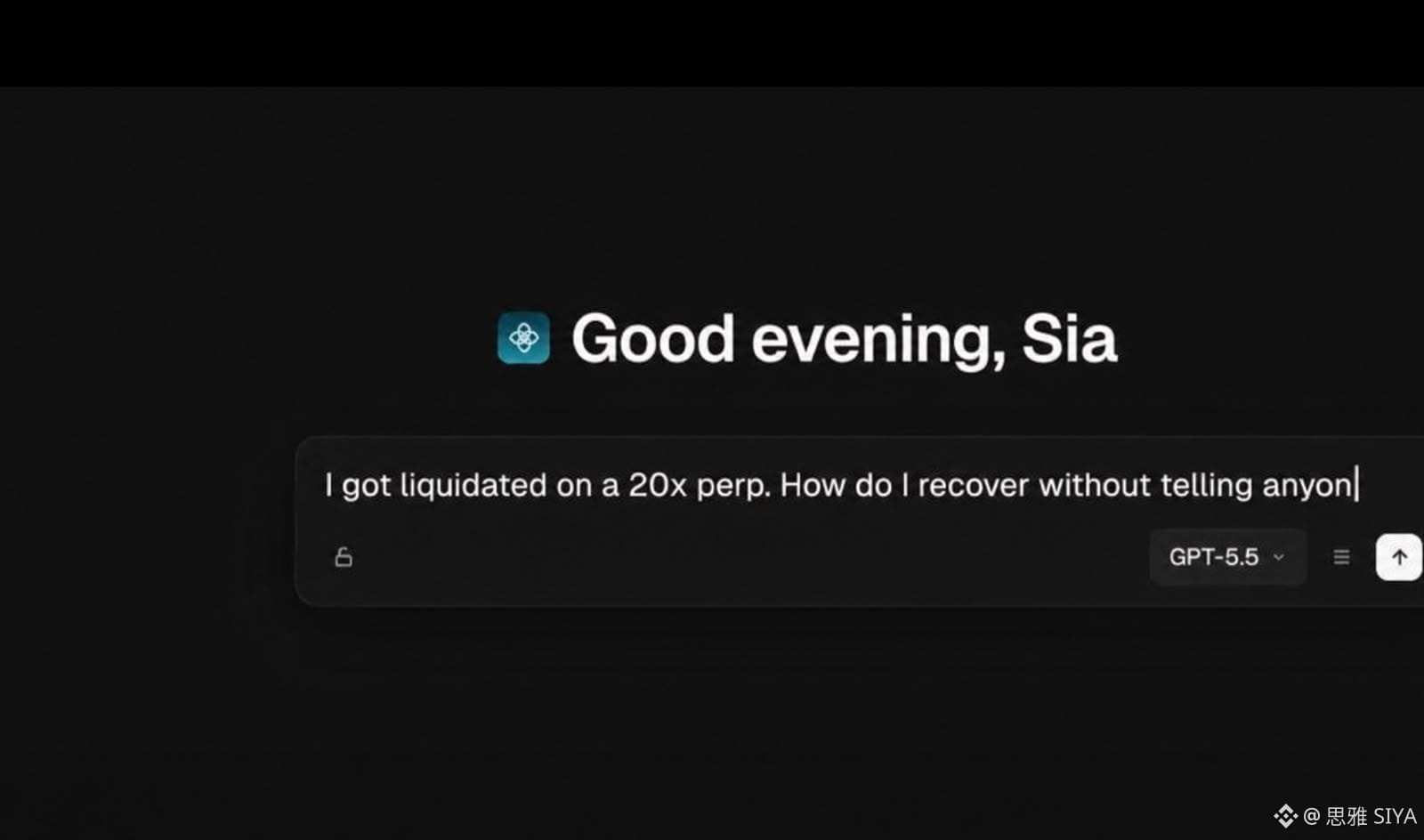
كلما نظرت إلى @OpenGradient ، كلما قلت رؤية تطبيق دردشة.
أرى نظام حدود.
معظم منتجات الذكاء الاصطناعي تقول: استخدم نماذج أفضل.
OpenGradient تطرح سؤالًا أعمق:
ماذا يحدث للمطالبة قبل أن يرى النموذج أي شيء؟
هذا هو القيد الحقيقي.
البيانات أولاً.
الطلب مشفر على الجهاز، لذا فإن السؤال الخام غير مكشوف بشكل عابر أثناء انتقاله عبر السلسلة.
ثم التوجيه.
OHTTP تفصل الهوية عن المحتوى.
يمكن للوسيط أن يرى من أين جاءت الحركة، لكنه فقط يعيد توجيه البايتات المغلقة.
يمكن لبوابة TEE فتح الطلب داخل مكان موثوق به، لكنها لا تتلقى عنوان IP الأصلي للمستخدم.
لا يُقصد من أي طبقة أن تحمل الصورة الكاملة.
هذا الانفصال الصغير يغير نموذج الثقة.
يحدث التنفيذ داخل المسار المحمي.
ليس في الوسيط.
ليس في الشبكة المفتوحة.
ليس كوعود عمياء من مشغل.
ثم يأتي الإثبات.
النقطة ليست مجرد الخصوصية.
النقطة هي الدليل على أن المسار المحمي قد تم استخدامه فعليًا.
التحقق يتحول من "ثق بنا" إلى شيء يمكن التحقق منه.
يتم الاحتفاظ بالتحقق منفصلًا عن التنفيذ لأن إجبار كل مُحقق على إعادة تشغيل مكالمات نماذج ثقيلة سيكسر نموذج التكلفة.
لذا OpenGradient تفصل المسار السريع عن مسار الإثبات.
يمكن أن تعود الاستجابة بسرعة.
يمكن أن يستقر الإثبات بعد ذلك.
هنا تصبح البنية مثيرة للاهتمام.
الخصوصية بدون قابلية الاستخدام تصبح تخصصًا.
التحقق بدون سرعة يصبح غير قابل للاستخدام.
التنفيذ الرخيص بدون إثبات يصبح سحابة عادية.
OpenGradient تحاول الحفاظ على الثلاثة في توتر.
تظل البيانات مغلقة.
يظل التنفيذ معزولًا.
يبقى الإثبات قابلًا للتحقق.
يظل التحقق خفيف الوزن.
تظل التكلفة واقعية.
بالنسبة لـ OPG، هذا هو الجزء الذي أتابعه.
قصة الرمز تصبح ذات معنى فقط إذا تحولت الاستدلالات الخاصة إلى استخدام متكرر، وليس مجرد شعار للخصوصية.
لكل مطالبة جدية قيمة.
كل مكالمة نموذج محمي تصبح عبئًا.
كل إثبات مستقر يصبح نشاطًا شبكيًا.
هذا هو الاستخدام الحقيقي.
لا تسأل أي شيء كميزة.
اسأل أي شيء كبنية تحتية.
#OPG $OPG
{spot}(OPGUSDT)
كلما نظرت إلى @OpenGradient ، كلما قلت رؤية تطبيق دردشة.
أرى نظام حدود.
معظم منتجات الذكاء الاصطناعي تقول: استخدم نماذج أفضل.
OpenGradient تطرح سؤالًا أعمق:
ماذا يحدث للمطالبة قبل أن يرى النموذج أي شيء؟
هذا هو القيد الحقيقي.
البيانات أولاً.
الطلب مشفر على الجهاز، لذا فإن السؤال الخام غير مكشوف بشكل عابر أثناء انتقاله عبر السلسلة.
ثم التوجيه.
OHTTP تفصل الهوية عن المحتوى.
يمكن للوسيط أن يرى من أين جاءت الحركة، لكنه فقط يعيد توجيه البايتات المغلقة.
يمكن لبوابة TEE فتح الطلب داخل مكان موثوق به، لكنها لا تتلقى عنوان IP الأصلي للمستخدم.
لا يُقصد من أي طبقة أن تحمل الصورة الكاملة.
هذا الانفصال الصغير يغير نموذج الثقة.
يحدث التنفيذ داخل المسار المحمي.
ليس في الوسيط.
ليس في الشبكة المفتوحة.
ليس كوعود عمياء من مشغل.
ثم يأتي الإثبات.
النقطة ليست مجرد الخصوصية.
النقطة هي الدليل على أن المسار المحمي قد تم استخدامه فعليًا.
التحقق يتحول من "ثق بنا" إلى شيء يمكن التحقق منه.
يتم الاحتفاظ بالتحقق منفصلًا عن التنفيذ لأن إجبار كل مُحقق على إعادة تشغيل مكالمات نماذج ثقيلة سيكسر نموذج التكلفة.
لذا OpenGradient تفصل المسار السريع عن مسار الإثبات.
يمكن أن تعود الاستجابة بسرعة.
يمكن أن يستقر الإثبات بعد ذلك.
هنا تصبح البنية مثيرة للاهتمام.
الخصوصية بدون قابلية الاستخدام تصبح تخصصًا.
التحقق بدون سرعة يصبح غير قابل للاستخدام.
التنفيذ الرخيص بدون إثبات يصبح سحابة عادية.
OpenGradient تحاول الحفاظ على الثلاثة في توتر.
تظل البيانات مغلقة.
يظل التنفيذ معزولًا.
يبقى الإثبات قابلًا للتحقق.
يظل التحقق خفيف الوزن.
تظل التكلفة واقعية.
بالنسبة لـ OPG، هذا هو الجزء الذي أتابعه.
قصة الرمز تصبح ذات معنى فقط إذا تحولت الاستدلالات الخاصة إلى استخدام متكرر، وليس مجرد شعار للخصوصية.
لكل مطالبة جدية قيمة.
كل مكالمة نموذج محمي تصبح عبئًا.
كل إثبات مستقر يصبح نشاطًا شبكيًا.
هذا هو الاستخدام الحقيقي.
لا تسأل أي شيء كميزة.
اسأل أي شيء كبنية تحتية.
#OPG $OPG
أرى نظام حدود.
معظم منتجات الذكاء الاصطناعي تقول: استخدم نماذج أفضل.
OpenGradient تطرح سؤالًا أعمق:
ماذا يحدث للمطالبة قبل أن يرى النموذج أي شيء؟
هذا هو القيد الحقيقي.
البيانات أولاً.
الطلب مشفر على الجهاز، لذا فإن السؤال الخام غير مكشوف بشكل عابر أثناء انتقاله عبر السلسلة.
ثم التوجيه.
OHTTP تفصل الهوية عن المحتوى.
يمكن للوسيط أن يرى من أين جاءت الحركة، لكنه فقط يعيد توجيه البايتات المغلقة.
يمكن لبوابة TEE فتح الطلب داخل مكان موثوق به، لكنها لا تتلقى عنوان IP الأصلي للمستخدم.
لا يُقصد من أي طبقة أن تحمل الصورة الكاملة.
هذا الانفصال الصغير يغير نموذج الثقة.
يحدث التنفيذ داخل المسار المحمي.
ليس في الوسيط.
ليس في الشبكة المفتوحة.
ليس كوعود عمياء من مشغل.
ثم يأتي الإثبات.
النقطة ليست مجرد الخصوصية.
النقطة هي الدليل على أن المسار المحمي قد تم استخدامه فعليًا.
التحقق يتحول من "ثق بنا" إلى شيء يمكن التحقق منه.
يتم الاحتفاظ بالتحقق منفصلًا عن التنفيذ لأن إجبار كل مُحقق على إعادة تشغيل مكالمات نماذج ثقيلة سيكسر نموذج التكلفة.
لذا OpenGradient تفصل المسار السريع عن مسار الإثبات.
يمكن أن تعود الاستجابة بسرعة.
يمكن أن يستقر الإثبات بعد ذلك.
هنا تصبح البنية مثيرة للاهتمام.
الخصوصية بدون قابلية الاستخدام تصبح تخصصًا.
التحقق بدون سرعة يصبح غير قابل للاستخدام.
التنفيذ الرخيص بدون إثبات يصبح سحابة عادية.
OpenGradient تحاول الحفاظ على الثلاثة في توتر.
تظل البيانات مغلقة.
يظل التنفيذ معزولًا.
يبقى الإثبات قابلًا للتحقق.
يظل التحقق خفيف الوزن.
تظل التكلفة واقعية.
بالنسبة لـ OPG، هذا هو الجزء الذي أتابعه.
قصة الرمز تصبح ذات معنى فقط إذا تحولت الاستدلالات الخاصة إلى استخدام متكرر، وليس مجرد شعار للخصوصية.
لكل مطالبة جدية قيمة.
كل مكالمة نموذج محمي تصبح عبئًا.
كل إثبات مستقر يصبح نشاطًا شبكيًا.
هذا هو الاستخدام الحقيقي.
لا تسأل أي شيء كميزة.
اسأل أي شيء كبنية تحتية.
#OPG $OPG
20
15
1.1k
·
--
صاعد
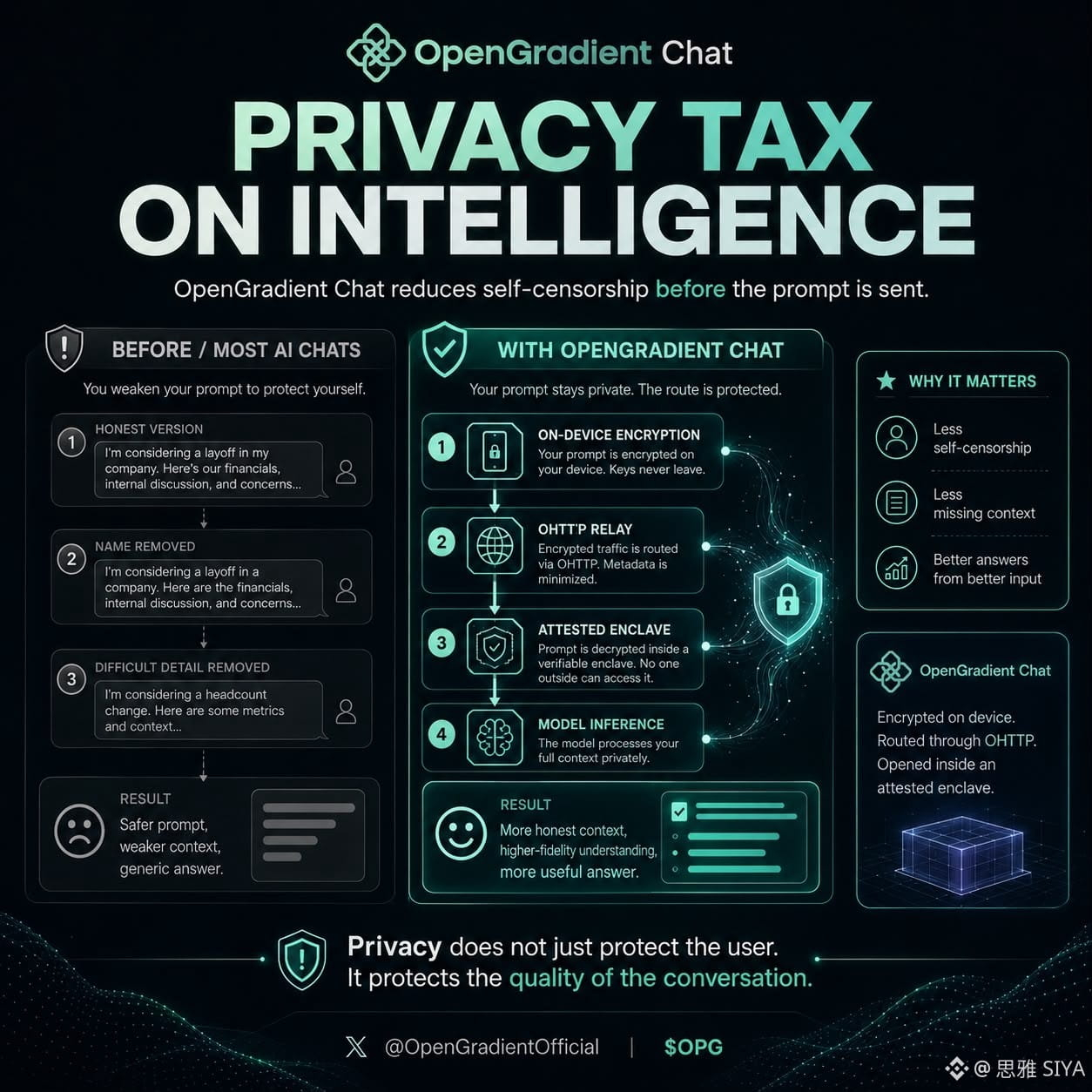
غيرت جملة واحدة ثلاث مرات قبل إرسالها إلى الذكاء الاصطناعي.
كانت النسخة الأولى صادقة.
حذفت الاسم في الثانية.
أزلت التفاصيل التي جعلت الوضع صعبًا في الثالثة.
عندما ضغطت على زر الإرسال، بدت السؤال هادئًا ومعقولًا.
لكن أفكاري الحقيقية لم تكن كذلك.
هذا جعلني ألاحظ تكلفة خفية في معظم محادثات الذكاء الاصطناعي.
قبل أن يساء فهمي، كنت قد خففت بالفعل من جودة مدخلاته.
أزيل الأسماء، والأرقام، والأخطاء، والسياق غير المريح لأنني لا أعرف مدى قرب الطلب من هويتي.
يتلقى النموذج نسخة أكثر أمانًا من الواقع.
ثم أتساءل لماذا تبدو الإجابة عامة.
أفكر في ذلك كضريبة خصوصية على الذكاء.
OpenGradient Chat يغير تلك المعادلة بالنسبة لي.
الطلب مشفر على جهازي، يُنقل عبر قناة OHTTP ويفتح داخل منطقة موثوقة. يتلقى مزود النموذج الطلب من تلك المسار المحمي بدلاً من أن يأتي مباشرة من هويتي.
الهندسة معقدة.
أثر المنتج شخصي.
أقضي وقتًا أقل في تحويل مشكلة حقيقية إلى شيء آمن بما يكفي للتقديم.
هذا لا يجعل النموذج ذكيًا بشكل سحري.
إنه يحسن دقة ما يُسمح للنموذج بفهمه.
@OpenGradient جعلني أدرك أن الخصوصية ليست فقط حماية ضد التسريبات أو التصنيف.
يمكن أن تحمي جودة المحادثة نفسها.
أقل رقابة ذاتية تعني سياقًا أقل مفقودًا.
سياق أقل مفقود يعني إجابة أكثر فائدة.
المعيار الحقيقي قد لا يكون ما إذا كان الذكاء الاصطناعي يبدو ذكيًا بعد تلقي الطلب.
قد يكون ما إذا كان النظام يجعل الناس يشعرون بالراحة الكافية لإرسال الطلب الذي يحتاجه الذكاء فعلاً.
هل ستتحسن إجابات الذكاء الاصطناعي لديك إذا توقفت عن دفع ضريبة الخصوصية قبل الضغط على إرسال؟
هذا هو المنفعة المهمة وراء $OPG
{spot}(OPGUSDT)
#OPG
غيرت جملة واحدة ثلاث مرات قبل إرسالها إلى الذكاء الاصطناعي.
كانت النسخة الأولى صادقة.
حذفت الاسم في الثانية.
أزلت التفاصيل التي جعلت الوضع صعبًا في الثالثة.
عندما ضغطت على زر الإرسال، بدت السؤال هادئًا ومعقولًا.
لكن أفكاري الحقيقية لم تكن كذلك.
هذا جعلني ألاحظ تكلفة خفية في معظم محادثات الذكاء الاصطناعي.
قبل أن يساء فهمي، كنت قد خففت بالفعل من جودة مدخلاته.
أزيل الأسماء، والأرقام، والأخطاء، والسياق غير المريح لأنني لا أعرف مدى قرب الطلب من هويتي.
يتلقى النموذج نسخة أكثر أمانًا من الواقع.
ثم أتساءل لماذا تبدو الإجابة عامة.
أفكر في ذلك كضريبة خصوصية على الذكاء.
OpenGradient Chat يغير تلك المعادلة بالنسبة لي.
الطلب مشفر على جهازي، يُنقل عبر قناة OHTTP ويفتح داخل منطقة موثوقة. يتلقى مزود النموذج الطلب من تلك المسار المحمي بدلاً من أن يأتي مباشرة من هويتي.
الهندسة معقدة.
أثر المنتج شخصي.
أقضي وقتًا أقل في تحويل مشكلة حقيقية إلى شيء آمن بما يكفي للتقديم.
هذا لا يجعل النموذج ذكيًا بشكل سحري.
إنه يحسن دقة ما يُسمح للنموذج بفهمه.
@OpenGradient جعلني أدرك أن الخصوصية ليست فقط حماية ضد التسريبات أو التصنيف.
يمكن أن تحمي جودة المحادثة نفسها.
أقل رقابة ذاتية تعني سياقًا أقل مفقودًا.
سياق أقل مفقود يعني إجابة أكثر فائدة.
المعيار الحقيقي قد لا يكون ما إذا كان الذكاء الاصطناعي يبدو ذكيًا بعد تلقي الطلب.
قد يكون ما إذا كان النظام يجعل الناس يشعرون بالراحة الكافية لإرسال الطلب الذي يحتاجه الذكاء فعلاً.
هل ستتحسن إجابات الذكاء الاصطناعي لديك إذا توقفت عن دفع ضريبة الخصوصية قبل الضغط على إرسال؟
هذا هو المنفعة المهمة وراء $OPG
#OPG
كانت النسخة الأولى صادقة.
حذفت الاسم في الثانية.
أزلت التفاصيل التي جعلت الوضع صعبًا في الثالثة.
عندما ضغطت على زر الإرسال، بدت السؤال هادئًا ومعقولًا.
لكن أفكاري الحقيقية لم تكن كذلك.
هذا جعلني ألاحظ تكلفة خفية في معظم محادثات الذكاء الاصطناعي.
قبل أن يساء فهمي، كنت قد خففت بالفعل من جودة مدخلاته.
أزيل الأسماء، والأرقام، والأخطاء، والسياق غير المريح لأنني لا أعرف مدى قرب الطلب من هويتي.
يتلقى النموذج نسخة أكثر أمانًا من الواقع.
ثم أتساءل لماذا تبدو الإجابة عامة.
أفكر في ذلك كضريبة خصوصية على الذكاء.
OpenGradient Chat يغير تلك المعادلة بالنسبة لي.
الطلب مشفر على جهازي، يُنقل عبر قناة OHTTP ويفتح داخل منطقة موثوقة. يتلقى مزود النموذج الطلب من تلك المسار المحمي بدلاً من أن يأتي مباشرة من هويتي.
الهندسة معقدة.
أثر المنتج شخصي.
أقضي وقتًا أقل في تحويل مشكلة حقيقية إلى شيء آمن بما يكفي للتقديم.
هذا لا يجعل النموذج ذكيًا بشكل سحري.
إنه يحسن دقة ما يُسمح للنموذج بفهمه.
@OpenGradient جعلني أدرك أن الخصوصية ليست فقط حماية ضد التسريبات أو التصنيف.
يمكن أن تحمي جودة المحادثة نفسها.
أقل رقابة ذاتية تعني سياقًا أقل مفقودًا.
سياق أقل مفقود يعني إجابة أكثر فائدة.
المعيار الحقيقي قد لا يكون ما إذا كان الذكاء الاصطناعي يبدو ذكيًا بعد تلقي الطلب.
قد يكون ما إذا كان النظام يجعل الناس يشعرون بالراحة الكافية لإرسال الطلب الذي يحتاجه الذكاء فعلاً.
هل ستتحسن إجابات الذكاء الاصطناعي لديك إذا توقفت عن دفع ضريبة الخصوصية قبل الضغط على إرسال؟
هذا هو المنفعة المهمة وراء $OPG
#OPG
1
5
127
·
--
صاعد
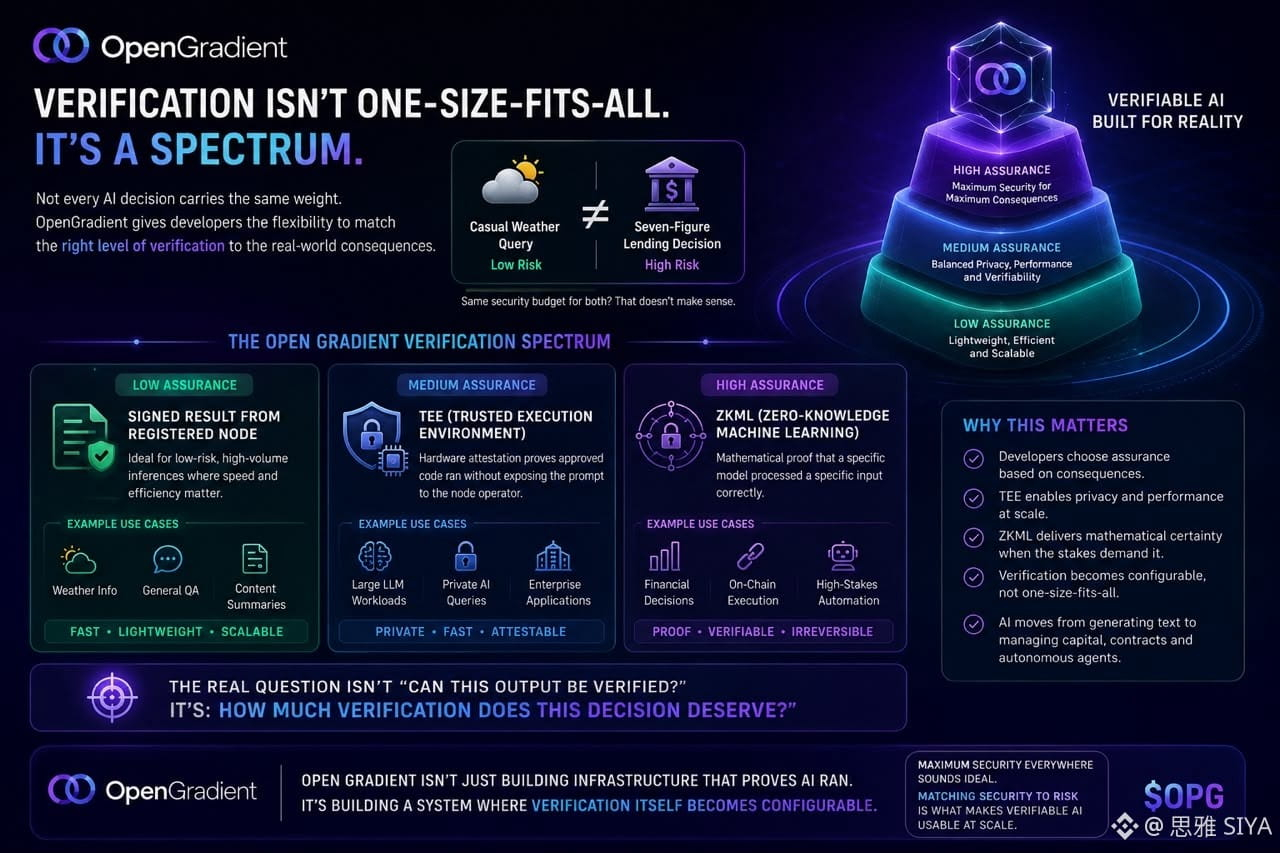
كنت أعتقد أن الذكاء الاصطناعي القابل للتحقق يعني اختيار أقوى إثبات متاح وتطبيقه على كل شيء.
لكن ذلك سيكون مثل حماية استعلام عادي عن الطقس وقرار إقراض بمبلغ سبعة أرقام بنفس ميزانية الأمان.
تأخذ @OpenGradient l نهجًا أكثر عملية.
يدعم هيكلها طيفًا من التحقق.
يمكن أن يعتمد استنتاج منخفض المخاطر على نتيجة موقعة من عقد مسجل.
يمكن أن يعمل عبء العمل الكبير لنموذج اللغة الكبيرة داخل TEE، حيث يثبت التحقق من الأجهزة أن الكود المعتمد تعامل مع الطلب دون الكشف عن المحفز لمشغل العقدة.
يمكن أن يستخدم نموذج مالي أو تحليلي أصغر ZKML، مما يوفر إثباتًا رياضيًا بأن نموذجًا معينًا عالج إدخالًا معينًا بشكل صحيح.
الجزء المهم هو ليس أن طريقة واحدة تحل محل الأخرى.
لكن المطورين يمكنهم اختيار الضمان بناءً على العواقب.
يعمل TEE حيث تهم الخصوصية والأداء، خاصة عندما يكون إثبات نموذج ضخم بدون معرفة سيكون مكلفًا جدًا.
تزداد قيمة ZKML عندما قد يؤدي الإخراج مباشرةً إلى إجراء لا رجعة فيه ويبرر اليقين الحسابي الأقوى العبء الإضافي.
هذا جعلني أرى OpenGradient بشكل مختلف.
إنها لا تبني فقط بنية تحتية تثبت أن الذكاء الاصطناعي تم تشغيله.
إنها تبني نظامًا حيث يصبح التحقق نفسه قابلًا للتكوين.
السؤال الحقيقي لتطبيق الذكاء الاصطناعي لم يعد ببساطة:
هل يمكن التحقق من هذا الإخراج؟
بل يصبح:
كم من التحقق يستحقه هذا القرار المعين؟
هذا التمييز مهم مع انتقال الذكاء الاصطناعي من إنتاج النصوص إلى التحكم في رأس المال والعقود والوكلاء المستقلين.
أقصى أمان في كل مكان يبدو مثاليًا.
تطابق الأمان مع المخاطر هو ما قد يجعل الذكاء الاصطناعي القابل للتحقق قابلًا للاستخدام على نطاق واسع.
يمكن أن تصبح هذه المرونة واحدة من أهم أجزاء بنية OPG.
$OPG #OPG
{spot}(OPGUSDT)
كنت أعتقد أن الذكاء الاصطناعي القابل للتحقق يعني اختيار أقوى إثبات متاح وتطبيقه على كل شيء.
لكن ذلك سيكون مثل حماية استعلام عادي عن الطقس وقرار إقراض بمبلغ سبعة أرقام بنفس ميزانية الأمان.
تأخذ @OpenGradient l نهجًا أكثر عملية.
يدعم هيكلها طيفًا من التحقق.
يمكن أن يعتمد استنتاج منخفض المخاطر على نتيجة موقعة من عقد مسجل.
يمكن أن يعمل عبء العمل الكبير لنموذج اللغة الكبيرة داخل TEE، حيث يثبت التحقق من الأجهزة أن الكود المعتمد تعامل مع الطلب دون الكشف عن المحفز لمشغل العقدة.
يمكن أن يستخدم نموذج مالي أو تحليلي أصغر ZKML، مما يوفر إثباتًا رياضيًا بأن نموذجًا معينًا عالج إدخالًا معينًا بشكل صحيح.
الجزء المهم هو ليس أن طريقة واحدة تحل محل الأخرى.
لكن المطورين يمكنهم اختيار الضمان بناءً على العواقب.
يعمل TEE حيث تهم الخصوصية والأداء، خاصة عندما يكون إثبات نموذج ضخم بدون معرفة سيكون مكلفًا جدًا.
تزداد قيمة ZKML عندما قد يؤدي الإخراج مباشرةً إلى إجراء لا رجعة فيه ويبرر اليقين الحسابي الأقوى العبء الإضافي.
هذا جعلني أرى OpenGradient بشكل مختلف.
إنها لا تبني فقط بنية تحتية تثبت أن الذكاء الاصطناعي تم تشغيله.
إنها تبني نظامًا حيث يصبح التحقق نفسه قابلًا للتكوين.
السؤال الحقيقي لتطبيق الذكاء الاصطناعي لم يعد ببساطة:
هل يمكن التحقق من هذا الإخراج؟
بل يصبح:
كم من التحقق يستحقه هذا القرار المعين؟
هذا التمييز مهم مع انتقال الذكاء الاصطناعي من إنتاج النصوص إلى التحكم في رأس المال والعقود والوكلاء المستقلين.
أقصى أمان في كل مكان يبدو مثاليًا.
تطابق الأمان مع المخاطر هو ما قد يجعل الذكاء الاصطناعي القابل للتحقق قابلًا للاستخدام على نطاق واسع.
يمكن أن تصبح هذه المرونة واحدة من أهم أجزاء بنية OPG.
$OPG #OPG
لكن ذلك سيكون مثل حماية استعلام عادي عن الطقس وقرار إقراض بمبلغ سبعة أرقام بنفس ميزانية الأمان.
تأخذ @OpenGradient l نهجًا أكثر عملية.
يدعم هيكلها طيفًا من التحقق.
يمكن أن يعتمد استنتاج منخفض المخاطر على نتيجة موقعة من عقد مسجل.
يمكن أن يعمل عبء العمل الكبير لنموذج اللغة الكبيرة داخل TEE، حيث يثبت التحقق من الأجهزة أن الكود المعتمد تعامل مع الطلب دون الكشف عن المحفز لمشغل العقدة.
يمكن أن يستخدم نموذج مالي أو تحليلي أصغر ZKML، مما يوفر إثباتًا رياضيًا بأن نموذجًا معينًا عالج إدخالًا معينًا بشكل صحيح.
الجزء المهم هو ليس أن طريقة واحدة تحل محل الأخرى.
لكن المطورين يمكنهم اختيار الضمان بناءً على العواقب.
يعمل TEE حيث تهم الخصوصية والأداء، خاصة عندما يكون إثبات نموذج ضخم بدون معرفة سيكون مكلفًا جدًا.
تزداد قيمة ZKML عندما قد يؤدي الإخراج مباشرةً إلى إجراء لا رجعة فيه ويبرر اليقين الحسابي الأقوى العبء الإضافي.
هذا جعلني أرى OpenGradient بشكل مختلف.
إنها لا تبني فقط بنية تحتية تثبت أن الذكاء الاصطناعي تم تشغيله.
إنها تبني نظامًا حيث يصبح التحقق نفسه قابلًا للتكوين.
السؤال الحقيقي لتطبيق الذكاء الاصطناعي لم يعد ببساطة:
هل يمكن التحقق من هذا الإخراج؟
بل يصبح:
كم من التحقق يستحقه هذا القرار المعين؟
هذا التمييز مهم مع انتقال الذكاء الاصطناعي من إنتاج النصوص إلى التحكم في رأس المال والعقود والوكلاء المستقلين.
أقصى أمان في كل مكان يبدو مثاليًا.
تطابق الأمان مع المخاطر هو ما قد يجعل الذكاء الاصطناعي القابل للتحقق قابلًا للاستخدام على نطاق واسع.
يمكن أن تصبح هذه المرونة واحدة من أهم أجزاء بنية OPG.
$OPG #OPG
2
4
167
·
--
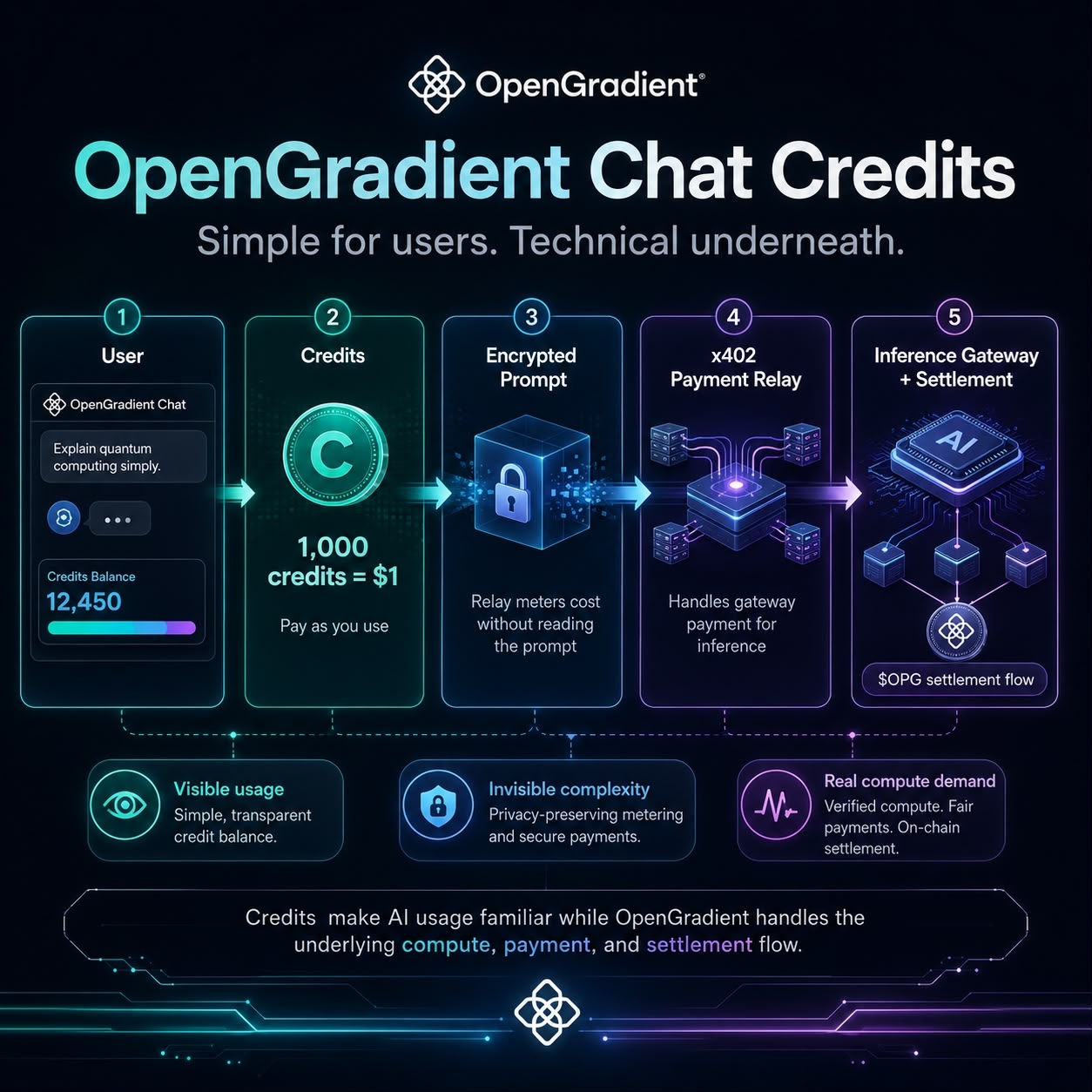
كان رصيد الائتمان داخل @OpenGradient Chat يبدو عاديًا للغاية لدرجة أنه قد لا يهم.\nثم أدركت أن هذه قد تكون الحيلة الذكية.\nلا أريد أن أفكر في المحافظ، أو موافقات الرموز، أو الغاز، أو تسويات المدفوعات في كل مرة أطلب فيها من AI تحليل شيء ما.\nأريد اختيار نموذج، ورؤية رصيدي، وفهم تقريبا ما تكلفه الطلبات.\nفي chat.opengradient.ai، 1,000 رصيد يساوي 1 دولار. النماذج المختلفة والمحادثات الأطول تستهلك كميات مختلفة، لذا يتصرف الرصيد مثل عداد المرافق بدلاً من كونه اشتراكًا شهريًا آخر.\nبسيط للمستخدم.\nلكن الاقتصاديات لم تختفِ.\nكل استجابة لا تزال تستهلك حسابات. النماذج المتقدمة تكلف أكثر للتشغيل. السياق الأطول يتطلب معالجة أكثر. لا يزال يجب تنفيذ الطلب والتحقق منه ودفع ثمنه في مكان ما تحت الواجهة.\nOpenGradient تفصل تلك المسؤوليات.\nيدفع المستخدم من خلال أرصدة مألوفة.\nيمكن للمرسل قياس التكلفة دون قراءة الطلب المشفر. ثم يتعامل مع الدفع x402 المطلوب لبوابة الأداء، بينما يجلس OPG داخل تدفق التسوية الأساسي.\nتعقيد الدفع لم يختفِ.\nلقد تغير ببساطة الملاك.\nهذا ما يجعل التصميم مثيرًا للاهتمام بالنسبة لي.\nالمستخدمون ليسوا مضطرين لفهم الكريبتو قبل طرح سؤالهم الأول، لكن الشبكة لا تضطر للتظاهر بأن حسابات AI مجانية.\nالاختبار الحقيقي هو ما إذا كانت الأرصدة تصبح طبيعية لدرجة أن الناس بالكاد يلاحظون طبقة الدفع، بينما لا يزال الاستخدام المتكرر ينتج طلبًا ملحوظًا على الاستدلال تحت السطح.\nهل تفضل الدفع فقط عندما تستخدم AI، أم الاحتفاظ باشتراك آخر يعمل كل شهر؟\nقد يصبح هذا الجسر بين التعقيد غير المرئي والاستخدام المرئي جزءًا مهمًا من اقتصاد OPG.\n$OPG \n{spot}(OPGUSDT)\n#OPG
كان رصيد الائتمان داخل @OpenGradient Chat يبدو عاديًا للغاية لدرجة أنه قد لا يهم.\nثم أدركت أن هذه قد تكون الحيلة الذكية.\nلا أريد أن أفكر في المحافظ، أو موافقات الرموز، أو الغاز، أو تسويات المدفوعات في كل مرة أطلب فيها من AI تحليل شيء ما.\nأريد اختيار نموذج، ورؤية رصيدي، وفهم تقريبا ما تكلفه الطلبات.\nفي chat.opengradient.ai، 1,000 رصيد يساوي 1 دولار. النماذج المختلفة والمحادثات الأطول تستهلك كميات مختلفة، لذا يتصرف الرصيد مثل عداد المرافق بدلاً من كونه اشتراكًا شهريًا آخر.\nبسيط للمستخدم.\nلكن الاقتصاديات لم تختفِ.\nكل استجابة لا تزال تستهلك حسابات. النماذج المتقدمة تكلف أكثر للتشغيل. السياق الأطول يتطلب معالجة أكثر. لا يزال يجب تنفيذ الطلب والتحقق منه ودفع ثمنه في مكان ما تحت الواجهة.\nOpenGradient تفصل تلك المسؤوليات.\nيدفع المستخدم من خلال أرصدة مألوفة.\nيمكن للمرسل قياس التكلفة دون قراءة الطلب المشفر. ثم يتعامل مع الدفع x402 المطلوب لبوابة الأداء، بينما يجلس OPG داخل تدفق التسوية الأساسي.\nتعقيد الدفع لم يختفِ.\nلقد تغير ببساطة الملاك.\nهذا ما يجعل التصميم مثيرًا للاهتمام بالنسبة لي.\nالمستخدمون ليسوا مضطرين لفهم الكريبتو قبل طرح سؤالهم الأول، لكن الشبكة لا تضطر للتظاهر بأن حسابات AI مجانية.\nالاختبار الحقيقي هو ما إذا كانت الأرصدة تصبح طبيعية لدرجة أن الناس بالكاد يلاحظون طبقة الدفع، بينما لا يزال الاستخدام المتكرر ينتج طلبًا ملحوظًا على الاستدلال تحت السطح.\nهل تفضل الدفع فقط عندما تستخدم AI، أم الاحتفاظ باشتراك آخر يعمل كل شهر؟\nقد يصبح هذا الجسر بين التعقيد غير المرئي والاستخدام المرئي جزءًا مهمًا من اقتصاد OPG.\n$OPG \n\n#OPG
3
4
220
·
--
فتحت OpenGradient Chat لمقارنة إجابتين. في منتصف الطريق، أدركت أنني كنت أستخدم الشبكة بالفعل دون التفكير فيها.
لم أكن وصلت إلى chat.opengradient.ai لدراسة عقد الاستدلال، أو شهادات TEE أو تسوية الإثبات. كان لدي سؤال وأردت إجابة مفيدة.
قد يبدو ذلك واضحًا، لكن ذلك غير كيف أرى استراتيجية توزيع OpenGradient.
غالبًا ما تقدم مشاريع البنية التحتية للذكاء الاصطناعي نفسها من الداخل للخارج. تشرح تصميم العقد، وطريقة التحقق، وطبقة التسوية، ثم تتوقع من المستخدمين العاديين أن يجدوا سببًا للاهتمام.
ومعظمهم لن يفعل.
إنهم يهتمون بما إذا كانت الإجابة تساعد، وما إذا كانت المحادثة تبدو خاصة، وما إذا كان المنتج يستحق إعادة فتحه غدًا.
OpenGradient Chat يعكس هذا الأمر.
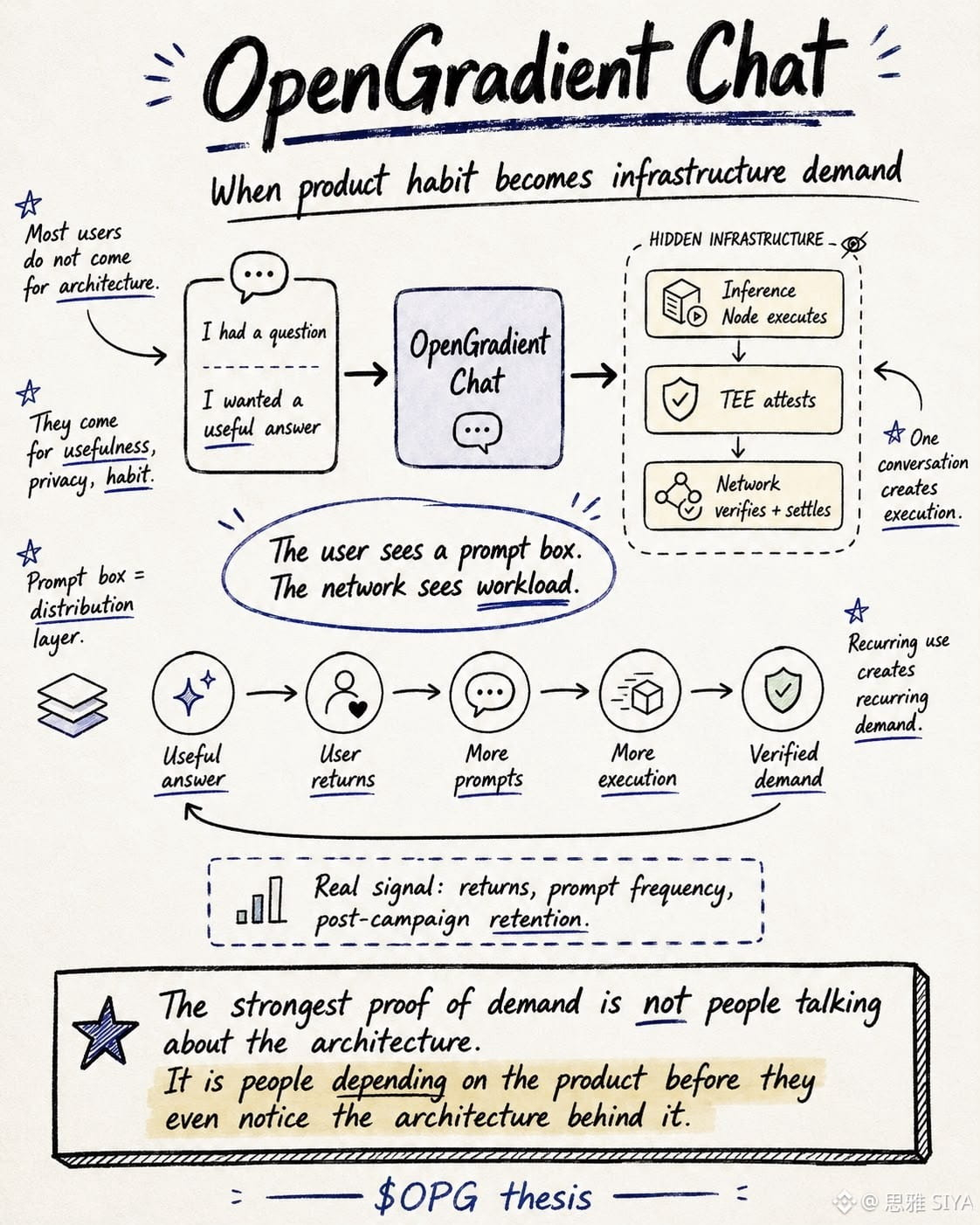
يرى المستخدم مربع الموجه. تحته، يصبح الموجه طلب استدلال. تنفذ عقدة ذلك، وتنتج TEE دليلًا يمكن التحقق منه، وتتحقق الشبكة وتستقر على ما حدث دون الحاجة ليفهم المستخدم الآلية.
هذا هو الآلية التي كنت أفتقدها.
الدردشة ليست مجرد تفسير أبسط للبنية التحتية لـ OpenGradient. إنها حيث تكتسب البنية التحتية عبء العمل.
محادثة مفيدة واحدة تخلق تنفيذًا. المستخدم العائد يخلق طلبًا متكررًا. الاستخدام المتكرر يعطي عقد الاستدلال عملًا حقيقيًا لأداءه والتحقق منه وتسويته.
هذا يجعل مربع الموجه طبقة توزيع للشبكة.
لذا، لن أحكم على OpenGradient Chat بناءً على الانطباعات الأولية أو الفضول لمرة واحدة. سأراقب عدد المستخدمين الذين يعودون، ومدى تكرار طلبهم وما إذا كان الاستخدام يستمر بعد زوال انتباه الحملة.
أقوى دليل على الطلب لن يكون الأشخاص الذين يناقشون بنية OpenGradient.
بل سيكون الأشخاص الذين يعتمدون على المنتج قبل أن يلاحظوا حتى أي بنية تخدمهم.
هنا @OpenGradient يمكن أن تحول عادة المنتج إلى طلب على البنية التحتية، وقد تصبح واحدة من أهم أجزاء قصة OPG.
$OPG #OPG
{spot}(OPGUSDT)
فتحت OpenGradient Chat لمقارنة إجابتين. في منتصف الطريق، أدركت أنني كنت أستخدم الشبكة بالفعل دون التفكير فيها.
لم أكن وصلت إلى chat.opengradient.ai لدراسة عقد الاستدلال، أو شهادات TEE أو تسوية الإثبات. كان لدي سؤال وأردت إجابة مفيدة.
قد يبدو ذلك واضحًا، لكن ذلك غير كيف أرى استراتيجية توزيع OpenGradient.
غالبًا ما تقدم مشاريع البنية التحتية للذكاء الاصطناعي نفسها من الداخل للخارج. تشرح تصميم العقد، وطريقة التحقق، وطبقة التسوية، ثم تتوقع من المستخدمين العاديين أن يجدوا سببًا للاهتمام.
ومعظمهم لن يفعل.
إنهم يهتمون بما إذا كانت الإجابة تساعد، وما إذا كانت المحادثة تبدو خاصة، وما إذا كان المنتج يستحق إعادة فتحه غدًا.
OpenGradient Chat يعكس هذا الأمر.
يرى المستخدم مربع الموجه. تحته، يصبح الموجه طلب استدلال. تنفذ عقدة ذلك، وتنتج TEE دليلًا يمكن التحقق منه، وتتحقق الشبكة وتستقر على ما حدث دون الحاجة ليفهم المستخدم الآلية.
هذا هو الآلية التي كنت أفتقدها.
الدردشة ليست مجرد تفسير أبسط للبنية التحتية لـ OpenGradient. إنها حيث تكتسب البنية التحتية عبء العمل.
محادثة مفيدة واحدة تخلق تنفيذًا. المستخدم العائد يخلق طلبًا متكررًا. الاستخدام المتكرر يعطي عقد الاستدلال عملًا حقيقيًا لأداءه والتحقق منه وتسويته.
هذا يجعل مربع الموجه طبقة توزيع للشبكة.
لذا، لن أحكم على OpenGradient Chat بناءً على الانطباعات الأولية أو الفضول لمرة واحدة. سأراقب عدد المستخدمين الذين يعودون، ومدى تكرار طلبهم وما إذا كان الاستخدام يستمر بعد زوال انتباه الحملة.
أقوى دليل على الطلب لن يكون الأشخاص الذين يناقشون بنية OpenGradient.
بل سيكون الأشخاص الذين يعتمدون على المنتج قبل أن يلاحظوا حتى أي بنية تخدمهم.
هنا @OpenGradient يمكن أن تحول عادة المنتج إلى طلب على البنية التحتية، وقد تصبح واحدة من أهم أجزاء قصة OPG.
$OPG #OPG
لم أكن وصلت إلى chat.opengradient.ai لدراسة عقد الاستدلال، أو شهادات TEE أو تسوية الإثبات. كان لدي سؤال وأردت إجابة مفيدة.
قد يبدو ذلك واضحًا، لكن ذلك غير كيف أرى استراتيجية توزيع OpenGradient.
غالبًا ما تقدم مشاريع البنية التحتية للذكاء الاصطناعي نفسها من الداخل للخارج. تشرح تصميم العقد، وطريقة التحقق، وطبقة التسوية، ثم تتوقع من المستخدمين العاديين أن يجدوا سببًا للاهتمام.
ومعظمهم لن يفعل.
إنهم يهتمون بما إذا كانت الإجابة تساعد، وما إذا كانت المحادثة تبدو خاصة، وما إذا كان المنتج يستحق إعادة فتحه غدًا.
OpenGradient Chat يعكس هذا الأمر.
يرى المستخدم مربع الموجه. تحته، يصبح الموجه طلب استدلال. تنفذ عقدة ذلك، وتنتج TEE دليلًا يمكن التحقق منه، وتتحقق الشبكة وتستقر على ما حدث دون الحاجة ليفهم المستخدم الآلية.
هذا هو الآلية التي كنت أفتقدها.
الدردشة ليست مجرد تفسير أبسط للبنية التحتية لـ OpenGradient. إنها حيث تكتسب البنية التحتية عبء العمل.
محادثة مفيدة واحدة تخلق تنفيذًا. المستخدم العائد يخلق طلبًا متكررًا. الاستخدام المتكرر يعطي عقد الاستدلال عملًا حقيقيًا لأداءه والتحقق منه وتسويته.
هذا يجعل مربع الموجه طبقة توزيع للشبكة.
لذا، لن أحكم على OpenGradient Chat بناءً على الانطباعات الأولية أو الفضول لمرة واحدة. سأراقب عدد المستخدمين الذين يعودون، ومدى تكرار طلبهم وما إذا كان الاستخدام يستمر بعد زوال انتباه الحملة.
أقوى دليل على الطلب لن يكون الأشخاص الذين يناقشون بنية OpenGradient.
بل سيكون الأشخاص الذين يعتمدون على المنتج قبل أن يلاحظوا حتى أي بنية تخدمهم.
هنا @OpenGradient يمكن أن تحول عادة المنتج إلى طلب على البنية التحتية، وقد تصبح واحدة من أهم أجزاء قصة OPG.
$OPG #OPG
3
8
181
·
--
صاعد
$EPIC
{spot}(EPICUSDT)
يتقلص مباشرة تحت 0.648 بعد تصحيح ضحل، وهو عادةً ما يكون أكثر صحة من دفع عمودي ثانٍ. MA7 لا يزال يرتفع تحت السعر، بينما يتقلص الحجم نحو السقف. هذا يخلق تقلبات مخزنة: القبول فوق 0.648 يمكن أن يمتد نحو 0.67، لكن كسر دون 0.621 سيضعف تسلسل القاع العالي ويكشف 0.607.
$STG
{spot}(STGUSDT)
لديه هيكل أقل ملاءمة. توقفت الارتدادة عند 0.2783، السعر انزلق تحت MA7، وMA99 المتناقص بالقرب من 0.303 لا يزال يمثل إمدادًا رئيسيًا فوق الرأس. الاحتفاظ بـ 0.252 يبقي التعافي حيًا؛ استعادة 0.267 ضرورية قبل أن يتمكن المشترون من挑战 0.278 مرة أخرى. تحت 0.252، الطلب المعنوي التالي يقع حول 0.242–0.235.
#EPIC #STG
أي إشارة 1H تظهر أولاً؟
$EPIC
يتقلص مباشرة تحت 0.648 بعد تصحيح ضحل، وهو عادةً ما يكون أكثر صحة من دفع عمودي ثانٍ. MA7 لا يزال يرتفع تحت السعر، بينما يتقلص الحجم نحو السقف. هذا يخلق تقلبات مخزنة: القبول فوق 0.648 يمكن أن يمتد نحو 0.67، لكن كسر دون 0.621 سيضعف تسلسل القاع العالي ويكشف 0.607.
$STG
لديه هيكل أقل ملاءمة. توقفت الارتدادة عند 0.2783، السعر انزلق تحت MA7، وMA99 المتناقص بالقرب من 0.303 لا يزال يمثل إمدادًا رئيسيًا فوق الرأس. الاحتفاظ بـ 0.252 يبقي التعافي حيًا؛ استعادة 0.267 ضرورية قبل أن يتمكن المشترون من挑战 0.278 مرة أخرى. تحت 0.252، الطلب المعنوي التالي يقع حول 0.242–0.235.
#EPIC #STG
أي إشارة 1H تظهر أولاً؟
يتقلص مباشرة تحت 0.648 بعد تصحيح ضحل، وهو عادةً ما يكون أكثر صحة من دفع عمودي ثانٍ. MA7 لا يزال يرتفع تحت السعر، بينما يتقلص الحجم نحو السقف. هذا يخلق تقلبات مخزنة: القبول فوق 0.648 يمكن أن يمتد نحو 0.67، لكن كسر دون 0.621 سيضعف تسلسل القاع العالي ويكشف 0.607.
$STG
لديه هيكل أقل ملاءمة. توقفت الارتدادة عند 0.2783، السعر انزلق تحت MA7، وMA99 المتناقص بالقرب من 0.303 لا يزال يمثل إمدادًا رئيسيًا فوق الرأس. الاحتفاظ بـ 0.252 يبقي التعافي حيًا؛ استعادة 0.267 ضرورية قبل أن يتمكن المشترون من挑战 0.278 مرة أخرى. تحت 0.252، الطلب المعنوي التالي يقع حول 0.242–0.235.
#EPIC #STG
أي إشارة 1H تظهر أولاً؟
$EPIC closes above 0.648
39%
$EPIC loses 0.621
6%
$STG retakes 0.267
50%
$STG breaks 0.252
5%
18 الأصوات • تمّ إغلاق التصويت
2
1.1k
·
--
كنت أعتقد أن الذكاء الاصطناعي متعدد النماذج كان في الأساس مشكلة توجيه.
أرسل الخطوة الصعبة إلى أقوى نموذج.
أرسل الخطوة السهلة إلى الأرخص.
استمر في التحرك.
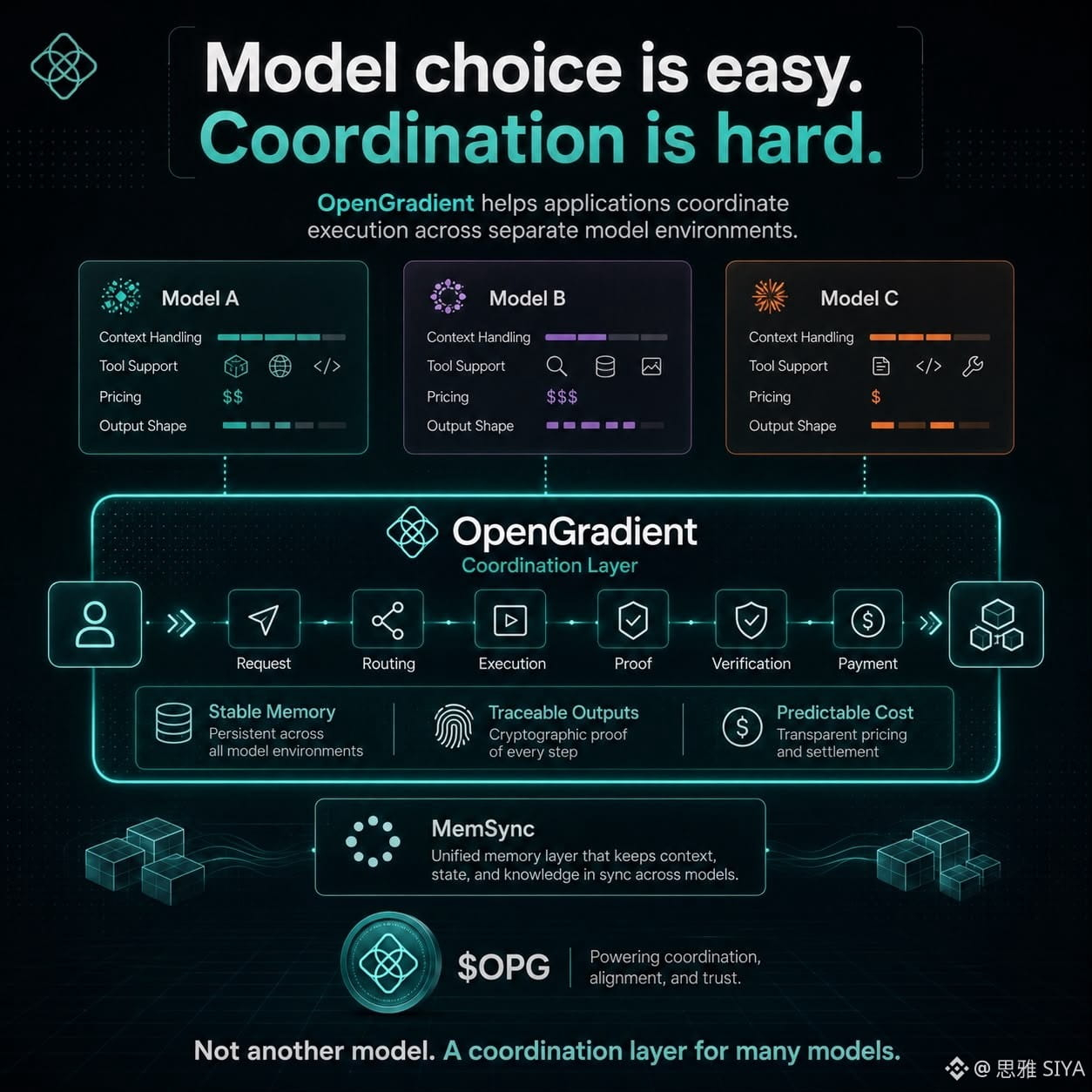
لكن اختيار النموذج التالي هو الجزء السهل.
الجزء الصعب هو التأكد من أن المهمة تبقى سليمة أثناء الانتقال.
نموذج واحد يفسر السياق بشكل مختلف.
نموذج آخر يدعم أدوات مختلفة.
نموذج آخر يغير زمن الاستجابة، التكلفة وبنية النتيجة.
بدون طبقة مشتركة، كل تغيير نموذج يخلق شقًا صغيرًا في سير العمل.
هنا بدأت @OpenGradient يصبح أكثر منطقية بالنسبة لي.
تتفصل بنية HACA التنفيذ عن التحقق.
تقوم عقد الاستدلال بأداء العمل الفعلي وإرجاع النتيجة مباشرة.
توفر تأكيدات TEE أو إثباتات ZKML أدلة على كيفية التعامل مع تلك الحسابات.
تتحقق العقد الكاملة من الأدلة وتسويتها دون إجبار الشبكة بأكملها على تكرار الاستدلال.
تتناول MemSync جزءًا مختلفًا من نفس المشكلة.
إنها تخلق سياقًا دائمًا وقابلًا للنقل غير محاصر داخل جلسة نموذج واحد أو تطبيق.
ثم تربط x402 الدفع بالاستدلال المطلوب فعليًا.
يتغير التنفيذ.
لكن التطبيق يمكنه الاحتفاظ بالذاكرة، والتحقق من المخرجات ومراعاة التكلفة.
هذا التمييز مهم.
لا تجعل OpenGradient كل نموذج يتشارك عقلًا واحدًا سحريًا.
إنها تمنح المطورين البنية التحتية اللازمة لجعل النماذج المنفصلة تتصرف مثل محركات تنفيذ يمكن محاسبتها تحت تطبيق واحد.
هذا هو الدور الأعمق الذي أراه لـ OPG.
ليس نموذجًا آخر يتنافس ليصبح الطبقة النهائية للذكاء.
طبقة التنسيق والتحقق التي تتيح للتطبيقات استخدام العديد من أشكال الذكاء دون وراثة كل تجزئتها.
$OPG #OPG
{spot}(OPGUSDT)
كنت أعتقد أن الذكاء الاصطناعي متعدد النماذج كان في الأساس مشكلة توجيه.
أرسل الخطوة الصعبة إلى أقوى نموذج.
أرسل الخطوة السهلة إلى الأرخص.
استمر في التحرك.
لكن اختيار النموذج التالي هو الجزء السهل.
الجزء الصعب هو التأكد من أن المهمة تبقى سليمة أثناء الانتقال.
نموذج واحد يفسر السياق بشكل مختلف.
نموذج آخر يدعم أدوات مختلفة.
نموذج آخر يغير زمن الاستجابة، التكلفة وبنية النتيجة.
بدون طبقة مشتركة، كل تغيير نموذج يخلق شقًا صغيرًا في سير العمل.
هنا بدأت @OpenGradient يصبح أكثر منطقية بالنسبة لي.
تتفصل بنية HACA التنفيذ عن التحقق.
تقوم عقد الاستدلال بأداء العمل الفعلي وإرجاع النتيجة مباشرة.
توفر تأكيدات TEE أو إثباتات ZKML أدلة على كيفية التعامل مع تلك الحسابات.
تتحقق العقد الكاملة من الأدلة وتسويتها دون إجبار الشبكة بأكملها على تكرار الاستدلال.
تتناول MemSync جزءًا مختلفًا من نفس المشكلة.
إنها تخلق سياقًا دائمًا وقابلًا للنقل غير محاصر داخل جلسة نموذج واحد أو تطبيق.
ثم تربط x402 الدفع بالاستدلال المطلوب فعليًا.
يتغير التنفيذ.
لكن التطبيق يمكنه الاحتفاظ بالذاكرة، والتحقق من المخرجات ومراعاة التكلفة.
هذا التمييز مهم.
لا تجعل OpenGradient كل نموذج يتشارك عقلًا واحدًا سحريًا.
إنها تمنح المطورين البنية التحتية اللازمة لجعل النماذج المنفصلة تتصرف مثل محركات تنفيذ يمكن محاسبتها تحت تطبيق واحد.
هذا هو الدور الأعمق الذي أراه لـ OPG.
ليس نموذجًا آخر يتنافس ليصبح الطبقة النهائية للذكاء.
طبقة التنسيق والتحقق التي تتيح للتطبيقات استخدام العديد من أشكال الذكاء دون وراثة كل تجزئتها.
$OPG #OPG
أرسل الخطوة الصعبة إلى أقوى نموذج.
أرسل الخطوة السهلة إلى الأرخص.
استمر في التحرك.
لكن اختيار النموذج التالي هو الجزء السهل.
الجزء الصعب هو التأكد من أن المهمة تبقى سليمة أثناء الانتقال.
نموذج واحد يفسر السياق بشكل مختلف.
نموذج آخر يدعم أدوات مختلفة.
نموذج آخر يغير زمن الاستجابة، التكلفة وبنية النتيجة.
بدون طبقة مشتركة، كل تغيير نموذج يخلق شقًا صغيرًا في سير العمل.
هنا بدأت @OpenGradient يصبح أكثر منطقية بالنسبة لي.
تتفصل بنية HACA التنفيذ عن التحقق.
تقوم عقد الاستدلال بأداء العمل الفعلي وإرجاع النتيجة مباشرة.
توفر تأكيدات TEE أو إثباتات ZKML أدلة على كيفية التعامل مع تلك الحسابات.
تتحقق العقد الكاملة من الأدلة وتسويتها دون إجبار الشبكة بأكملها على تكرار الاستدلال.
تتناول MemSync جزءًا مختلفًا من نفس المشكلة.
إنها تخلق سياقًا دائمًا وقابلًا للنقل غير محاصر داخل جلسة نموذج واحد أو تطبيق.
ثم تربط x402 الدفع بالاستدلال المطلوب فعليًا.
يتغير التنفيذ.
لكن التطبيق يمكنه الاحتفاظ بالذاكرة، والتحقق من المخرجات ومراعاة التكلفة.
هذا التمييز مهم.
لا تجعل OpenGradient كل نموذج يتشارك عقلًا واحدًا سحريًا.
إنها تمنح المطورين البنية التحتية اللازمة لجعل النماذج المنفصلة تتصرف مثل محركات تنفيذ يمكن محاسبتها تحت تطبيق واحد.
هذا هو الدور الأعمق الذي أراه لـ OPG.
ليس نموذجًا آخر يتنافس ليصبح الطبقة النهائية للذكاء.
طبقة التنسيق والتحقق التي تتيح للتطبيقات استخدام العديد من أشكال الذكاء دون وراثة كل تجزئتها.
$OPG #OPG
11
13
1.6k
·
--
أول مرة شفت @OpenGradient Chat كوسيلة لإخفاء التعليمات.
التصميم الأعمق يتعلق بوقف جهاز واحد من السيطرة على الخريطة بالكامل.
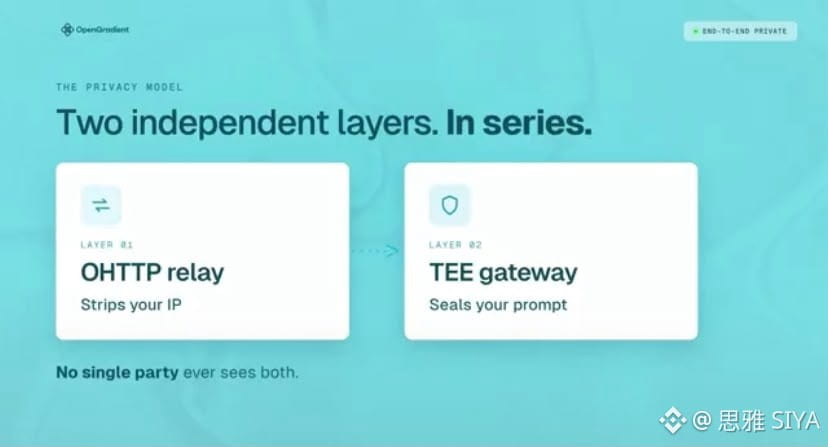
العميل يتحقق من مفتاح الحماية، ثم يختم الطلب باستخدام HPKE.
الريلاي يرى IP، وليس الكلمات.
الإنكلاڤ يعالج الكلمات، وليس المستخدم.
مزود النموذج يستقبل المرور من الإنكلاڤ، وليس الهوية الأصلية.
ثم يقوم الإنكلاڤ بتوقيع تجزئة الطلب، وتجميع التجزئة، والوقت قبل ختم الرد.
لذا الخصوصية ليست قائمة على الثقة بنا.
يمكن للعميل التحقق مما تم إدخاله، وما تم إرجاعه، وأي إنكلاڤ تمت الموافقة عليه للتعامل معه.
ما يهم بعد ذلك هو النطاق.
استقلالية الريلاي، دوران مفتاح الإنكلاڤ، مقاومة تزامن التوقيت، وفصل المدفوعات تصبح القيود الحقيقية.
OPG sits مباشرة داخل تلك الحدود الأخيرة: الريلاي يدفع البوابة عبر x402، مما يمنع هوية الدفع الخاصة بالمستخدم من الالتقاء بمسار التنفيذ الخاص.
لهذا السبب لم أعد أرى OpenGradient كواجهة نموذج أخرى.
أرى تصميمًا مصممًا حتى لا تحتاج الهوية، والنص العادي، والمدفوعات، والإثبات للالتقاء في مكان واحد.
$OPG #OPG
{spot}(OPGUSDT)
أول مرة شفت @OpenGradient Chat كوسيلة لإخفاء التعليمات.
التصميم الأعمق يتعلق بوقف جهاز واحد من السيطرة على الخريطة بالكامل.
العميل يتحقق من مفتاح الحماية، ثم يختم الطلب باستخدام HPKE.
الريلاي يرى IP، وليس الكلمات.
الإنكلاڤ يعالج الكلمات، وليس المستخدم.
مزود النموذج يستقبل المرور من الإنكلاڤ، وليس الهوية الأصلية.
ثم يقوم الإنكلاڤ بتوقيع تجزئة الطلب، وتجميع التجزئة، والوقت قبل ختم الرد.
لذا الخصوصية ليست قائمة على الثقة بنا.
يمكن للعميل التحقق مما تم إدخاله، وما تم إرجاعه، وأي إنكلاڤ تمت الموافقة عليه للتعامل معه.
ما يهم بعد ذلك هو النطاق.
استقلالية الريلاي، دوران مفتاح الإنكلاڤ، مقاومة تزامن التوقيت، وفصل المدفوعات تصبح القيود الحقيقية.
OPG sits مباشرة داخل تلك الحدود الأخيرة: الريلاي يدفع البوابة عبر x402، مما يمنع هوية الدفع الخاصة بالمستخدم من الالتقاء بمسار التنفيذ الخاص.
لهذا السبب لم أعد أرى OpenGradient كواجهة نموذج أخرى.
أرى تصميمًا مصممًا حتى لا تحتاج الهوية، والنص العادي، والمدفوعات، والإثبات للالتقاء في مكان واحد.
$OPG #OPG
التصميم الأعمق يتعلق بوقف جهاز واحد من السيطرة على الخريطة بالكامل.
العميل يتحقق من مفتاح الحماية، ثم يختم الطلب باستخدام HPKE.
الريلاي يرى IP، وليس الكلمات.
الإنكلاڤ يعالج الكلمات، وليس المستخدم.
مزود النموذج يستقبل المرور من الإنكلاڤ، وليس الهوية الأصلية.
ثم يقوم الإنكلاڤ بتوقيع تجزئة الطلب، وتجميع التجزئة، والوقت قبل ختم الرد.
لذا الخصوصية ليست قائمة على الثقة بنا.
يمكن للعميل التحقق مما تم إدخاله، وما تم إرجاعه، وأي إنكلاڤ تمت الموافقة عليه للتعامل معه.
ما يهم بعد ذلك هو النطاق.
استقلالية الريلاي، دوران مفتاح الإنكلاڤ، مقاومة تزامن التوقيت، وفصل المدفوعات تصبح القيود الحقيقية.
OPG sits مباشرة داخل تلك الحدود الأخيرة: الريلاي يدفع البوابة عبر x402، مما يمنع هوية الدفع الخاصة بالمستخدم من الالتقاء بمسار التنفيذ الخاص.
لهذا السبب لم أعد أرى OpenGradient كواجهة نموذج أخرى.
أرى تصميمًا مصممًا حتى لا تحتاج الهوية، والنص العادي، والمدفوعات، والإثبات للالتقاء في مكان واحد.
$OPG #OPG
3
428
·
--
#genius $GENIUS @GeniusOfficial
{spot}(GENIUSUSDT)
كنت أعتقد أن السيولة المجزأة كانت في الغالب مشكلة توجيه.
مجمعات أفضل.
توجيه أفضل.
تنفيذ أسرع.
لكن كلما نظرت إلى كيفية تصرف السيولة خلال تقلبات السوق الحقيقية، شعرت أكثر أن المشكلة العميقة تبدأ قبل التوجيه.
المخزون نفسه متشتت قبل أن تصل الصفقة حتى.
تحتفظ بركة واحدة بعملات مستقرة غير مستخدمة.
أخرى تحتفظ بعمق غير مستخدم.
سوق آخر رقيق على الرغم من أن النظام البيئي لديه بالفعل سيولة كافية في مكان آخر.
تستمر مشاريع DeFi في بناء المزيد من البرك، لكن ذلك يعني أيضًا المزيد من جدران المخزون المعزولة.
لهذا السبب تبرز GeniusFi بالنسبة لي.
الجزء المثير هو ليس فقط تنفيذ أكثر إحكامًا أو تسعير أفضل.
إنها الفكرة بأن السيولة يجب أن تتصرف كنظام مخزون متصل بدلاً من خزائن أزواج غير متصلة.
هيكل بركة واحدة لكل أصل يغير دور رأس المال بالكامل.
بدلاً من أن تدافع كل زوج عن عمقه المعزول، يمكن أن تتحرك السيولة عبر المحرك كمخزون مشترك. يمكن لنفس قاعدة السيولة دعم مسارات متعددة دون أن يتم نسخها مرارًا وتكرارًا عبر برك منفصلة.
هذا يغير كيفية قياس الكفاءة.
تجري AMMs التقليدية غالبًا تحسينات من خلال إضافة المزيد من رأس المال.
تبدو GeniusFi وكأنها تحاول تحسين الأمور من خلال تقليل متطلبات رأس المال المكررة أولاً.
بالنسبة لي، هذا هو التحول التصميمي الأكثر أهمية.
ربما الفائز في السيولة المستقبلية ليس البروتوكول الذي لديه أكبر TVL.
قد يكون البروتوكول الذي يهدر أقل كمية من المخزون تحته.
هل يمكن أن تتفوق المخزونات المشتركة على سيولة الأزواج المعزولة بمرور الوقت؟
#genius $GENIUS @GeniusOfficial
كنت أعتقد أن السيولة المجزأة كانت في الغالب مشكلة توجيه.
مجمعات أفضل.
توجيه أفضل.
تنفيذ أسرع.
لكن كلما نظرت إلى كيفية تصرف السيولة خلال تقلبات السوق الحقيقية، شعرت أكثر أن المشكلة العميقة تبدأ قبل التوجيه.
المخزون نفسه متشتت قبل أن تصل الصفقة حتى.
تحتفظ بركة واحدة بعملات مستقرة غير مستخدمة.
أخرى تحتفظ بعمق غير مستخدم.
سوق آخر رقيق على الرغم من أن النظام البيئي لديه بالفعل سيولة كافية في مكان آخر.
تستمر مشاريع DeFi في بناء المزيد من البرك، لكن ذلك يعني أيضًا المزيد من جدران المخزون المعزولة.
لهذا السبب تبرز GeniusFi بالنسبة لي.
الجزء المثير هو ليس فقط تنفيذ أكثر إحكامًا أو تسعير أفضل.
إنها الفكرة بأن السيولة يجب أن تتصرف كنظام مخزون متصل بدلاً من خزائن أزواج غير متصلة.
هيكل بركة واحدة لكل أصل يغير دور رأس المال بالكامل.
بدلاً من أن تدافع كل زوج عن عمقه المعزول، يمكن أن تتحرك السيولة عبر المحرك كمخزون مشترك. يمكن لنفس قاعدة السيولة دعم مسارات متعددة دون أن يتم نسخها مرارًا وتكرارًا عبر برك منفصلة.
هذا يغير كيفية قياس الكفاءة.
تجري AMMs التقليدية غالبًا تحسينات من خلال إضافة المزيد من رأس المال.
تبدو GeniusFi وكأنها تحاول تحسين الأمور من خلال تقليل متطلبات رأس المال المكررة أولاً.
بالنسبة لي، هذا هو التحول التصميمي الأكثر أهمية.
ربما الفائز في السيولة المستقبلية ليس البروتوكول الذي لديه أكبر TVL.
قد يكون البروتوكول الذي يهدر أقل كمية من المخزون تحته.
هل يمكن أن تتفوق المخزونات المشتركة على سيولة الأزواج المعزولة بمرور الوقت؟
كنت أعتقد أن السيولة المجزأة كانت في الغالب مشكلة توجيه.
مجمعات أفضل.
توجيه أفضل.
تنفيذ أسرع.
لكن كلما نظرت إلى كيفية تصرف السيولة خلال تقلبات السوق الحقيقية، شعرت أكثر أن المشكلة العميقة تبدأ قبل التوجيه.
المخزون نفسه متشتت قبل أن تصل الصفقة حتى.
تحتفظ بركة واحدة بعملات مستقرة غير مستخدمة.
أخرى تحتفظ بعمق غير مستخدم.
سوق آخر رقيق على الرغم من أن النظام البيئي لديه بالفعل سيولة كافية في مكان آخر.
تستمر مشاريع DeFi في بناء المزيد من البرك، لكن ذلك يعني أيضًا المزيد من جدران المخزون المعزولة.
لهذا السبب تبرز GeniusFi بالنسبة لي.
الجزء المثير هو ليس فقط تنفيذ أكثر إحكامًا أو تسعير أفضل.
إنها الفكرة بأن السيولة يجب أن تتصرف كنظام مخزون متصل بدلاً من خزائن أزواج غير متصلة.
هيكل بركة واحدة لكل أصل يغير دور رأس المال بالكامل.
بدلاً من أن تدافع كل زوج عن عمقه المعزول، يمكن أن تتحرك السيولة عبر المحرك كمخزون مشترك. يمكن لنفس قاعدة السيولة دعم مسارات متعددة دون أن يتم نسخها مرارًا وتكرارًا عبر برك منفصلة.
هذا يغير كيفية قياس الكفاءة.
تجري AMMs التقليدية غالبًا تحسينات من خلال إضافة المزيد من رأس المال.
تبدو GeniusFi وكأنها تحاول تحسين الأمور من خلال تقليل متطلبات رأس المال المكررة أولاً.
بالنسبة لي، هذا هو التحول التصميمي الأكثر أهمية.
ربما الفائز في السيولة المستقبلية ليس البروتوكول الذي لديه أكبر TVL.
قد يكون البروتوكول الذي يهدر أقل كمية من المخزون تحته.
هل يمكن أن تتفوق المخزونات المشتركة على سيولة الأزواج المعزولة بمرور الوقت؟
Shared wins
100%
Pools survive
0%
2 الأصوات • تمّ إغلاق التصويت
2
164
·
--
كنت أعتقد في البداية أن التداول على السلسلة غالباً ما يتعطل بسبب كسر السيولة.
كلما تابعت أنظمة التنفيذ، شعرت أن هذا أقل صحة.
السيولة موجودة.
البيانات موجودة.
رأس المال موجود.
الاحتكاك يكمن أعمق.
إنه يقع بين الرؤية والتنفيذ.
كل محفظة تبث نية.
كل مركز يخلق آثار.
كل نمط مربح يصبح ببطء بنية تحتية عامة.
هذا يغير السلوك.
ليس فقط للمتداولين.
ولكن للنظام نفسه.
لا يمكن لطبقة التوجيه تحسين جودة التنفيذ إذا أصبح التنفيذ وقودًا للتنبؤ للجميع الذين يشاهدون.
هذا يخلق تكلفة مخفية.
تكلفة البيانات.
تكلفة التنفيذ.
تكلفة التحقق.
تكلفة الإثبات.
ليس الغاز.
ليس الرسوم.
تسرب المعلومات.
هذا هو المكان الذي يجذب فيه GENIUS انتباهي بشكل مختلف.
الناس يرون محطة تداول.
أنا أرى بنية تنفيذ.
طلبات الأشباح مهمة لأن جودة التنفيذ تتغير بعد وصول الحجم.
الحجم الكبير يخلق رؤية.
الرؤية تخلق تتبع.
التتبع يخلق ضغطًا للتقدم.
يتعامل GENIUS مع هذا القيد بشكل مختلف من خلال مسارات تنفيذ منفصلة وبنية تحتية تنفيذ خاصة بدلاً من افتراض أن المتداولين يجب أن يتحملوا التعرض ببساطة.
ميكانيكياً يصبح:
البيانات → اكتشاف المسار.
التنفيذ → الوصول إلى السيولة.
الإثبات → إكمال التسوية.
التحقق → نزاهة المركز.
التكلفة → تقليل تسرب المعلومات.
الجزء الذي يفوته الناس:
البنية التحتية الجيدة تهم أكثر بعد أن تعمل الأنظمة.
لأن النجاح يخلق أسطح هجوم.
مستخدمون أكثر.
تدفق أكثر.
رؤية أكثر.
استخراج أكثر.
من المحتمل أن الفائزين على المدى الطويل لن يجعلوا الكريبتو أسهل فقط.
بل يجعلون التنفيذ أصعب للاستغلال.
هذا يبدو كهدف GENIUS.
@GeniusOfficial #genius $GENIUS
{spot}(GENIUSUSDT)
الحركة الحالية $GENIUS تبدو مدفوعة بـ:
كنت أعتقد في البداية أن التداول على السلسلة غالباً ما يتعطل بسبب كسر السيولة.
كلما تابعت أنظمة التنفيذ، شعرت أن هذا أقل صحة.
السيولة موجودة.
البيانات موجودة.
رأس المال موجود.
الاحتكاك يكمن أعمق.
إنه يقع بين الرؤية والتنفيذ.
كل محفظة تبث نية.
كل مركز يخلق آثار.
كل نمط مربح يصبح ببطء بنية تحتية عامة.
هذا يغير السلوك.
ليس فقط للمتداولين.
ولكن للنظام نفسه.
لا يمكن لطبقة التوجيه تحسين جودة التنفيذ إذا أصبح التنفيذ وقودًا للتنبؤ للجميع الذين يشاهدون.
هذا يخلق تكلفة مخفية.
تكلفة البيانات.
تكلفة التنفيذ.
تكلفة التحقق.
تكلفة الإثبات.
ليس الغاز.
ليس الرسوم.
تسرب المعلومات.
هذا هو المكان الذي يجذب فيه GENIUS انتباهي بشكل مختلف.
الناس يرون محطة تداول.
أنا أرى بنية تنفيذ.
طلبات الأشباح مهمة لأن جودة التنفيذ تتغير بعد وصول الحجم.
الحجم الكبير يخلق رؤية.
الرؤية تخلق تتبع.
التتبع يخلق ضغطًا للتقدم.
يتعامل GENIUS مع هذا القيد بشكل مختلف من خلال مسارات تنفيذ منفصلة وبنية تحتية تنفيذ خاصة بدلاً من افتراض أن المتداولين يجب أن يتحملوا التعرض ببساطة.
ميكانيكياً يصبح:
البيانات → اكتشاف المسار.
التنفيذ → الوصول إلى السيولة.
الإثبات → إكمال التسوية.
التحقق → نزاهة المركز.
التكلفة → تقليل تسرب المعلومات.
الجزء الذي يفوته الناس:
البنية التحتية الجيدة تهم أكثر بعد أن تعمل الأنظمة.
لأن النجاح يخلق أسطح هجوم.
مستخدمون أكثر.
تدفق أكثر.
رؤية أكثر.
استخراج أكثر.
من المحتمل أن الفائزين على المدى الطويل لن يجعلوا الكريبتو أسهل فقط.
بل يجعلون التنفيذ أصعب للاستغلال.
هذا يبدو كهدف GENIUS.
@GeniusOfficial #genius $GENIUS
الحركة الحالية $GENIUS تبدو مدفوعة بـ:
كلما تابعت أنظمة التنفيذ، شعرت أن هذا أقل صحة.
السيولة موجودة.
البيانات موجودة.
رأس المال موجود.
الاحتكاك يكمن أعمق.
إنه يقع بين الرؤية والتنفيذ.
كل محفظة تبث نية.
كل مركز يخلق آثار.
كل نمط مربح يصبح ببطء بنية تحتية عامة.
هذا يغير السلوك.
ليس فقط للمتداولين.
ولكن للنظام نفسه.
لا يمكن لطبقة التوجيه تحسين جودة التنفيذ إذا أصبح التنفيذ وقودًا للتنبؤ للجميع الذين يشاهدون.
هذا يخلق تكلفة مخفية.
تكلفة البيانات.
تكلفة التنفيذ.
تكلفة التحقق.
تكلفة الإثبات.
ليس الغاز.
ليس الرسوم.
تسرب المعلومات.
هذا هو المكان الذي يجذب فيه GENIUS انتباهي بشكل مختلف.
الناس يرون محطة تداول.
أنا أرى بنية تنفيذ.
طلبات الأشباح مهمة لأن جودة التنفيذ تتغير بعد وصول الحجم.
الحجم الكبير يخلق رؤية.
الرؤية تخلق تتبع.
التتبع يخلق ضغطًا للتقدم.
يتعامل GENIUS مع هذا القيد بشكل مختلف من خلال مسارات تنفيذ منفصلة وبنية تحتية تنفيذ خاصة بدلاً من افتراض أن المتداولين يجب أن يتحملوا التعرض ببساطة.
ميكانيكياً يصبح:
البيانات → اكتشاف المسار.
التنفيذ → الوصول إلى السيولة.
الإثبات → إكمال التسوية.
التحقق → نزاهة المركز.
التكلفة → تقليل تسرب المعلومات.
الجزء الذي يفوته الناس:
البنية التحتية الجيدة تهم أكثر بعد أن تعمل الأنظمة.
لأن النجاح يخلق أسطح هجوم.
مستخدمون أكثر.
تدفق أكثر.
رؤية أكثر.
استخراج أكثر.
من المحتمل أن الفائزين على المدى الطويل لن يجعلوا الكريبتو أسهل فقط.
بل يجعلون التنفيذ أصعب للاستغلال.
هذا يبدو كهدف GENIUS.
@GeniusOfficial #genius $GENIUS
الحركة الحالية $GENIUS تبدو مدفوعة بـ:
⚡ Better execution
50%
🛡️ Better privacy
50%
2 الأصوات • تمّ إغلاق التصويت
6
7
269
·
--
اللعبة الأعمق لـ GeniusFi هي التحكم في المخزون: يمكن لبركة الأصول الواحدة خدمة المزيد من المسارات فقط إذا كانت تحديثات الأسعار أسرع من تدفق التقطيع الذي يمكنه استغلالها.
@GeniusOfficial #genius $GENIUS
{spot}(GENIUSUSDT)
ما الذي سيفوز بعد ذلك؟
اللعبة الأعمق لـ GeniusFi هي التحكم في المخزون: يمكن لبركة الأصول الواحدة خدمة المزيد من المسارات فقط إذا كانت تحديثات الأسعار أسرع من تدفق التقطيع الذي يمكنه استغلالها.
@GeniusOfficial #genius $GENIUS
ما الذي سيفوز بعد ذلك؟
@GeniusOfficial #genius $GENIUS
ما الذي سيفوز بعد ذلك؟
Inventory control
50%
More liquidity
50%
4 الأصوات • تمّ إغلاق التصويت
3
158
·
--
#genius @GeniusOfficial
$GENIUS جعلني أعيد التفكير في المحفظة نفسها.
على السلسلة، يمكن أن يصبح عنوانك إشارة تداول. حجم، توقيت ونية التوجيه تتسرب قبل التنفيذ.
المحافظ الشبحية مهمة لأن الخصوصية ليست مجرد شكل هنا. إنها تحمي جودة التنفيذ.
{spot}(GENIUSUSDT)
هل هناك ميزة أكبر في DeFi؟
#genius @GeniusOfficial
$GENIUS جعلني أعيد التفكير في المحفظة نفسها.
على السلسلة، يمكن أن يصبح عنوانك إشارة تداول. حجم، توقيت ونية التوجيه تتسرب قبل التنفيذ.
المحافظ الشبحية مهمة لأن الخصوصية ليست مجرد شكل هنا. إنها تحمي جودة التنفيذ.
هل هناك ميزة أكبر في DeFi؟
$GENIUS جعلني أعيد التفكير في المحفظة نفسها.
على السلسلة، يمكن أن يصبح عنوانك إشارة تداول. حجم، توقيت ونية التوجيه تتسرب قبل التنفيذ.
المحافظ الشبحية مهمة لأن الخصوصية ليست مجرد شكل هنا. إنها تحمي جودة التنفيذ.
هل هناك ميزة أكبر في DeFi؟
🔘 Hide intent
67%
🔘 Better fills
33%
3 الأصوات • تمّ إغلاق التصويت
3
152
·
--
OpenLedger وطبقة الفشل غير المرئية التي لا يمكن للأنظمة المستقلة للذكاء الاصطناعي تجاهلها@Openledger #OpenLedger $OPEN
الأنظمة المستقلة تخلق تحولاً غريباً لا أعتقد أن الكثير من الناس يولون له اهتماماً كافياً.
الناس لا يزالون يقيمون بنية الذكاء الاصطناعي في الغالب من خلال أداء النموذج.
سياق أكبر.
تفكير أفضل.
معايير أقوى.
توليد أسرع.
الافتراض الكامن تحت كل شيء هو أن جودة الذكاء تحدد جودة النظام.
كلما فكرت أكثر في OpenLedger، زادت قناعتي بأن الذكاء نفسه لن يكون عنق الزجاجة على المدى الطويل.
استعادة الفشل تفعل ذلك.
OpenLedger وطبقة الفشل غير المرئية التي لا يمكن للأنظمة المستقلة للذكاء الاصطناعي تجاهلها
@OpenLedger #OpenLedger $OPEN
الأنظمة المستقلة تخلق تحولاً غريباً لا أعتقد أن الكثير من الناس يولون له اهتماماً كافياً.
الناس لا يزالون يقيمون بنية الذكاء الاصطناعي في الغالب من خلال أداء النموذج.
سياق أكبر.
تفكير أفضل.
معايير أقوى.
توليد أسرع.
الافتراض الكامن تحت كل شيء هو أن جودة الذكاء تحدد جودة النظام.
كلما فكرت أكثر في OpenLedger، زادت قناعتي بأن الذكاء نفسه لن يكون عنق الزجاجة على المدى الطويل.
استعادة الفشل تفعل ذلك.
الأنظمة المستقلة تخلق تحولاً غريباً لا أعتقد أن الكثير من الناس يولون له اهتماماً كافياً.
الناس لا يزالون يقيمون بنية الذكاء الاصطناعي في الغالب من خلال أداء النموذج.
سياق أكبر.
تفكير أفضل.
معايير أقوى.
توليد أسرع.
الافتراض الكامن تحت كل شيء هو أن جودة الذكاء تحدد جودة النظام.
كلما فكرت أكثر في OpenLedger، زادت قناعتي بأن الذكاء نفسه لن يكون عنق الزجاجة على المدى الطويل.
استعادة الفشل تفعل ذلك.
3
129
·
--
أنظمة الذكاء الاصطناعي لا تتعطل عندما تفشل النماذج.
إنها تتعطل عندما تفشل التنسيقات.
@Openledger تجرني نحو ذلك.
$OPEN #OpenLedger
{spot}(OPENUSDT)
ما الذي يهم أكثر على المدى الطويل؟
أنظمة الذكاء الاصطناعي لا تتعطل عندما تفشل النماذج.
إنها تتعطل عندما تفشل التنسيقات.
@OpenLedger تجرني نحو ذلك.
$OPEN #OpenLedger
ما الذي يهم أكثر على المدى الطويل؟
إنها تتعطل عندما تفشل التنسيقات.
@OpenLedger تجرني نحو ذلك.
$OPEN #OpenLedger
ما الذي يهم أكثر على المدى الطويل؟
Smarter AI
100%
Stronger Systems
0%
2 الأصوات • تمّ إغلاق التصويت
2
288
سجّل الدخول لاستكشاف المزيد من المُحتوى
انضم إلى مُستخدمي العملات الرقمية حول العالم على Binance Square
⚡️ احصل على أحدث المعلومات المفيدة عن العملات الرقمية.
💬 موثوقة من قبل أكبر منصّة لتداول العملات الرقمية في العالم.
👍 اكتشف الرؤى الحقيقية من صنّاع المُحتوى الموثوقين.
البريد الإلكتروني / رقم الهاتف
المواضيع الرائجة
AIStocksWhatNext
88,755 مشاهدات
1,130 يقومون بالنقاش
شارك واربح مكافأة حركة المرور في حملة الهاشتاغ الرائجة لدينا
✨الموضوع: ما فرص الاستثمار الأخرى التي ما زالت قائمة مع استمرار ارتفاع أسهم الذكاء الاصطناعي؟
👉كيفية الانضمام:
انشر منشورًا قصيرًا أو مقالًا باستخدام هاشتاغ #AIStocksWhatNext
شارك ما إذا كنت متفائلًا أم متشائمًا، وانشر مقتنياتك من أسهم الذكاء الاصطناعي أو تداولك — قد يؤدي استخدام أداة التداول إلى تحسين أهليتك.
يمكنك أيضًا تعزيز منشورك بمشاركة بيانات أو مخططات، وتجنب الصور المُولدة بالذكاء الاصطناعي.
✍️أنشئ محتوى بناءً على الزوايا التالية:
- يقول نِفيديا إن مبيعات الرقائق ستتضاعف العام القادم، وتواصل كبرى شركات الذكاء الاصطناعي تحقيق إيرادات قياسية؛ إن إنفاق الحوسبة وراء ذلك مثير للإعجاب بنفس القدر. هل طلب الذكاء الاصطناعي يتصاعد فعلًا؟ وكم يمكن أن يستمر؟ أسهم الذكاء الاصطناعي مرتفعة على نطاق واسع. هل هذا اختراق حقيقي أم مجرد ارتداد قصير الأجل؟
- يدعو قادة الصناعة إلى إبطاء تطوير الذكاء الاصطناعي، بينما يخطط ترامب لبناء "قوة ذكاء اصطناعي"، مدعيًا أن الذكاء الاصطناعي قد يمثل 25% من الناتج المحلي الإجمالي الأمريكي في المستقبل. في أي جانب أنت؟ وهل الدعم على مستوى الولايات سيكون فوزًا طويل الأمد لأسهم الذكاء الاصطناعي؟
- هل تشتري أسهم الذكاء الاصطناعي؟ شارك تداولك/مقتنياتك المتعلقة بالذكاء الاصطناعي معنا عبر أداة مشاركة التداول.
⏰فترة الحملة:
- 2026-09-22 7:00 - 2026-09-24 4:00 بالتوقيت العالمي
🎁المكافأة:
- سيتم مراجعة المنشورات المؤهلة التي تلتزم بالإرشادات أعلاه وتتضمن أكثر من 100 كلمة، وقد تحصل على تعزيز عشوائي لحركة المرور من 500 إلى 3,000 مشاهدة. ستصلك إشعار من سكرتير موجزك إذا تم اختيار منشورك.
- احصل على فرصة لعرض مقالك في Binance Square Official
هل تحتاج إلى أفكار لمنشورك؟ تفضل بزيارة صفحة الموضوع #AIStocksWhatNext أو Square Guide on How to Post for Better Reach.
Binance Square Official
·191 إعجاب
·290.7k مشاهدات
BitcoinBreaksAboveMayHighNears$86K
899 مشاهدات
29 يقومون بالنقاش
DogecoinRises15%
2,837 مشاهدات
149 يقومون بالنقاش