


-->“No market trends all the time. No range sustains all the time. No strategy works all the time. That's why you manage risk all the time!”
You have to careful with pullback or reversal.
Pullback: A pullback refers to a temporary and relatively small retracement or counter-trend movement within the prevailing trend. In an uptrend, a pullback is a temporary decline in price before the upward movement resumes. Similarly, in a downtrend, a pullback is a temporary rally in price before the downward movement resumes. Pullbacks are typically considered normal and healthy within an ongoing trend, and they present opportunities for traders to enter the market at better prices. The overall trend remains intact, and the pullback is seen as a corrective move against the primary trend.
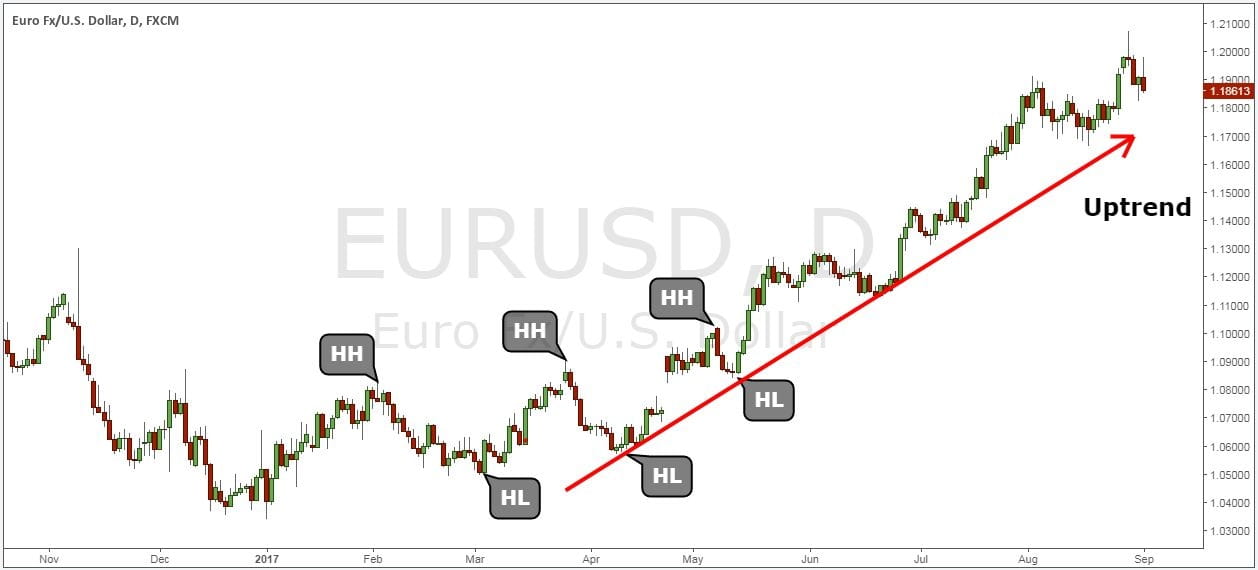
Reversal: A reversal, on the other hand, refers to a more significant and long-lasting change in the direction of a market or the movement of a financial instrument. It signifies a shift from an existing trend to a new trend in the opposite direction. In an uptrend, a reversal occurs when the upward movement ends, and the price starts declining, indicating a potential downtrend. Similarly, in a downtrend, a reversal takes place when the downward movement ends, and the price starts rising, indicating a potential uptrend. Reversals are considered major turning points and can mark the end of a trend or the beginning of a new one. Traders often look for confirmation signals to identify reversals, such as chart patterns, trendline breaks, or technical indicators.

To summarize, a pullback refers to a temporary and relatively small retracement within the existing trend, while a reversal represents a more significant and long-lasting change in the direction of a market or an instrument. Pullbacks are seen as corrective moves within a trend, while reversals indicate a potential shift to a new trend.