$ZRO: ZRO: Ethical Questions Around Platform Incentives
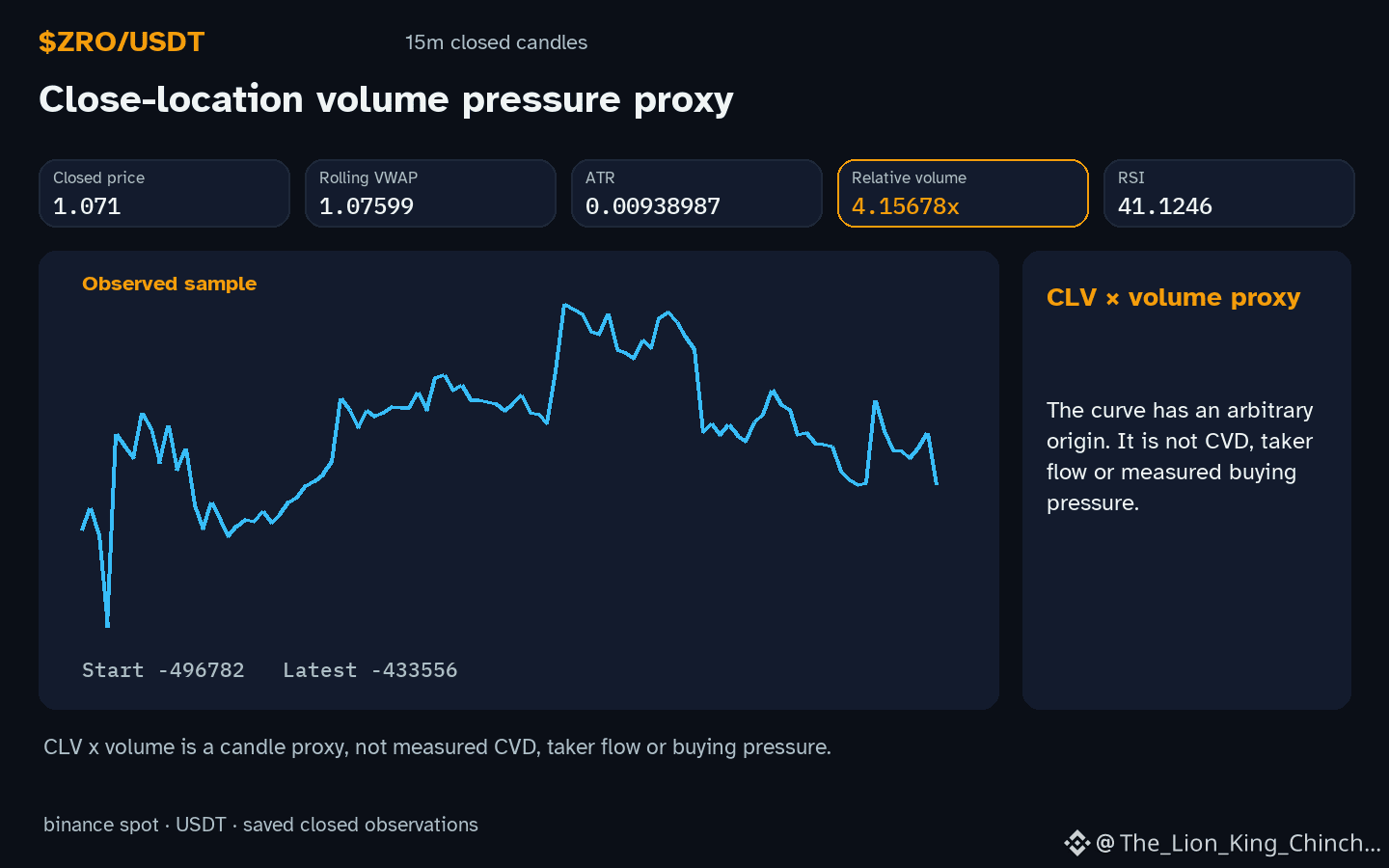
$ZRO: ZRO shows an hourly direction down while volume sits 4.16x baseline, raising a clear question: how should creators treat platform incentives without compromising educational value?
### The question
When a content system rewards posts based on engagement, writers may feel pressure to frame analysis as sensational. The observation of a down move and high relative volume offers a factual snapshot, but the incentive structure can subtly shape how that snapshot is presented.
### Evidence and an alternative
The current data point is simple: the market is moving lower and traders are actively trading, as indicated by the volume ratio. One interpretation highlights a potential sell signal; another emphasizes that volume alone does not confirm intent. A neutral alternative focuses on the metric itself, noting that 4.16x baseline simply measures activity relative to recent candles, without implying direction.
### A practical self‑check
Readers can separate fact from persuasion by asking: does the argument rely on the volume number itself, or on an implied narrative? If the next hourly candle closes with a modest change -0.649351% opposite to the suggested narrative, the earlier framing weakens. Tracking whether future evidence aligns with the original claim provides a concrete way to reassess.
By applying this self‑check, creators can responsibly discuss observations while remaining aware of the ethical tension between engagement incentives and honest analysis.
Probabilistic market research, not a recommendation or guaranteed return.
For a wider view: $ETH has hourly direction up and volume not above its baseline; $ACE has hourly direction down and volume not above its baseline. This alone does not establish correlation.
#ZRO