
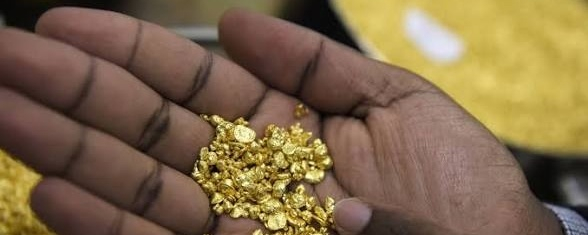

Gold has been under heavy pressure in recent weeks, but the story behind the move is more complex than a simple “risk-off” narrative. Here’s a clear breakdown of the key fundamental drivers shaping the market in late November 2026.
⭕The Main Headwinds
1. Federal Reserve Policy
This remains the biggest short-term challenge for gold. Markets are almost fully pricing in a rate hike at the December Fed meeting. Higher interest rates increase the opportunity cost of holding a non-yielding asset like gold. As real yields have risen, the metal has struggled to find strong buying interest.
2. Stronger US Dollar
A firm dollar continues to act as a headwind. When the greenback strengthens, gold becomes more expensive for buyers using other currencies, which naturally weighs on demand.
3. Equity Market Liquidation
The recent sell-off in AI and technology stocks has forced many investors to raise cash. Gold positions have been sold as a source of liquidity, adding extra downside pressure beyond pure macro factors.
4. Sticky Inflation
Recent inflation data has kept the Fed in a hawkish mood. As long as price pressures remain elevated, the path of least resistance for rates stays higher — and that environment is typically unfriendly for gold in the short term.
🛑The Longer-Term Supports Still Intact
Despite the recent correction, several structural drivers remain supportive:
✅Central bank buying is still strong. Official sector purchases reached 321 tonnes in the third quarter and remain well above historical averages. This type of demand is far less sensitive to short-term interest rate moves.
✅Geopolitical uncertainty and the ongoing trend of reserve diversification continue to provide a floor under the market.
✅Fiscal concerns in major economies keep gold relevant as a long-term hedge against debt and currency risks.
✅Looking further ahead, many major banks still expect gold to recover once the Fed finishes its tightening cycle.
⭕The Current Balance
In the near term, gold is caught between two forces: a hawkish Federal Reserve and a strong dollar on one side, and persistent central bank demand plus longer-term structural supports on the other.
The recent decline looks more like a corrective phase after a powerful multi-year rally rather than a complete breakdown of the fundamental case. However, until rate expectations soften or the dollar loses momentum, the path of least resistance remains lower.
The next few weeks — especially the upcoming inflation data and the December Fed meeting — will be critical in determining whether gold can stabilize or if further downside is still ahead.
What’s your view? Are we closer to a bottom, or is more correction still needed?

