
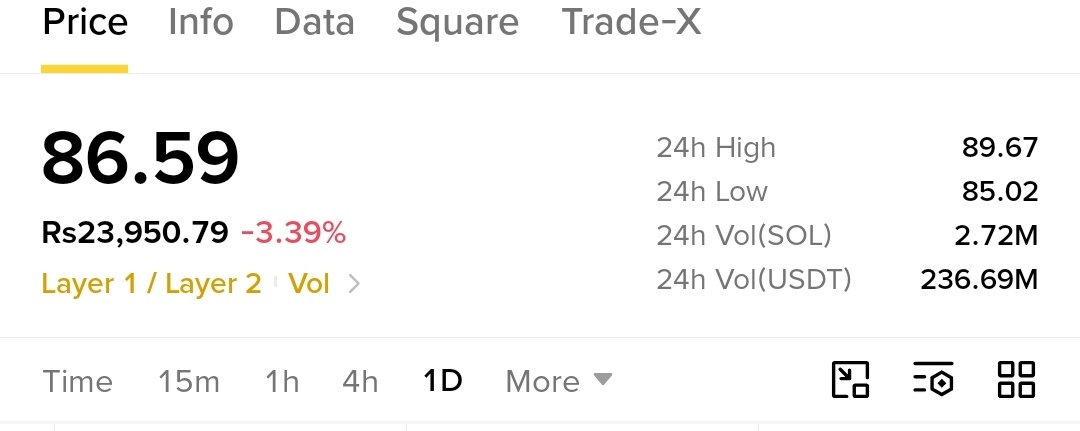

Solana (SOL) is an ultra-high-speed, single-layer (Layer 1) blockchain designed for decentralized applications (dApps), decentralized finance (DeFi), and real-time Web3 payments. Conceptualized in 2017 by Anatoly Yakovenko and launched in March 2020, its primary goal is to provide institutional-grade performance with sub-second execution and transaction fees that cost fractions of a penny.
1. How Solana Works: The Technology Stack
Unlike Ethereum—which relies on Layer 2 rollups to scale—Solana scales directly on its base layer using a monolithic architecture:
Proof of History (PoH): A decentralized cryptographic timestamp mechanism that establishes an verifiable chronological sequence of events before transactions are batched. This eliminates the need for validators to communicate back and forth just to agree on timestamps, allowing the network to order events almost instantly.
Tower BFT / Alpenglow Consensus: A customized consensus engine running on top of PoH that uses validator voting to finalize blocks quickly.
Sealevel (Parallel Processing): Solana can execute thousands of non-overlapping smart contract transactions in parallel across multicore CPUs and GPUs, rather than processing them sequentially one by one.
Client Diversity (Firedancer & Agave): The development of alternative validator clients like Jump Crypto’s Firedancer has eliminated single points of failure, boosting network stability, client diversity, and throughput limits.
2. The Native Token: SOL & Tokenomics
SOL is the backbone of the Solana economy, serving three primary functions:
Transaction Fees (Gas): Every transfer, smart contract deployment, and token swap burns a small portion of SOL. Base fees are typically under $0.005.
Staking & Security: Solana operates on Delegated Proof of Stake (PoS). Holders delegate SOL to validator nodes to help validate transactions and secure the ledger, earning annual staking yields in return.
Decentralized Finance Collateral: SOL functions as the base currency and primary liquidity pair across decentralized exchanges (e.g., Raydium, Orca), NFT marketplaces, and lending protocols.
Supply Dynamics:
Solana does not have a fixed hard cap like Bitcoin. It launched with a disinflationary schedule starting around 8% annual inflation, declining by 15% each year toward a fixed long-term terminal rate of 1.5%. A portion of base transaction fees is permanently burned to counteract new token issuance.
3. Sola 4. Strengths & Challenges
Advantages: Unmatched on-chain liquidity speed, deep decentralized exchange activity (Jupiter, Raydium), real-world asset (RWA) tokenization, and rapid adoption by institutions and retail consumers.
Risks: The demanding hardware requirements required to process blocks at this scale mean validator operations are more centralized around enterprise-grade servers compared to older blockchains. In past years, high-volume spam also caused temporary chain congestion, though major protocol optimizations and fee markets have significantly hardened network stability. 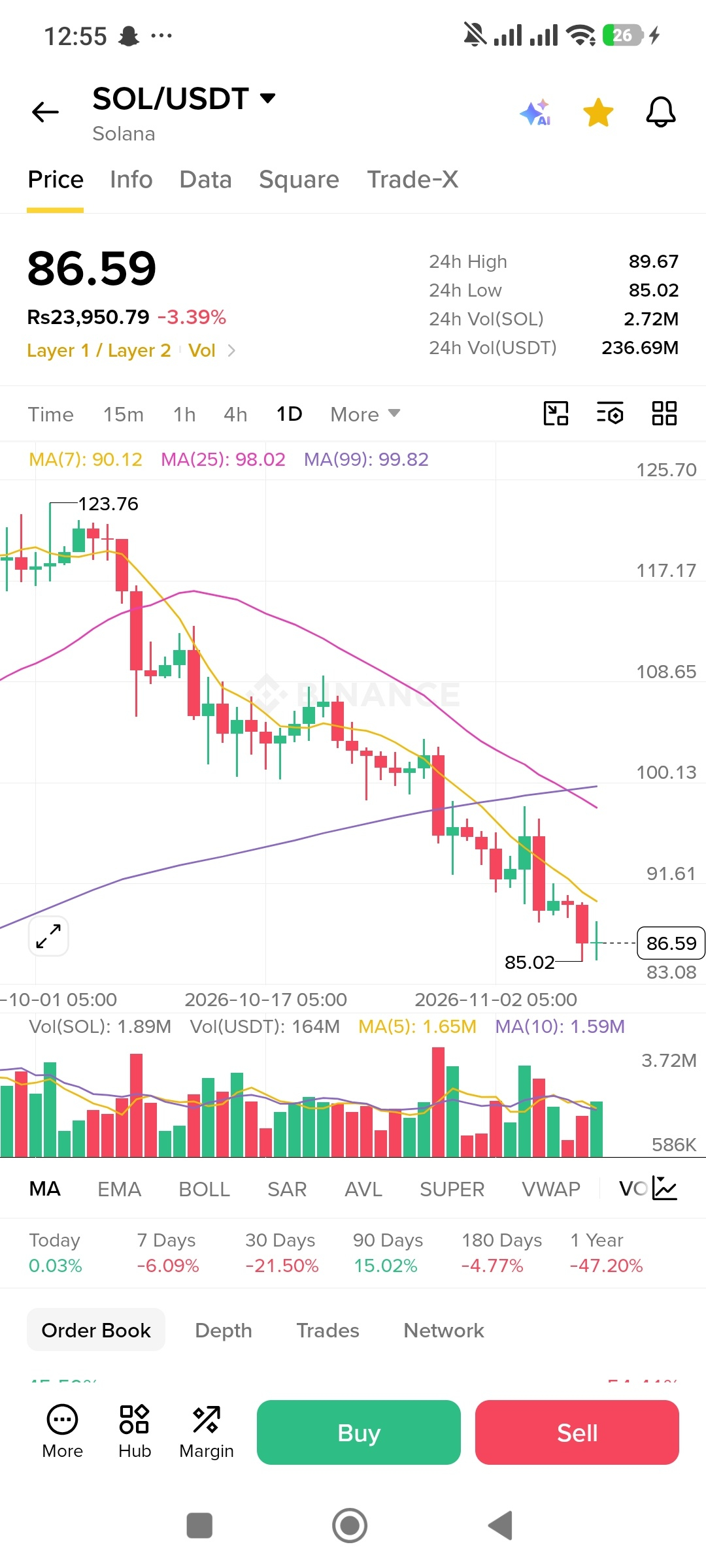
#solna