
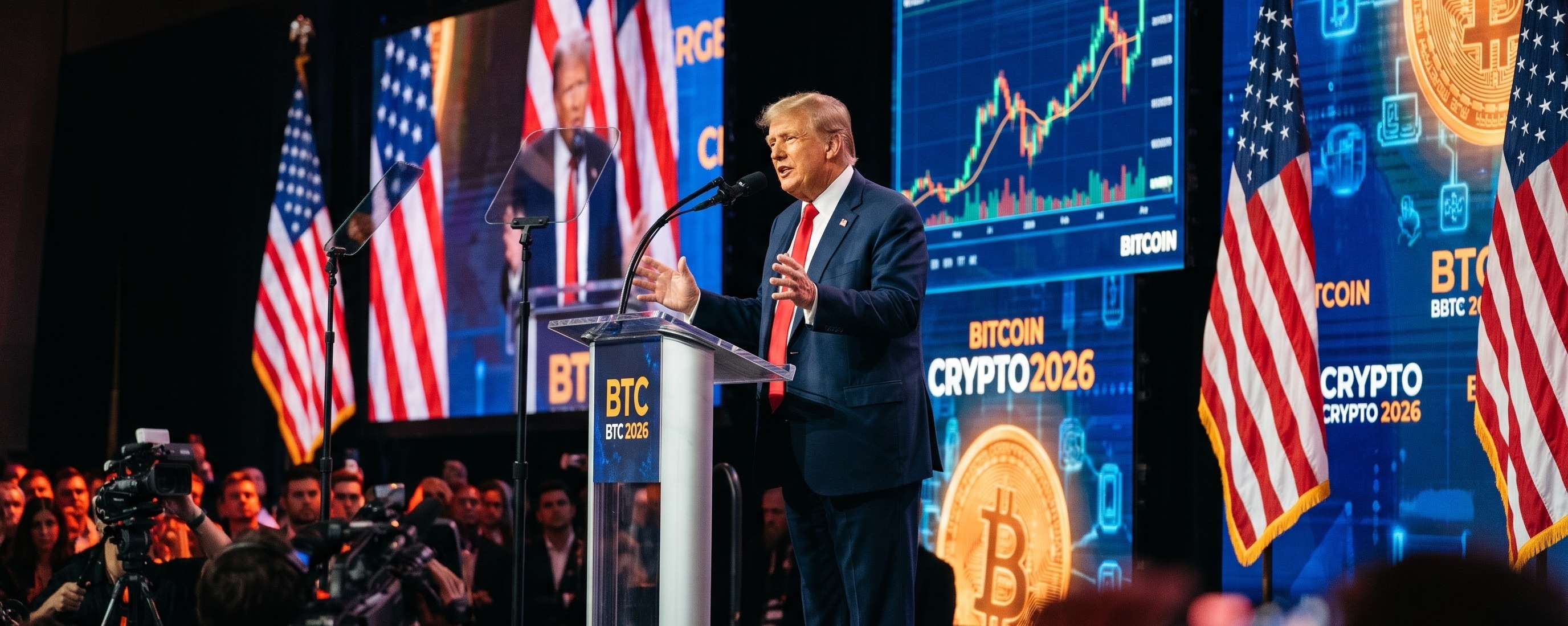

Presidential Visions and Global Stakes
The dialogue surrounding digital assets has moved from niche internet forums straight into the heart of presidential rhetoric. George W. Bush governed in an era dominated by legacy banking, yet his administration faced the onset of modern digital surveillance and globalized capital controls—the very soil from which Satoshi Nakamoto’s Bitcoin emerged.
When Barack Obama took office during the 2008 financial crash, tech-driven alternatives gained rapid momentum. The Obama administration fostered silicon innovation while cautiously eyeing regulatory boundaries, acknowledging the structural evolution of fintech without fully surrendering traditional monetary authority.
Then arrived Donald Trump, who radically shifted the political crypto landscape. Transitioning from early skepticism to full-throated advocacy, Trump branded decentralized finance as an economic imperative for national dominance. His vocal backing turned digital currency policies into front-page election debates, driving high-volume volatility across exchanges every time regulatory frameworks were mentioned.
In the bustling trading lounges of Dubai and the wider Gulf, the refrain "Yallah, Habibi, buy the dip" has become a fixture of local market culture. Influential family offices and traders like Hamdani operate alongside Western institutional capital, sizing up liquidity moves across Binance's depth charts.
Whether observing an institutional shift in Bitcoin's dominance or monitoring the high-risk, volatile spasms of Luna tokens, sentiment swings instantly. When candles turn red, panic grips the order books; when momentum surges green, elation takes over. From presidential podiums in Washington to private OTC desks in the Middle East, the market never sleeps.