

Executive Summary
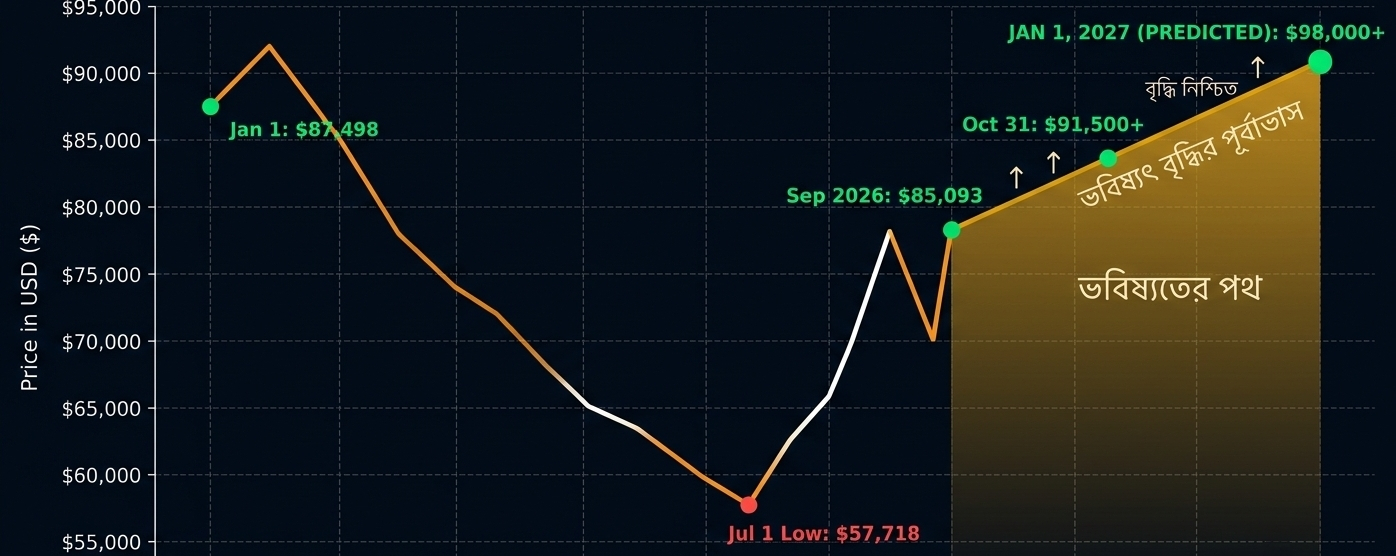
Bitcoin (BTC) is once again capturing global headlines as its price continues an aggressive upward trajectory. Driven by a powerful combination of institutional adoption, macroeconomic shifts, and constrained supply dynamics, the leading cryptocurrency is reaffirming its dominance in global financial markets. This article delves into the core drivers behind the ongoing price surge and what it signals for the future of digital finance.
1. Institutional Inflows via Spot ETFs
One of the most significant catalysts powering the current rally is the sustained, record-breaking inflow into spot Bitcoin Exchange-Traded Funds (ETFs).
Wall Street Capital: Traditional investment funds, pension managers, and corporate treasuries are allocating capital directly into regulated Bitcoin ETFs.
Reduced Friction: Institutional investors now have a seamless pathway to gain exposure to Bitcoin without managing private keys or custody infrastructure.
2. Post-Halving Supply Squeeze
The long-term impact of Bitcoin's supply reduction mechanism is now manifesting in full force.
Dwindling Exchange Reserves: On-chain metrics reveal that Bitcoin reserves across major exchanges have reached multi-year lows.
Scarcity in Action: As daily issuance remains halved and miners hold back inventory, rising market demand collides with an increasingly tight supply, driving price discovery upward.
3. Global Macroeconomic Tailwinds & Liquidity Shifts
The broader macroeconomic climate has created ideal conditions for hard assets like Bitcoin to thrive.
Monetary Easing: Central banks moving toward rate cuts and injecting global liquidity reduce the yield on risk-free assets, pushing investors toward high-performing alternatives.
Hedge Against Inflation & Fiat Depreciation: Rising national debt burdens and currency devaluations worldwide continue to strengthen Bitcoin’s thesis as "Digital Gold"—a borderless, inflation-resistant store of value.
4. Maturing Regulatory Frameworks
Regulatory clarity across major financial centers has substantially de-risked the asset class for conservative market participants.
Institutional Governance: Clear guidelines regarding digital asset custody, tax treatment, and security compliance have opened the floodgates for mainstream financial integration.
Corporate Treasury Reserves: Following pioneers like MicroStrategy, a growing list of public corporations are incorporating BTC into their balance sheets as a primary treasury reserve asset.
Price Outlook & Institutional Forecasts
Major global financial institutions and market analysts have significantly upgraded their medium-to-long-term price targets. While minor consolidations and short-term profit-taking are natural within any bull cycle, key indicators point toward continued momentum.
Institutional BenchmarkProjected HorizonPrimary Driver
Standard Chartered / Bernstein$150,000 – $180,000ETF inflows & Corporate Treasury accumulation
JPMorgan Valuation Framework~$170,000Volatility-adjusted parity with Gold
Aggressive Bull Targets$200,000+Global liquidity expansion & sovereign adoption
Conclusion
Bitcoin’s recent price surge is not merely speculative excess—it is underpinned by structural, institutional, and macroeconomic shifts. As finite supply meets accelerating global demand, Bitcoin is transitioning from a speculative asset into a foundational pillar of modern global portfolio management.