
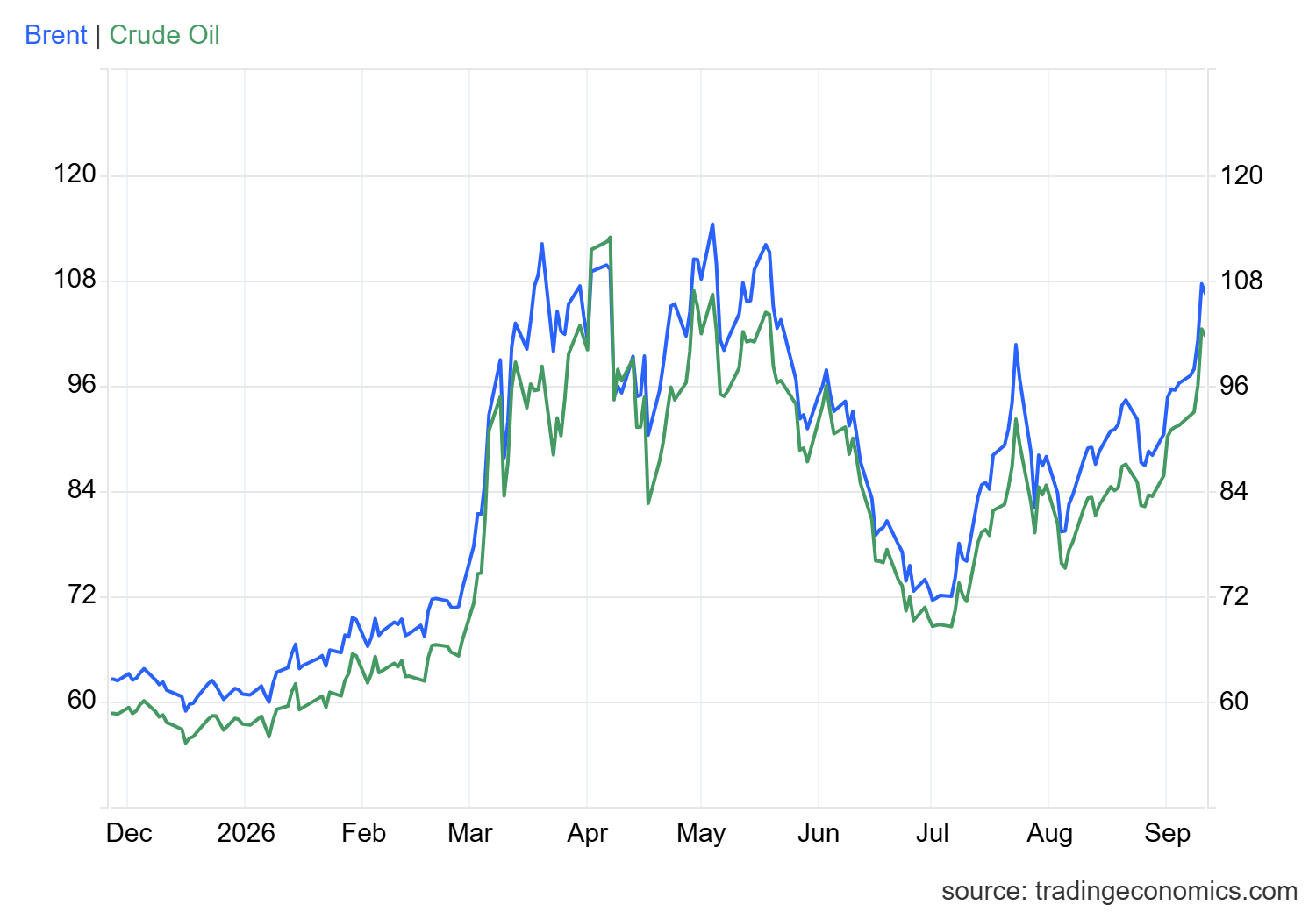
Oil found another gear this week, and everything else took notice. Brent broke above $107 a barrel, a three-month high. U.S. crude climbed back over $100 for the first time since May. None of that stayed contained in the energy pit. Traders are now pricing a 70% chance the Federal Reserve raises rates next week, with a hike by October fully baked in, as the war between the U.S. and Iran grinds on and fresh strikes keep landing on tankers and infrastructure across the region.
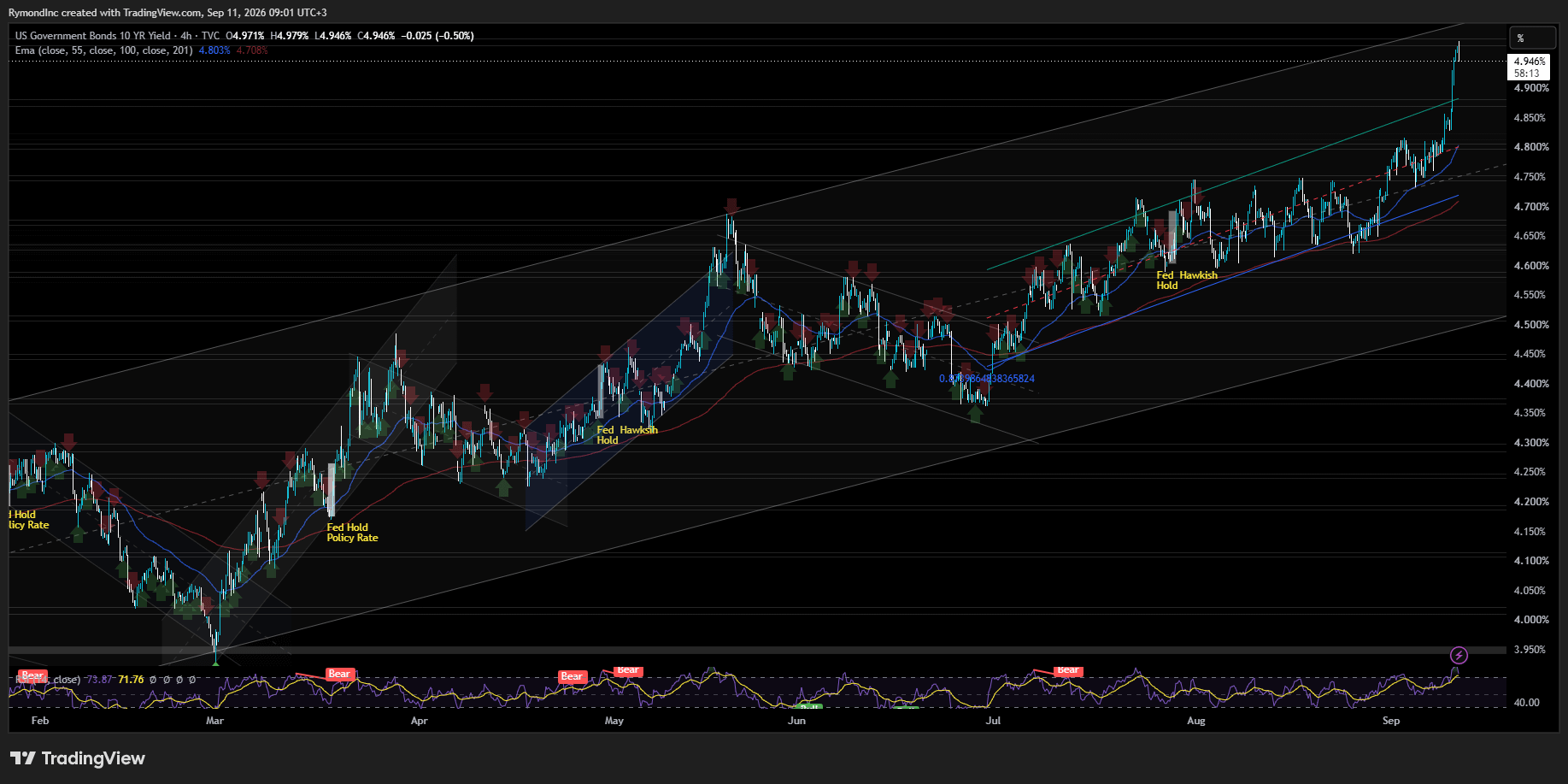
Bonds felt it first, or at least the loudest. The 10-year Treasury yield hit its highest level since 2023. A $6 billion buyback plan barely registered against it. Inflation and rising energy costs did the heavy lifting.
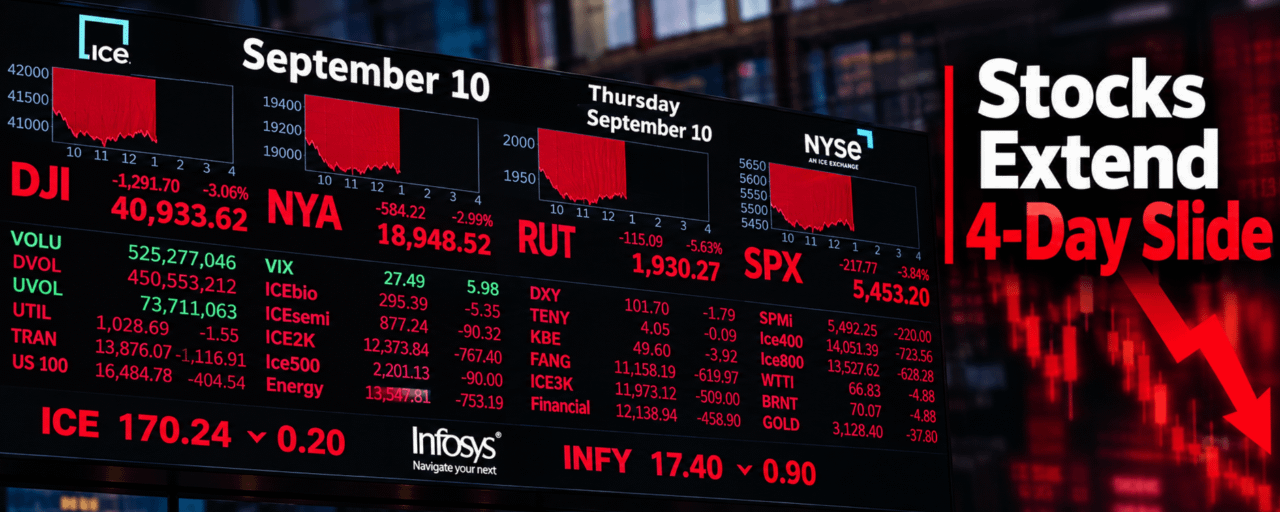
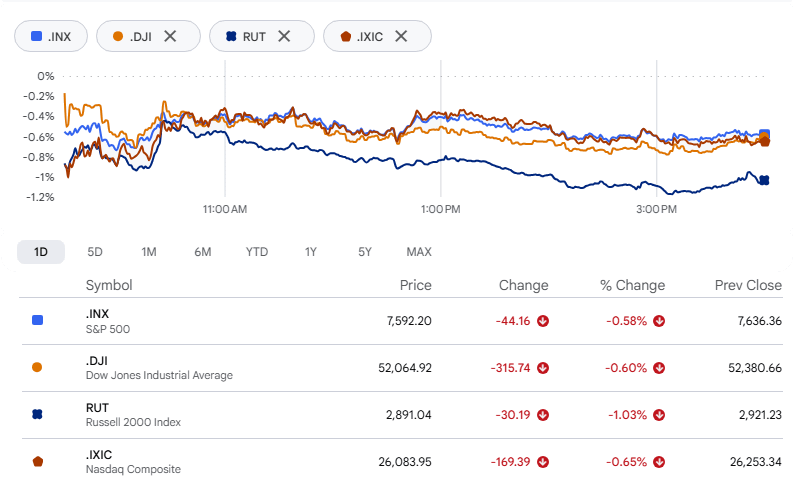
Stocks closed lower Thursday, a fourth straight decline. Investors were still digesting a hotter-than-expected producer price report, with Friday's consumer inflation number looming as the last data point before the Fed meets. The 30-stock Dow shed 316.56 points, 0.6%, to settle at 52,064.10. The broad S&P 500 lost 0.58%, closing at 7,591.70. The tech-heavy Nasdaq slipped 0.65% to 26,081.72. Small caps had it worse. The small-cap Russell 2000 fell more than 1%, to 2,891.04.
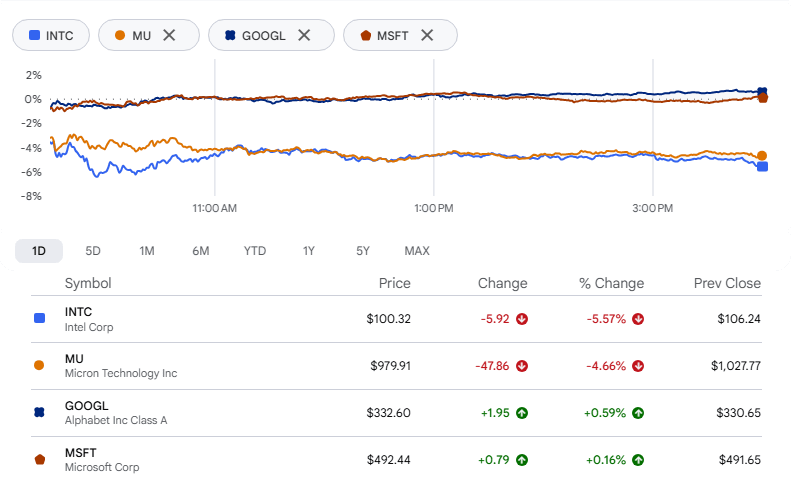
Chip stocks did not help. They have carried this bull market for months, and Thursday, they got a taste of what happens when the story flips: higher rates, pricier oil, and suddenly the same names that look best when growth is easy look shakiest when it is not. Intel dropped 5.6%. Micron fell 4.7%, right behind it. The hyperscalers shrugged it off, mostly. Alphabet and Microsoft each ended the day up, barely, less than a point.
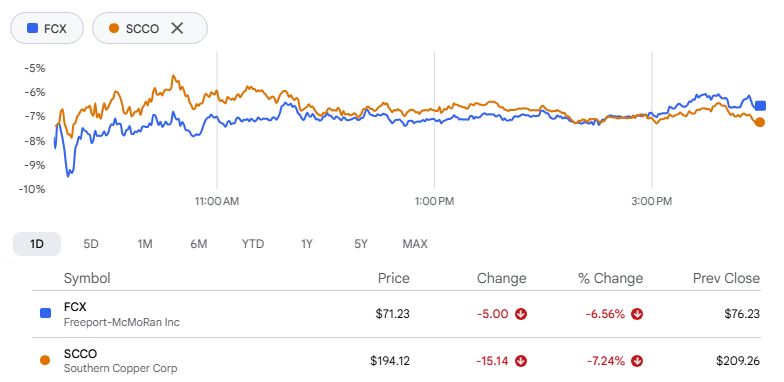
Copper had the stranger day. Futures dropped nearly 5% on reports that Washington might back off tariffs on imported refined metals, the same tariffs that had sent copper prices to records just days earlier. The logic, apparently: protecting domestic producers was starting to look like punishing domestic manufacturers instead. Traders had spent the week rerouting shipments into U.S. warehouses to ride the tariff premium, which only tightened supply everywhere else. Now that trade is unwinding, pulling mining stocks down with it. Freeport-McMoRan and Southern Copper each lost roughly 7%.
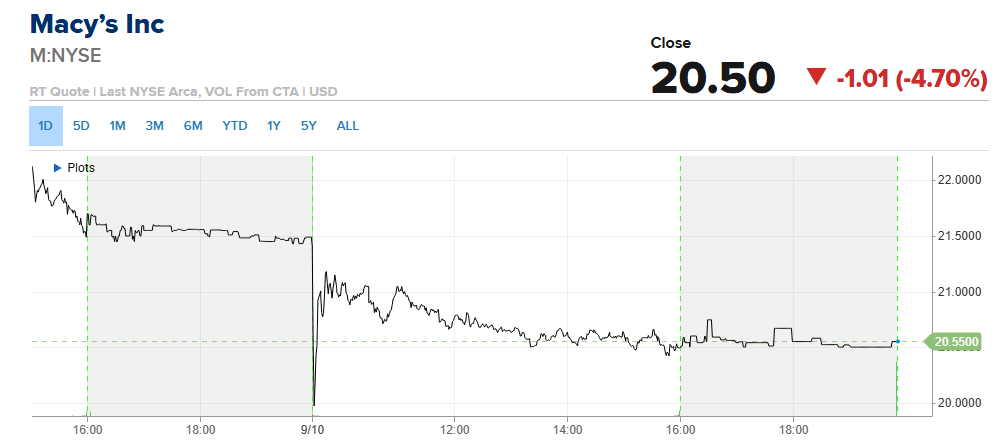
Macy's beat. Macy's fell anyway. Shares slid nearly 4.7% even after a second-quarter beat and raised guidance, proof that a good quarter does not automatically buy goodwill for a retailer with Macy's recent history. Adjusted earnings came in at 40 cents a share, though it was not immediately clear whether that lines up cleanly with the 37 cents analysts polled by LSEG had expected. Revenue was $4.87 billion, ahead of the $4.83 billion forecast. The company is in the home stretch of a three-year turnaround under CEO Tony Spring, betting on growth and heavier investment in the stores already earning their keep, against a backdrop that has been brutal for department stores generally.
Oracle had the opposite night. Shares jumped 4% after hours once fiscal first-quarter numbers came in well ahead of estimates: adjusted earnings of $1.92 a share against $1.74 expected, revenue of $19.35 billion against $19.14 billion. Revenue climbed nearly 30% year over year. Net income nearly doubled, to $4.68 billion from $2.93 billion.
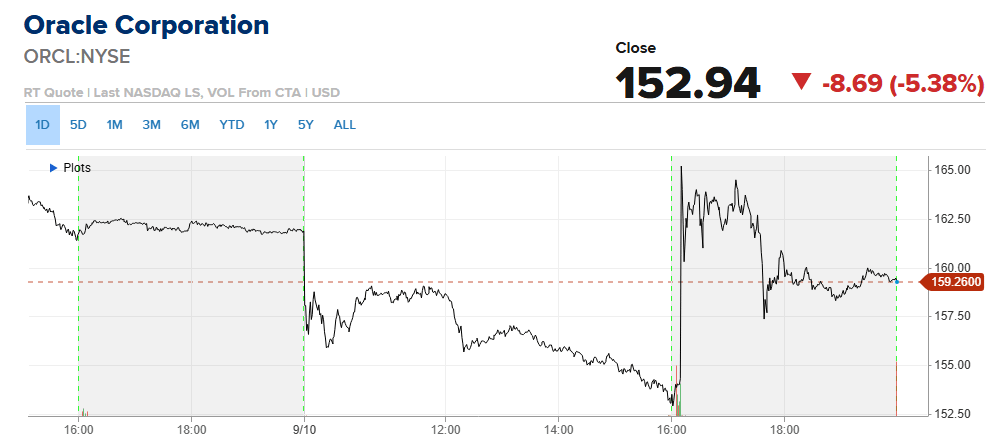
Cloud did the heavy lifting. Cloud revenue jumped 62%, to $11.61 billion, beating estimates outright, while cloud infrastructure revenue more than doubled to $7.4 billion as Oracle kept pouring capacity into its AI data center business, adding 850 megawatts in the quarter alone. Guidance for next quarter calls for adjusted earnings of $1.85 to $1.93 and revenue growth of 30% to 34%. The company also lifted its fiscal 2027 targets to at least $90 billion in revenue and $8.10 in adjusted earnings, both above what Wall Street had penciled in. None of that comes free. Capital spending soared to $28.5 billion from $8.5 billion a year ago to fund the buildout, pushing debt to $125 billion and free cash flow into the red by $5.4 billion. Full-year capex guidance did not budge. And despite all of it, Oracle finished the regular session down more than 5%. The after-hours pop came once the damage was already done.
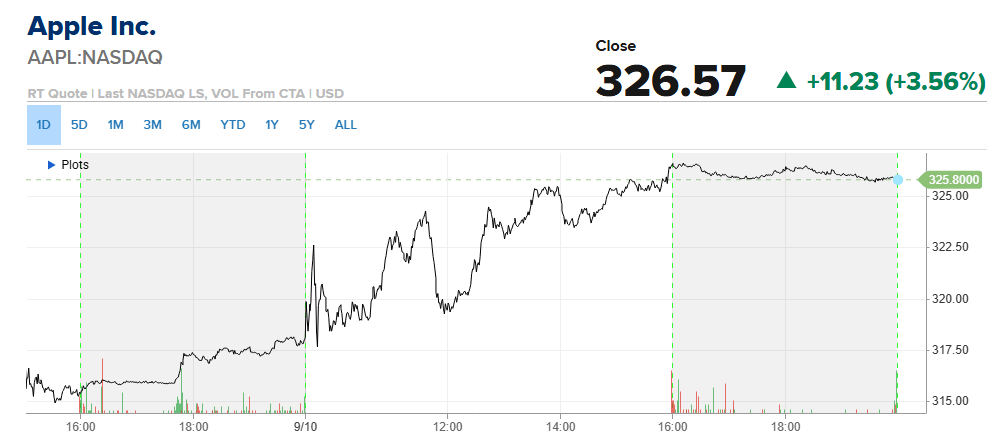
Apple had a simpler day. Shares closed up nearly 4% Thursday as the company's first foldable phone, the iPhone Duo, hit the market, and the gains carried into Friday's session. The verdict on price was relief more than anything: $2,000 to start, well under the $2,500 ceiling some analysts had braced for.
Sector Analysis:
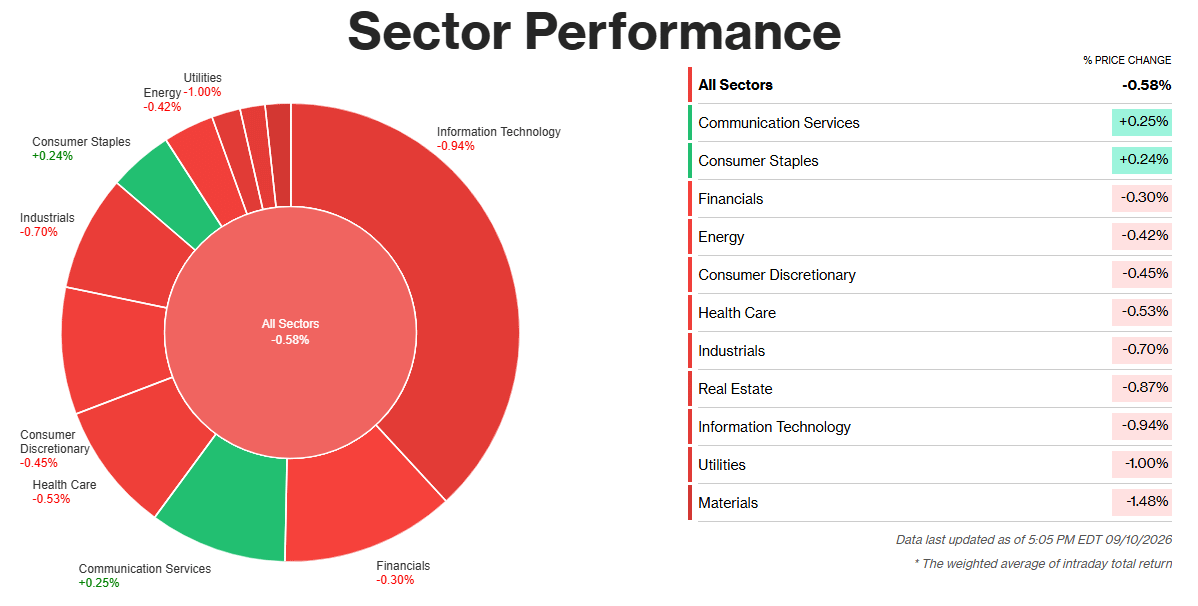
Just two of the S&P 500's eleven sectors closed higher Thursday, and neither move was dramatic. Communication Services rose 0.25%, Consumer Staples 0.24% — modest gains, but enough to separate them from a market now down four sessions running.
Meta Platforms drove much of Communication Services' strength after unveiling an autonomous AI assistant that can book travel, draft emails, and complete purchases on its own. Shares jumped in early trading before giving back ground into the close, while Reddit extended its recent run higher. Alphabet lagged.
Consumer Staples' advance read more as a safety trade than a growth story. With oil approaching $100 a barrel and Treasury yields climbing, investors leaned into names seen as insulated from both — even as several food stocks within the sector struggled. That kind of defensive positioning tends to unwind once markets find their footing, rather than mark the start of a lasting trend.
Worst-Performing Sectors
Materials led the declines, down 1.48%, after gold and silver reversed sharply on news that the Treasury Department plans to buy back far less long-term debt than expected. The disclosure pushed yields higher and knocked the legs out from under precious metals, dragging mining stocks down with them.
Utilities fell 1.00% for a more familiar reason. The sector borrows heavily to fund infrastructure, which makes it unusually exposed to Treasury yields sitting near their highest level since 2023 — a tough backdrop for rate-sensitive dividend payers.
Information Technology slid 0.94%, pressured by Adobe's post-earnings selloff. The company beat estimates, but guidance failed to convince investors that AI is meaningfully accelerating growth, and shares fell hard well before Oracle's stronger report landed after the close. Money rotating out of expensive growth names and into value sectors like managed care added to the pressure.