
Bitcoin is the first and most popular cryptocurrency. Some see it as an innovative payment method while others value it as “digital gold”.
It’s a decentralized digital currency: not issued or controlled by any government or central authority.
Bitcoin lets you send and receive digital money via a global peer-to-peer network.
It’s money for the internet age: borderless, secure, and transparent.
Amid the 2008 financial crisis, trust in banks and governments was at an all-time low.
People panicked as their assets lost value and financial institutions crumbled.
Then, an anonymous figure named Satoshi Nakamoto introduced Bitcoin—a new form of money that would change the world forever.
On January 3, 2009, the Bitcoin Genesis Block was mined. In its code, Satoshi embedded a simple yet powerful message:
The Times 03/Jan/2009 Chancellor on brink of second bailout f
Bitcoin runs on blockchain technology—a public ledger kept by a distributed network of computers.
Think of the blockchain as a book, where each page (block) is filled with transactions. Each block has a link to the previous block, forming a continuous chain.
Once added, transaction data can’t be changed, making it secure and tamper-proof.
Each computer holds a local copy of the ledger. If Alice sends 1 BTC to Bob, this is recorded on the blockchain for all to see, and everyone’s copy is updated.
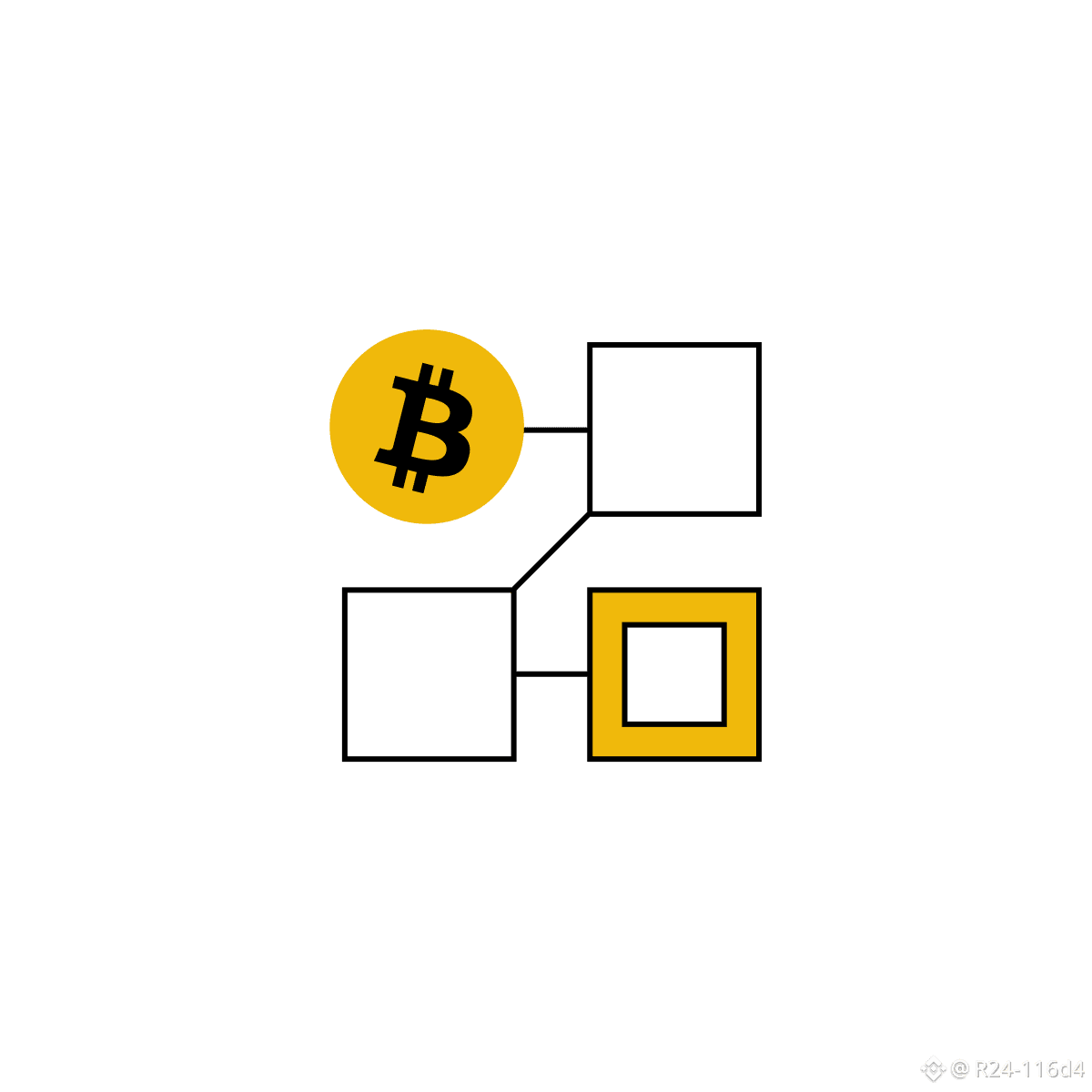
Mining is the process of verifying and adding new transactions to the blockchain:
Miners use powerful computers to solve complex math puzzles. This verification system is called Proof of Work (PoW).
The first miner to solve the puzzle adds a new block and earns brand-new bitcoins as a reward.
Mining keeps the network safe and ensures only legitimate transactions are recorded.
Mining rewards halve roughly every 4 years, slowing Bitcoin creation until the 21 million cap is reached.
Since many coins were lost throughout the years, the total amount of Bitcoin available is considerably lower than 21 million, which further increases its scarcity.