
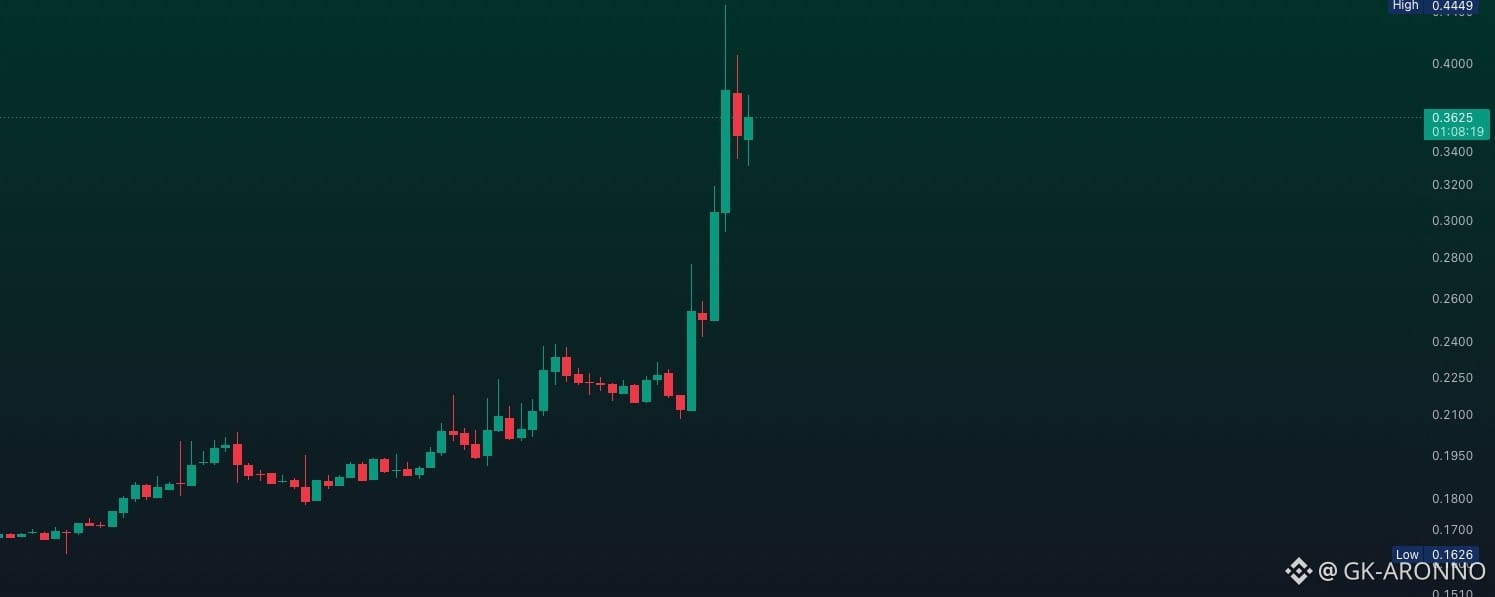


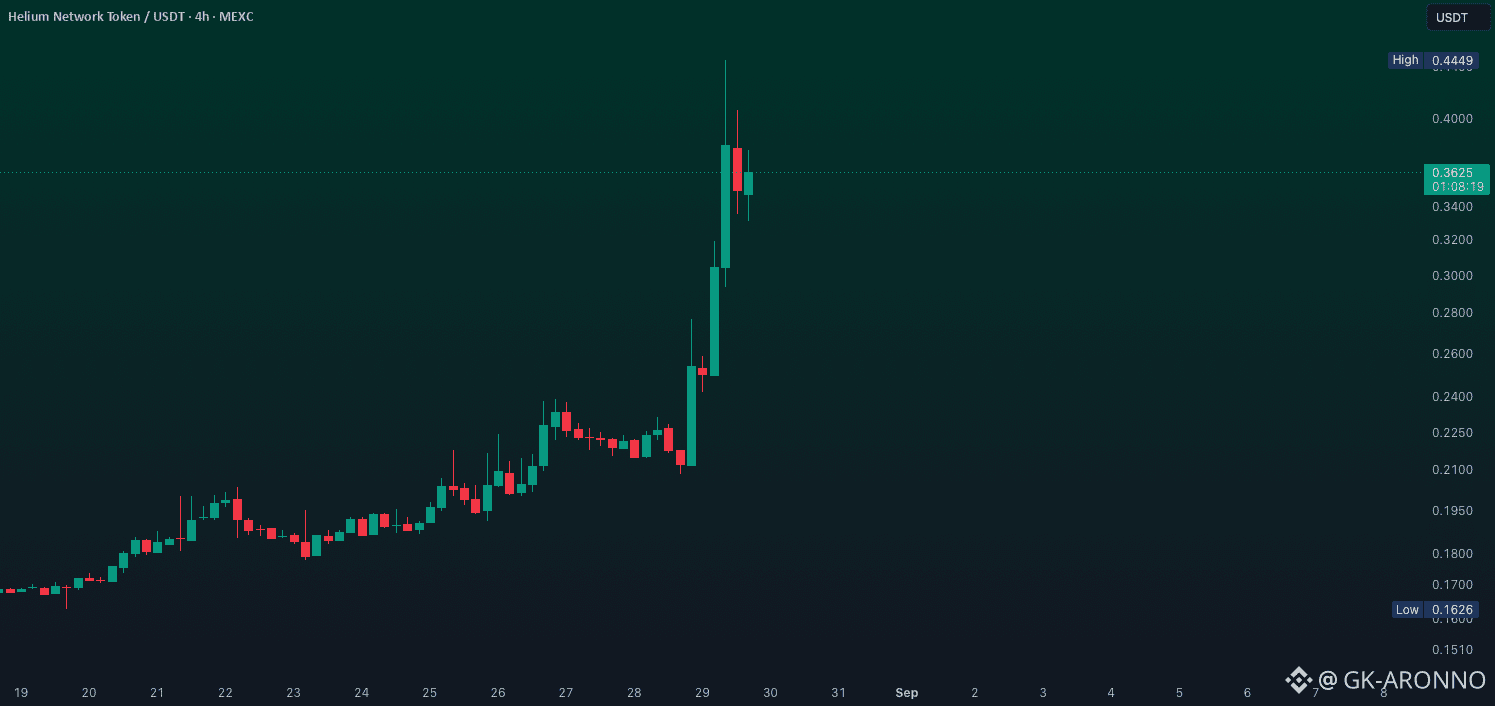
HNT Celina, Texas—the fastest-growing U.S. city—announced it is powering citywide mobile coverage using the Helium Network, repurposing existing public Wi-Fi at libraries and businesses. This "carrier offload" deployment handles about 100 GB of data daily without new cell towers, showcasing a capital-efficient model for expanding decentralized wireless infrastructure. This is bullish for HNT because it validates Helium's real-world utility and provides a tangible blueprint for municipal adoption. The news directly fueled a near-doubling in price and market value, demonstrating investor appetite for proven DePIN use cases beyond speculation. HNT's price skyrocketed, creating a powerful short squeeze. Data shows HNT's weighted funding rate plunged, indicating extreme bearish positioning in futures markets before the rally forced short liquidations. This event highlights high volatility and leveraged trading risk around HNT. While the squeeze provided explosive upside, the resulting overbought conditions—with a daily RSI —now pose significant downside risk if bullish momentum fades and profit-taking ensues. The Helium community activated HIP-149, establishing a $0.05/GB minimum and $0.30/GB maximum for deployer earnings. This change creates a predictable incentive safety net for operators who provide wireless coverage, and includes a rule to recycle HNT already burned for the same data. This is a neutral-to-bullish development for HNT's long-term economics. It makes operating a hotspot more economically viable, which could encourage network growth and stability. However, it does not directly increase network usage or token demand in the short term. Helium's trajectory is currently defined by a potent mix of verified real-world adoption and volatile, speculation-driven price action. Can the network convert this burst of attention into sustained growth and usage that supports its new tokenomics?