𝗧𝗛𝗘 𝗠𝗢𝗦𝗧 𝗜𝗡𝗧𝗘𝗥𝗘𝗦𝗧𝗜𝗡𝗚 𝗣𝗔𝗥𝗧 𝗢𝗙 𝗔 𝗦𝗖𝗔𝗟𝗔𝗕𝗟𝗘 𝗕𝗟𝗢𝗖𝗞𝗖𝗛𝗔𝗜𝗡 𝗜𝗦 𝗪𝗛𝗔𝗧 𝗜𝗧 𝗔𝗟𝗟𝗢𝗪𝗦 𝗗𝗘𝗩𝗘𝗟𝗢𝗣𝗘𝗥𝗦 𝗧𝗢 𝗔𝗦𝗦𝗨𝗠𝗘
Developers can think about more users.
More transactions.
More interactions.
More complex application economies.
More automated services.
That is the real value of scalability.
It changes the boundaries of product design.
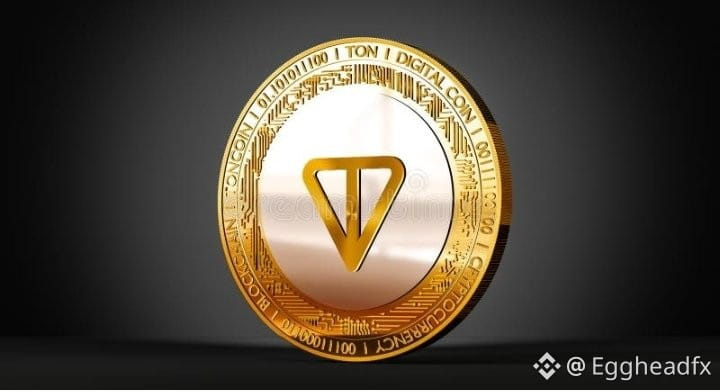
TON's sharding-oriented architecture is designed around handling distributed workloads as the network grows.
That matters because the applications of tomorrow may create activity patterns that today's blockchain designers cannot predict.
Scalability is therefore not merely a benchmark.
It is design freedom.
@ston_fi @ton_blockchain #TON #Scalability #Builders
Developers can think about more users.
More transactions.
More interactions.
More complex application economies.
More automated services.
That is the real value of scalability.
It changes the boundaries of product design.
TON's sharding-oriented architecture is designed around handling distributed workloads as the network grows.
That matters because the applications of tomorrow may create activity patterns that today's blockchain designers cannot predict.
Scalability is therefore not merely a benchmark.
It is design freedom.
@ston_fi @ton_blockchain #TON #Scalability #Builders