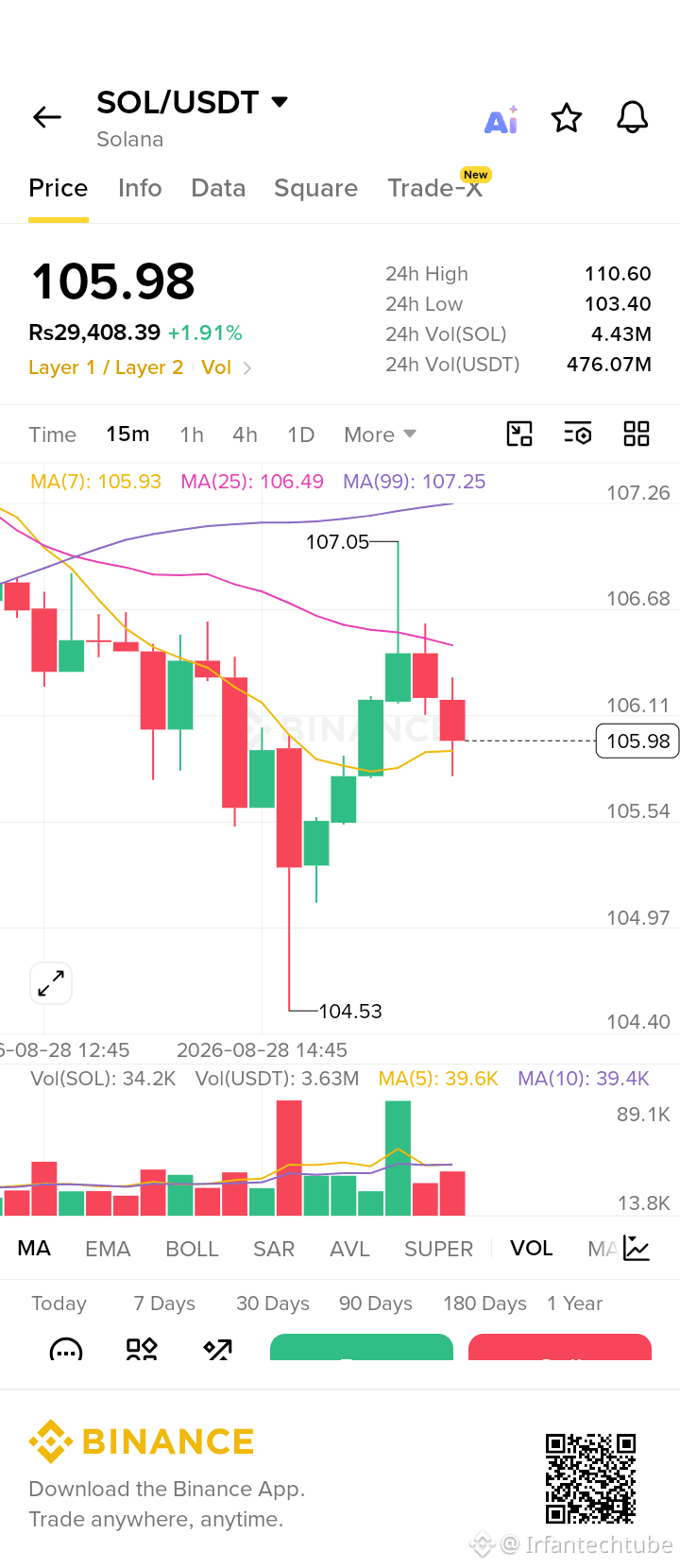
Solana: The High-Speed Engine of Web3
Solana has emerged as one of the most prominent blockchain platforms in the cryptocurrency ecosystem. Founded by Anatoly Yakovenko in 2017 and launched officially in 2020, it was engineered specifically to address the scalability and speed limitations of earlier networks like Bitcoin and Ethereum.
At the core of Solana’s breakthrough performance is Proof of History (PoH), a novel cryptographic consensus mechanism that acts as an internal timestamp clock. By allowing network nodes to verify the sequence and passage of time between events independently, Solana drastically reduces communication overhead among validators. Consequently, the network can process tens of thousands of transactions per second (TPS) with sub-second finality and near-zero fees—often costing less than a fraction of a cent per transfer.
The native utility token, SOL, powers the entire ecosystem. Users utilize SOL to pay for network transaction fees, interact with smart contracts, and stake tokens to help secure the blockchain in exchange for yield rewards. Because of its low latency and high throughput, Solana has become a leading base layer for decentralized finance (DeFi), NFT marketplaces, web3 gaming, real-world asset tokenization, and micropayment infrastructure.
While the platform has experienced growing pains—including periodic network congestion and stability challenges during high-traffic surges—it remains a primary technological driver aiming to bring decentralized applications to global consumer scale.
$SOL
#SolanaStrong #CaliforniaBillWouldBarOfficialMemeCoins
Solana has emerged as one of the most prominent blockchain platforms in the cryptocurrency ecosystem. Founded by Anatoly Yakovenko in 2017 and launched officially in 2020, it was engineered specifically to address the scalability and speed limitations of earlier networks like Bitcoin and Ethereum.
At the core of Solana’s breakthrough performance is Proof of History (PoH), a novel cryptographic consensus mechanism that acts as an internal timestamp clock. By allowing network nodes to verify the sequence and passage of time between events independently, Solana drastically reduces communication overhead among validators. Consequently, the network can process tens of thousands of transactions per second (TPS) with sub-second finality and near-zero fees—often costing less than a fraction of a cent per transfer.
The native utility token, SOL, powers the entire ecosystem. Users utilize SOL to pay for network transaction fees, interact with smart contracts, and stake tokens to help secure the blockchain in exchange for yield rewards. Because of its low latency and high throughput, Solana has become a leading base layer for decentralized finance (DeFi), NFT marketplaces, web3 gaming, real-world asset tokenization, and micropayment infrastructure.
While the platform has experienced growing pains—including periodic network congestion and stability challenges during high-traffic surges—it remains a primary technological driver aiming to bring decentralized applications to global consumer scale.
$SOL
#SolanaStrong #CaliforniaBillWouldBarOfficialMemeCoins