
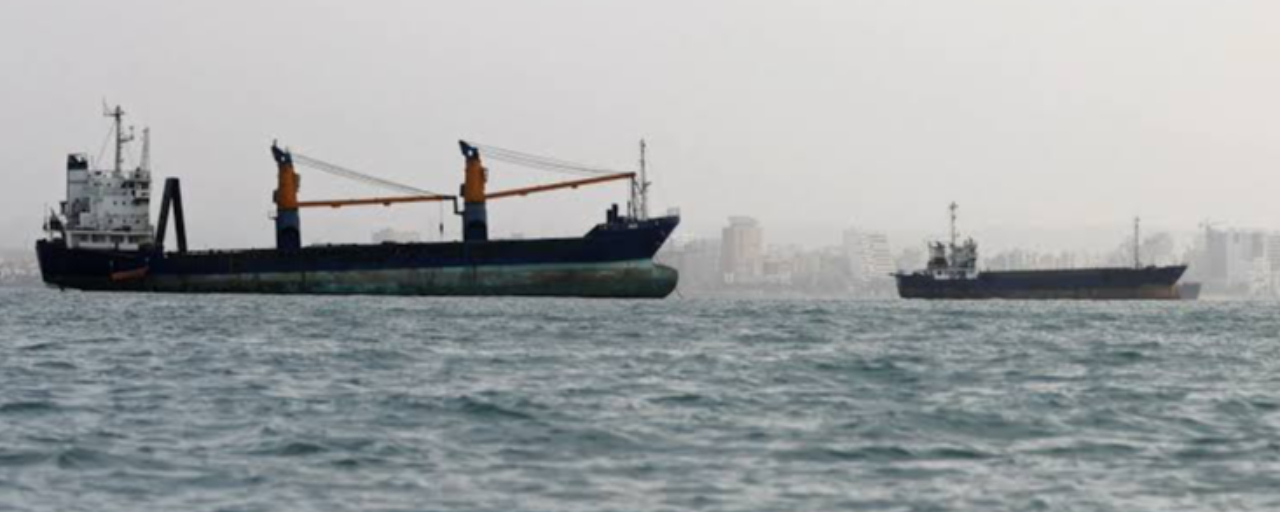

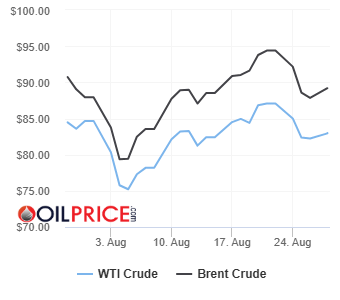
Oil prices climbed on signs that diplomatic efforts to resolve the standoff over the Strait of Hormuz have hit stumbling blocks. The White House said it has no interest in reviving the June memorandum of understanding with Iran, which throws fresh doubt on any lasting rebound in energy flows through the world's most important chokepoint. West Texas Intermediate gained 1.6% to settle near $84 a barrel, while Brent for October delivery closed close to $90 amid thin trading ahead of Friday's contract expiry. Prices have since eased in early Friday trading in Europe, with WTI at $83.29 (-0.29%) and Brent at $89.37 (-0.37%).
Washington confirmed and later reiterated confirmed that it isn't in talks with Iran, even as other countries continue working diplomatic channels of their own. That's raised concerns the Middle East conflict could drag on longer than markets had hoped.
CENTCOM commander Adm. Brad Cooper says U.S. forces have swept internationally recognized transit routes through the Strait of Hormuz clear of Iranian naval mines, taking a major threat to commercial shipping off the table. CENTCOM also says U.S. forces have escorted nearly 1,500 commercial vessels through the strait in recent months, carrying close to 750 million barrels of crude to global markets though those are military estimates, not independently verified vessel-by-vessel counts. Even with the mines cleared, traffic through the strait remains a fraction of normal, running at just 5% to 15% of pre-crisis levels.
Crude flows through the strait are creeping higher as Middle Eastern producers ramp up exports to offset Iran's lingering threats to shipping, a shift that's helping cap global oil prices. Traders monitoring cargo activity put current volumes at roughly 6 million to 8 million barrels a day moving through the chokepoint. Flows had slipped in July as Iran unleashed a wave of attacks on supertankers, and they're still running at about half of prewar levels.
President Donald Trump said the Strait of Hormuz is open, noting that 24 boats moved through the waterway overnight a possible sign that shipping conditions are turning a corner. The remarks came after U.S. forces cleared the strait's internationally recognized routes of Iranian mines. Trump also argued Iran is effectively angling for a deal, saying Tehran is "begging" for negotiations, though he added he has no interest in sitting down with Iranian officials himself.
Meanwhile, the U.S. Army says Iran hasn't exported a single barrel of oil since the naval blockade began, cutting off a crucial revenue stream for Tehran a squeeze that could tighten global supply further the longer it holds. Iranian lawmaker Amir Hayatmoghadam pushed back on Thursday, insisting that Iran controls the Strait of Hormuz and won't let vessels from the United States, France, Britain, or other "hostile countries" enter the region.
Worries over a possible widening of the Russia-Ukraine war have also picked up, following reports that CIA Director John Ratcliffe made a secretive trip to Moscow to warn Russia against striking NATO. During that visit, Ratcliffe laid out a grim picture of the Russian war effort to the head of Russia's FSB intelligence service, telling him it was time for serious negotiations before Moscow's military and economic position deteriorates further. Officials reportedly hoped that having Ratcliffe deliver the message in person would carry more weight with Vladimir Putin a reflection of long-standing doubts among CIA analysts about whether the Russian leader is getting honest assessments of the war from his own people.