
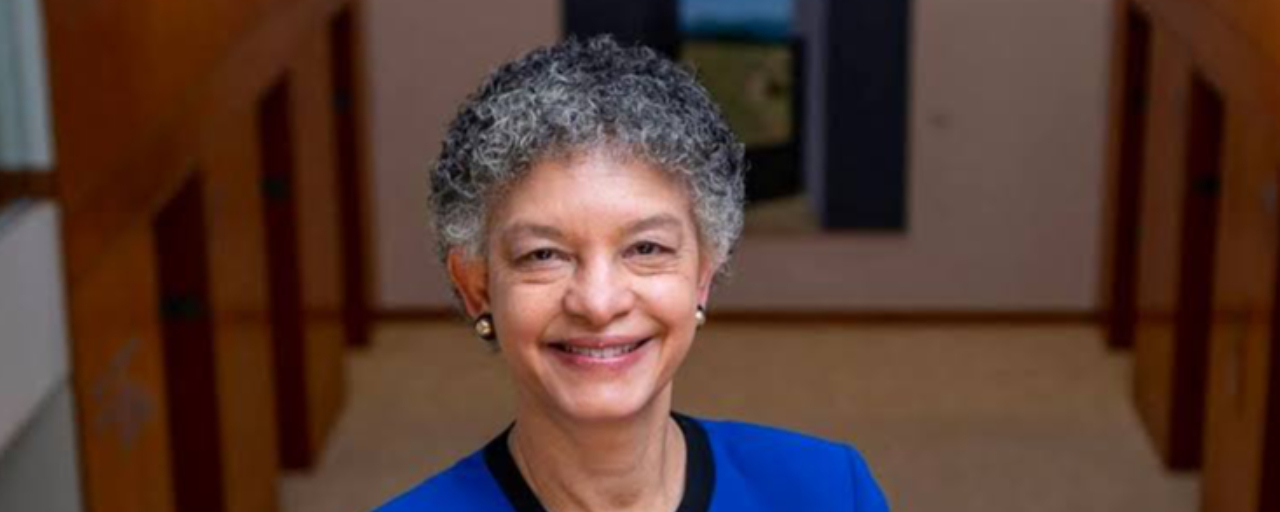

Susan Collins, President of the Federal Reserve Bank of Boston, who is not a voting member of the Federal Open Market Committee (FOMC) in 2026, having rotated off the voting seat this year under the System's regional rotation, said the latest inflation data came in mixed — the headline figure ran hotter than expected, but she pointed to promising signs underneath.
Digging into the details, she said portfolio management fees drove an outsized share of the headline miss, while market-based prices, a narrower measure that strips out prices that can't be directly observed, tracked closer to the Fed's target; the Commerce Department, she noted, is now working to measure those distorting prices differently.
That distinction shapes where she stands on policy. She's open to supporting a rate increase, but only if the data stops showing continued disinflation, and she said it would be appropriate to tighten absent clear evidence of sustained progress on inflation. Still, she counted herself among the officials who expect inflation to keep grinding lower without a hike, pointing to the housing market and tight credit conditions for small and midsize businesses as evidence that the Fed's current setting — around 3.6% — is already mildly restrictive.
On markets, Collins brushed off the recent rise in bond yields as consistent with price stability rather than a sign inflation expectations are creeping higher, and she declined to comment on Treasury Secretary Bessent's intervention despite saying she's watching yields closely.
Key Quotes:
Inflation
The July inflation report was broadly in line with my outlook, although core inflation came in higher than I had expected.
The narrower measure, which excludes prices that can't be directly observed, is more promising.
Those excluded prices drove the firmer-than-anticipated core inflation reading.
The Commerce Department is preparing to measure those prices differently.
Monetary Policy
I am open to supporting an increase if I see conditions not providing the evidence of continued disinflation I'm looking for.
It would be appropriate to tighten policy soon without evidence of sustained progress on inflation.
Many officials, including me, still expect inflation to grind lower without a rate increase.
The housing market and tight credit conditions for small and midsize businesses provide evidence that the Fed's current rate setting is mildly restrictive.
The current rate setting, at around 3.6%, is mildly restrictive.
My most recent projection in June showed rates on hold through year-end.
I would not say whether I would pencil in an increase when officials update their projections at the September meeting.
Financial Conditions
Watching bond yields closely, but declined to comment on Bessent's intervention
Recent increase in bond yields still consistent with price stability, not a sign inflation expectations are rising.