


Meta reached a historic agreement on Wednesday with 47 U.S. states, the District of Columbia, and several territories, agreeing to pay up to $17.1 billion and change some of its practices, according to The New York Times. The U.S. states had sued the owner of Facebook and Instagram, accusing it of putting young users at risk through platforms designed to encourage addictive behavior.
Meta agreed to these financial penalties for violating U.S. federal laws protecting children’s privacy, as well as local consumer protection laws. As part of the agreement, the company also agreed to limit the amount of time teenagers can spend on its platforms.
The agreement puts an end to a highly anticipated federal trial in Oakland, California, in which California, Colorado, Kentucky, and New Jersey were seeking around $200 billion. According to The New York Times, Meta will initially pay around $12 billion. This amount could increase by another $5 billion if Snap, TikTok, and YouTube reach similar agreements with the states.
The New York Times also reports that Meta has agreed to limit the amount of time teenagers can spend on its apps and ban certain features deemed harmful to mental health. These measures directly affect the core of its business model, which relies heavily on user engagement and advertising revenue.
A Stanford law professor quoted by The New York Times believes Meta only agreed to settle because the company genuinely felt vulnerable in light of the evidence presented in the case.
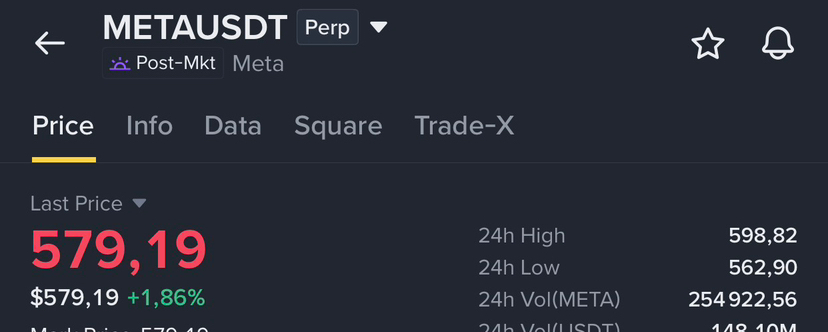
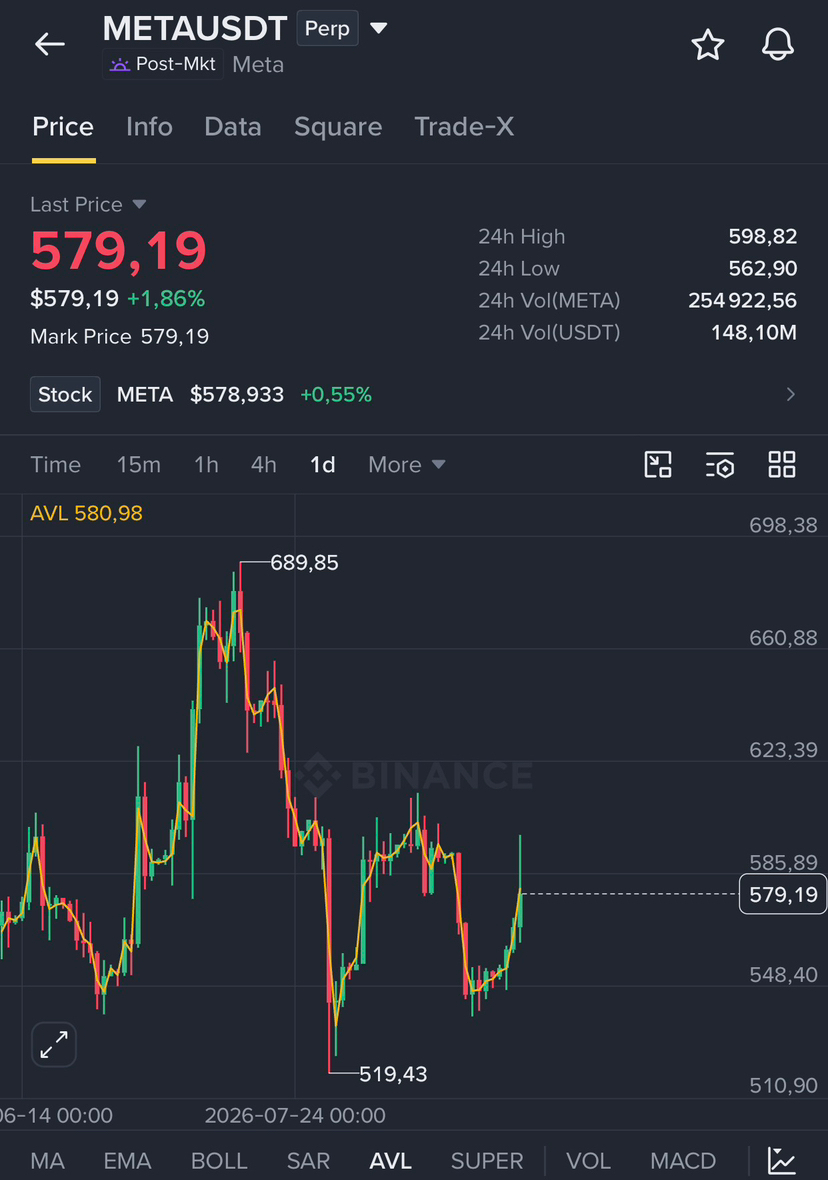
This is what has caused the volatility in $METAB stock recently.
The newspaper also notes that Meta separately reached an agreement with the state of Texas for around $1 billion. However, the company still faces numerous other lawsuits brought by school districts and individuals, some of which are expected to be heard by courts in the coming months.