


مرحباً
حدث شيء غير عادي للغاية على سلسلة XRP.
و لا، هذه المرة لست أتحدث عن السعر.
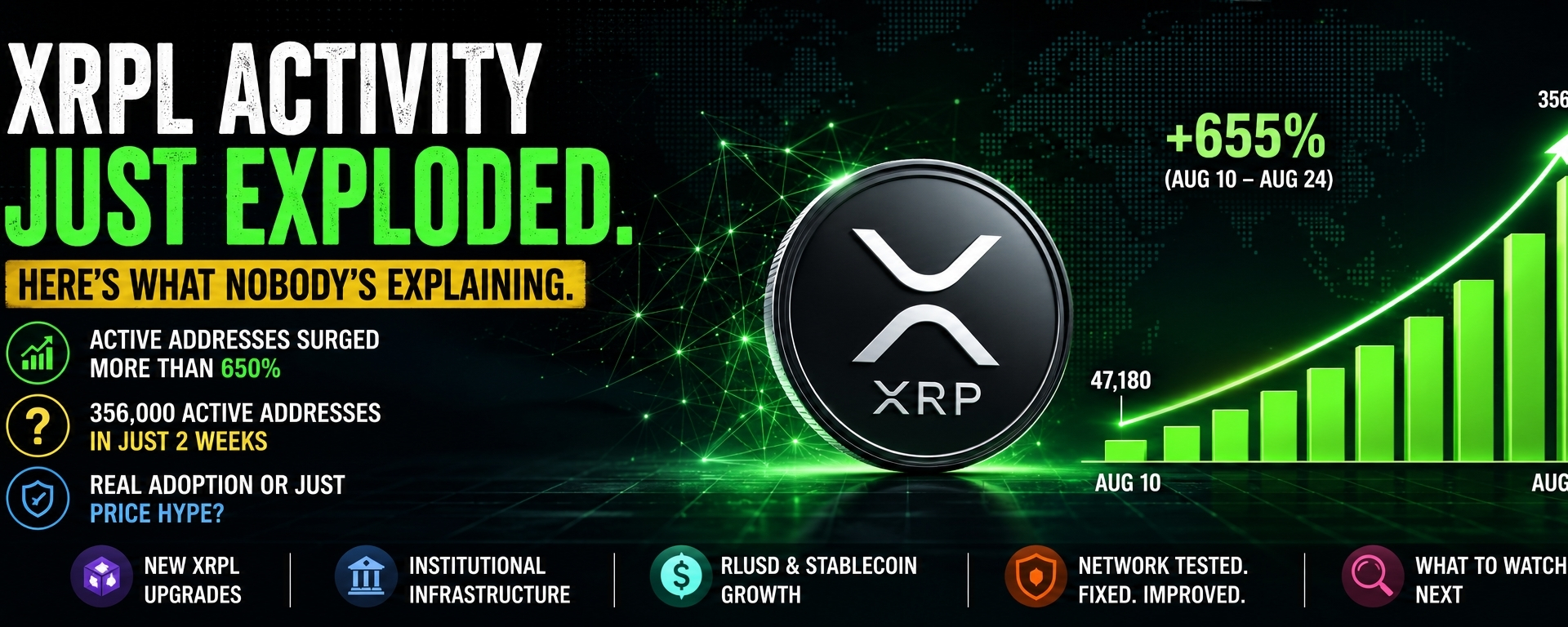
وفقًا للتقارير، قفز عدد العناوين النشطة على شبكة XRPL من حوالي 47,180 إلى 356,070 بين 10 أغسطس و24 أغسطس.
هذه زيادة تقارب 655%.
356,000 عنوان نشط.
خلال أسبوعين فقط.
ومن الطبيعي أن مجتمع XRP تفاعل تمامًا كما تتوقع:
“الاعتماد الواسع.”
“المؤسسات موجودة هنا.”
“يبدو أن XRP على وشك الانفجار.”
أنت تعرف القاعدة.
وانظر، فإن زيادة بنسبة 655% في نشاط الشبكة تستحق بالتأكيد الانتباه.
أنا منتبه.
لكن هناك فرقًا كبيرًا جدًا بين:
"أصبح عدد أكبر من العناوين نشطًا فجأة."
و
"زاد تبني XRPL بنسبة 655%."
تبدو هذه التصريحات متشابهة.
ليست الشيء نفسه.
لذا بدلًا من تحويل مخطط واحد مثير للإعجاب إلى توقع آخر بـ 10 دولارات لـ XRP، لننظر إلى ما يخبرنا به هذا الرقم فعليًا.
لأن ما يحدث تحت سطح XRP قد يصبح مهمًا أكثر بكثير من شمعة خضراء أخرى.
📈 أولًا، ما مدى غرابة هذا؟
غير معتاد جدًا.
كانت أغسطس تُظهر بالفعل نشاطًا أقوى لـ XRPL قبل هذه الزيادة الهائلة.
كانت العناوين النشطة يوميًا المبلّغ عنها في المتوسط حوالي 35,700 خلال أغسطس، مقارنةً بحوالي 26,400 في يوليو.
عندها ذهبت الرسوم البيانية فجأة إلى وضع عمودي.
فقط في 24 أغسطس وحدها، قُدِّر أن العناوين النشطة يوميًا كانت حوالي 305,000.
هذا ليس زيادة طبيعية.
هذا النوع من الرسوم البيانية يجعلك تتحقق مما إذا كان شخص ما أضاف صفرًا إضافيًا بالخطأ.
والتوقيت مثير للاهتمام.
لأن نشاط XRPL كان ينفجر...
كانت XRP تتحرك أيضًا.
ارتفعت XRP مؤخرًا من حوالي 1 دولار إلى حوالي 1.70 دولار قبل أن تهدأ نحو نطاق 1.50 دولار.
لذا كنا لدينا:
تسارع في السعر.
↓
اهتمام التداول في ازدياد.
↓
انفجار نشاط الشبكة.
هذا التركيب مثير للاهتمام بالتأكيد.
لكن ذلك يطرح سؤالًا مهمًا.
🤔 هل نشاط XRPL يدفع صعود XRP، أم أن موجة الصعود هي التي تدفع نشاط XRPL؟
هذا أهم مما يبدو.
عندما تتحرك XRP فجأة 10% أو 20% وحتى 30% خلال فترة قصيرة، يبدأ الناس في القيام بأشياء.
يحرك الحَمَلة النائمون عملاتهم.
يُرسل المتداولون XRP إلى البورصات.
يقوم المشترون بسحب XRP.
يزداد نشاط التحكيم/المراجحة (Arbitrage).
تعود المحافظ القديمة لتصبح نشطة.
المضاربون يعودون.
يبدأ الناس في التفاعل مع الشبكة ببساطة لأن XRP أصبحت مثيرة مجددًا.
تذكّر ماذا يحدث عندما يبدأ ضخّ عملة (pumping)؟
يتذكر الجميع فجأة أنهم يملكون شيئًا ما.
يبدو أن المحافظ لديها المشكلة نفسها.
لذا فإن ارتفاع العناوين النشطة خلال موجة صعود كبيرة للأسعار لا يعني تلقائيًا أن مئات آلاف المستخدمين الجدد انضموا فجأة إلى XRPL.
قد يكون جزء من هذا النشاط ببساطة عودة المشاركين الحاليين ليصبحوا نشطين مرة أخرى.
وهناك تلميح مهم آخر.
👥 356,000 عنوان نشط لا يعني 356,000 مستخدم جديد
على الأرجح هذه هي الجزء الأهم.
العنوان النشط هو ببساطة عنوان بلوكتشين شارك في نشاط الشبكة خلال فترة معينة.
لا يمثل بالضرورة:
شخص جديد
مستثمر جديد في XRP
مؤسسة جديدة
عميل جديد
شخص يكتشف XRPL لأول مرة
يمكن لشخص واحد التحكم في عناوين متعددة.
يمكن للبورصة التفاعل مع أعداد هائلة من العناوين.
محفظة قديمة تصبح نشطة مرة أخرى تُحسب كـ نشاط.
يمكن أيضًا للنشاط الآلي أن يؤثر على مقاييس البلوكتشين.
لذلك القول:
"356,000 شخص يستخدمون الآن XRPL"
ستكون افتراضًا ضخمًا.
لا نعرف ذلك من هذا الرقم وحده.
هناك تفاصيل أخرى مثيرة للاهتمام.
بينما انفجر نشاط العناوين النشطة، بقي الإبلاغ عن إنشاء العناوين الجديدة أكثر هدوءًا بكثير، بحوالي 2,260 عنوانًا جديدًا يوميًا.
هذا مهم.
إذا كانت XRPL قد اكتسبت فجأة مئات آلاف المستخدمين الجدد تمامًا، فستتوقع أن يزيد إنشاء العناوين الجديدة بشكل كبير أيضًا.
بدلًا من ذلك، تشير الأرقام إلى أن شيئًا مختلفًا قد يحدث.
يبدو أن المشاركين الحاليين أصبحوا أكثر نشاطًا بشكل ملحوظ.
هل هذا ما زال إيجابيًا؟
ربما.
هل هو الشيء نفسه كتَبَنٍّ واسع (mass adoption)؟
لا.
وهذا التمييز مهم.
🔥 لكن هناك ما يحدث بالفعل تحت سطح XRPL
لا أريد التقليل من شأن هذا الارتفاع فقط لأننا لا نستطيع إثبات أن مئات آلاف الأشخاص الجدد وصلوا.
لأن XRPL نفسها تتطور.
في وقت سابق من هذا الشهر، تم إصدار xrpld 3.3.0.
إذا لم تقضِ وقتك الحر في قراءة ملاحظات إصدار برنامج البلوكتشين...
تهانينا.
لديك حياة اجتماعية.
لكن بعض التغييرات مهمة بالفعل.
أطلق الإصدار عدة ترقيات مقترحة، بما في ذلك:
معاملات دفعات ذرية (Atomic batch transactions)
نقل رموز متعددة الأغراض مع الحفاظ على الخصوصية
وظائف رمزية أكثر مرونة
تفويض أكثر دقة لصلاحيات الحساب
الاحتياطي ورعاية المعاملات
والآن، يوجد تمييز مهم هنا.
إصدار برمجي لا يعني أن كل ميزة مقترحة تصبح مفعّلة فورًا عبر الشبكة بالكامل.
تستخدم XRPL عملية تعديل (amendment)، وغالبًا ما تتطلب وظائف بروتوكول جديدة دعم المُوثِّقين قبل أن تصبح مفعّلة.
بعبارة أخرى:
الإعلان ≠ التبني.
إصدار برمجي ≠ مليارات الدولارات تتدفق عبر الشبكة.
لكن هذه الترقيات توضح إلى أين يتجه تطوير XRPL.
وبشكل متزايد، يبدو أن هذا الاتجاه أوسع بكثير من مجرد المدفوعات البسيطة.
🏦 تحاول XRPL أن تصبح أكثر من مجرد شبكة مدفوعات
لأعوام، كانت قصة XRP تدور في الغالب حول شيء واحد:
مدفوعات عبر الحدود.
لا يزال ذلك مهمًا.
لكن النظام البيئي يصبح أوسع بكثير.
نرى تطويرًا حول:
أصول مُرمّزة
عملات مستقرة
تداول لا مركزي
ائتمان مؤسسي
البنية التحتية المالية
الرموز متعددة الأغراض
الإقراض
إصدار الأصول
أسواق رأس المال
هذه خطوة تقديم مختلفة جدًا.
وبمرور الوقت تصبح مسألة واحدة شديدة الأهمية:
هل هناك من يستخدمها فعلاً؟
لأن الإعلانات لا تهم إلى الأبد.
الشراكات لا تهم إلى الأبد.
عروض المؤتمرات لا تهم إلى الأبد.
التغريدات بالتأكيد لا تهم إلى الأبد.
فإن الاستخدام الفعلي يحدث.
ولهذا السبب يستحق هذا الارتفاع في العناوين النشطة الاهتمام.
💵 ثم هناك RLUSD
هذه منطقة أخرى يمكن للناس أن يختلط عليهم الأمر فيها بسهولة.
لذا دعونا نجعل الأمر بسيطًا.
ريبل = الشركة
XRPL = البلوكتشين
XRP = الأصل الأصلي لـ XRPL.
RLUSD = العملة المستقرة المدعومة بالدولار التابعة لـ Ripple.
كانت متصلة.
لكنها ليست الشيء نفسه.
يمكن لـ RLUSD العمل على كل من XRP Ledger وEthereum.
إذا استمر RLUSD في اكتساب التبني على XRPL، فقد يساهم ذلك في زيادة النشاط المالي الذي يحدث مباشرة على الشبكة.
ومما يجعل العملات المستقرة مثيرة للاهتمام تحديدًا أنها تمتلك منفعة حقيقية.
يمكن استخدامها لـ:
تداول
مدفوعات
تسوية
ضمان/كفالة
إدارة الخزينة
تمويل على السلسلة
لا تعتمد بالكامل على أن يقتنع الناس بأن الرمز سيتضاعف الشهر المقبل.
وهذا يجعل نشاط العملة المستقرة محتملًا أن يكون مفيدًا عند محاولة تحديد ما إذا كانت XRPL تصبح شبكة مالية أكثر ازدحامًا.
لكن لا لنجعل الخطأ الكلاسيكي في العملات المشفرة:
زادت القيمة السوقية لـ RLUSD، لذلك XRP سيتجه إلى 10 دولارات.
لا.
هذا ليس ما يحدث.
الأسئلة الأفضل هي:
إذا حدثت مزيد من أنشطة العملات المستقرة على XRPL...
هل تزيد طلبات الشبكة؟
هل تتحسن السيولة؟
هل يجذب المطورين؟
هل تجذب مؤسسات؟
هل يستفيد XRP من دوره داخل هذا النظام البيئي؟
هذه أسئلة أكثر إثارة للاهتمام بكثير.
⚠️ واجهت XRPL أيضًا اختبار بنية تحتية جادًا
هناك تطوير آخر يجب أن يعرفه حاملو XRP.
في 30 يوليو، واجهت XRPL ما وصفه المطورون بأنه فيضان manifests.
تم تمرير حجم ضخم من الرسائل عبر شبكة نظير-لنظير (P2P) وأغرق جزءًا من نظام معالجة البيانَات (manifest-handling) في برنامج العقدة.
فقدت عدة عقد معظم اتصالاتها بأقرانها.
تأثرت أيضًا عقدتان من قائمة العقد الفريدة (Unique Node List).
يبدو هذا سيئًا.
لأنها كانت مشكلة بنية تحتية حقيقية.
لكن الجزء المهم هنا هو:
لم تتوقف شبكة XRP Ledger نفسها.
لم يتم عمل فورك.
استمر المُوثِّقون في الحفاظ على الإجماع.
لم يتم الإبلاغ عن خسارة أي أموال.
لم يتم اختراق أي مفاتيح خاصة.
أطلق المطورون إصلاحًا طارئًا ثم أدرجوا إصلاحات إضافية في الإصدار 3.3.0.
لماذا يهم هذا؟
لأن إذا أرادت XRPL أن تصبح بنية تحتية مالية مؤسسية على مستوى جاد، فإن الاعتمادية مهمة.
كثيرًا.
لا تهتم المؤسسات بعدد الأشخاص الذين ينشرون رموز صاروخ (إيموجي).
هم يهتمون بما إذا كانت البنية التحتية تعمل.
خلال استخدام كثيف.
خلال الهجمات.
خلال وجود أخطاء (bugs).
عند الساعة 3 صباحًا يوم الخميس.
كون الإجماع استمر خلال الحادث أمر إيجابي.
وجود الضعف بحد ذاته ما زال يستحق الاعتراف.
كلاهما يمكن أن يكون صحيحًا.
هذا عادةً كيف تعمل الواقع.
📊 فماذا سيقنعني فعليًا بأن هذا صعودي (bullish)؟
هذه هي النقطة التي أصل إليها.
لا أحتاج إلى عنوان آخر بنسبة 655% غدًا.
أحتاج إلى استمرار.
هذه هي خمس أشياء أراقبها.
1. 👥 العناوين النشطة تبقى مرتفعة
قفزة واحدة ضخمة مثيرة للاهتمام.
عدة أسابيع من نشاط مرتفع؟
أكثر من ذلك بكثير.
إذا تراجعت العناوين النشطة فورًا إلى مستويات قريبة من السابق بمجرد أن يبرد سعر XRP، فأكون أكثر ميلًا لتصنيف ذلك كنشاط مدفوع بالمضاربة/الطفرات لا أكثر.
لكن ماذا لو تحرك الأساس نفسه للأعلى؟
هذه قصة مختلفة.
2. 🔄 تواصل زيادة المعاملات
العناوين تخبرنا أن الناس يتفاعلون مع الشبكة.
المعاملات تخبرنا أنهم يقومون بشيء فعلاً.
إذا استمر نشاط المعاملات في الارتفاع بالتزامن مع العناوين النشطة، تصبح القصة أكثر إقناعًا.
لكن أريد رؤيته لأسابيع وأشهر.
ليس يومين اثنين.
3. 🆕 تظهر مستخدمون جدد بالفعل
هذه نقطة كبيرة.
إذا بقيت العناوين النشطة مرتفعة وبدأ إنشاء العناوين الجديدة بالتسارع بشكل ملموس، تصبح حجة التبني أقوى بكثير.
في الوقت الحالي، فإن الزيادة في العناوين النشطة أكبر بكثير من الزيادة في العناوين الجديدة.
أود أن أرى هذه الفجوة تتقلص.
4. 🏗️ يتم استخدام بنية XRPL الجديدة
على الأرجح هذا هو أهم اختبار طويل الأمد.
إذا أُطلقَت وظائف الإقراض...
هل يقترض الناس فعلاً؟
إذا أُطلقت أصول مُرمّزة...
هل يجذب سيولة؟
إذا قامت المؤسسات ببناء منتجات على XRPL...
هل نرى نشاطًا قابلًا للقياس؟
إذا نما RLUSD...
هل يوجد استخدام ذو معنى يحدث على XRPL؟
بناء المنتج هو الخطوة الأولى.
استخدام المنتج هو الخطوة الثانية.
الخطوة الثانية أهم بكثير.
5. 💤 يبقى النشاط قويًا عندما تصبح XRP مملة
قد يكون هذا اختباري المفضل.
في الوقت الحالي، XRP ليست مملة إطلاقًا.
كان السعر يتحرك.
الناس يتحدثون عنها.
المتداولون يراقبونها.
الجميع مهتم.
لكن ماذا يحدث إذا تحركت XRP جانبيًا لمدة ثلاثة أسابيع؟
هل تختفي العناوين؟
هل ينهار نشاط المعاملات؟
هل ينتقل الجميع إلى العملة التالية؟
أم هل تستمر XRPL في العمل بمستوى عالٍ تحت ضجيج السوق؟
سيخبرنا ذلك بالكثير أكثر.
يجب في النهاية أن تكون الشبكة المالية الحقيقية مفيدة حتى عندما لا يكون رمزها الأصلي في اتجاه صعودي.
🐂 التفسير المتفائل
دعونا نعطي المتفائلين حالتهم.
لأن هناك واحدًا.
مرّت XRP بإعادة تسعير كبيرة.
في الوقت نفسه:
ارتفع نشاط XRPL بشكل كبير.
عاد طلب صناديق الاستثمار المتداولة (ETF).
يستمر النشاط المؤسسي حول Ripple في التطور.
تواصل بنية XRPL التحتية التحسن.
تعمل RLUSD على توسيع منظومة العملات المستقرة.
وقد تجلب تطبيقات مالية جديدة أنواعًا مختلفة تمامًا من النشاط إلى دفتر الأستاذ.
إذا كان انفجار العناوين النشطة هذا هو بداية لاستخدام شبكي مستمر وليس مجرد تفاعل مؤقت مع موجة صعود XRP...
قد يكون ذلك مهمًا جدًا.
خصوصًا إذا استمر النشاط الاقتصادي في التوسع إلى جانب ذلك.
هذه هي حالة الثور (bull case) التي أجدها مثيرة للاهتمام.
ليس:
"زيادة 655% في العناوين النشطة تعني أن XRP سيصعد بنسبة 655%."
يرجى ألا تجعلني أكتب ذلك.
🐻 التفسير الأقل إثارة
هناك احتمال آخر.
قفزت XRP بسرعة للأعلى.
استيقظ الجميع.
بدأت العملات بالتحرك.
بدأ المتداولون بالتداول.
أصبحت المحافظ القديمة نشطة.
انفجر نشاط الشبكة.
ثم تختفي الحماسة.
تتجميع XRP.
تعود العناوين النشطة إلى وضعها الطبيعي قريبًا.
وبعد ثلاثة أسابيع، لا يتذكر أحد الرسم البياني.
قد لا يعني ذلك بالضرورة أن XRPL تفشل.
سيعني ذلك ببساطة أن هذا الارتفاع تحديدًا أخبرنا أكثر عن انتباه السوق أكثر من كونه تبنّيًا هيكليًا.
نحتاج إلى مزيد من البيانات قبل أن نعرف أي القصة صحيحة.
وأنا مرتاح تمامًا أن أقول:
لا أعرف بعد.
ستتحسن تحليلات العملات المشفرة بشكل كبير إذا استخدم المزيد من الناس تلك الكلمات الأربع.
👀 ما الذي أراقبه بعد ذلك
خلال الأسابيع القليلة القادمة، هذه هي المقاييس التي تهم:
العناوين النشطة
هل يبقى أعلى بشكل ملحوظ من خط الأساس السابق؟
عناوين جديدة
هل يبدأ اشتراك حقيقي جديد بالتسارع؟
المعاملات
هل يستمر الاستخدام الحقيقي للشبكة في الزيادة؟
نشاط RLUSD
هل يصبح استخدام العملة المستقرة جزءًا أكبر من نشاط XRPL؟
الترميز والنشاط المؤسسي
هل تولّد المنتجات التي يتم تطويرها فعلاً نشاطًا قابلًا للقياس على السلسلة؟
وأخيرًا:
سعر XRP.
هل يبقى نشاط الشبكة قويًا إذا بردت موجة الصعود؟
قد يكون هذا الأخير الأكثر كشفًا.
☕ رأيي
أعتقد أن زيادة 655% مثيرة للاهتمام فعلًا.
لكن وصف ذلك بأنه زيادة بنسبة 655% في تبني XRPL سابق لأوانه.
في الوقت الحالي، تخبرنا البيانات بأمر واحد بثقة معقولة:
عدد ضخم من عناوين XRP Ledger أصبح نشطًا فجأة.
هذا مهم.
لكننا لا نعرف بعد بالضبط من أين يأتي هذا النشاط.
قد يكون ذلك:
مستخدمون جدد.
حاملو العملات الحاليون.
البورصات.
المتداولون.
نشاط آلي.
العملات المستقرة.
الأصول مُرمّزة.
أم ببساطة عادت XRP لتصبح مثيرة من جديد.
وأنا لا أعتقد أننا نحتاج إلى التظاهر بأننا نعرف الإجابة بعد.
تصير القصة أكثر صعودية بشكل ملحوظ إذا استمر هذا النشاط بعد أن يبرد ارتفاع السعر.
هذا ما أريد أن أراه.
لأن أطروحة XRP طويلة الأمد ستحتاج في النهاية إلى أكثر من مجرد ارتفاع الأسعار.
يجب أن تكون تحتها شبكة مفيدة.
شبكة يستخدمها الناس فعلاً.
شبكة تستطيع المؤسسات البناء عليها.
شبكة تُنشئ فيها العملات المستقرة والأصول المُرمّزة والتداول والائتمان والمدفوعات نشاطًا اقتصاديًا حقيقيًا.
ماذا لو حدث ذلك؟
ثم قد يبدو انفجار العناوين النشطة هذه إشارة مبكرة لشيء أكبر بكثير في نهاية المطاف.
إذا عاد كل شيء إلى الطبيعي الأسبوع المقبل؟
بعد ذلك كان على الأرجح تذكيرًا آخر بواحدة من أقدم قواعد العملات المشفرة:
عندما يرتفع الرقم، يصبح الجميع مهتمًا فجأة.
على أي حال...
لدي اهتمام بـ 356,000 عنوان نشط.
الآن أريد أن أرى ما إذا كانوا سيبقون حولهم.
هذه هي الجزئية التي لا ينبغي لأحد تجاهلها.
#HKJulyGoldNetExportsToMainland56.193Tons #Xrp🔥🔥
تداول هنا 👇 👇 👇


