أعود باستمرار إلى سؤال حول #Dusk يبدو أكثر أهمية من: “هل يمكن للأصول الخاضعة للـ تنظيم أن تُنقل إلى السلسلة (On-chain)؟”
لماذا يحتاجون أصلًا إلى الانتقال إلى هناك؟
الترميز وحده لم يعد أطروحة.
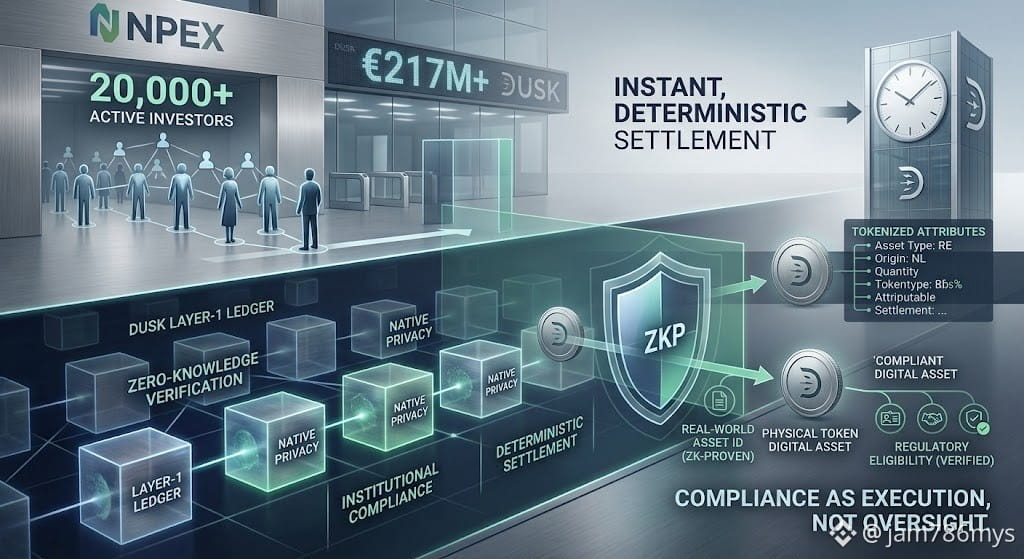
$NPEX هو واقع مفيد للتحقق؛ فهو يعمل بالفعل تحت إشراف AFM، مع 20,000+ مستثمر نشط وأكثر من 217 مليون يورو في التمويل المُبلّغ عنه. السوق موجود. البنية التحتية تعمل بشكل كافٍ ليستخدمها الناس.
لذا يجب أن يكون لدى $DUSK ما يقدمه يتجاوز مجرد وضع نفس الأصل خلف رمز.
ما لفت انتباهي هو مكان تموضع الامتثال.
إذا أمكن فرض شروط الأهلية وقواعد التحويل عبر منطق العقد، يصبح الامتثال جزءًا من التنفيذ بدلًا من كونه تحققًا منفصلًا خارج النظام.
ثم يضيف الخصوصية طبقة أخرى.
يمكن لأدلة ZK أن تسمح للشبكة بالتحقق من أن شرطًا ما قد استُوفي دون كشف كل المعلومات الكامنة خلفه. وهذا قد يكون أكثر فائدة بكثير من مجرد جعل النشاط المالي علنيًا على بلوكتشين.
لكنني ما زلت أعتقد أن أصعب جزء ليس تقنيًا.
لقد نجت المسارات المالية القائمة لأنها تحل مشكلات حقيقية، حتى عندما تكون غير كفؤة.
يحتاج Dusk إلى إظهار أين يتم فعليًا إزالة الاحتكاك: التسوية، والتحويلات، والامتثال، وإمكانية الوصول، أو التنسيق بين هذه العناصر.
وإلا فقد نُخاطر ببناء أصول خاضعة للتنظيم على السلسلة فقط لأن التكنولوجيا تتيح ذلك.
بالنسبة لي، الاختبار الحقيقي هو:
هل يجعل @Dusk سير عمل مالي قائمًا أفضل بشكل ملموس، أم أنه فقط يجعله أصيلًا بلوكتشين؟
على الأرجح أن هذا الفرق أكثر أهمية من عملية الترميز نفسها.
@Dusk #dusk $DUSK
لماذا يحتاجون أصلًا إلى الانتقال إلى هناك؟
الترميز وحده لم يعد أطروحة.
$NPEX هو واقع مفيد للتحقق؛ فهو يعمل بالفعل تحت إشراف AFM، مع 20,000+ مستثمر نشط وأكثر من 217 مليون يورو في التمويل المُبلّغ عنه. السوق موجود. البنية التحتية تعمل بشكل كافٍ ليستخدمها الناس.
لذا يجب أن يكون لدى $DUSK ما يقدمه يتجاوز مجرد وضع نفس الأصل خلف رمز.
ما لفت انتباهي هو مكان تموضع الامتثال.
إذا أمكن فرض شروط الأهلية وقواعد التحويل عبر منطق العقد، يصبح الامتثال جزءًا من التنفيذ بدلًا من كونه تحققًا منفصلًا خارج النظام.
ثم يضيف الخصوصية طبقة أخرى.
يمكن لأدلة ZK أن تسمح للشبكة بالتحقق من أن شرطًا ما قد استُوفي دون كشف كل المعلومات الكامنة خلفه. وهذا قد يكون أكثر فائدة بكثير من مجرد جعل النشاط المالي علنيًا على بلوكتشين.
لكنني ما زلت أعتقد أن أصعب جزء ليس تقنيًا.
لقد نجت المسارات المالية القائمة لأنها تحل مشكلات حقيقية، حتى عندما تكون غير كفؤة.
يحتاج Dusk إلى إظهار أين يتم فعليًا إزالة الاحتكاك: التسوية، والتحويلات، والامتثال، وإمكانية الوصول، أو التنسيق بين هذه العناصر.
وإلا فقد نُخاطر ببناء أصول خاضعة للتنظيم على السلسلة فقط لأن التكنولوجيا تتيح ذلك.
بالنسبة لي، الاختبار الحقيقي هو:
هل يجعل @Dusk سير عمل مالي قائمًا أفضل بشكل ملموس، أم أنه فقط يجعله أصيلًا بلوكتشين؟
على الأرجح أن هذا الفرق أكثر أهمية من عملية الترميز نفسها.
@Dusk #dusk $DUSK