
#dusk $DUSK @Dusk لاحظت غروبًا عند نقطة يشعر فيها معظم حديث الخصوصية في عالم العملات المشفرة بأنه مُعاد تدويره. شاهدت مشاريع تعد بالسرية والامتثال، ثم أكتشف أن التمويل لا يتحرك لأن ورقة بيضاء تقول إنه سيفعل. ومع ذلك، هناك شيء ما يجعل الأمر مختلفًا—ليس مثبتًا، بل يبدو أنه موجّه نحو مشكلة ترفض الاختفاء.
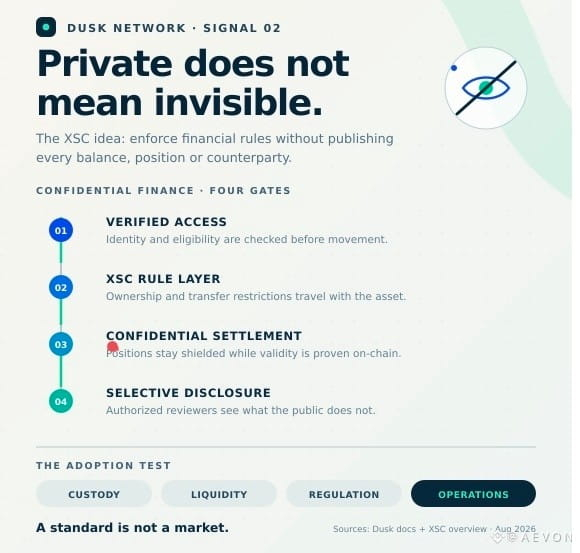
تُظهر السلاسل العامة الأرصدة والمعاملات، وهذا يبدو صادقًا حتى يضطر وسيط أو صندوق أو شركة إلى كشف المراكز والأطراف المقابلة. إجابة Dusk هي طبقة-1 بعقود ذكية سرّية ومعيار XSC للأوراق المالية المُمكّنة للخصوصية. الجزء المثير للاهتمام ليس إخفاء كل شيء؛ بل هو السماح للأطراف المصرّح لها برؤية ما تحتاجه، بينما يبقى الباقي خاصًا.
ما زلت ألاحظ المفاضلة. كلما زادت القواعد التي تُشفّرها—فحوصات الهوية، قيود التحويل، الإفصاح الانتقائي—صار الأمر أقل شبهًا بحلم كريبتو القديم غير المأذون به. تضيف الخصوصية احتكاكًا أيضًا: صعوبة أكبر في التصحيح، وتشفير أثقل، ومجموعة مطورين أصغر، وثقة أكبر في الشيفرة التي لا يستطيع المستخدمون فحصها بشكل ذي معنى.
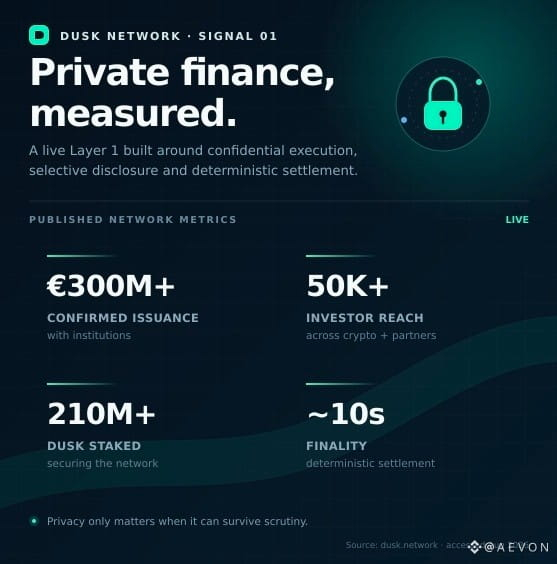
لقد رأيت هذا من قبل: بنية تحتية أنيقة تنتظر سنوات كي تتوافق الجهة المُصدِّرة مع السيولة والحفظ والتنظيم. الـMainnet ليس تبنّيًا. المعيار ليس سوقًا. لا أثق به بالكامل بعد، ولا أعرف ما إذا كانت المؤسسات ستقبل المخاطر التشغيلية. لكن عندما يَخبو الضجيج المعتاد، تظل Dusk تجذب انتباهي لأنها تتعامل مع الجزء غير المريح: التمويل الحقيقي يحتاج إلى خصوصية، ومع ذلك يجب أن تنجو الخصوصية من التدقيق.
تُظهر السلاسل العامة الأرصدة والمعاملات، وهذا يبدو صادقًا حتى يضطر وسيط أو صندوق أو شركة إلى كشف المراكز والأطراف المقابلة. إجابة Dusk هي طبقة-1 بعقود ذكية سرّية ومعيار XSC للأوراق المالية المُمكّنة للخصوصية. الجزء المثير للاهتمام ليس إخفاء كل شيء؛ بل هو السماح للأطراف المصرّح لها برؤية ما تحتاجه، بينما يبقى الباقي خاصًا.
ما زلت ألاحظ المفاضلة. كلما زادت القواعد التي تُشفّرها—فحوصات الهوية، قيود التحويل، الإفصاح الانتقائي—صار الأمر أقل شبهًا بحلم كريبتو القديم غير المأذون به. تضيف الخصوصية احتكاكًا أيضًا: صعوبة أكبر في التصحيح، وتشفير أثقل، ومجموعة مطورين أصغر، وثقة أكبر في الشيفرة التي لا يستطيع المستخدمون فحصها بشكل ذي معنى.
لقد رأيت هذا من قبل: بنية تحتية أنيقة تنتظر سنوات كي تتوافق الجهة المُصدِّرة مع السيولة والحفظ والتنظيم. الـMainnet ليس تبنّيًا. المعيار ليس سوقًا. لا أثق به بالكامل بعد، ولا أعرف ما إذا كانت المؤسسات ستقبل المخاطر التشغيلية. لكن عندما يَخبو الضجيج المعتاد، تظل Dusk تجذب انتباهي لأنها تتعامل مع الجزء غير المريح: التمويل الحقيقي يحتاج إلى خصوصية، ومع ذلك يجب أن تنجو الخصوصية من التدقيق.