ماذا يحدث خلف تجربة WenLong البسيطة؟
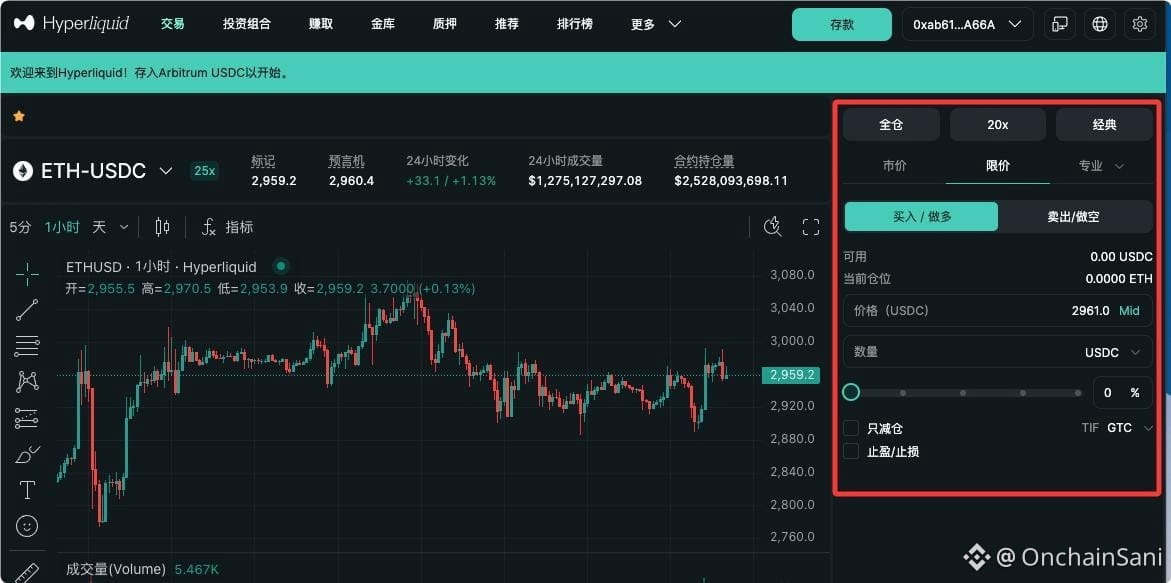
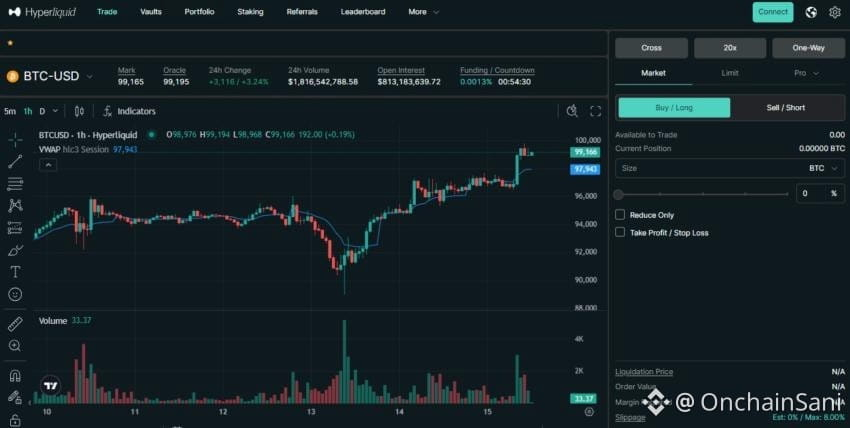
كنت أستكشف WenLong داخل Telegram وركّزت في البداية على الجزء الواضح: واجهة التداول في Hyperliquid.
لكن الجزء الأكثر إثارة للاهتمام هو ما يحدث قبل وصول الصفقة إلى Hyperliquid.
يمكن للمستخدم البدء بـ USDT على TON، بينما تتطلب تدفقات Hyperliquid USDC على Arbitrum.
لذلك يجب أن توجد طريقة للانتقال بين هاتين البيئتين.
وهنا يأتي دور Omniston من STON.fi.
يوفّر Omniston البنية التحتية للتوجيه عبر السلاسل وتنفيذ عملية المبادلة، بحيث لا يضطر المستخدم إلى تجميع كل خطوة يدويًا.
تتمثل التدفق المبسّط في:
USDT على TON
↓
Omniston
↓
USDC على Arbitrum
↓
Hyperliquid
ما يعجبني في هذا النهج هو فصل المسؤوليات.
يركّز WenLong على تقديم تجربة تداول على Telegram للمستخدمين.
يتولى Omniston، الذي طوّرته STON.fi، عملية التنفيذ عبر السلاسل من الخلف.
يحصل المستخدم على رحلة أكثر بساطة بينما تبقى البنية التحتية المعقدة في الخلفية.
وأعتقد أن هذا هو اتجاه تجربة المستخدم عبر السلاسل.
ليس بالضرورة جعل المستخدمين يفهمون بنية تحتية أكثر — بل جعل البنية التحتية تعمل بشكل أفضل بحيث يضطر المستخدمون إلى التفكير في جزء أقل منها.
@ston_fi
قم بالبحث بنفسك (DYOR)، خصوصًا عند التعامل مع المنتجات الممكّنة بالرافعة المالية.
كنت أستكشف WenLong داخل Telegram وركّزت في البداية على الجزء الواضح: واجهة التداول في Hyperliquid.
لكن الجزء الأكثر إثارة للاهتمام هو ما يحدث قبل وصول الصفقة إلى Hyperliquid.
يمكن للمستخدم البدء بـ USDT على TON، بينما تتطلب تدفقات Hyperliquid USDC على Arbitrum.
لذلك يجب أن توجد طريقة للانتقال بين هاتين البيئتين.
وهنا يأتي دور Omniston من STON.fi.
يوفّر Omniston البنية التحتية للتوجيه عبر السلاسل وتنفيذ عملية المبادلة، بحيث لا يضطر المستخدم إلى تجميع كل خطوة يدويًا.
تتمثل التدفق المبسّط في:
USDT على TON
↓
Omniston
↓
USDC على Arbitrum
↓
Hyperliquid
ما يعجبني في هذا النهج هو فصل المسؤوليات.
يركّز WenLong على تقديم تجربة تداول على Telegram للمستخدمين.
يتولى Omniston، الذي طوّرته STON.fi، عملية التنفيذ عبر السلاسل من الخلف.
يحصل المستخدم على رحلة أكثر بساطة بينما تبقى البنية التحتية المعقدة في الخلفية.
وأعتقد أن هذا هو اتجاه تجربة المستخدم عبر السلاسل.
ليس بالضرورة جعل المستخدمين يفهمون بنية تحتية أكثر — بل جعل البنية التحتية تعمل بشكل أفضل بحيث يضطر المستخدمون إلى التفكير في جزء أقل منها.
@ston_fi
قم بالبحث بنفسك (DYOR)، خصوصًا عند التعامل مع المنتجات الممكّنة بالرافعة المالية.