للعملات المشفرة عادةٌ غريبة تتمثل في جعل أكثر المشاريع ضجيجًا تبدو وكأنها الأهم. كل أسبوع توجد سلسلة جديدة، وسردية جديدة، وتوكن جديد يعد بتغيير عالم التمويل. بعد ستة أشهر… يكاد لا يتذكره أحد.
لهذا أجد شبكة Dusk مثيرة للاهتمام.
ليس لأنني أعتقد أنها مضمونة الفوز. فهي ليست كذلك بالتأكيد. لكن على الأقل تعمل Dusk على حل لمشكلة موجودة بالفعل.
انظر… المؤسسات المالية التقليدية لن تقوم بوضع هوية كل مستثمر، والمعاملات، ورصيده، ووضعه المالي على بلوكتشين عامٍّ شفاف بالكامل.
تحاول Dusk أن تجد مكانًا في المنتصف.
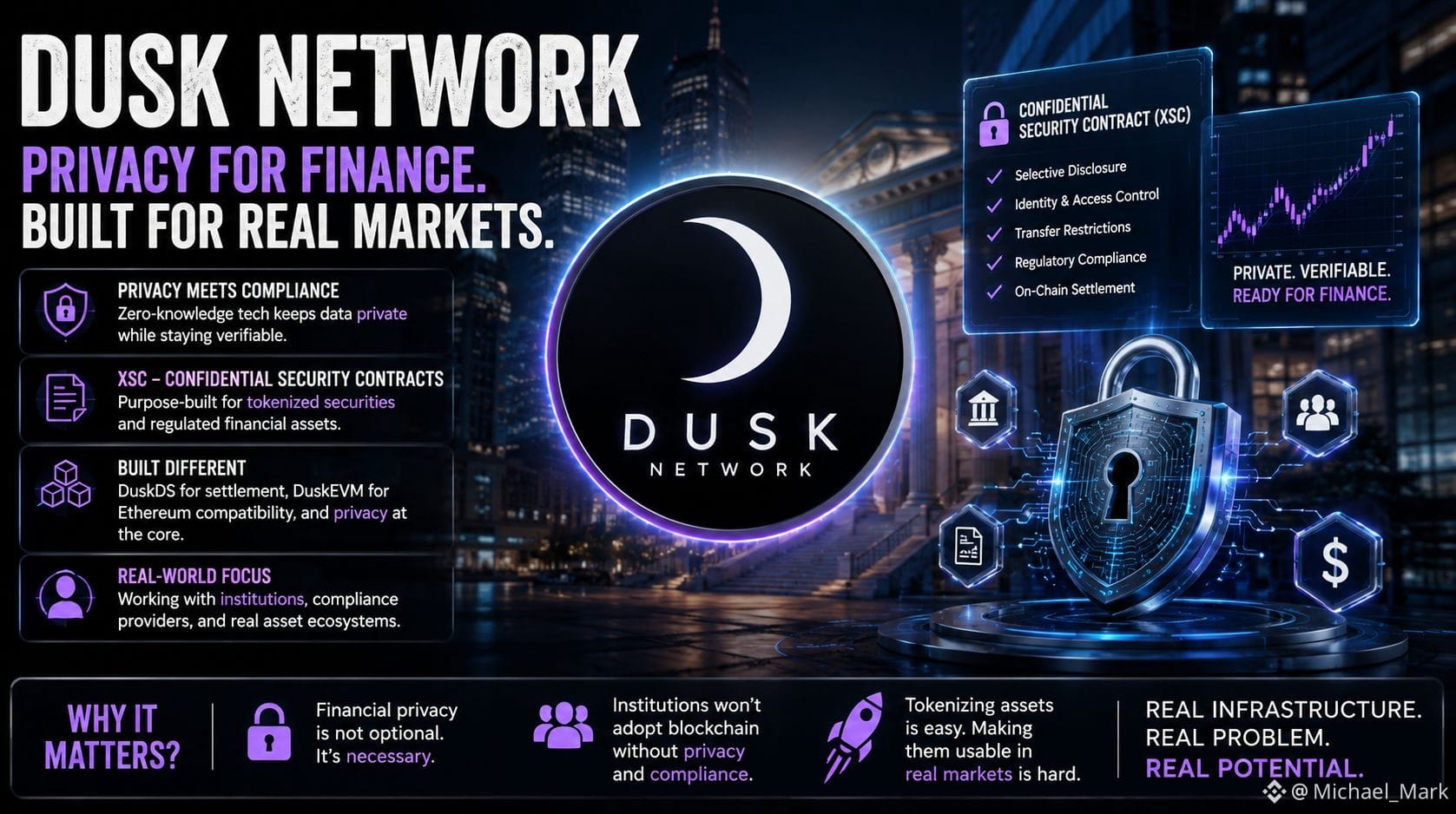
النسخة المبسطة هي هذه: تبقى المعلومات الحساسة خاصة، بينما لا تزال الشبكة قادرة على التحقق من أن بعض القواعد قد تم اتباعها. تستخدم Dusk تقنيات المعرفة الصفرية والمعاملات السرّية لإتاحة ذلك.
تم تصميم إطار XSC الخاص بها حول الأوراق المالية المُمَثّلة بتوكنات والأصول الخاضعة للتنظيم، بينما تمنح DuskEVM المطورين بيئة أكثر ألفة ومطابقة لتوافق Ethereum.
وبصراحة، هذا منطقي.
لكنني لن أتظاهر بأن هذا يجعل Dusk تلقائيًا الفائز.
أكبر مشكلة هي التبنّي.
لا ينقص العملات المشفرة سلاسل تبدو مذهلة تقنيًا. المقبرة ممتلئة بها.
تحتاج Dusk إلى أصول حقيقية، ومستخدمين، وسيولة، ومعاملات.
أحب هذا الاتجاه لأن الخصوصية في الأسواق المالية ضرورية.
على أي حال، لدى Dusk فرصة حقيقية إذا تحرك التمويل المُنظَّم فعلًا إلى السلسلة (on-chain).
التكنولوجيا مثيرة للاهتمام.
المشكلة حقيقية.
المنافسة شرسة.
وفي عالم العملات المشفرة، الجزء الأخير أكثر أهمية مما يحب الناس الاعتراف به
@Dusk #dusk $DUSK
لهذا أجد شبكة Dusk مثيرة للاهتمام.
ليس لأنني أعتقد أنها مضمونة الفوز. فهي ليست كذلك بالتأكيد. لكن على الأقل تعمل Dusk على حل لمشكلة موجودة بالفعل.
انظر… المؤسسات المالية التقليدية لن تقوم بوضع هوية كل مستثمر، والمعاملات، ورصيده، ووضعه المالي على بلوكتشين عامٍّ شفاف بالكامل.
تحاول Dusk أن تجد مكانًا في المنتصف.
النسخة المبسطة هي هذه: تبقى المعلومات الحساسة خاصة، بينما لا تزال الشبكة قادرة على التحقق من أن بعض القواعد قد تم اتباعها. تستخدم Dusk تقنيات المعرفة الصفرية والمعاملات السرّية لإتاحة ذلك.
تم تصميم إطار XSC الخاص بها حول الأوراق المالية المُمَثّلة بتوكنات والأصول الخاضعة للتنظيم، بينما تمنح DuskEVM المطورين بيئة أكثر ألفة ومطابقة لتوافق Ethereum.
وبصراحة، هذا منطقي.
لكنني لن أتظاهر بأن هذا يجعل Dusk تلقائيًا الفائز.
أكبر مشكلة هي التبنّي.
لا ينقص العملات المشفرة سلاسل تبدو مذهلة تقنيًا. المقبرة ممتلئة بها.
تحتاج Dusk إلى أصول حقيقية، ومستخدمين، وسيولة، ومعاملات.
أحب هذا الاتجاه لأن الخصوصية في الأسواق المالية ضرورية.
على أي حال، لدى Dusk فرصة حقيقية إذا تحرك التمويل المُنظَّم فعلًا إلى السلسلة (on-chain).
التكنولوجيا مثيرة للاهتمام.
المشكلة حقيقية.
المنافسة شرسة.
وفي عالم العملات المشفرة، الجزء الأخير أكثر أهمية مما يحب الناس الاعتراف به
@Dusk #dusk $DUSK