

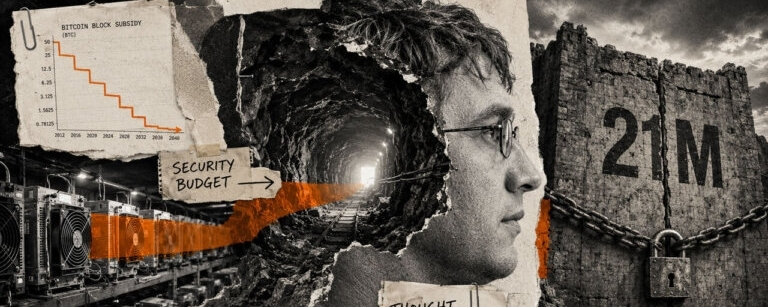
أبرز مقطع فيروسي حدة الصدام بين الأمان المموّل بالرسوم وبين مصداقية الإمداد الثابت.
أعاد مطوّر بيتكوين المبكر، و«قائد الفكر» في بيتكوين كما يصف نفسه، بيتر تودد، إحياء الجدل حول حد بيتكوين البالغ 21 مليون قطعة، وما إذا كان «الإصدار الذيل» في بيتكوين يمكن أن يساعد في تمويل أمان إثبات العمل مع تقلّص إعانات كتل البيتكوين. يدور الخلاف حول ما إذا كانت رسوم المعاملات وحدها يمكن أن تموّل في نهاية المطاف مستوىً كافياً من الأمان.
أعاد المقطع الذي نُشر في 16 أغسطس تقديم تودد على أنه قال إن بيتكوين ينبغي أن تُزيل الحد الأقصى. لم يدعُ تودد إلى تغيير فوري للحد؛ بل عرض أن «الإصدار الذيل» (tail emission) مسألة تصميم طويلة الأجل. وفي محاضرة يوم 23 يوليو في فعالية Bitcoin++ تورونتو، قال تودد إن بيتكوين تتحرك من نظام أمني مدعوم بالإعانة إلى نموذج تَحكُمٍ تسوده الرسوم. وأضاف أنه لا توجد أمثلة مثبتة تُظهر أن الوجهة ستعمل عند نطاق بيتكوين. ولم يعلن عن أي اقتراح BIP، أو طلب سحب (pull request) من «بيتكوين كور» (Bitcoin Core)، أو خطة تفعيل، أو قرار اعتماد.
يكسب مُعدّنو بيتكوين مكافأة كتلة تتكوّن من بيتكوين جديد يُصدر ورسوم المعاملات. يقلّص البروتوكول الإعانةَ إلى النصف كل 210,000 كتلة، أي تقريبًا كل أربع سنوات، حتى يتوقف الإصدار الجديد في النهاية. ثم يجب أن تُساهم الرسوم في تعويض المُعدّنين بشكل أكبر، حتى إذا لم تؤدِّ الحاجة إلى حيز الكتل إلى توليد إيراد يكفي ويكون ثابتًا.
في الحديث المُسجّل، وصف تودد ذلك الانتقال بوصفه تغيّرًا طورِيًا غير مؤكد. وتحدث عن الانبعاث اللاحق لبيتكوين، وهو إعانة دائمة صغيرة. سيستمر ذلك في إنشاء بيتكوين بعد انتهاء الجدول الحالي، وفي النهاية سيدفع إجمالي المعروض إلى ما يتجاوز 21 مليونًا. قال تودد إن الإصدار السنوي بنسبة 1% قد يكون مفرطًا، بينما يجادل بأن معدلًا أقل قد يكون اقتصاديًا صغيرًا مقارنةً بتقلبات بيتكوين المعتادة في السعر، وما يزال يمنح المعدّنين سببًا مستمرًا لتمديد السلسلة
لا يُظهر دخل الرسوم اليومي كيف سيتصرف السوق مع استمرار تقلّص إعانات الكتل. إنه يقدّم لقطةً للفجوة الحالية بين الرسوم والإعانة. ذكرت CryptoSlate أنه في 8 أبريل 2026، جمع المعدّنون 2.443 BTC كرسوم معاملات يومية مقابل نحو 450 BTC كإعانة يومية. كانت الرسوم حوالي 0.54% من المبلغ المجمّع في تلك اللقطة المؤرخة.
ناقش تودد الانبعاث اللاحق لبيتكوين (tail emission) وخطره الأمني لسنوات. وفي جلسة AMA عامة في عام 2022، وصف الهيمنةَ المتوقعة لرسوم المعاملات بوصفها تغيّرًا جوهريًا في الدولة لم تشهده أيُّ عملةٍ أخرى لإثبات العمل. كما قدّم أقوى اعتراضٍ عملي على موقفه: إن رفعَ السقف لإضافة الانبعاث اللاحق سيتطلب شوكةً صلبة شديدة الاضطراب يمكن أن تُلحق ضررًا أكبر من المشكلة التي كان المقصود معالجتها.
لا تزال معلمات الشبكة الرئيسية (mainnet) في Bitcoin Core تحتفظ بفاصل النصف البالغ 210,000 كتلة. يمكن للمطور نشر كود بديل، لكن لا يمكنه جعل العقد الحالية تقبل قواعد إصدار جديدة. وسيحتاج المشغّلون وبقية المشاركين في الشبكة إلى اختيار برمجيات تُطبّق التغيير
يقارن تودد بين إصدارٍ دائمٍ متواضع وميزانية أمنية تعتمد على الرسوم فقط. فالأول سيدفع المعروض إلى ما بعد 21 مليونًا؛ أما الأخير فلا توجد له أمثلة مثبتة على نطاق بيتكوين. لا يمكن لأي تغيير في قاعدة معروض بيتكوين أن يتقدم دون اقتراح محدد ودعم واسع من الشبكة.