
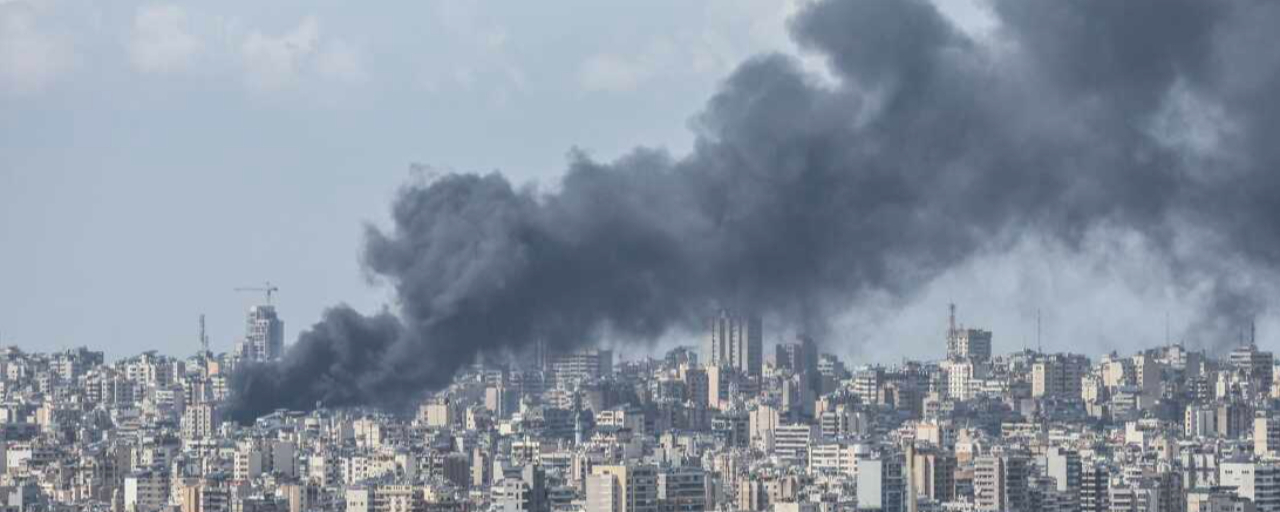
Oil climbed again on Tuesday. Brent crude pushed above $91 a barrel, its third straight daily gain, as hopes for a near-term resolution to the US-Iran war receded further and a fresh vessel attack rattled traders watching the Strait of Hormuz.
Six months in, and the war shows no sign of winding down. Ceasefire promises have come and gone. Stop-start negotiations have collapsed more often than they have advanced. And now the conflict threatens not just to reignite but to widen, dragging in a country that has spent months trying to stay out of it: Oman.
President Donald Trump threatened on Monday to "bomb the s--- out of" Oman if the Gulf state "gets in the way" of American efforts around the strait. Muscat has been working with Tehran on a mechanism to manage transit through the waterway. Pressed on the remark later in the Oval Office, Trump doubled down, saying Oman hadn't behaved well and that Washington could handle the situation easily enough.
That's a striking accusation to level at a country that has spent the war positioning itself as the region's neutral broker. Oman has repeatedly denied an earlier, more serious US claim — one that briefly drew threats of sanctions and strikes against Muscat — that it planned to help Iran toll vessels passing through the strait. Washington, increasingly, seems to be reading Omani diplomacy as interference rather than mediation.
Trump's comments landed the same day a 60-day memorandum of understanding between Washington and Tehran, struck in June to buy time for a longer-term deal, expired without renewal. Asked whether he'd extend it, Trump made clear he wouldn't. He says he's in no hurry to end the war — even as US gasoline prices, according to AAA, have climbed above $4 a gallon, up from under $3 before the fighting started, with November's midterms approaching.
Tehran sounds no closer to folding. A senior Iranian official told Reuters the country will shift from a defensive posture to what he called a fully offensive one, warning that Iranian forces stand ready to strike at the US naval blockade if diplomacy keeps failing. Both sides, in other words, look to be settling in for a longer war of attrition. Washington is readying fresh economic pressure; Tehran is betting it can absorb the pain long enough to outlast Trump's patience, or his electoral calendar.
Iran's leadership has been hardening rather than softening. Supreme Leader Mojtaba Khamenei, who succeeded his father Ali Khamenei after his assassination in the war's opening strikes in February, has spent this month elevating veteran military commanders into the country's top security posts. It doesn't look like a government preparing to negotiate. It looks like one digging in.
And then there's the strait itself. Barely had the ceasefire lapsed than the attacks resumed. A cargo vessel was struck by an unknown projectile early Tuesday while transiting outbound through the Strait of Hormuz, according to the UK Maritime Trade Operations. The strike damaged the ship's engine room and caused a crew casualty, with the Omani Coast Guard assisting those left aboard. Vessel crossings through the strait, which saw more than 130 ships a day before the war, have fallen into the single digits.
Markets reacted the way they usually do to Hormuz headlines. Brent settled 2.7% higher at $90.87 on Monday, while US West Texas Intermediate rose 2.6% to close at $84.50 a barrel. The gains carried into Asian trading, and by the early London session on Tuesday, Brent had climbed to $91.11, up 0.26%, with WTI up more than 0.6% at $85.07.
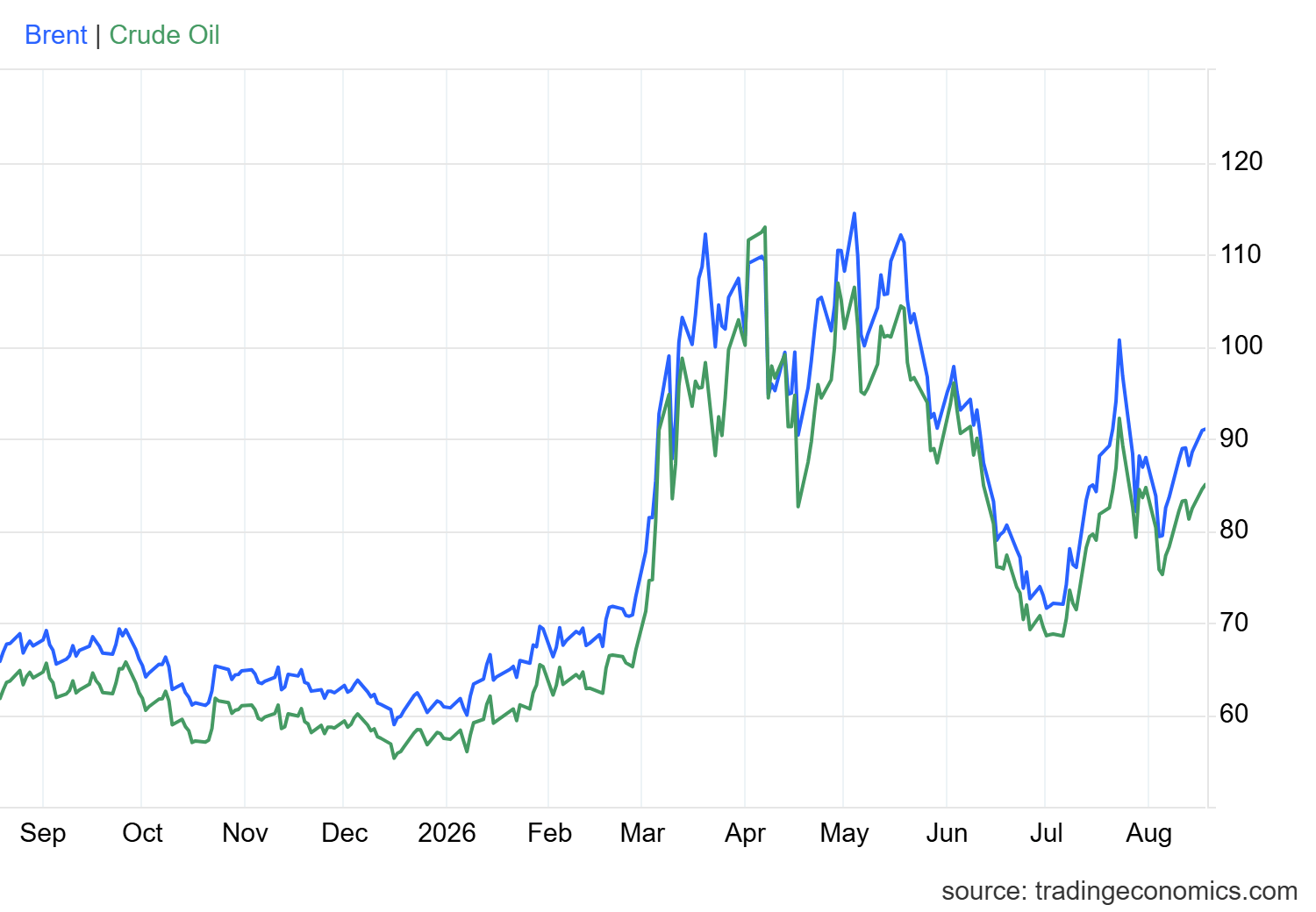
"We're back to watching the negotiations in real time," said Jason Stephens, founder of Evertern Wealth. He argued the balance of risk in oil still tilts to the downside rather than the upside, given the pressure building on Washington to get a deal done before the midterms.
There's a quieter story building underneath the headline price moves, too. The US Strategic Petroleum Reserve has fallen below 300 million barrels for the first time since the 1980s and is expected to drain further, to around 243 million barrels, as Washington releases crude to cushion the market against Hormuz-driven supply disruption. Engineers have warned that drawing down the reserve's underground salt caverns this quickly risks damaging the formations themselves. It's a slower-burning threat to America's energy security than anything happening in the Gulf this week. But it will outlast the war.
Elsewhere in the region, the strain is spreading rather than easing. Iran's Students' News Agency reported cross-border artillery shelling by Saudi forces against villages in Yemen's Saada province on Monday, in a district that has become a recurring flashpoint along the Saudi-Houthi frontier. Wire services are watching it for now rather than pricing it in — border skirmishes of this kind rarely move oil on their own. Whether that holds if the wider war keeps escalating is another matter entirely.