انتظرت على رقم قرض مرة. تحملت سحب الائتمان — ثم قُدِّم لي رقم واحد فقط يُفترض أنه قرر كل شيء.
شعرت وكأنها سحرٌ خالص في ذلك الوقت. لم يكن سحرًا. كان الاكتتاب.
هذه هي الحيلة مع أهداف السعر أيضًا، أليس كذلك؟
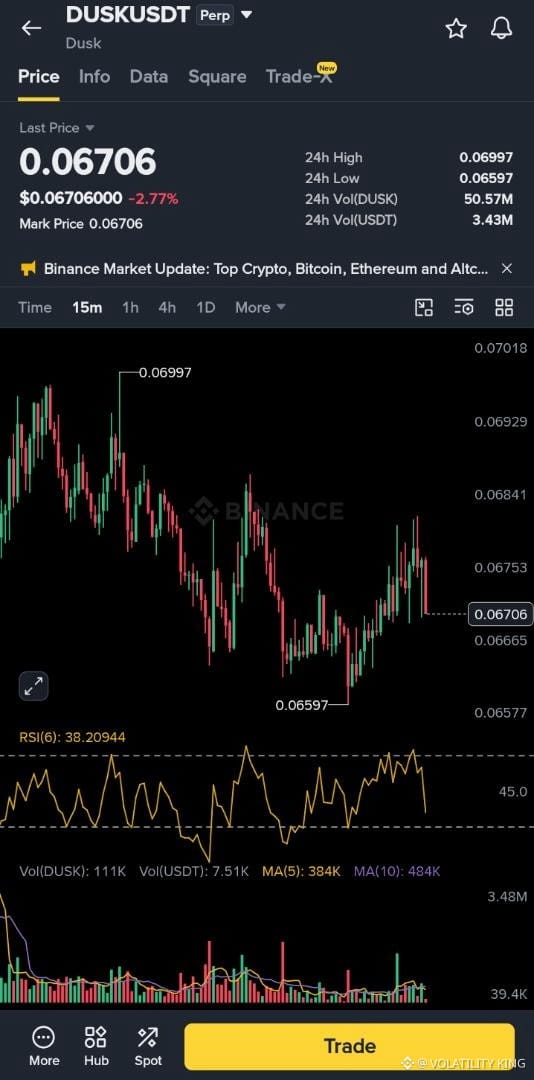
يُرمى رقم في الهواء — 0.10 دولار، أيًا كان — فيبدأ الأمر يبدو كأنه نبوءة بدلًا من كونه حسابًا.
لكن هل تعني الأهداف شيئًا دون معرفة ما الذي يكمن تحتها؟
XSC هي إجابة Dusk عن هذا السؤال — تخيّلها مثل ERC-20، لكن مُصممة للأوراق المالية بدلًا من التوكنات العامة. تُصدر أسهمًا رقمية، وتُبقي مسار تعافٍ قانوني إذا ضاعت المفاتيح. يبدو كل شيء مرتبًا. لكن هل النظيف هو نفسه الآمن فعلًا؟
Piecrust يشغّل طبقة العقد السرية تحت XSC. ليست مجرد حاشية — بل الجزء الذي يقرر ما إذا كانت عبارة "الخصوصية" تصمد فعلًا تحت الضغط.
بصراحة، ما زلت أفكر في هذه.
🕯️
لأنها لم تكن دائمًا كذلك. في وقت سابق من هذا العام، قام باحثون أمنيون في osec.io بالإبلاغ عن خلل حرج في السلامة (soundness) في dusk-plonk — كان المُتحقق لا يتحقق من أربعة من الالتزامات متعددة الحدود (polynomial commitments) الخاصة بالمُثبت (prover)، وهو فجوة كان يمكن أن تسمح لأحد ما بإصدار DUSK من العدم. كان نحو 60 مليون دولار متوقفًا خلف هذا التحقق الواحد. قامت Dusk بإصدار إصلاح. وليس هذا أول إنذار من نوع PLONK — فقد اكتشفت Trail of Bits ثغرة Frozen Heart في المكتبة نفسها في 2022.
هذه ليست وعودًا وردية (hopium). هذه اكتتاب مع أثر ورقي.
هل يمنح بروتوكول تم كسره وإصلاحه مرتين ثقة أكبر من بروتوكول لم يُختبر إطلاقًا؟
لا أقول إن ذلك يجيب عما إذا كانت 0.10 سيتم طبعها. الخلل المُصلح ليس وعدًا. وكذلك سعر الهدف ليس وعدًا.
لكن إليك السؤال الذي يستحق التوقف عنده —
عندما يصل رقم إلى هدفه، هل يحدث ذلك لأن الاكتتاب نفسه قد صمد بالفعل، أم لأن الجميع اتفقوا فقط على تصديق الرقم نفسه في الوقت نفسه؟
ماذا يحدث لمحفظة بُنيت على النوع الثاني عندما لا يبقى أحد ليساهم في الاستمرار بالاتفاق؟
@Dusk $DUSK #dusk
ليس نصيحة مالية. اعمل بحثك بنفسك (DYOR).
شعرت وكأنها سحرٌ خالص في ذلك الوقت. لم يكن سحرًا. كان الاكتتاب.
هذه هي الحيلة مع أهداف السعر أيضًا، أليس كذلك؟
يُرمى رقم في الهواء — 0.10 دولار، أيًا كان — فيبدأ الأمر يبدو كأنه نبوءة بدلًا من كونه حسابًا.
لكن هل تعني الأهداف شيئًا دون معرفة ما الذي يكمن تحتها؟
XSC هي إجابة Dusk عن هذا السؤال — تخيّلها مثل ERC-20، لكن مُصممة للأوراق المالية بدلًا من التوكنات العامة. تُصدر أسهمًا رقمية، وتُبقي مسار تعافٍ قانوني إذا ضاعت المفاتيح. يبدو كل شيء مرتبًا. لكن هل النظيف هو نفسه الآمن فعلًا؟
Piecrust يشغّل طبقة العقد السرية تحت XSC. ليست مجرد حاشية — بل الجزء الذي يقرر ما إذا كانت عبارة "الخصوصية" تصمد فعلًا تحت الضغط.
بصراحة، ما زلت أفكر في هذه.
🕯️
لأنها لم تكن دائمًا كذلك. في وقت سابق من هذا العام، قام باحثون أمنيون في osec.io بالإبلاغ عن خلل حرج في السلامة (soundness) في dusk-plonk — كان المُتحقق لا يتحقق من أربعة من الالتزامات متعددة الحدود (polynomial commitments) الخاصة بالمُثبت (prover)، وهو فجوة كان يمكن أن تسمح لأحد ما بإصدار DUSK من العدم. كان نحو 60 مليون دولار متوقفًا خلف هذا التحقق الواحد. قامت Dusk بإصدار إصلاح. وليس هذا أول إنذار من نوع PLONK — فقد اكتشفت Trail of Bits ثغرة Frozen Heart في المكتبة نفسها في 2022.
هذه ليست وعودًا وردية (hopium). هذه اكتتاب مع أثر ورقي.
هل يمنح بروتوكول تم كسره وإصلاحه مرتين ثقة أكبر من بروتوكول لم يُختبر إطلاقًا؟
لا أقول إن ذلك يجيب عما إذا كانت 0.10 سيتم طبعها. الخلل المُصلح ليس وعدًا. وكذلك سعر الهدف ليس وعدًا.
لكن إليك السؤال الذي يستحق التوقف عنده —
عندما يصل رقم إلى هدفه، هل يحدث ذلك لأن الاكتتاب نفسه قد صمد بالفعل، أم لأن الجميع اتفقوا فقط على تصديق الرقم نفسه في الوقت نفسه؟
ماذا يحدث لمحفظة بُنيت على النوع الثاني عندما لا يبقى أحد ليساهم في الاستمرار بالاتفاق؟
@Dusk $DUSK #dusk
ليس نصيحة مالية. اعمل بحثك بنفسك (DYOR).