كلما تعمقت في TermMax، كلما برز لي شيء واحد بشكل واضح.
يبدو الاقتراض بسعر ثابت بسيطًا في البداية: تثبيت تكلفة الاقتراض الخاصة بك والتوقف عن القلق بشأن أسعار الفائدة المتغيرة.
لكنني أعتقد أن هناك جانبًا آخر يستحق مزيدًا من الاهتمام.
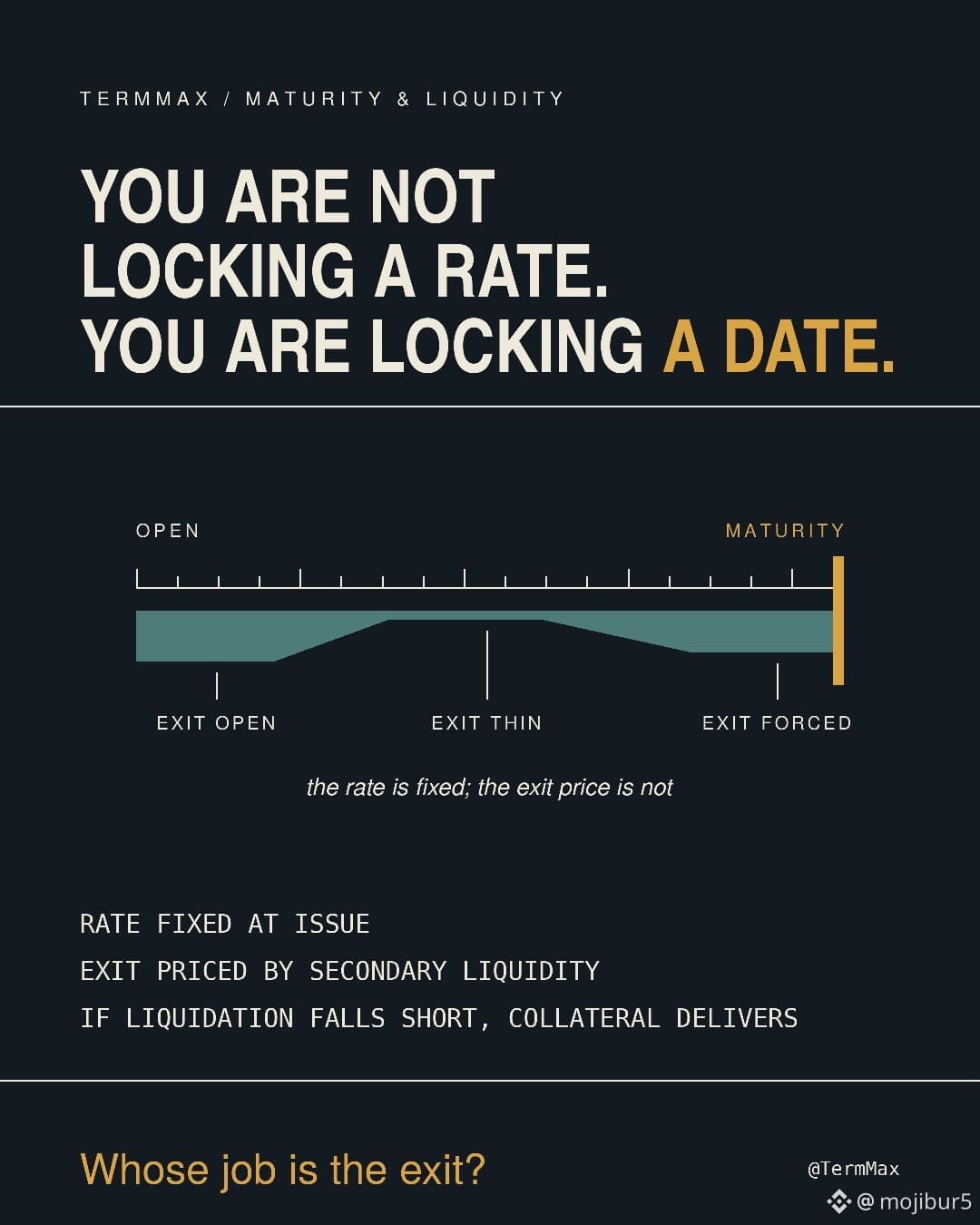
عندما تثبت سعرًا لمدة استحقاق محددة، فإنك لا تراهن فقط على سعر الفائدة.
بل أنت تراهن أيضًا على الزمن.
تخيل فتح مركز بتكلفة اقتراض ثابتة لعدة أشهر. تبدو الأمور قابلة للتنبؤ في البداية.
ولكن ماذا يحدث إذا تغيّرت ظروف السوق في منتصف الطريق؟
قد لا تكون التحديات مرتبطة بسعر الفائدة وحده.
بل تصبح المسألة متعلقة بالسيولة، وبالاستحقاق، وبمدى سهولة انتقال رأس المال عندما تحتاج إليه فعليًا.
وهذا ما يجعل TermMax مثيرًا للاهتمام بالنسبة لي.
الأسواق ذات السعر المتغير تعيد تسعير رأس المال باستمرار. الأسواق ذات السعر الثابت تقلل من هذا الغموض، لكنها تمنح أهمية أكبر بكثير للتخطيط للاستحقاق والسيولة.
كما أن آلية التسليم المادي لدى TermMax تضيف طبقة أخرى إلى التصميم. فإذا لم يتمكن التصفير من حل الوضع بالكامل عبر السيولة المتاحة في السوق، فقد تبدو عملية الاسترداد مختلفة تمامًا عن مجرد بيع الضمانات.
لذلك لا أعتقد أن السؤال الحقيقي هو:
“هل الأسعار الثابتة أفضل من الأسعار المتغيرة؟”
السؤال الأكثر إثارة للاهتمام هو:
هل يمكن للـ DeFi بناء سوق بسعر ثابت يستطيع فيه المقترضون التخطيط لتكاليفهم، ويستطيع فيه المقرضون التخطيط لعائدهم، وما يزال الطرفان قادرين على الحفاظ على سيولة يمكن التنبؤ بها حتى موعد الاستحقاق؟
أم أن أكبر تحدٍ أمام الـ DeFi ذو السعر الثابت سيظهر ألا يكون متعلقًا بالسعر نفسه، بل بتوقيت السيولة؟
#termmax @TermMax
يبدو الاقتراض بسعر ثابت بسيطًا في البداية: تثبيت تكلفة الاقتراض الخاصة بك والتوقف عن القلق بشأن أسعار الفائدة المتغيرة.
لكنني أعتقد أن هناك جانبًا آخر يستحق مزيدًا من الاهتمام.
عندما تثبت سعرًا لمدة استحقاق محددة، فإنك لا تراهن فقط على سعر الفائدة.
بل أنت تراهن أيضًا على الزمن.
تخيل فتح مركز بتكلفة اقتراض ثابتة لعدة أشهر. تبدو الأمور قابلة للتنبؤ في البداية.
ولكن ماذا يحدث إذا تغيّرت ظروف السوق في منتصف الطريق؟
قد لا تكون التحديات مرتبطة بسعر الفائدة وحده.
بل تصبح المسألة متعلقة بالسيولة، وبالاستحقاق، وبمدى سهولة انتقال رأس المال عندما تحتاج إليه فعليًا.
وهذا ما يجعل TermMax مثيرًا للاهتمام بالنسبة لي.
الأسواق ذات السعر المتغير تعيد تسعير رأس المال باستمرار. الأسواق ذات السعر الثابت تقلل من هذا الغموض، لكنها تمنح أهمية أكبر بكثير للتخطيط للاستحقاق والسيولة.
كما أن آلية التسليم المادي لدى TermMax تضيف طبقة أخرى إلى التصميم. فإذا لم يتمكن التصفير من حل الوضع بالكامل عبر السيولة المتاحة في السوق، فقد تبدو عملية الاسترداد مختلفة تمامًا عن مجرد بيع الضمانات.
لذلك لا أعتقد أن السؤال الحقيقي هو:
“هل الأسعار الثابتة أفضل من الأسعار المتغيرة؟”
السؤال الأكثر إثارة للاهتمام هو:
هل يمكن للـ DeFi بناء سوق بسعر ثابت يستطيع فيه المقترضون التخطيط لتكاليفهم، ويستطيع فيه المقرضون التخطيط لعائدهم، وما يزال الطرفان قادرين على الحفاظ على سيولة يمكن التنبؤ بها حتى موعد الاستحقاق؟
أم أن أكبر تحدٍ أمام الـ DeFi ذو السعر الثابت سيظهر ألا يكون متعلقًا بالسعر نفسه، بل بتوقيت السيولة؟
#termmax @TermMax