
#dusk $DUSK @Dusk
لقد بدأت أنظر إلى Dusk من زاوية مختلفة: ليس باعتبارها "بلوكشين خصوصية"، بل كنظام يحدّد فيه بيئة التنفيذ مدى قابلية الخصوصية لأن تصبح قابلة للاستخدام فعليًا.
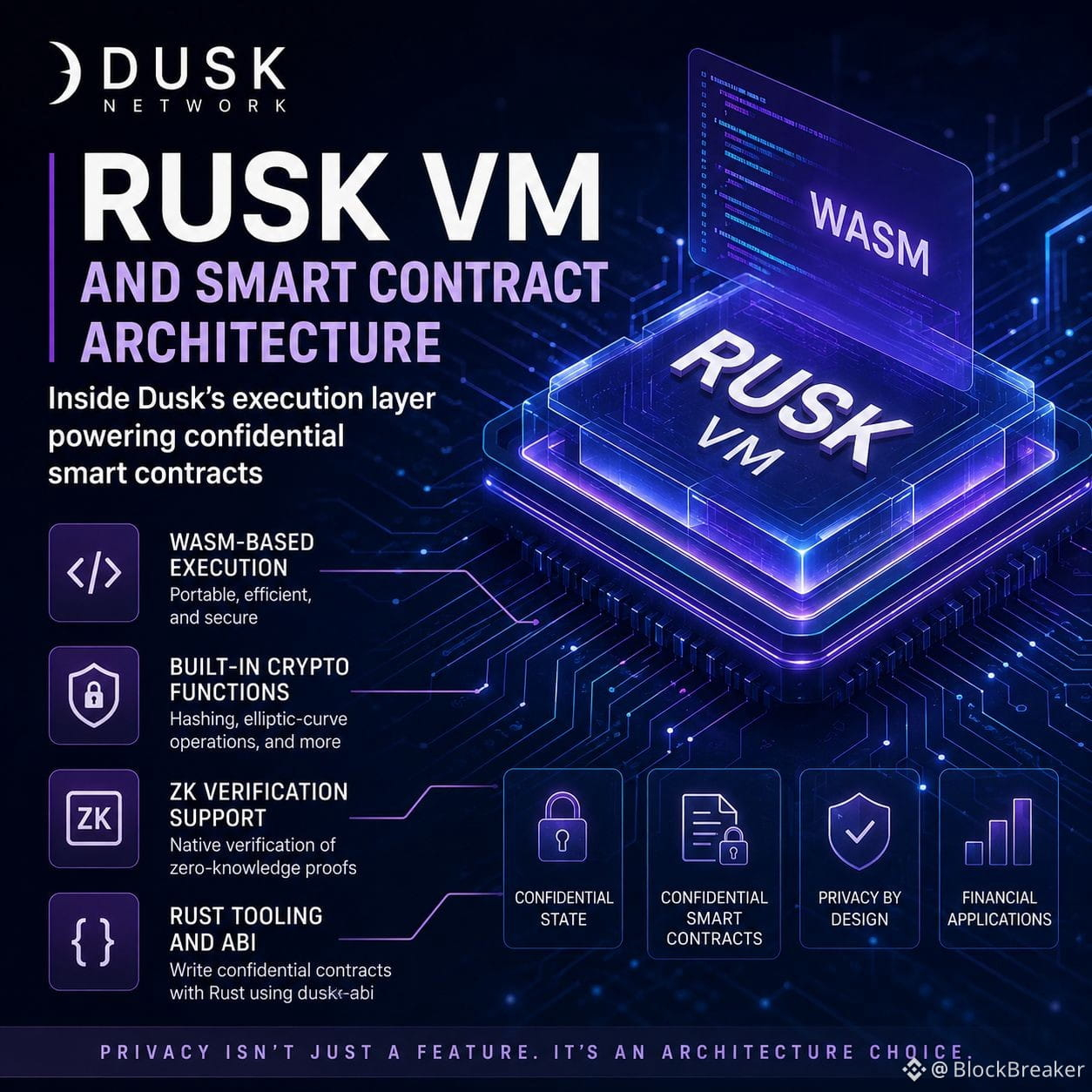
لهذا جذب انتباهي Rusk VM. يستخدم WASM لتنفيذ العقود، لكنه لا يتوقف عند هذا الحد. يتيح Dusk عمليات التشفير عبر طبقة المضيف الخاصة بالآلة الافتراضية، بما في ذلك التجزئة، وعمليات المنحنيات الإهليلجية، والتحقق بالمعرفة الصفرية. عمليًا، لا يحتاج العقد إلى تنفيذ كل بدائية مكلفة بنفسه.
أعتقد أن قرار التصميم هذا أهم مما قد يبدو في البداية. لا تكون العقود السرّية مفيدة إلا عندما يستطيع المطورون التفكير في تكاليفها، ومدخلاتها، ومسارات فشلها. تُنشئ ABI الخاصة بـ Rusk وأدوات Rust واجهةً محددةً بين كود العقد وتلك الإمكانات المحلية.
لقد رأيت هذا من قبل مع أنظمة العقود الذكية: الجزء المثير للاهتمام نادرًا ما تكون اللغة. بل هو الحدّ الفاصل بين كود التطبيق والبدائيات منخفضة المستوى الكامنة تحته.
ما كنت سأراقبه عن كثب مع Rusk ليس عنوانًا آخر لقياس الأداء. أودّ فهم مدى بقاء استدعاءات المضيف قابلة للتنبؤ، وكيف يتطور تسعير الغاز، وكيف تُدار تغييرات ABI، وكيف يقوم المطورون بتصحيح أخطاء العقود عندما تكون الحالة نفسها مخفية عمدًا.
هذه هي النقطة التي أجدها مثيرة للاهتمام حقًا. الخصوصية على مستوى البروتوكول شيء واحد. أما جعل الخصوصية قابلة للبرمجة دون تحويل التطوير إلى مشروع بحث في التشفير، فهي مشكلة أصعب بكثير.
لقد بدأت أنظر إلى Dusk من زاوية مختلفة: ليس باعتبارها "بلوكشين خصوصية"، بل كنظام يحدّد فيه بيئة التنفيذ مدى قابلية الخصوصية لأن تصبح قابلة للاستخدام فعليًا.
لهذا جذب انتباهي Rusk VM. يستخدم WASM لتنفيذ العقود، لكنه لا يتوقف عند هذا الحد. يتيح Dusk عمليات التشفير عبر طبقة المضيف الخاصة بالآلة الافتراضية، بما في ذلك التجزئة، وعمليات المنحنيات الإهليلجية، والتحقق بالمعرفة الصفرية. عمليًا، لا يحتاج العقد إلى تنفيذ كل بدائية مكلفة بنفسه.
أعتقد أن قرار التصميم هذا أهم مما قد يبدو في البداية. لا تكون العقود السرّية مفيدة إلا عندما يستطيع المطورون التفكير في تكاليفها، ومدخلاتها، ومسارات فشلها. تُنشئ ABI الخاصة بـ Rusk وأدوات Rust واجهةً محددةً بين كود العقد وتلك الإمكانات المحلية.
لقد رأيت هذا من قبل مع أنظمة العقود الذكية: الجزء المثير للاهتمام نادرًا ما تكون اللغة. بل هو الحدّ الفاصل بين كود التطبيق والبدائيات منخفضة المستوى الكامنة تحته.
ما كنت سأراقبه عن كثب مع Rusk ليس عنوانًا آخر لقياس الأداء. أودّ فهم مدى بقاء استدعاءات المضيف قابلة للتنبؤ، وكيف يتطور تسعير الغاز، وكيف تُدار تغييرات ABI، وكيف يقوم المطورون بتصحيح أخطاء العقود عندما تكون الحالة نفسها مخفية عمدًا.
هذه هي النقطة التي أجدها مثيرة للاهتمام حقًا. الخصوصية على مستوى البروتوكول شيء واحد. أما جعل الخصوصية قابلة للبرمجة دون تحويل التطوير إلى مشروع بحث في التشفير، فهي مشكلة أصعب بكثير.