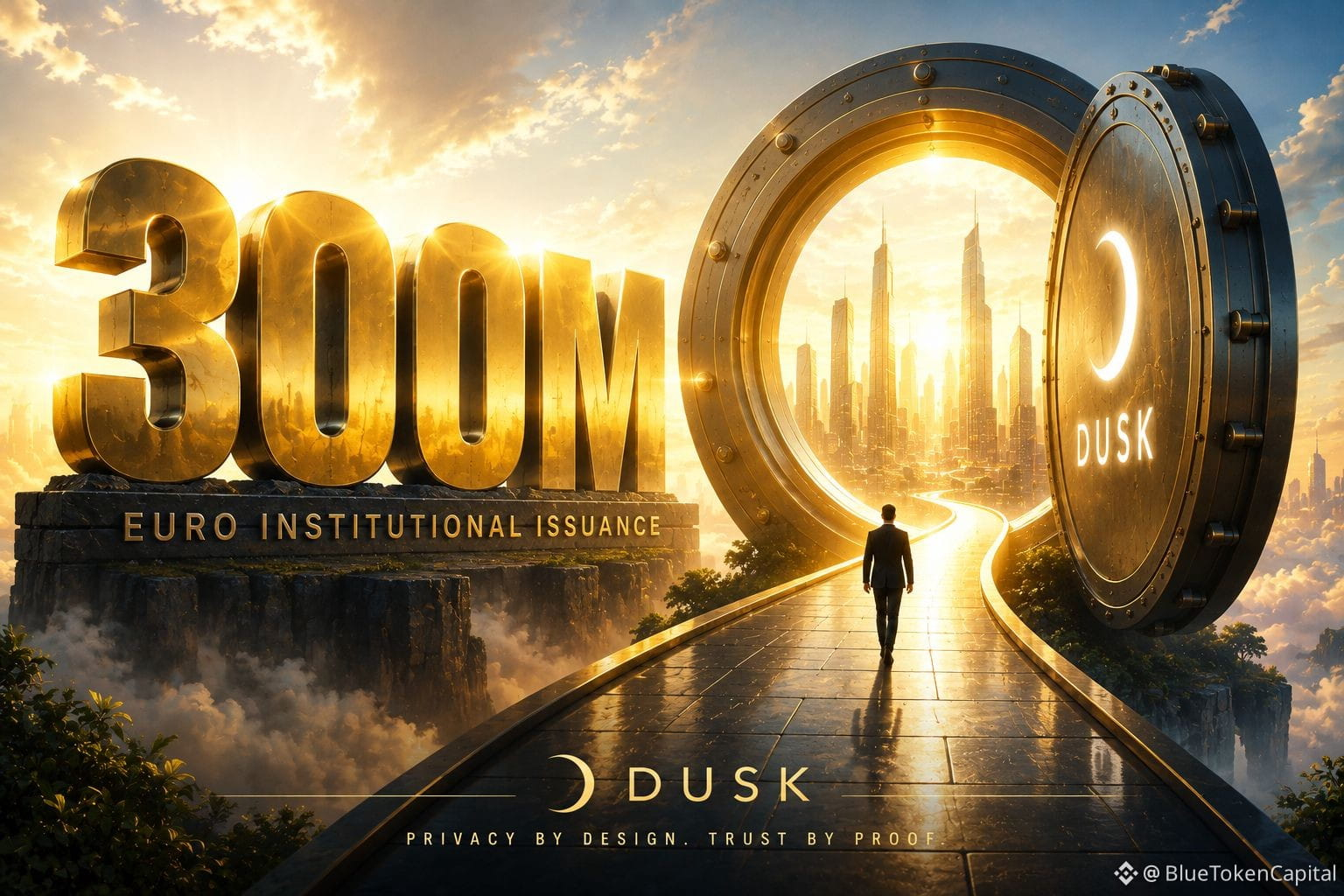
€300 مليون. 210 مليون. ~10 ثوانٍ.
لقد تعمقت أكثر في @Dusk ، وكلما نظرت إلى الأرقام، زاد فهمي لماذا يُثير هذا المشروع اهتمامي.
هذا ليس مجرد L1 آخر يتحدث عن TPS.
يعمل Dusk على بناء بنية تحتية للأسواق المالية الخاضعة للرقابة — حيث يجب أن تعمل الخصوصية والامتثال والتنفيذ والتسوية معًا.
والأرقام لفتت انتباهي:
€300 مليون+ إصدار مُؤكَّد مع المؤسسات.
50 ألف+ وصول للمستثمرين.
210 مليون+ $DUSK staked لتأمين الشبكة.
~10 ثوانٍ تسوية حتمية.
لكن الأرقام وحدها لا تصنع بروتوكولًا.
إن مجموعة المهارات الكامنة هي ما يجعل Dusk مثيرًا للاهتمام.
🔐 Phoenix → معاملات مُشفَّهة وخصوصية مبنية على ZK.
👁️ Citadel → إفصاح انتقائي، بحيث يمكن الكشف عن المعلومات الصحيحة للطرف الصحيح.
⚙️ DuskEVM → مسار مألوف للمطورين عبر Solidity/EVM.
🧠 Hedger → تشفير متماثل + إثباتات عدم المعرفة لعمليات EVM سرية.
وهذه هي الجزء الذي أجده مثيرًا للاهتمام بشكل خاص:
دفاتر أوامر مُموّهة.
الفكرة هي حماية نية التداول والتعرض مع الحفاظ على إمكانية تدقيق المعاملات — وهو أمر مهم عندما يبدأ رأس المال المؤسسي بالتحرك على السلسلة. يقول Dusk إن الدوائر الخفيفة يمكنها توليد إثباتات على جانب العميل خلال أقل من ثانيتين.
ثم هناك أعمال الأمان.
يقول Dusk إن مجموعته خضعت لـ 10 عمليات تدقيق مع 200+ صفحة من التقارير، بما في ذلك أعمال تغطي Piecrust VM ونظام إثباتات عدم المعرفة PLONK.
أنا لا أقرأ “10 عمليات تدقيق” على أنها “لا يمكن أن يحدث شيء خطأ”.
بل أقرأها على أنها إشارة إلى أن Dusk يعامل هذا كـ بنية تحتية مالية، حيث يجب أن تكون السلامة جزءًا من التصميم — لا مجرد فكرة لاحقة.
وعندما أوصل الأجزاء:
الخصوصية → الإفصاح الانتقائي → الأصول الخاضعة للرقابة → EVM → تنفيذ سري → تسوية حتمية.
تصبح الأطروحة أكبر بكثير من مجرد “RWA على السلسلة”.
رأس مال خاص.
تنفيذ قابل للتحقق.
أسواق مُنظمة.
بيئة واحدة قابلة للبرمجة.
هذه هي أطروحة Dusk التي أراهن على تركيزي عليها. 🔐
$DUSK #dusk
لقد تعمقت أكثر في @Dusk ، وكلما نظرت إلى الأرقام، زاد فهمي لماذا يُثير هذا المشروع اهتمامي.
هذا ليس مجرد L1 آخر يتحدث عن TPS.
يعمل Dusk على بناء بنية تحتية للأسواق المالية الخاضعة للرقابة — حيث يجب أن تعمل الخصوصية والامتثال والتنفيذ والتسوية معًا.
والأرقام لفتت انتباهي:
€300 مليون+ إصدار مُؤكَّد مع المؤسسات.
50 ألف+ وصول للمستثمرين.
210 مليون+ $DUSK staked لتأمين الشبكة.
~10 ثوانٍ تسوية حتمية.
لكن الأرقام وحدها لا تصنع بروتوكولًا.
إن مجموعة المهارات الكامنة هي ما يجعل Dusk مثيرًا للاهتمام.
🔐 Phoenix → معاملات مُشفَّهة وخصوصية مبنية على ZK.
👁️ Citadel → إفصاح انتقائي، بحيث يمكن الكشف عن المعلومات الصحيحة للطرف الصحيح.
⚙️ DuskEVM → مسار مألوف للمطورين عبر Solidity/EVM.
🧠 Hedger → تشفير متماثل + إثباتات عدم المعرفة لعمليات EVM سرية.
وهذه هي الجزء الذي أجده مثيرًا للاهتمام بشكل خاص:
دفاتر أوامر مُموّهة.
الفكرة هي حماية نية التداول والتعرض مع الحفاظ على إمكانية تدقيق المعاملات — وهو أمر مهم عندما يبدأ رأس المال المؤسسي بالتحرك على السلسلة. يقول Dusk إن الدوائر الخفيفة يمكنها توليد إثباتات على جانب العميل خلال أقل من ثانيتين.
ثم هناك أعمال الأمان.
يقول Dusk إن مجموعته خضعت لـ 10 عمليات تدقيق مع 200+ صفحة من التقارير، بما في ذلك أعمال تغطي Piecrust VM ونظام إثباتات عدم المعرفة PLONK.
أنا لا أقرأ “10 عمليات تدقيق” على أنها “لا يمكن أن يحدث شيء خطأ”.
بل أقرأها على أنها إشارة إلى أن Dusk يعامل هذا كـ بنية تحتية مالية، حيث يجب أن تكون السلامة جزءًا من التصميم — لا مجرد فكرة لاحقة.
وعندما أوصل الأجزاء:
الخصوصية → الإفصاح الانتقائي → الأصول الخاضعة للرقابة → EVM → تنفيذ سري → تسوية حتمية.
تصبح الأطروحة أكبر بكثير من مجرد “RWA على السلسلة”.
رأس مال خاص.
تنفيذ قابل للتحقق.
أسواق مُنظمة.
بيئة واحدة قابلة للبرمجة.
هذه هي أطروحة Dusk التي أراهن على تركيزي عليها. 🔐
$DUSK #dusk