متجر بقالة. قراءة ملصق.
"عضوي". اعتقدت أنه يعني شيئًا صارمًا. معيار واحد، شريط واحد، الجميع يجتازه بالطريقة نفسها.
اتضح أن هناك مستويات. بعض المنتجات لا تكاد تستوفي الشروط ومع ذلك ما تزال ترتدي الكلمة على واجهة الصندوق. من الناحية الفنية صحيح. عمليًا لا معنى له.
والشيء نفسه يحدث مع كلمة "متوافق" على السلسلة.
🕯️
كل مشروع من مشاريع RWA يقول ذلك الآن. كل عرض تقديمي يحتوي الكلمة في مكان ما ضمن أول ثلاث شرائح. لكن ماذا تعني كلمة "متوافق" فعلاً عندما لا يوجد منظم يقف خلف الملصق؟
من الذي تدقق ذلك؟
إلى أي إطار يرتبط فعلاً — إطار حقيقي، أم معيار داخلي مُختلق لا يعترف به أحد خارج الفريق؟
هل السلسلة مُصممة للتنظيم، أم أنها مجرد تُروى على هذا النحو لاحقًا بعد أن أصبح RWA هو التداول الذي يريد الجميع التعرض له؟
هل طبقة التسوية تفرض القواعد فعلاً، أم أنها تقول الكلمات الصحيحة فقط وتأمل ألا يقوم أحد بالتحقق؟
في الوقت الحالي، معظم الأصول المُرمّزة تستقر على بنية تحتية عامة، مع قصة امتثال مُلتفة حولها في وقت متأخر. هذا ليس تمويلاً مُنظمًا. هذا عرض خصوصية يرتدي زي الامتثال.
لم يضفها Dusk لاحقًا.
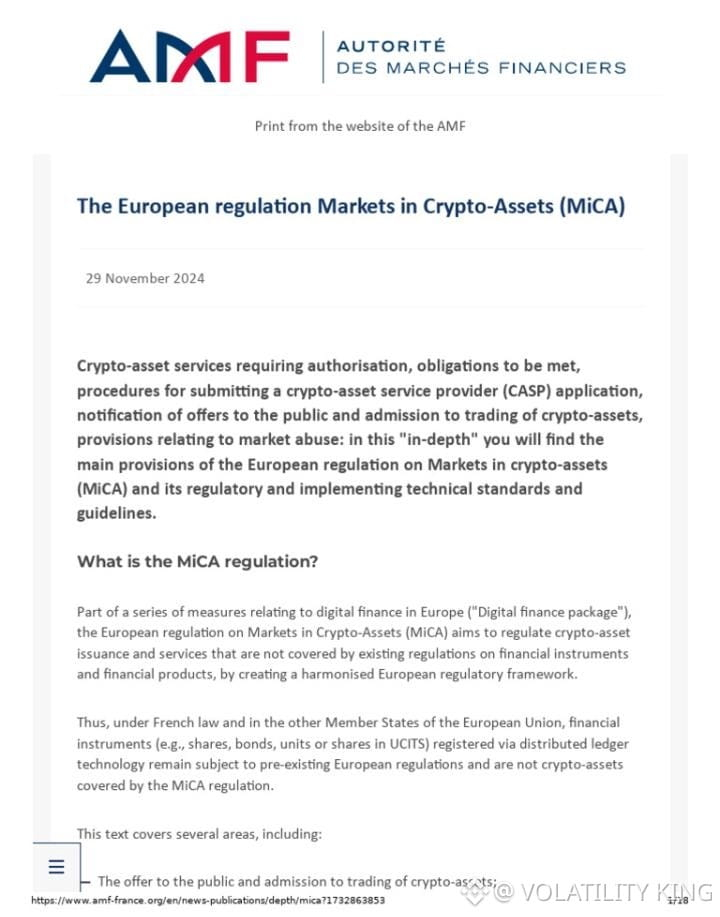
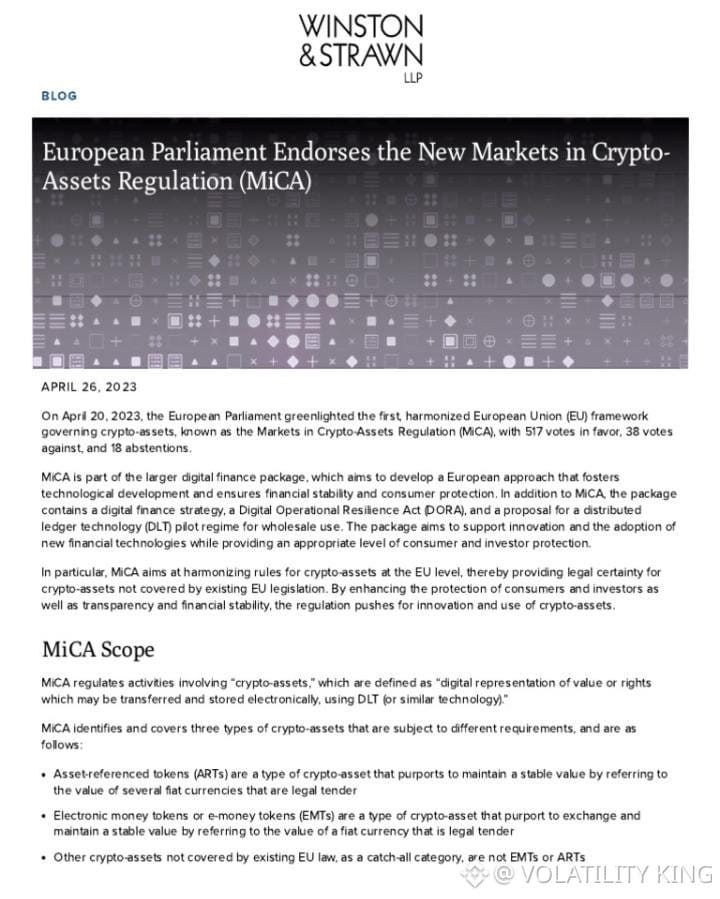
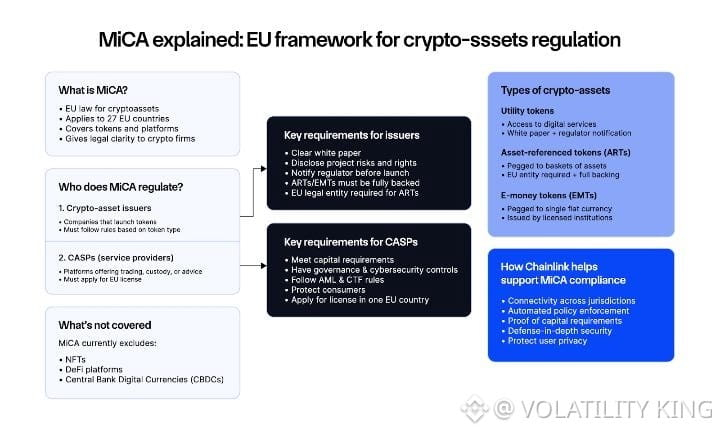
MiFID II، MiCA، نظام تجربة DLT — ليست هذه مجرد أسطر من عرض تقديمي، بل هي البنية نفسها. يجعل Hedger المعاملات قابلة للتدقيق بالتصميم، لا بالتزامن مع الاستثناء، عندما يطلب المنظم فعلاً أن يطّلع. الخصوصية هي الافتراضية. يمكن إثباتها فور أن يصبح ذلك مهمًا.
تلك الفجوة — بين ارتداء الملصق وتحقيق المعيار — هي اللعبة بأكملها الآن.
ليس المقصود أن الامتثال وحده يفوز بالدورة. فالبنية التحتية ما زالت تحتاج إلى استخدام. والسيولة ما زالت تحتاج إلى الحضور. والمؤسسات ما زالت تتحرك ببطء أكثر مما تريده الرسوم البيانية، حتى بعد أن تكون المسارات جاهزة بالفعل.
لكن هذه هي الأسئلة التي لا يريد أي شخص يبني منتجات RWA "متوافقة" أن تُطرح بصوت عالٍ:
ماذا يحدث في اليوم الذي يتوقف فيه المنظم عن قراءة العرض ويبدأ في فحص الملصق؟
ما زال الجميع جالسًا هناك مع تلك النقطة.
@Dusk $DUSK #dusk
"عضوي". اعتقدت أنه يعني شيئًا صارمًا. معيار واحد، شريط واحد، الجميع يجتازه بالطريقة نفسها.
اتضح أن هناك مستويات. بعض المنتجات لا تكاد تستوفي الشروط ومع ذلك ما تزال ترتدي الكلمة على واجهة الصندوق. من الناحية الفنية صحيح. عمليًا لا معنى له.
والشيء نفسه يحدث مع كلمة "متوافق" على السلسلة.
🕯️
كل مشروع من مشاريع RWA يقول ذلك الآن. كل عرض تقديمي يحتوي الكلمة في مكان ما ضمن أول ثلاث شرائح. لكن ماذا تعني كلمة "متوافق" فعلاً عندما لا يوجد منظم يقف خلف الملصق؟
من الذي تدقق ذلك؟
إلى أي إطار يرتبط فعلاً — إطار حقيقي، أم معيار داخلي مُختلق لا يعترف به أحد خارج الفريق؟
هل السلسلة مُصممة للتنظيم، أم أنها مجرد تُروى على هذا النحو لاحقًا بعد أن أصبح RWA هو التداول الذي يريد الجميع التعرض له؟
هل طبقة التسوية تفرض القواعد فعلاً، أم أنها تقول الكلمات الصحيحة فقط وتأمل ألا يقوم أحد بالتحقق؟
في الوقت الحالي، معظم الأصول المُرمّزة تستقر على بنية تحتية عامة، مع قصة امتثال مُلتفة حولها في وقت متأخر. هذا ليس تمويلاً مُنظمًا. هذا عرض خصوصية يرتدي زي الامتثال.
لم يضفها Dusk لاحقًا.
MiFID II، MiCA، نظام تجربة DLT — ليست هذه مجرد أسطر من عرض تقديمي، بل هي البنية نفسها. يجعل Hedger المعاملات قابلة للتدقيق بالتصميم، لا بالتزامن مع الاستثناء، عندما يطلب المنظم فعلاً أن يطّلع. الخصوصية هي الافتراضية. يمكن إثباتها فور أن يصبح ذلك مهمًا.
تلك الفجوة — بين ارتداء الملصق وتحقيق المعيار — هي اللعبة بأكملها الآن.
ليس المقصود أن الامتثال وحده يفوز بالدورة. فالبنية التحتية ما زالت تحتاج إلى استخدام. والسيولة ما زالت تحتاج إلى الحضور. والمؤسسات ما زالت تتحرك ببطء أكثر مما تريده الرسوم البيانية، حتى بعد أن تكون المسارات جاهزة بالفعل.
لكن هذه هي الأسئلة التي لا يريد أي شخص يبني منتجات RWA "متوافقة" أن تُطرح بصوت عالٍ:
ماذا يحدث في اليوم الذي يتوقف فيه المنظم عن قراءة العرض ويبدأ في فحص الملصق؟
ما زال الجميع جالسًا هناك مع تلك النقطة.
@Dusk $DUSK #dusk