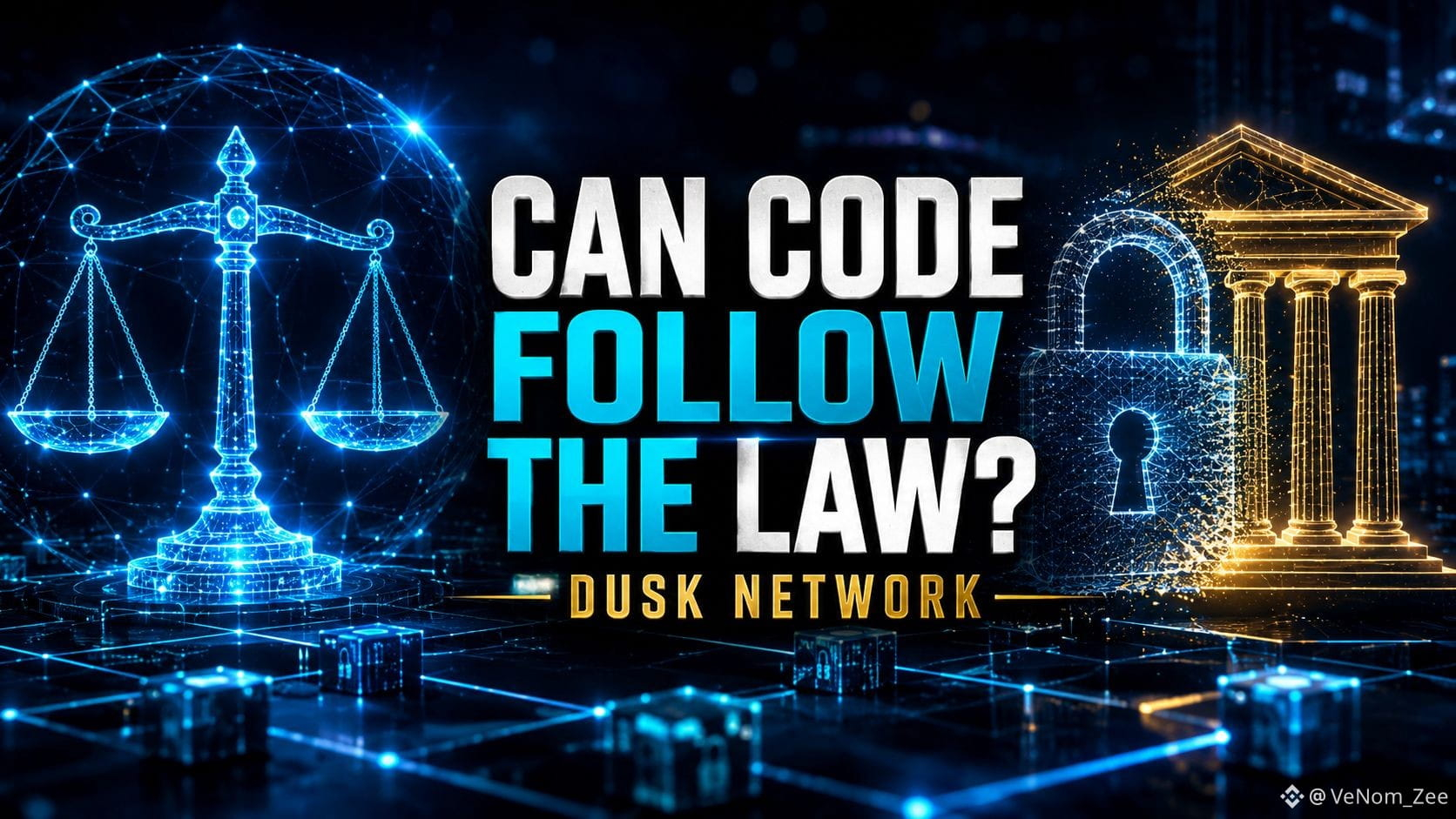
كنت أعمل ببطء مؤخرًا على قراءة الأوراق البيضاء القديمة لسلاسل الكتل، وغالبًا بدافع الفضول لمعرفة كيف تتعامل المشاريع المختلفة فعليًا مع التنظيم بدلًا من مجرد تجنّبه. كانت شبكة Dusk Network هي التي جعلتني أتوقف.
ما لفت انتباهي لم يكن التشفير، وهو أمر شائع نسبيًا في هذا المجال في الوقت الحالي، بل نموذج معاملات يُسمّى Zedger، مُصمَّم خصيصًا حول قانون الأوراق المالية. فهو يتطلب مشاركين مُدرجين في قائمة السماح، ويُلزم المستلمين بالموافقة صراحةً على التحويلات الواردة، ويتيح لمشغّل مُعيَّن إعادة بناء سجل ملكية كامل في أي لحظة من الزمن. وهذه الجزئية الأخيرة تُعد عمليًا متطلب تدقيق، مكتوبًا مباشرةً داخل البروتوكول. إنها واحدة من المرات القليلة التي رأيت فيها تصميم ورقة بيضاء يتمحور حول الامتثال بدلًا من التعامل معه كشيء يمكن التحايل عليه لاحقًا.
ومع ذلك، لا أعتقد أن المواصفة المكتوبة جيدًا تحسم الكثير لوحدها. فالقائمة المسموح بها لا تكون جديرة بالثقة إلا بقدر من يشغّلها، والعقد الذكي يستطيع فرض قاعدة، لكنه لا يستطيع تحديد من هو ملتزم فعليًا بالقانون. لا تزال هذه المسؤولية تقع على شخص أو مؤسسة. كذلك تُكتب الأوراق البيضاء قبل سنوات من استخدام أي شيء فعليًا، والمسافة بين تصميم جيد ونظام مُنظَّم يعمل عادة تكون أكبر مما تبدو عليه على الورق.
لا يجعل ذلك الفكرة أقل إثارة، بل أقل اكتمالًا مما يقرأه المرء. إنها تذكير جيد بأن تقرأ ببطء، وأن تسأل عمّا يتم فرضه فعليًا مقابل ما هو مصمَّم فقط، وألا تأخذ كلام أي نظام كما هو. مثل هذه العادات الصغيرة تتراكم — فهمٌ أكثر قليلًا مع كل شيء أجلس لأقرأه فعليًا.
@Dusk #dusk $DUSK
ما لفت انتباهي لم يكن التشفير، وهو أمر شائع نسبيًا في هذا المجال في الوقت الحالي، بل نموذج معاملات يُسمّى Zedger، مُصمَّم خصيصًا حول قانون الأوراق المالية. فهو يتطلب مشاركين مُدرجين في قائمة السماح، ويُلزم المستلمين بالموافقة صراحةً على التحويلات الواردة، ويتيح لمشغّل مُعيَّن إعادة بناء سجل ملكية كامل في أي لحظة من الزمن. وهذه الجزئية الأخيرة تُعد عمليًا متطلب تدقيق، مكتوبًا مباشرةً داخل البروتوكول. إنها واحدة من المرات القليلة التي رأيت فيها تصميم ورقة بيضاء يتمحور حول الامتثال بدلًا من التعامل معه كشيء يمكن التحايل عليه لاحقًا.
ومع ذلك، لا أعتقد أن المواصفة المكتوبة جيدًا تحسم الكثير لوحدها. فالقائمة المسموح بها لا تكون جديرة بالثقة إلا بقدر من يشغّلها، والعقد الذكي يستطيع فرض قاعدة، لكنه لا يستطيع تحديد من هو ملتزم فعليًا بالقانون. لا تزال هذه المسؤولية تقع على شخص أو مؤسسة. كذلك تُكتب الأوراق البيضاء قبل سنوات من استخدام أي شيء فعليًا، والمسافة بين تصميم جيد ونظام مُنظَّم يعمل عادة تكون أكبر مما تبدو عليه على الورق.
لا يجعل ذلك الفكرة أقل إثارة، بل أقل اكتمالًا مما يقرأه المرء. إنها تذكير جيد بأن تقرأ ببطء، وأن تسأل عمّا يتم فرضه فعليًا مقابل ما هو مصمَّم فقط، وألا تأخذ كلام أي نظام كما هو. مثل هذه العادات الصغيرة تتراكم — فهمٌ أكثر قليلًا مع كل شيء أجلس لأقرأه فعليًا.
@Dusk #dusk $DUSK