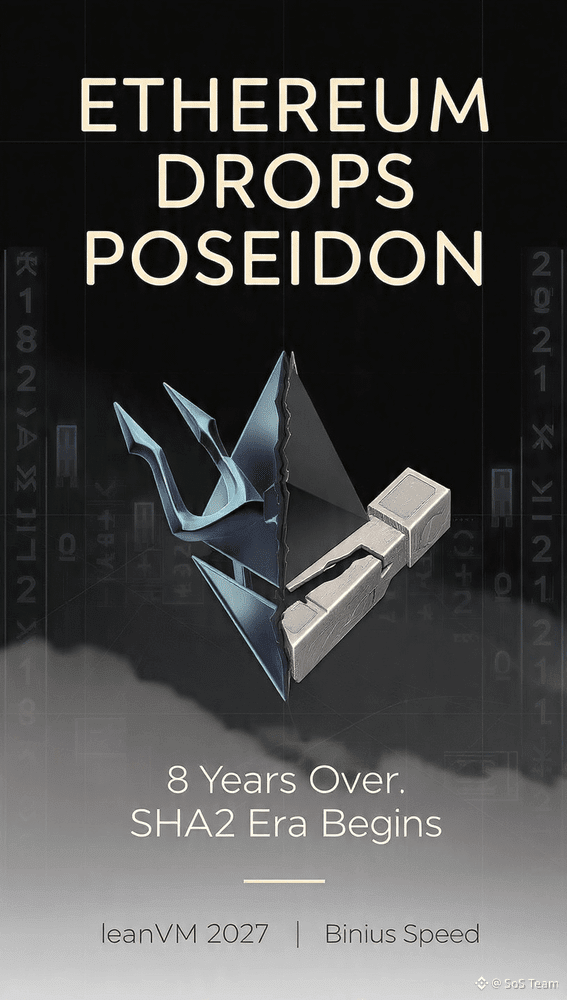
الأسبوع الماضي، شاهد كثير من المتداولين عبارة “Ethereum Foundation drops Poseidon for L1” واعتبروها مجرد عنوان تطوير آخر.
الخطر هو أن قرارات البنية التحتية يمكنها أن تعيد تسعير السرديات بهدوء قبل أن تتحرك الأسعار. إذا كنت تملك $ETH beta، أو رموز L2، أو رهانات على الدوران مثل $POL ، فإن هذه التغييرات قد تؤثر على ما يعتقده السوق أنه بات جاهزًا فعلًا للتوسع.
إليك دراسة الحالة: كان بوسيدون جذابًا لأنه يتماشى جيدًا مع أنظمة المعرفة الصفرية، لكن إدخال بدائية تشفيرية إلى Ethereum L1 ليس مثل استخدامها في تطبيق أو ضمن سلسلة rollup. تغييرات L1 تحتاج إلى سنوات من الثقة والمراجعة وتفكير معمّق بشأن التوافق. إذا تراجعت المؤسسة، فهذا يشير إلى التحفّظ إزاء افتراضات الأمان أو مخاطر التنفيذ أو مسار التوحيد القياسي على المدى الطويل.
أغلب الناس فاتهم الأثر ذو الرتبة الثانية. في سوق الخوف، لا يكافئ المتداولون “ربما لاحقًا” بالطريقة نفسها التي يكافئون بها التنفيذ الواضح. وقد يؤدي ذلك إلى ضرب سرديات قريبة من ZK، وتأخير التوقعات، وجعل صفقات ضمن نظام $ETH ecosystem المكتظ أكثر هشاشة، خصوصًا عندما تكون السيولة متوارية في $USDT بانتظار تأكيد.
العبرة بسيطة: ليست كل تأخيرات سلبية، لكن كل انعكاس في تصميم L1 تذكير بأن خرائط طريق العملات المشفرة ليست ضمانات. أحيانًا يكون أكثر ترقية تقنية “تبدو آمنة” هي التي تحتاج إلى أكبر قدر من الشك.
ما رأيك في معنى ذلك بالنسبة لسردية التوسع لدى Ethereum من هنا؟ #EthereumFoundationDropsPoseidonForL1 #GlobalStocksNearRecordHighs #US30YBondAuctionYieldHighestSince2001
الخطر هو أن قرارات البنية التحتية يمكنها أن تعيد تسعير السرديات بهدوء قبل أن تتحرك الأسعار. إذا كنت تملك $ETH beta، أو رموز L2، أو رهانات على الدوران مثل $POL ، فإن هذه التغييرات قد تؤثر على ما يعتقده السوق أنه بات جاهزًا فعلًا للتوسع.
إليك دراسة الحالة: كان بوسيدون جذابًا لأنه يتماشى جيدًا مع أنظمة المعرفة الصفرية، لكن إدخال بدائية تشفيرية إلى Ethereum L1 ليس مثل استخدامها في تطبيق أو ضمن سلسلة rollup. تغييرات L1 تحتاج إلى سنوات من الثقة والمراجعة وتفكير معمّق بشأن التوافق. إذا تراجعت المؤسسة، فهذا يشير إلى التحفّظ إزاء افتراضات الأمان أو مخاطر التنفيذ أو مسار التوحيد القياسي على المدى الطويل.
أغلب الناس فاتهم الأثر ذو الرتبة الثانية. في سوق الخوف، لا يكافئ المتداولون “ربما لاحقًا” بالطريقة نفسها التي يكافئون بها التنفيذ الواضح. وقد يؤدي ذلك إلى ضرب سرديات قريبة من ZK، وتأخير التوقعات، وجعل صفقات ضمن نظام $ETH ecosystem المكتظ أكثر هشاشة، خصوصًا عندما تكون السيولة متوارية في $USDT بانتظار تأكيد.
العبرة بسيطة: ليست كل تأخيرات سلبية، لكن كل انعكاس في تصميم L1 تذكير بأن خرائط طريق العملات المشفرة ليست ضمانات. أحيانًا يكون أكثر ترقية تقنية “تبدو آمنة” هي التي تحتاج إلى أكبر قدر من الشك.
ما رأيك في معنى ذلك بالنسبة لسردية التوسع لدى Ethereum من هنا؟ #EthereumFoundationDropsPoseidonForL1 #GlobalStocksNearRecordHighs #US30YBondAuctionYieldHighestSince2001