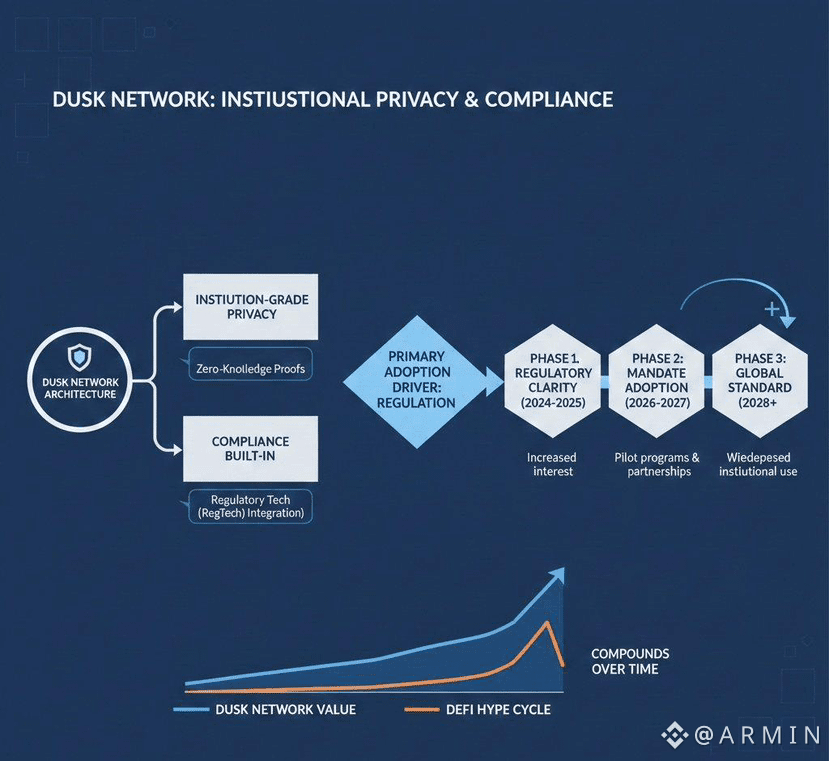

الجزء الذي جعلني أتوقف عن التفكير هو إدراكي أن الخصوصية في Dusk ليست في الواقع مجرد جعل كل شيء غير مرئي. $DUSK , #dusk @Dusk تأخذ مسارًا أكثر تعقيدًا: يمكن أن يظل بعض النشاط مكشوفًا، بينما يمكن حماية النشاط المالي الحساس.
عند النظر إلى البنية، يحافظ Moonlight على أن حالة الحساب تكون عامة، بحيث يمكن التحقق مباشرة من الأرصدة وتفاصيل المعاملات. أما Phoenix فيتبع نهجًا معاكسًا للمعاملات المُموّهة: تتحقق الشبكة من صحة برهان ZK بدلًا من رؤية بيانات المعاملة الأساسية مباشرة.
غيّر ذلك افتراضي الأول إلى حد ما. كنت أظن أن جانب الخصوصية سيكون في الغالب متعلقًا بإخفاء المعلومات المالية. لكنه في الواقع أكثر إثارة من ذلك. ما زالت الشبكة بحاجة إلى إثبات الملكية، والحفاظ على سلامة الرصيد، ومنع الإنفاق المزدوج—فقط دون أن تعرض بالضرورة المعلومات المستخدمة لإثبات تلك الأمور.
ويبدو أن هذه هي المشكلة الأكثر صعوبة بالنسبة لأسواق المال: ليست مسألة الاختيار بين الشفافية والخصوصية، بل تحديد ما الذي ينبغي أن يكون مرئيًا، ولمن، وتحت أي ظروف. ما زلت أتساءل كيف يتصرف هذا التوازن عندما يبدأ النشاط المالي الحقيقي الخاضع للتنظيم في ممارسة الضغط على الطرفين.
عند النظر إلى البنية، يحافظ Moonlight على أن حالة الحساب تكون عامة، بحيث يمكن التحقق مباشرة من الأرصدة وتفاصيل المعاملات. أما Phoenix فيتبع نهجًا معاكسًا للمعاملات المُموّهة: تتحقق الشبكة من صحة برهان ZK بدلًا من رؤية بيانات المعاملة الأساسية مباشرة.
غيّر ذلك افتراضي الأول إلى حد ما. كنت أظن أن جانب الخصوصية سيكون في الغالب متعلقًا بإخفاء المعلومات المالية. لكنه في الواقع أكثر إثارة من ذلك. ما زالت الشبكة بحاجة إلى إثبات الملكية، والحفاظ على سلامة الرصيد، ومنع الإنفاق المزدوج—فقط دون أن تعرض بالضرورة المعلومات المستخدمة لإثبات تلك الأمور.
ويبدو أن هذه هي المشكلة الأكثر صعوبة بالنسبة لأسواق المال: ليست مسألة الاختيار بين الشفافية والخصوصية، بل تحديد ما الذي ينبغي أن يكون مرئيًا، ولمن، وتحت أي ظروف. ما زلت أتساءل كيف يتصرف هذا التوازن عندما يبدأ النشاط المالي الحقيقي الخاضع للتنظيم في ممارسة الضغط على الطرفين.