DuskEVM: إيجاد توازن بين الخصوصية والامتثال
واجهت الأنظمة المالية دائمًا مشكلة صعبة. تحتاج الشركات إلى الخصوصية، لكن يحتاج المنظمون أيضًا إلى معلومات كافية للتحقق مما يحدث. توفر سلاسل الكتل العامة الشفافية، إلا أن إظهار كل معاملة وكل رصيد بشكل علني قد لا يكون مناسبًا للبنوك والصناديق وغيرها من الجهات الخاضعة للتنظيم.
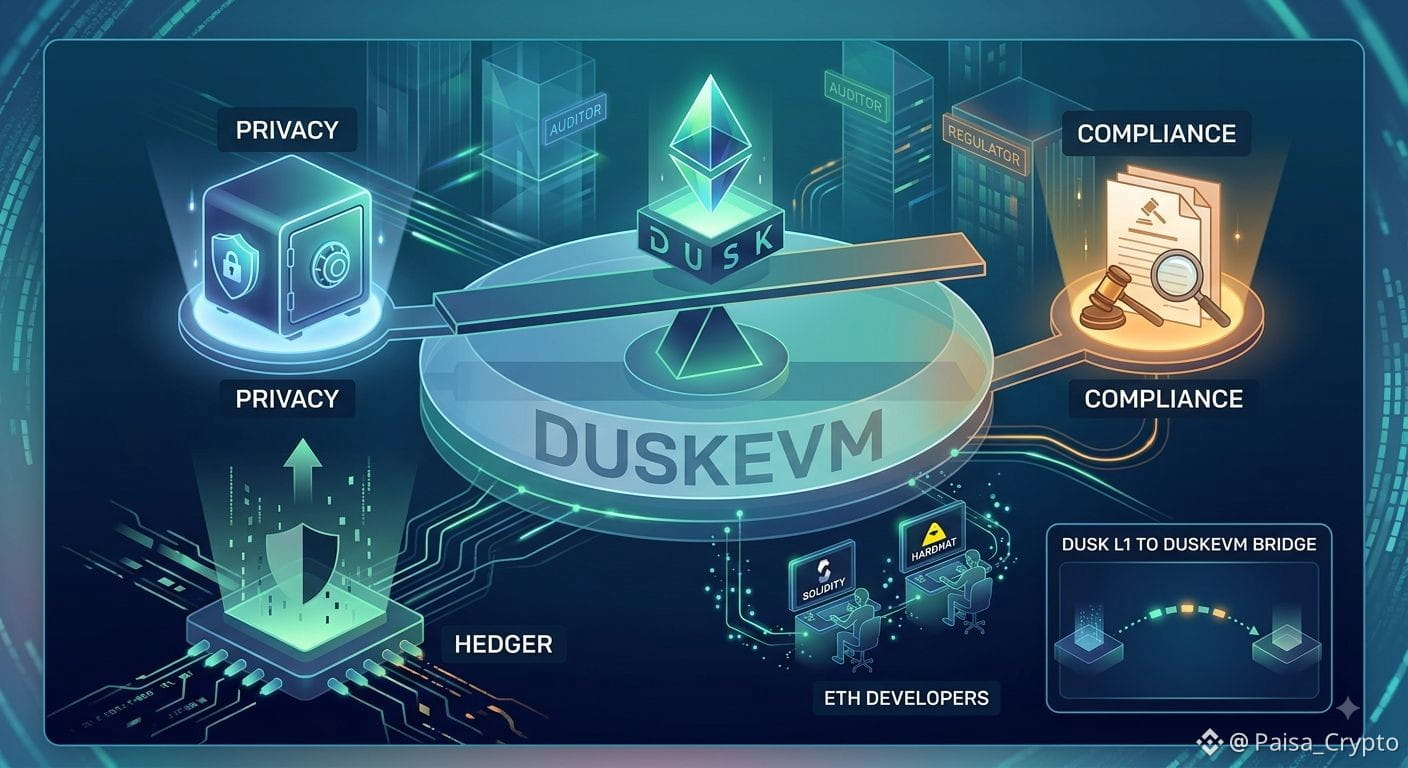
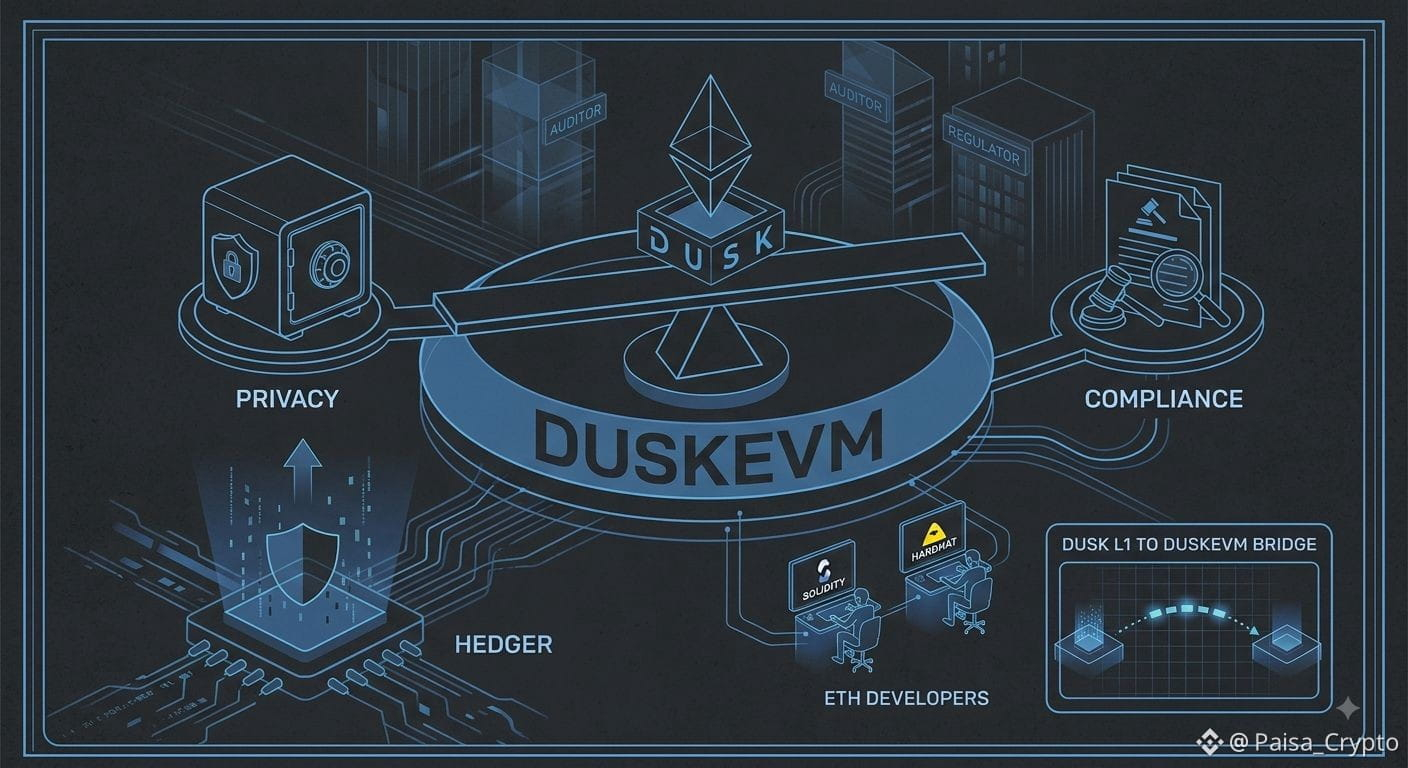
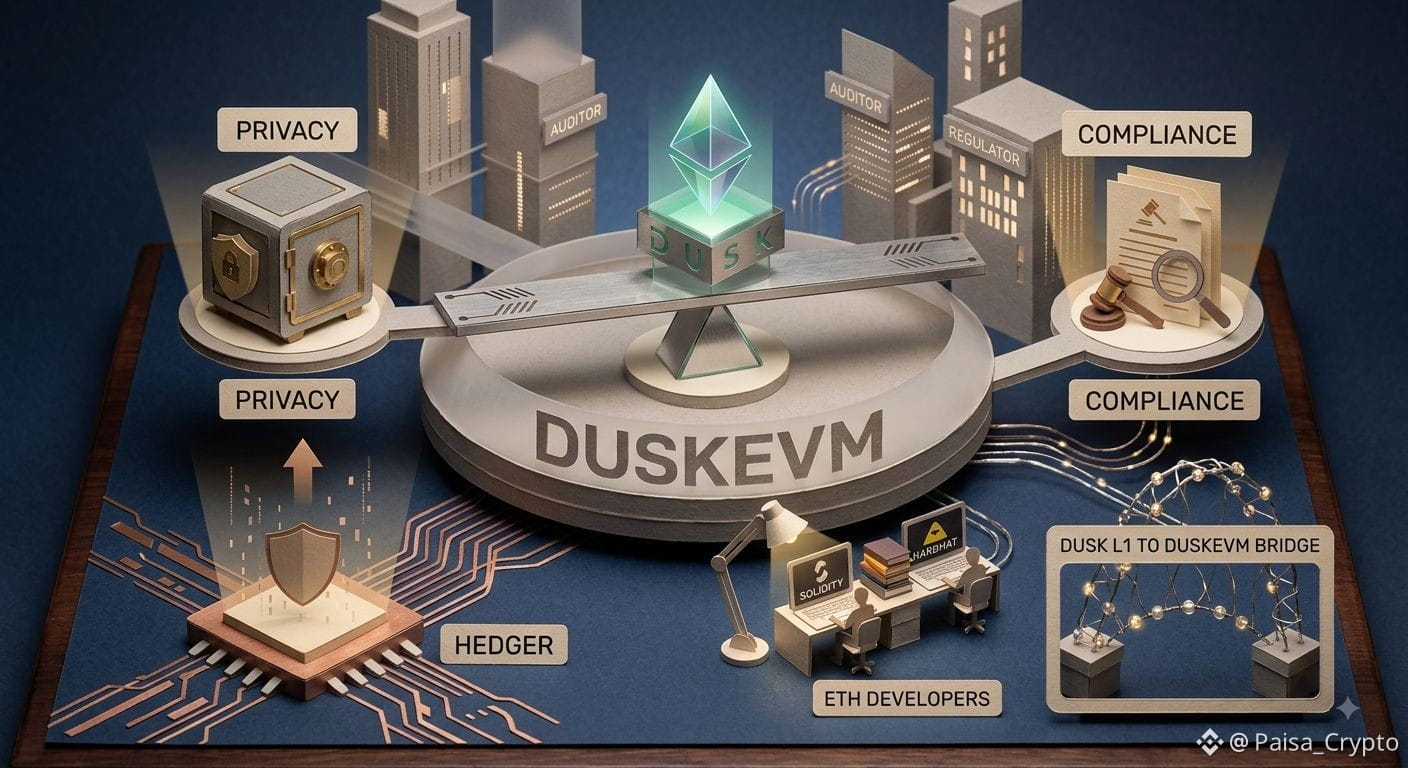
تم تصميم DuskEVM حول هذه المشكلة. فهو يجلب أدوات إيثيريوم المألوفة، مثل Solidity وHardhat، إلى نظام Dusk البيئي. وقد يجعل ذلك من الأسهل على مطوري إيثيريوم العمل مع Dusk.
الجزء الأكثر إثارة للاهتمام هو Hedger. فهو يهدف إلى الحفاظ على مبالغ المعاملات والأرصدة، وبعض معلومات الأعمال، بحيث تظل خاصة. وفي الوقت نفسه، يمكن مع ذلك التحقق من هذه المعلومات بواسطة جهة تنظيمية أو مدقق عند الحاجة.
على سبيل المثال، يمكن لصندوق أن يصدر أصولًا على السلسلة دون إظهار كل التفاصيل المالية للعامة. لكن أثناء عملية تدقيق، يمكنه مع ذلك إثبات أن سجلاته صحيحة.
توجد أيضًا حدود. لا يوفر Hedger إخفاء هوية كاملًا. قد تبقى بعض أنشطة المستخدم مرئية بسبب تصميم EVM المعتمد على الحسابات. كما قد تتطلب تقنيات الخصوصية قدرًا أكبر من القدرة الحاسوبية.
يُعد جسر Dusk L1 إلى DuskEVM مجالًا آخر يستحق المتابعة.
لذا، السؤال الحقيقي بسيط: هل يمكن لـ Dusk تحقيق خصوصية الرصيد والامتثال واللامركزية دون أن يؤدي ذلك إلى إضعاف أحدها للآخر؟
#dusk @Dusk $DUSK
واجهت الأنظمة المالية دائمًا مشكلة صعبة. تحتاج الشركات إلى الخصوصية، لكن يحتاج المنظمون أيضًا إلى معلومات كافية للتحقق مما يحدث. توفر سلاسل الكتل العامة الشفافية، إلا أن إظهار كل معاملة وكل رصيد بشكل علني قد لا يكون مناسبًا للبنوك والصناديق وغيرها من الجهات الخاضعة للتنظيم.
تم تصميم DuskEVM حول هذه المشكلة. فهو يجلب أدوات إيثيريوم المألوفة، مثل Solidity وHardhat، إلى نظام Dusk البيئي. وقد يجعل ذلك من الأسهل على مطوري إيثيريوم العمل مع Dusk.
الجزء الأكثر إثارة للاهتمام هو Hedger. فهو يهدف إلى الحفاظ على مبالغ المعاملات والأرصدة، وبعض معلومات الأعمال، بحيث تظل خاصة. وفي الوقت نفسه، يمكن مع ذلك التحقق من هذه المعلومات بواسطة جهة تنظيمية أو مدقق عند الحاجة.
على سبيل المثال، يمكن لصندوق أن يصدر أصولًا على السلسلة دون إظهار كل التفاصيل المالية للعامة. لكن أثناء عملية تدقيق، يمكنه مع ذلك إثبات أن سجلاته صحيحة.
توجد أيضًا حدود. لا يوفر Hedger إخفاء هوية كاملًا. قد تبقى بعض أنشطة المستخدم مرئية بسبب تصميم EVM المعتمد على الحسابات. كما قد تتطلب تقنيات الخصوصية قدرًا أكبر من القدرة الحاسوبية.
يُعد جسر Dusk L1 إلى DuskEVM مجالًا آخر يستحق المتابعة.
لذا، السؤال الحقيقي بسيط: هل يمكن لـ Dusk تحقيق خصوصية الرصيد والامتثال واللامركزية دون أن يؤدي ذلك إلى إضعاف أحدها للآخر؟
#dusk @Dusk $DUSK