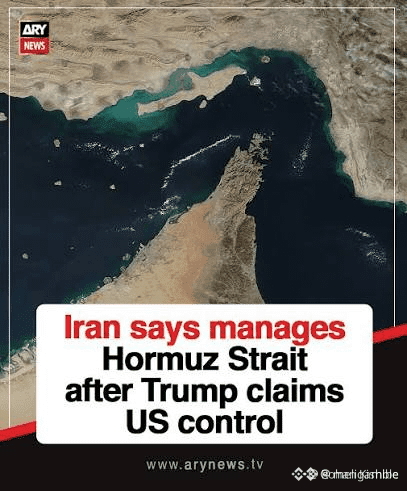
تخيّل هذا: عنوانٌ واحدٌ عن السفن التي تحتاج إلى تصريح لعبور هرمز، وفجأةً يتطلع متداولو العملات الرقمية إلى النفط والدولار و$BTC كأنها كلها على الرسم البياني نفسه.
المشكلة أن الصدمات الاقتصادية الكلية نادرًا ما تمنح نقاط دخولٍ واضحة. دقيقةً كنتَ تمسك بالصفقات الفورية، ودقيقة بعدها تتساءل إن كان يجب التحوّل إلى $USDT أو التحوّط أو التوقف عن استخدام الرافعة تمامًا حتى يزول الغبار.
إليك دراسة الحالة: مضيق هرمز ليس مجرّد خبر جيوسياسي آخر. إنه أحد أهم الممرّات الطاقية في العالم، لذا فإن أي تلميح إلى تقييد العبور يمكن أن يرفع مخاطر النفط، ويضغط توقعات التضخم، ويجعل الأسواق أكثر دفاعية. وهذا يهمّ العملات الرقمية؛ لأن عندما يشعر المتداولون بعدم اليقين، غالبًا ما تتجه السيولة أولًا نحو الأمان، لا نحو سرديات العملات البديلة.
لقد رأينا نسخًا من هذا من قبل. خلال التوترات السابقة في الشرق الأوسط، $BTC كان يحدث أن تتراجع مع الأصول ذات المخاطر أولًا، ثم تستقر بمجرد أن يفهم السوق ما إذا كان الحدث تصعيدًا أم مجرد ضجيج. قارن ذلك بتوتر القطاع المصرفي في عام 2023، حيث تصرّف البيتكوين في النهاية بشكل أكبر كتحوّط ضد مخاطر النظام. نفس الأصل، استجابة مختلفة، لأن نوع الخوف هو الذي يغيّر الصورة.
حاليًا، فإن مؤشر الخوف والجشع Fear & Greed Index الموجود ضمن منطقة الخوف يتناسب تمامًا مع المزاج. كما أن عمليات البحث حول $USDT منطقية كذلك، لأن المتداولين لا يريدون الصعود فقط، بل يريدون المرونة وخيارات التصرّف. الدرس ليس «الذعر مع كل عنوان». بل أن تسأل: ما نوع المخاطر التي نقوم بتسعيرها؟ صدمة طاقة، أم صدمة تضخم، أم صدمة سيولة، أم مجرد تقلبات خبرية؟
إذا استمرت توترات هرمز في التزايد، هل تعتقد أن تداول العملات الرقمية سيتصرف مثل أسهم «الابتعاد عن المخاطرة» (risk-off) أو «الذهب الرقمي» (digital gold)، أم أنه سينتظر حتى تحدد السيولة وجهتها؟ #IranRequiresPermissionToTransitHormuz #SP500ClosesAtRecordHigh #US30YBondBidToCoverFallsTo2
المشكلة أن الصدمات الاقتصادية الكلية نادرًا ما تمنح نقاط دخولٍ واضحة. دقيقةً كنتَ تمسك بالصفقات الفورية، ودقيقة بعدها تتساءل إن كان يجب التحوّل إلى $USDT أو التحوّط أو التوقف عن استخدام الرافعة تمامًا حتى يزول الغبار.
إليك دراسة الحالة: مضيق هرمز ليس مجرّد خبر جيوسياسي آخر. إنه أحد أهم الممرّات الطاقية في العالم، لذا فإن أي تلميح إلى تقييد العبور يمكن أن يرفع مخاطر النفط، ويضغط توقعات التضخم، ويجعل الأسواق أكثر دفاعية. وهذا يهمّ العملات الرقمية؛ لأن عندما يشعر المتداولون بعدم اليقين، غالبًا ما تتجه السيولة أولًا نحو الأمان، لا نحو سرديات العملات البديلة.
لقد رأينا نسخًا من هذا من قبل. خلال التوترات السابقة في الشرق الأوسط، $BTC كان يحدث أن تتراجع مع الأصول ذات المخاطر أولًا، ثم تستقر بمجرد أن يفهم السوق ما إذا كان الحدث تصعيدًا أم مجرد ضجيج. قارن ذلك بتوتر القطاع المصرفي في عام 2023، حيث تصرّف البيتكوين في النهاية بشكل أكبر كتحوّط ضد مخاطر النظام. نفس الأصل، استجابة مختلفة، لأن نوع الخوف هو الذي يغيّر الصورة.
حاليًا، فإن مؤشر الخوف والجشع Fear & Greed Index الموجود ضمن منطقة الخوف يتناسب تمامًا مع المزاج. كما أن عمليات البحث حول $USDT منطقية كذلك، لأن المتداولين لا يريدون الصعود فقط، بل يريدون المرونة وخيارات التصرّف. الدرس ليس «الذعر مع كل عنوان». بل أن تسأل: ما نوع المخاطر التي نقوم بتسعيرها؟ صدمة طاقة، أم صدمة تضخم، أم صدمة سيولة، أم مجرد تقلبات خبرية؟
إذا استمرت توترات هرمز في التزايد، هل تعتقد أن تداول العملات الرقمية سيتصرف مثل أسهم «الابتعاد عن المخاطرة» (risk-off) أو «الذهب الرقمي» (digital gold)، أم أنه سينتظر حتى تحدد السيولة وجهتها؟ #IranRequiresPermissionToTransitHormuz #SP500ClosesAtRecordHigh #US30YBondBidToCoverFallsTo2