

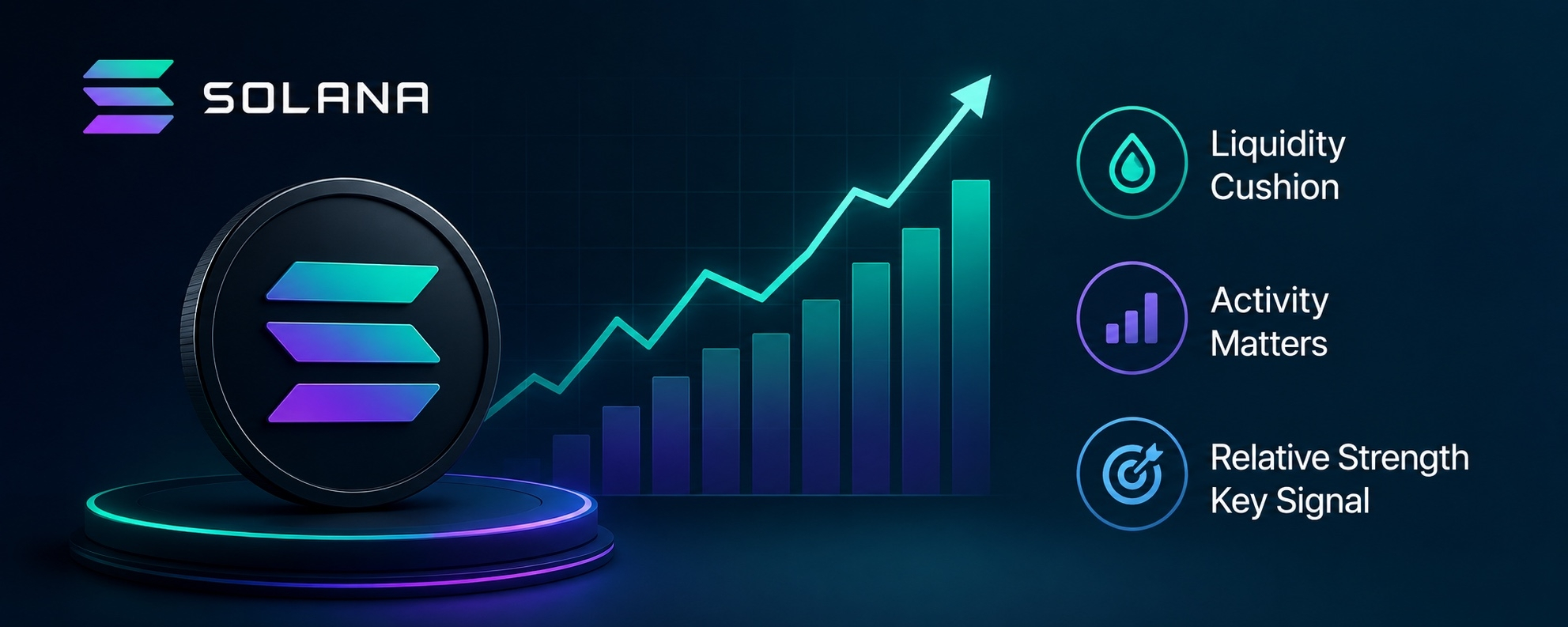

يبدو الارتداد الأخير لسولانا مشجعًا على السطح، لكن نظرة أعمق إلى البيانات تروي قصة أكثر توازنًا.
لا يزال لدى منظومة سولانا قدرٌ كبير من رأس المال. ينمو المعروض من العملات المستقرة، وتتحسن سعة الشبكة، ويتوسع الوصول المؤسسي. لكن السؤال المهم هو: هل يتم بالفعل توظيف هذه السيولة — وهل ينعكس هذا التوظيف في زيادة الطلب على SOL؟
في الوقت الحالي، الإجابة ليست مقنعة بما يكفي بعد.
1. SOL يتعافى، لكنه ما زال يفتقر إلى القوة النسبية
ارتفع SOL بنحو 3.6% خلال سبعة أيام، متفوقًا على BTC التي سجلت 2.1% وعلى ETH التي سجلت 1.4%.
لكن الصورة الأكبر مختلفة:
30 يوم: SOL -2.4%
BTC: +1.2%
ETH: +6.3%
2 يوليو–9 أغسطس: SOL -5.5%
BTC: +5.4%
ETH: +12.3%
هذا يخبرنا شيئاً مهماً.
يمكن لـ SOL أن ترتد خلال تعافٍ قصير الأجل في السوق دون أن تصبح فعلياً قائدة للسوق.
تبقى نسب SOL/BTC وSOL/ETH دون مستويات 2 يوليو، ما يعني أن المستثمرين الذين اختاروا BTC أو ETH بدل SOL قد حققوا غالباً أداءً نسبياً أفضل.
👉 الدرس: صعود SOL/USD ليس كافياً. للحصول على أطروحة صعودية أقوى، يجب أن يتفوق SOL باستمرار على BTC وETH.
2. سيولة العملات المستقرة تنمو
من أقوى نقاط سولانا أن رأس المال لم يغادر النظام البيئي.
زاد المعروض من عملات USD المستقرة لدى سولانا تقريباً:
15.56 مليار دولار → 16.19 مليار دولار
وهذا يمثل زيادة تقارب 4.1%.
وهذا يوفّر هامش سيولة صحيًا للنظام البيئي.
لكن هناك تمييز مهم:
المزيد من السيولة ≠ مزيد من ضغط الشراء على SOL.
يمكن أن تبقى عملات USD المستقرة في المحافظ أو في بروتوكولات الإقراض أو ضمن مجمعات السيولة أو في تطبيقات أخرى دون توليد طلب ذي مغزى على SOL.
لذلك نحتاج إلى النظر إلى استخدام السيولة، وليس فقط توفر السيولة.
3. التحذير الأكبر: تراجع استخدام السيولة
ربما هذه هي أهم جزء في التحليل.
انخفض حجم تداول DEX خلال 30 يوماً لدى سولانا بنحو 28.5% تقريباً إلى 45.47 مليار دولار.
ومن المثير أكثر أيضاً العلاقة بين حجم DEX الأسبوعي وإمدادات العملات المستقرة.
انخفض من تقريباً:
1.01x → 0.65x
ويمثل ذلك انخفاضاً يقارب 35% في الاستخدام.
بعبارات بسيطة:
لدى سولانا رأس مال أكبر من العملات المستقرة، لكن هذا الرأس المالي يُستخدم حالياً بشكل أقل حدة.
وهذا يفسر لماذا قد يكون الارتداد أقرب إلى تعافٍ مدعوم بالسيولة أكثر من كونه إعادة تسعير لـ SOL مدفوعة بالطلب الحقيقي.
4. ترقيات الشبكة إيجابية — لكن لا تعني تلقائياً ضخاً لرمز SOL
تستمر شبكة سولانا في التحسن.
رفعت الشبكة سعة الكتل من 60 مليون إلى 100 مليون وحدة حساب، بينما يمكن أن تحسن التطورات مثل Alpenglow والمعاملات الأكبر واللحظات الأسرع والطرح الأوسع لـ Firedancer المزيد من قابلية التوسع والمرونة.
هذه تطورات إيجابية من حيث الأساسيات.
لكن هناك فرق بين:
بنية تحتية أفضل → إمكانات أكبر
و
استخدام أكثر → رسوم أكثر → طلب أقوى على SOL
السلسلة الثانية هي ما يحتاج المستثمرون أن يروه في النهاية.
سلسلة بلوكشين أسرع وأكثر قدرة لا تعني تلقائيًا أن رمزها سيتفوق.
5. ما الذي سيؤكد إعادة تسعير حقيقية لـ SOL؟
أود أن أراقب ثلاث نقاط معاً بدلاً من الاعتماد على مؤشر واحد.
🟢 1. السيولة
يُفترض أن يبقى المعروض من العملات المستقرة سليماً أو يستمر في النمو.
🟢 2. الاستخدام
من المتوقع أن يبدأ حجم نشاط DEX وTVL والرسوم بالارتفاع بالتوازي مع السيولة.
سيظهر ذلك أن رأس المال يتم نشره فعلاً.
🟢 3. القوة النسبية
يحتاج SOL/BTC وSOL/ETH إلى البدء في تحقيق تحسينات مستمرة.
وهذا مهم بشكل خاص لأنه يوضح لنا ما إذا كان المستثمرون يختارون فعلاً SOL بدل BTC وETH.
إذا تحسنت كل الأمور الثلاثة معاً، تصبح الأطروحة أقوى بكثير.
6. ما الذي قد يجعل الأطروحة سلبية؟
أما التركيبة العكسية فستكون مقلقة:
السيولة من العملات المستقرة ↓
نشاط DEX ↓
TVL ↓
الرسوم ↓
SOL/BTC ↓
SOL/ETH ↓
سيشير ذلك إلى أن وسادة السيولة نفسها بدأت تضعف.
عندها ستصبح انتعاشة SOL أصعب بكثير من ناحية الدفاع أساسياً.
الخلاصة
لا تواجه سولانا نقصاً في السيولة.
ما يزال لدى النظام البيئي قدر كبير من رأس المال في العملات المستقرة، وتحسين البنية التحتية، وتوسيع إمكانية الوصول.
المشكلة هي التحويل/الاستخدام الفعلي للسيولة.
يحتاج رأس المال إلى التحرك من:
السيولة → النشاط → الرسوم → الطلب → إعادة تسعير SOL
في الوقت الحالي، الجزء الأول من هذه السلسلة صحي، لكن الجزء الأوسط ليس قوياً بما يكفي بعد.
لذا أصف الإعداد الحالي بأنه:
🟡 تعافٍ مدعوم بالسيولة، وليس تأكيداً على قيادة SOL.
بالنسبة لحاملي SOL، السؤال الأساسي ليس فقط: “هل ترتفع SOL؟”
السؤال الأفضل هو:
“هل يجري استخدام سيولة سولانا المتزايدة بشكل أكثر كثافة، وهل يؤدي هذا الاستخدام إلى تفوق SOL على BTC وETH؟”
إذا كانت الإجابة نعم، فقد يتطور الارتداد الحالي إلى مرحلة إعادة تسعير أقوى بكثير.
وإلى ذلك الحين، تعمل السيولة أكثر كوسادة/مخزن حماية وليست كمحرك.
#Solana #SOL #CryptoAnalysis #DeFi #ArifAlpha
