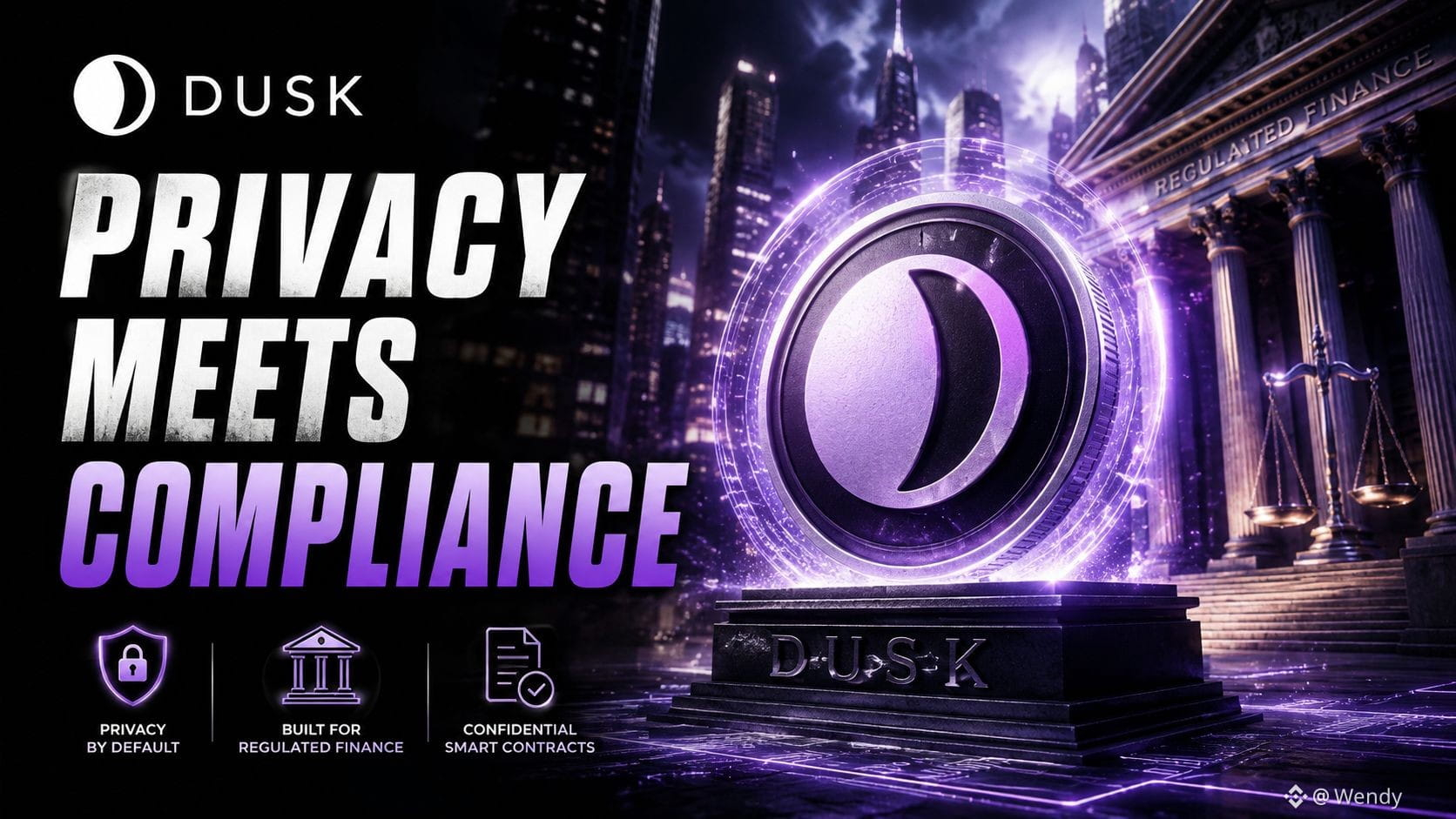

لماذا تفشل كل سلاسل البلوك تشين العامة في التمويل الخاضع للتنظيم، وما الذي تغيّره شركة Dusk
كل بلوك تشين عامة تأتي بإعداد افتراضي واحد: جميع المعاملات مرئية للجميع على الشبكة.
كنت أظن أن ذلك ميزة.
بعد الاطلاع على كيفية عمل تنظيم الأوراق المالية فعليًا، غيّرت رأيي.
يستلزم نموذج التنظيم لتسوية السندات بنية وصول محددة جدًا. يحتاج المنظمون إلى تدقيق المعاملات. لكن الطرف المقابل في الصفقة لا يمكنه رؤية مركزك كاملًا.
لا تستطيع إيثريوم تقديم ذلك.
فالبيانات إما أن تكون عامة بالكامل، أو تُحفظ خارج السلسلة (off-chain) بعيدًا عن ضمانات البلوك تشين تمامًا.
قضيت وقتًا في قراءة الورقة البيضاء الخاصة بـ dusk_foundation الأسبوع الماضي، والمعمارية التي بنوها تعالج هذه الفجوة على مستوى البروتوكول، لا كفكرة لاحقة.
تشغّل Dusk نموذجين للمعاملات على نفس السلسلة في آن واحد.
يتولى Phoenix عمليات التحويل السرّية باستخدام إثباتات المعرفة الصفرية، وهو نهج قائم على UTXO تتحقق فيه الشبكة من إثبات ZK دون رؤية المبالغ أو الأطراف الأساسية.
أما Moonlight فهو نموذج الحساب الشفاف (account-based)، عندما تتطلب المعاملة قانونيًا سجلات ظاهرة على السلسلة.
يعتمد الاختيار بين النموذجين على ما تتطلبه المعاملة المحددة. نفس الشبكة. كلاهما متاح.
نموذجان. سلسلة واحدة.
ما شدّ انتباهي هو NPEX. فهي منظمة من قبل AFM في هولندا، ومُرخصة كمنصة تداول متعددة الأطراف (MTF)، وقد أعلنت خططًا لجلب 300 مليون+ يورو في الأصول إلى السلسلة عبر Dusk.
هذا ليس تجريبًا صغيرًا.
لكنني بصراحة غير متأكد مما إذا كانت المؤسسات الخاضعة لتنظيم الاتحاد الأوروبي ستثق بسلسلة خارجية للتسوية الفعلية، حتى لو كانت مبنية خصيصًا حول متطلبات امتثالهم.
المعمارية متماسكة. المحادثة التنظيمية في أوروبا خلال السنتين المقبلتين هي المتغير الذي لا أستطيع توقعه.
#dusk $DUSK @Dusk $BTC $ETH
كل بلوك تشين عامة تأتي بإعداد افتراضي واحد: جميع المعاملات مرئية للجميع على الشبكة.
كنت أظن أن ذلك ميزة.
بعد الاطلاع على كيفية عمل تنظيم الأوراق المالية فعليًا، غيّرت رأيي.
يستلزم نموذج التنظيم لتسوية السندات بنية وصول محددة جدًا. يحتاج المنظمون إلى تدقيق المعاملات. لكن الطرف المقابل في الصفقة لا يمكنه رؤية مركزك كاملًا.
لا تستطيع إيثريوم تقديم ذلك.
فالبيانات إما أن تكون عامة بالكامل، أو تُحفظ خارج السلسلة (off-chain) بعيدًا عن ضمانات البلوك تشين تمامًا.
قضيت وقتًا في قراءة الورقة البيضاء الخاصة بـ dusk_foundation الأسبوع الماضي، والمعمارية التي بنوها تعالج هذه الفجوة على مستوى البروتوكول، لا كفكرة لاحقة.
تشغّل Dusk نموذجين للمعاملات على نفس السلسلة في آن واحد.
يتولى Phoenix عمليات التحويل السرّية باستخدام إثباتات المعرفة الصفرية، وهو نهج قائم على UTXO تتحقق فيه الشبكة من إثبات ZK دون رؤية المبالغ أو الأطراف الأساسية.
أما Moonlight فهو نموذج الحساب الشفاف (account-based)، عندما تتطلب المعاملة قانونيًا سجلات ظاهرة على السلسلة.
يعتمد الاختيار بين النموذجين على ما تتطلبه المعاملة المحددة. نفس الشبكة. كلاهما متاح.
نموذجان. سلسلة واحدة.
ما شدّ انتباهي هو NPEX. فهي منظمة من قبل AFM في هولندا، ومُرخصة كمنصة تداول متعددة الأطراف (MTF)، وقد أعلنت خططًا لجلب 300 مليون+ يورو في الأصول إلى السلسلة عبر Dusk.
هذا ليس تجريبًا صغيرًا.
لكنني بصراحة غير متأكد مما إذا كانت المؤسسات الخاضعة لتنظيم الاتحاد الأوروبي ستثق بسلسلة خارجية للتسوية الفعلية، حتى لو كانت مبنية خصيصًا حول متطلبات امتثالهم.
المعمارية متماسكة. المحادثة التنظيمية في أوروبا خلال السنتين المقبلتين هي المتغير الذي لا أستطيع توقعه.
#dusk $DUSK @Dusk $BTC $ETH