
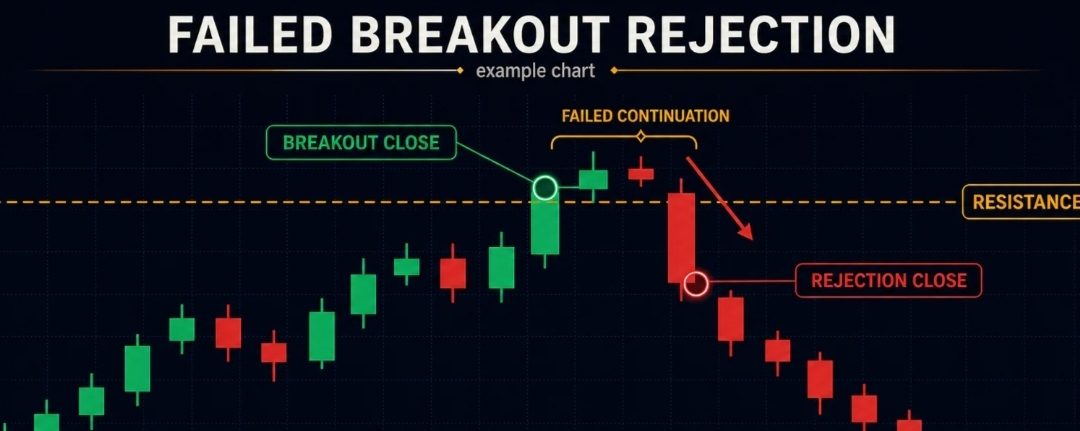

Every time a few altcoins start outperforming Bitcoin the same question returns Is altcoin season finally here?
The excitement is understandable. Altcoins can move much faster than Bitcoin when capital begins rotating across the crypto market. But a handful of strong performers does not automatically mean the entire altcoin market has entered a new cycle.
Right now, the evidence remains mixed. CoinMarketCap’s market dashboard recently showed Bitcoin dominance around 58.8%, while its Altcoin Season Index was near the middle of the scale rather than at the level used to confirm a full altcoin season.
So instead of calling altseason too early, here are five important signals worth watching.
1. Bitcoin Dominance Starts Falling Consistently
Bitcoin dominance measures Bitcoin’s share of the total cryptocurrency market capitalization.
When dominance rises, Bitcoin is generally capturing a larger share of the crypto market. When it falls for an extended period, it can indicate that capital and market attention are shifting toward altcoins.
Bitcoin dominance recently remained close to 59%, showing that BTC still holds considerable market leadership.
For a stronger altseason argument, traders would want to see more than a temporary decline.
A sustained downward trend in Bitcoin dominance would provide stronger evidence that altcoins are gaining market share across the board.
The word sustained matters.
A short drop followed by an immediate recovery could simply be another temporary rotation rather than the beginning of a major altcoin cycle.
2. The Altcoin Season Index Moves Toward Confirmation
Another useful indicator is CoinMarketCap’s Altcoin Season Index.
CoinMarketCap compares the 90-day performance of major altcoins against Bitcoin. Under its methodology, altcoin season is reached when 75% of the top 100 eligible coins outperform Bitcoin over the previous 90 days.
Recent readings have remained well below that threshold. One report this week put the index at 51, while another more recent reading showed it falling to 42.
That tells us something important.
There is altcoin strength, but it isn't broad enough yet to confidently describe the entire market as being in altseason.
A move toward 75 accompanied by continued altcoin outperformance would make the case much stronger.
3. Ethereum Begins Outperforming Bitcoin
Ethereum has historically been an important bridge between Bitcoin leadership and broader altcoin speculation.
When investors become comfortable moving further along the crypto risk curve, ETH is often one of the first major assets to attract attention.
That makes the ETH/BTC relationship worth watching.
If Ethereum begins consistently outperforming Bitcoin, it can indicate that investors are becoming more comfortable allocating capital outside BTC.
The next step is even more important.
If strength spreads from Ethereum into large-cap altcoins and eventually into smaller sectors, the market begins looking much more like a genuine rotation.
Without that broader participation, isolated ETH strength may simply represent an Ethereum-specific move.
4. Altcoin Trading Volume Expands Across Multiple Sectors
Price alone doesn't tell the whole story.
Volume can help show whether a rally has meaningful participation behind it.
Imagine several altcoins jumping 20% or 30%, but most of the trading activity is concentrated in only two or three tokens.
That isn't necessarily altseason.
A healthier rotation would involve increasing activity across multiple areas of the market—such as Layer 1 networks, DeFi, RWA projects, AI-related crypto projects and other established sectors.
This distinction is particularly important in the current market because recent data suggests performance remains selective.
An altcoin season needs breadth, not just a few impressive charts.
5. More Altcoins Start Beating Bitcoin at the Same Time
This may be the most important signal of all.
A real altcoin season isn't about one coin pumping.
It isn't even about ten coins pumping.
It is about widespread relative strength.
Bitcoin can rise while altcoins rise faster. Bitcoin can also consolidate while capital rotates into other parts of the market.
What matters is whether a growing percentage of major altcoins begin outperforming BTC over meaningful periods.
That's exactly why indicators such as the Altcoin Season Index focus on relative performance instead of simply asking whether altcoin prices are going up.
If only one narrative is performing well, we may be seeing a sector rotation.
If strength spreads across dozens of major cryptocurrencies, the altseason argument becomes much harder to ignore.
Why Fake Altseasons Happen
Crypto traders naturally become excited when altcoins suddenly begin producing large green candles.
That excitement can itself create short-lived rallies.
Capital moves toward whichever narrative is trending, prices accelerate, social media attention increases and more traders enter.
But if fresh liquidity doesn't continue entering the market, momentum can disappear quickly.
Bitcoin can then regain dominance while weaker altcoins give back much of their gains.
This is why calling altseason based on a few days of price action can be dangerous.
The broader structure matters more than individual pumps.
This Altseason Could Look Different
There is another possibility worth considering.
The next altcoin cycle may not resemble 2017 or 2021.
The crypto market has matured. Institutional participation is larger, ETFs have changed how some capital enters the market, and investors now have thousands of tokens competing for attention and liquidity.
That could make future altcoin cycles more selective.
Instead of nearly everything rising together, capital could concentrate around a smaller number of ecosystems and narratives with strong liquidity, adoption or institutional interest.
If that happens, waiting for the classic “everything pumps” altseason could cause traders to misunderstand the new market structure.
So, Altcoin Season or Another Fakeout?
For now, the evidence points more toward an uncertain transition than a confirmed altcoin season.
Bitcoin dominance remains high, and the Altcoin Season Index is still far from CoinMarketCap’s 75 threshold for confirmation.
But that doesn't mean altseason cannot develop.
Watch Bitcoin dominance. Watch Ethereum relative to Bitcoin. Watch the Altcoin Season Index. Watch trading volume. And most importantly, watch whether strength spreads across the broader altcoin market.
If those signals begin aligning, the conversation could quickly change from “Is altseason coming?” to “How far can this rotation go?”
Until then, every altcoin rally deserves one important question:
Is real capital rotating into the broader market or are we watching another convincing fakeout?
This article is for educational and informational purposes only and is not financial advice.